Bodyweight Core Exercises
The core does two jobs: it flexes the spine, and it resists the spine being moved. Most people only train the first. This page covers both. Crunches, sit-ups, V-ups and hanging knee raises are the flexion work; planks, side planks, dead bugs and bird dogs are the anti-movement work that keeps your ribcage stacked over your pelvis when something tries to pull it out of line.
The progression matters more than the exercise. A front plank stops being useful once you can hold it for two minutes. At that point the answer is a harder variation, not a longer hold. Hanging knee raises progress to toes-to-bar, decline crunches progress by steepening the bench, and a dead bug progresses by slowing down. Treat the core like any other muscle: make it harder over time rather than adding reps forever.
Beginner17
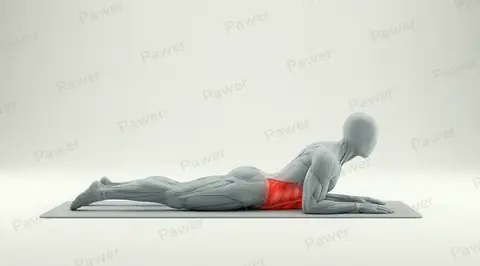 Abdominals Stretch Variation OneBodyweight
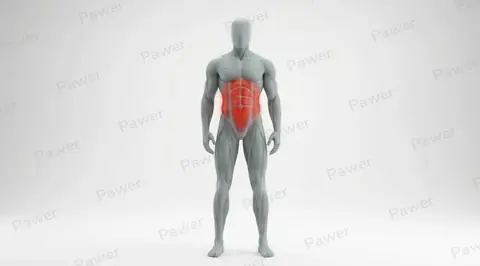 Abdominals Stretch Variation ThreeBodyweight
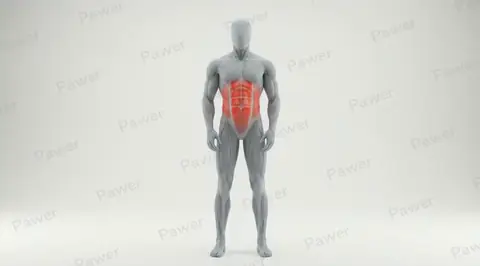 Abdominals Stretch Variation TwoBodyweight
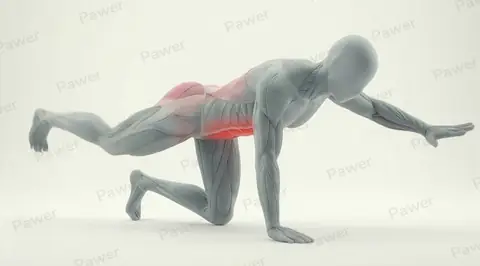 Bird DogBodyweight
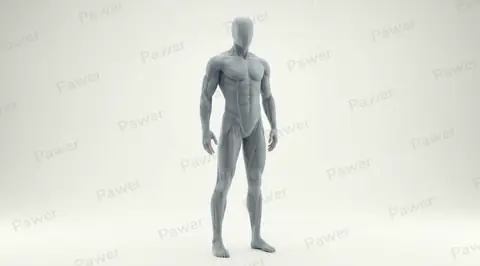 Bodyweight DeadliftBodyweight
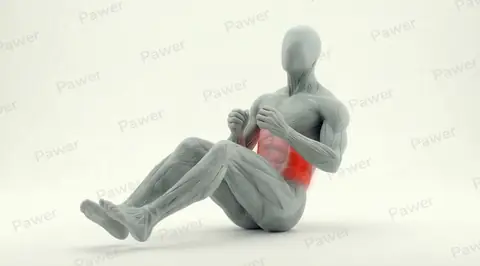 Bodyweight Russian TwistBodyweight
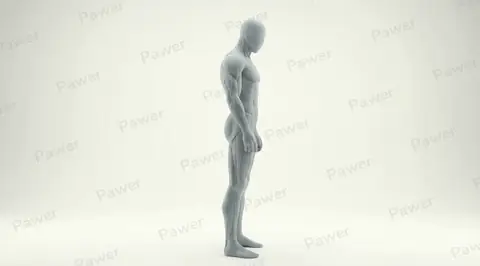 Bodyweight Spinal Jefferson CurlBodyweight
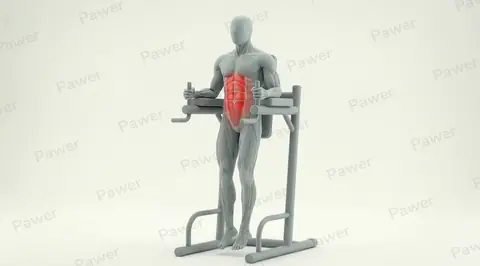 Captain's Chair Knee RaiseBodyweight
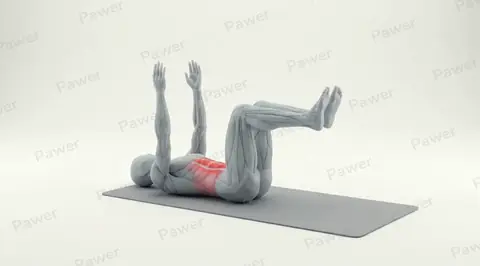 Dead BugBodyweight
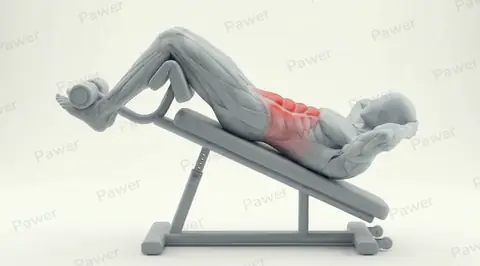 Decline CrunchBodyweight
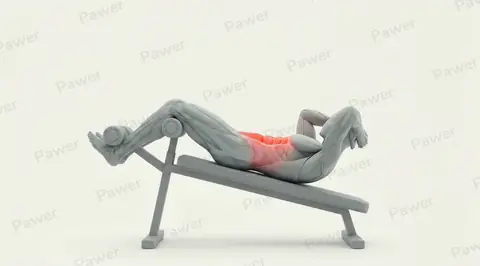 Decline Sit-UpBodyweight
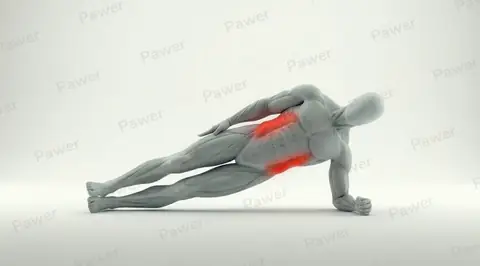 Elbow Side PlankBodyweight
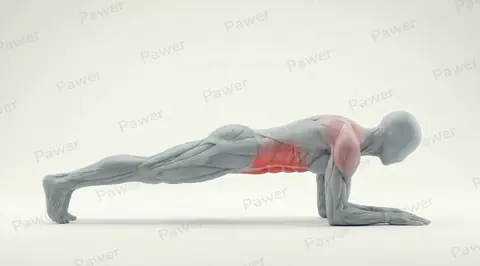 Front Plank on ElbowsBodyweight
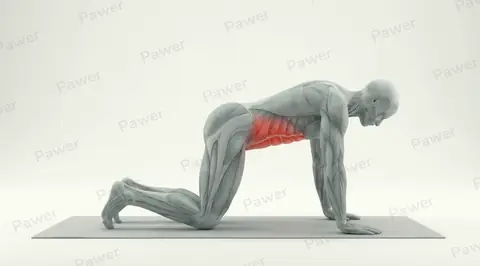 Hand PlankBodyweight
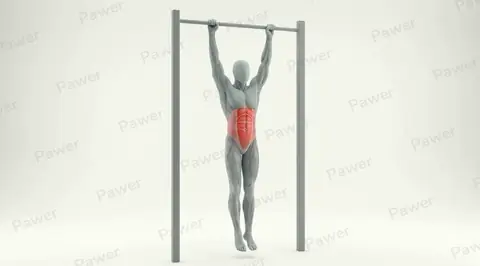
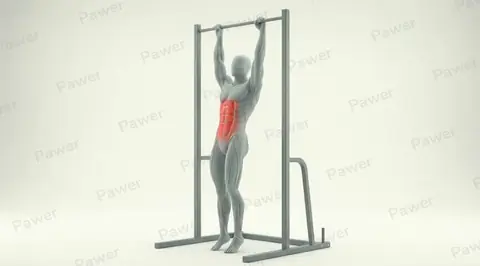 Hanging Knee RaisesBodyweight
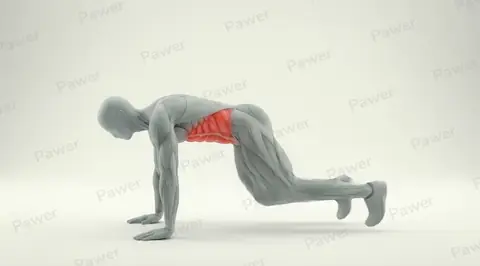 Mountain ClimberBodyweight
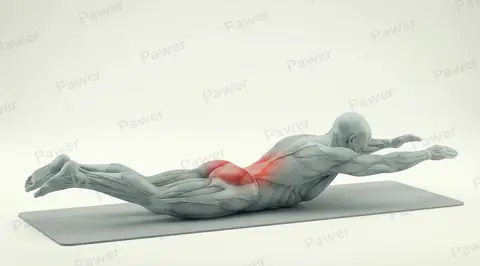 SupermansBodyweight
Intermediate2
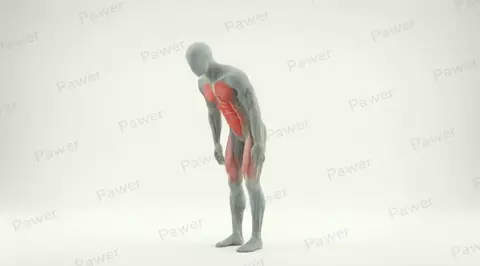
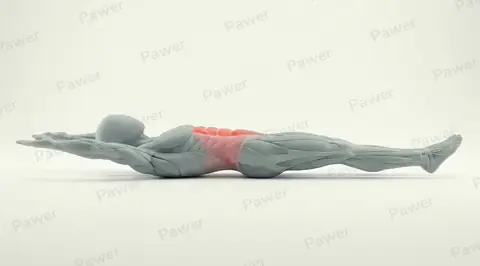
Advanced1
Other equipment for Core
Frequently asked questions
How long should I hold a plank?
Thirty to sixty seconds of a genuinely hard hold beats three minutes of an easy one. If you can hold a front plank past two minutes, move to a harder version, whether that is feet elevated, one arm lifted, or a side plank, rather than extending the time.
Do core exercises burn belly fat?
No. Fat loss comes from overall energy balance and cannot be directed at one area. Core training builds the muscle underneath, which is what becomes visible once body fat drops, but crunches do not preferentially burn fat off your midsection.
What is the best bodyweight core exercise?
If you have a bar to hang from, hanging knee raises. They load the whole abdominal wall through a long range and progress cleanly to toes-to-bar. Without a bar, a hard plank variation and slow dead bugs cover the anti-movement side, with decline crunches for flexion.