Core Exercises
 Anton YefanovUpdated
The best core exercises are hanging knee raises, kneeling cable crunches, the Pallof press and the side plank, because together they train every job your midsection does. A complete core workout needs more than crunches: it should curl the spine, resist unwanted movement and keep the lower back strong.
Your core is the group of muscles between your ribs and your hips. That includes the rectus abdominis (the six-pack), the obliques on your sides, the deep transverse abdominis and the spinal erectors along your lower back. They bend and twist your trunk, but their bigger job is stiffening it so force can travel between your legs and arms when you lift, run, throw or carry.
Below you will find our top picks, how the main ab and core exercises compare, how many sets and reps to do, and sample gym and bodyweight core workouts. All 47 exercises for your core in the library are listed on this page, each with a video and step-by-step instructions.
Best Core Exercises
These eight cover every job the core does: curling the spine, resisting extension, rotation and side bending, and keeping the lower back strong. Pick one or two from different categories rather than doing all of them in one session.
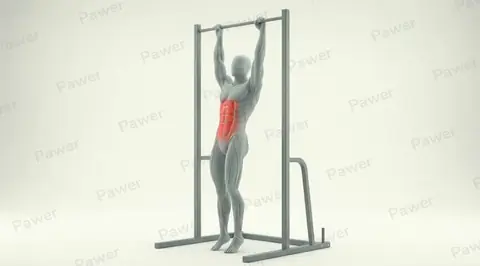
No. 1Best Overall
Hanging Knee Raises
Hanging from a bar and curling your knees up trains the abs through a long range while your grip, lats and shoulders keep you still. The key is tilting the pelvis up at the top instead of just lifting the thighs, which turns it from a hip flexor drill into real ab work. It also has a clear progression path, all the way to toes to bar.
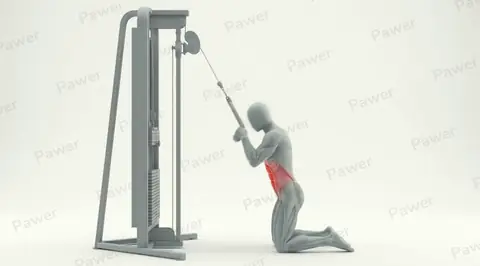
No. 2Best for Ab Size
Kneeling Cable Crunch
This is the easiest ab exercise to load progressively, because you add weight on the stack the same way you would for a curl. Kneeling and rounding your spine down toward your thighs works the rectus abdominis through spinal flexion with constant tension. If you want thicker, more visible abs, get strong on this one.
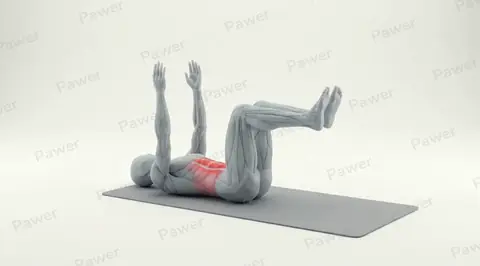
No. 3Best for Beginners
Dead Bug
Lying on your back with your lower back pressed into the floor, you lower one arm and the opposite leg while the trunk refuses to arch. It teaches the bracing skill every other core exercise depends on and is easy on the lower back. Slow the tempo or straighten the legs to make it harder.
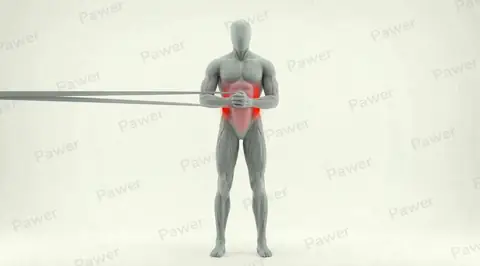
No. 4Best Anti-Rotation Exercise
Pallof Press
Standing side-on to a cable or band, you press the handle straight out and hold it while your torso resists being pulled around. It trains the obliques and deep core the way they work in sport and heavy lifting: stopping movement, not creating it. It works just as well with a band at home.
No. 5Best for Obliques
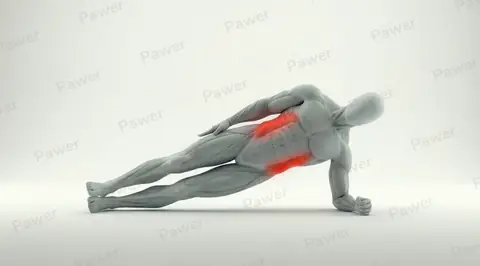
Elbow Side Plank
The side plank loads the obliques and the side of the trunk against gravity with nothing but the floor. It is the most accessible way to train lateral stability, which crunch-heavy routines miss entirely. Progress by raising the top leg or resting a weight plate on your hip.
No. 6Best No-Equipment Option
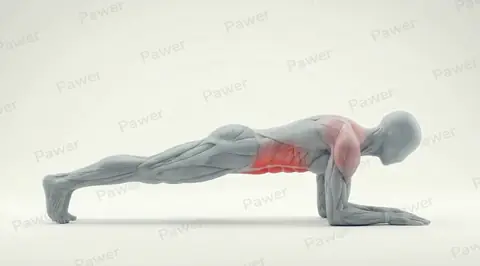
Front Plank on Elbows
The front plank on elbows teaches you to hold a straight line from head to heels while the abs stop your hips from sagging. Squeeze your glutes and pull your elbows toward your toes to make every second count. Once 60 seconds feels easy, move to harder variations instead of longer holds.
No. 7Best for Lower Back
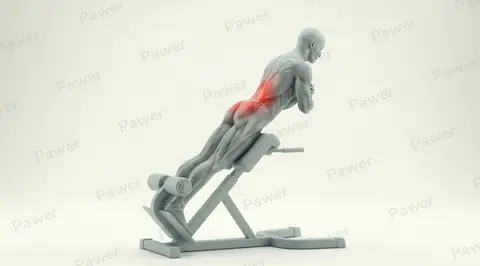
Machine 45 Degree Back Extension
The 45 degree back extension trains the spinal erectors along with the glutes and hamstrings, the back half of the core that ab routines tend to ignore. It is easy to learn and simple to load by hugging a plate. Pair it with your ab work for a balanced trunk.
No. 8Best Advanced Exercise
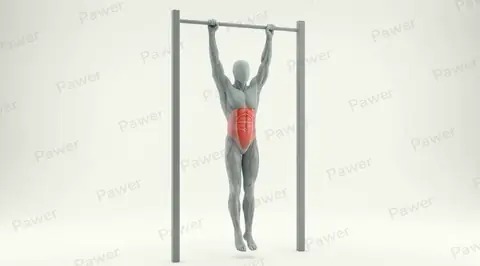
Toes-to-Bar
Raising straight legs from a dead hang until your toes touch the bar demands strong abs, hip flexors, lats and grip at once. It is the natural next step once you can do controlled hanging knee raises with a clear pelvic curl. Keep the swing out of it, or most of the work shifts away from the abs.
Core anatomy: abs, obliques, deep core and lower back
The rectus abdominis runs from your lower ribs and sternum down to your pubic bone. It is one long muscle, split by bands of connective tissue into the blocks people call a six-pack. You cannot isolate the "lower abs", but exercises that curl the pelvis toward the ribs (hanging knee raises) feel different from those that curl the ribs toward the pelvis (crunches). Doing both covers the muscle well.
The obliques and the transverse abdominis are what make the core a stabilizer. They wrap around your waist, turning and side-bending the trunk and, far more often, stopping it from doing either. Leg raises also work the hip flexors hard, so the abs only get the job if you actively tilt your pelvis up at the top of each rep.
| Part | What it does | Best exercises |
|---|---|---|
| Rectus abdominis | Curls the ribcage and pelvis toward each other and resists the lower back arching | Kneeling Cable Crunch, Hanging Knee Raises, Decline Crunch, V-Up |
| Obliques (external and internal) | Rotate and side-bend the trunk, and resist twisting and leaning | Elbow Side Plank, Pallof Press, Cable Wood Chopper, Dumbbell Side Bend |
| Transverse abdominis | Wraps the waist like a belt and tightens the abdominal wall when you brace | Dead Bug, Front Plank on Elbows, Hand Plank |
| Spinal erectors (lower back) | Extend the spine and hold it upright under load | Machine 45 Degree Back Extension, Bird Dog, Supermans, Barbell Deadlift |
The best core exercises compared
Choose core exercises by the job they do, not by how much they burn. A balanced routine includes at least one spinal flexion exercise for the abs, one anti-extension exercise, one rotation or anti-rotation exercise, and something for the lower back. The last column groups the main options by those jobs.
In a gym, cable and hanging exercises are the most useful because they are easy to progress. At home, the dead bug, planks and the V-up cover most needs, and a single resistance band adds the Pallof press.
| Exercise | Equipment | Difficulty | Best for | Core function |
|---|---|---|---|---|
| Front Plank on Elbows | Bodyweight | Beginner | Learning to brace | Anti-extension |
| Dead Bug | Bodyweight | Beginner | Ab control that is easy on the back | Anti-extension |
| Elbow Side Plank | Bodyweight | Beginner | Obliques and the side of the trunk | Anti-side bending |
| Pallof Press | Cable or band | Beginner | Trunk stability for sport and lifting | Anti-rotation |
| Hanging Knee Raises | Pull-up bar | Beginner | Abs plus grip, with room to progress | Flexion (pelvis toward ribs) |
| Kneeling Cable Crunch | Cable | Beginner | Adding load for ab size | Flexion (ribs toward pelvis) |
| Cable Wood Chopper | Cable | Beginner | Rotational strength | Rotation |
| V-Up | Bodyweight | Intermediate | A hard ab exercise at home | Flexion (both ends) |
| Toes-to-Bar | Pull-up bar | Advanced | Advanced hanging strength | Flexion (pelvis toward ribs) |
| Machine 45 Degree Back Extension | Machine | Beginner | Lower back strength | Extension |
All 47 Core Exercises
All 47 core exercises in the library, grouped by difficulty. Each one has a video, step-by-step form and the muscles it works.
Beginner Core Exercises27
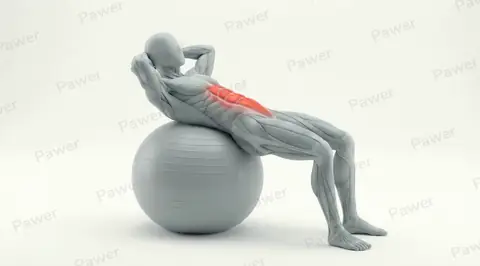 Abdominals Stretch Variation FourStability ball
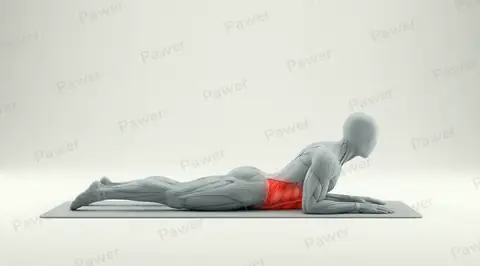 Abdominals Stretch Variation OneBodyweight
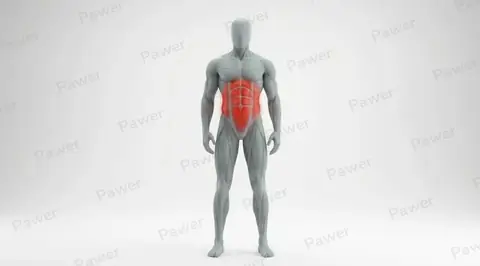 Abdominals Stretch Variation ThreeBodyweight
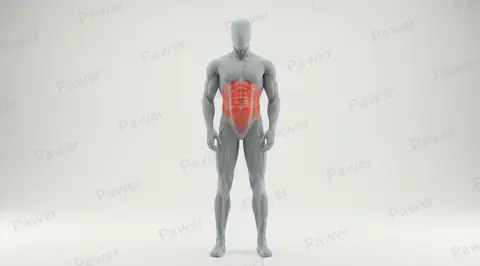 Abdominals Stretch Variation TwoBodyweight
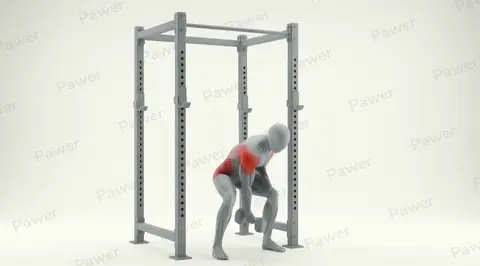
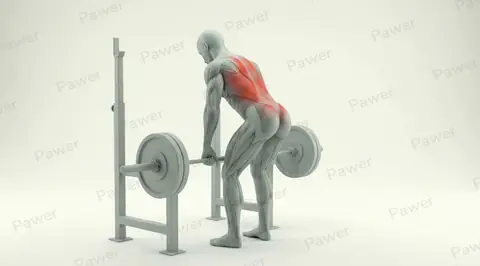 Barbell Rack PullBarbell
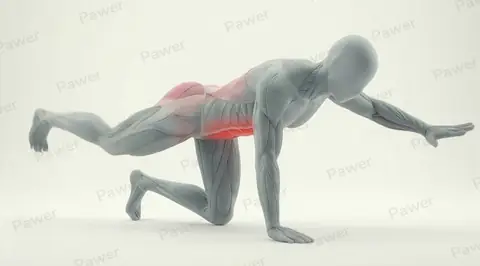 Bird DogBodyweight
 Bodyweight DeadliftBodyweight
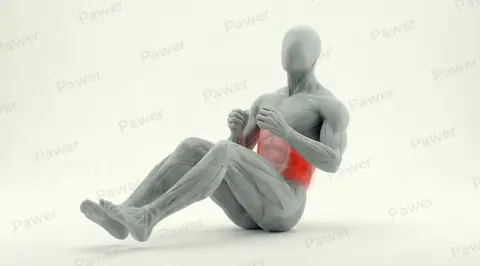 Bodyweight Russian TwistBodyweight
 Bodyweight Spinal Jefferson CurlBodyweight
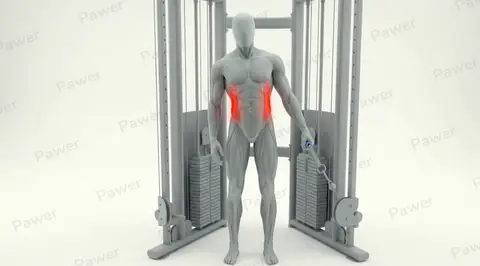 Cable Side BendCable
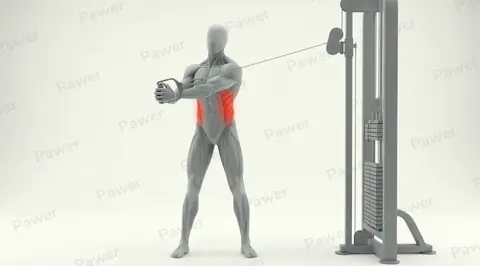 Cable Wood ChopperCable
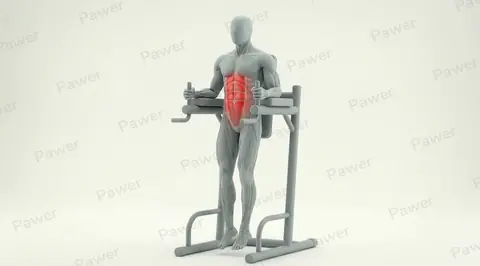 Captain's Chair Knee RaiseBodyweight
- Dead BugBodyweight
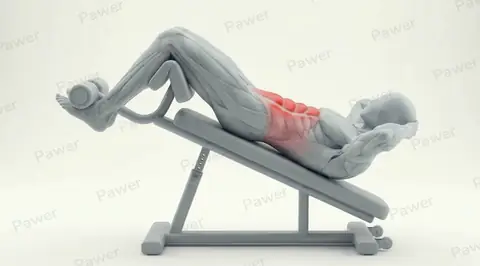 Decline CrunchBodyweight
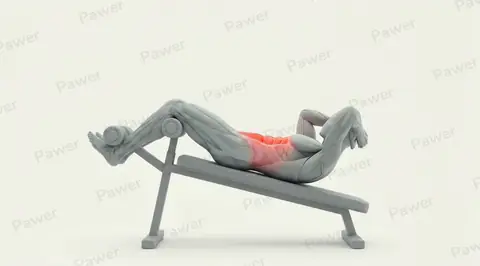 Decline Sit-UpBodyweight
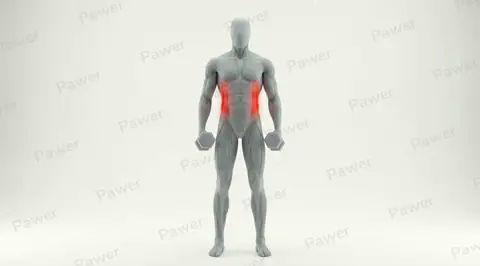 Dumbbell Side BendDumbbell
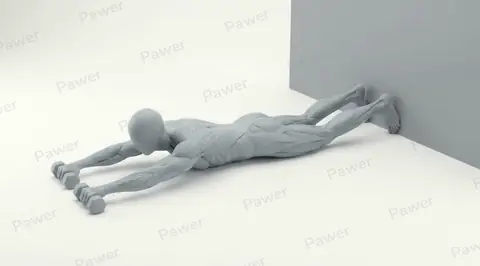 Dumbbell SupermanDumbbell
- Elbow Side PlankBodyweight
- Front Plank on ElbowsBodyweight
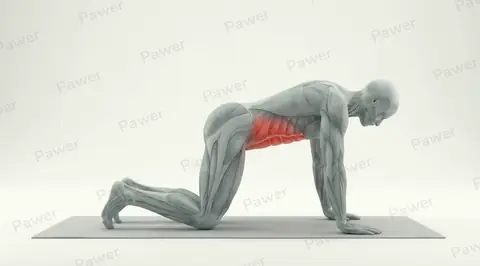 Hand PlankBodyweight
- Hanging Knee RaisesBodyweight
- Kneeling Cable CrunchCable
- Machine 45 Degree Back ExtensionMachine
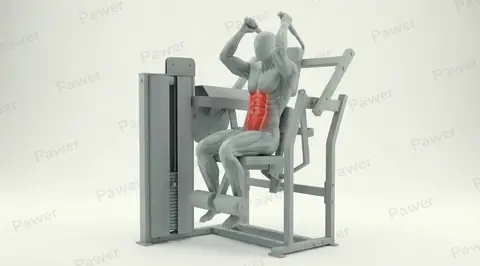 Machine CrunchMachine
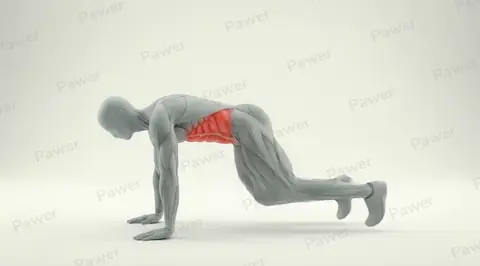 Mountain ClimberBodyweight
- Pallof PressCable · Resistance band
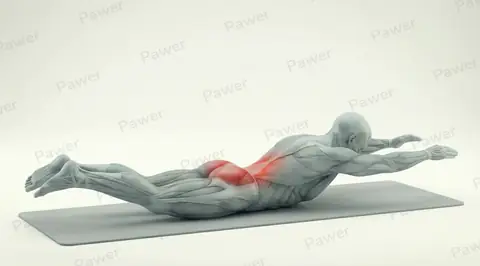 SupermansBodyweight
Intermediate Core Exercises14
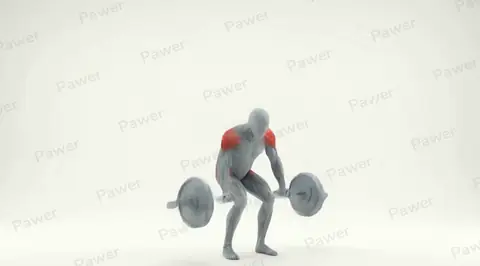
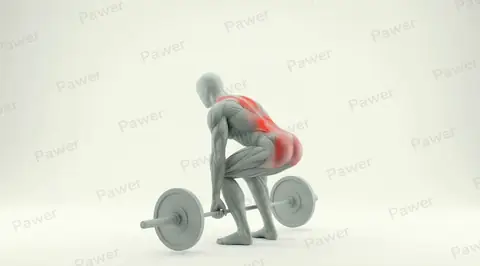 Barbell DeadliftBarbell
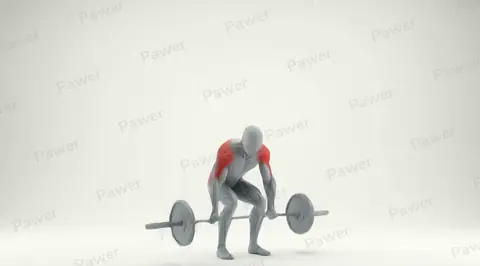 Barbell Muscle SnatchBarbell
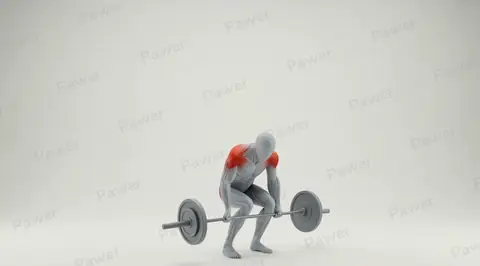 Barbell Power SnatchBarbell
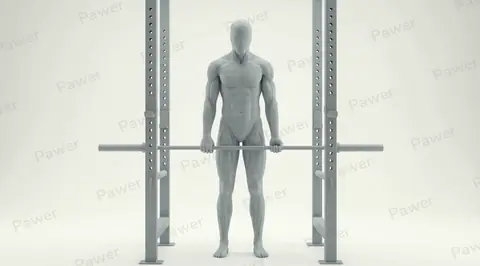 Barbell Spinal Jefferson CurlBarbell
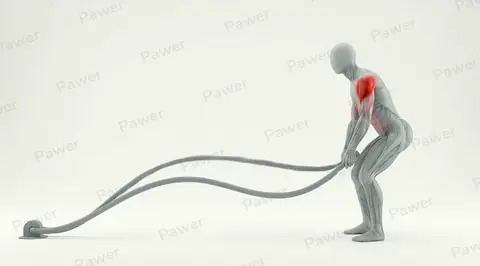 Battle RopesBattle ropes
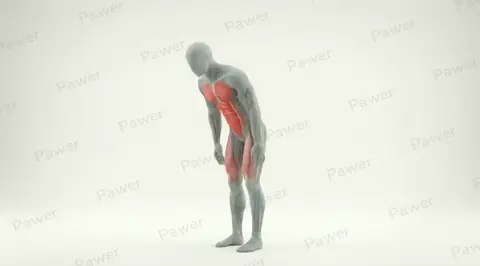 BurpeeBodyweight
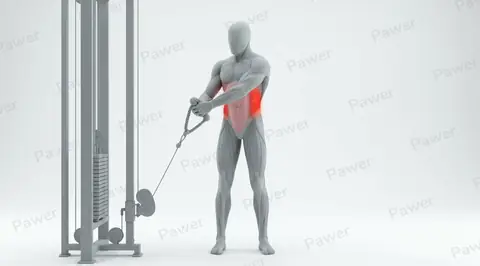 Cable Standing Low To High Wood ChopperCable
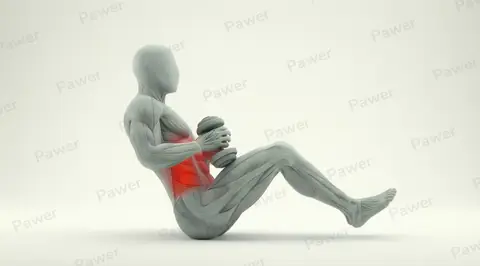 Dumbbell Russian TwistDumbbell
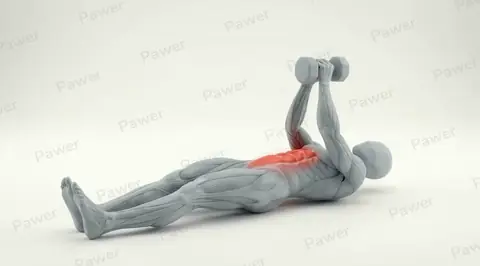 Dumbbell SitupDumbbell
 Dumbbell Spinal Jefferson CurlDumbbell
 Kettlebell Spinal Jefferson CurlKettlebell
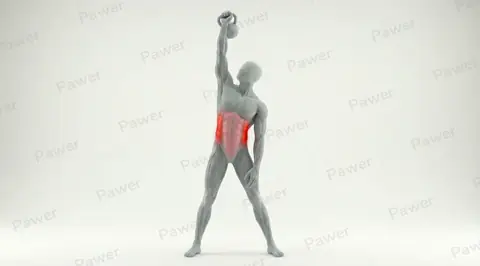
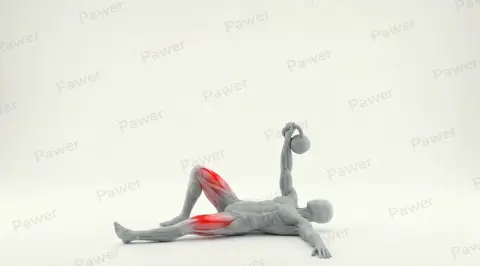 Kettlebell Turkish Get-UpKettlebell
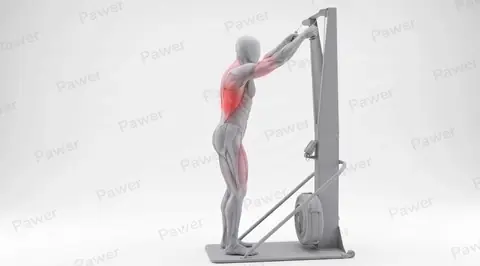 Ski ErgMachine
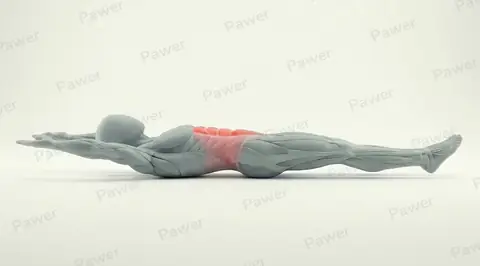 V-UpBodyweight
Advanced Core Exercises6
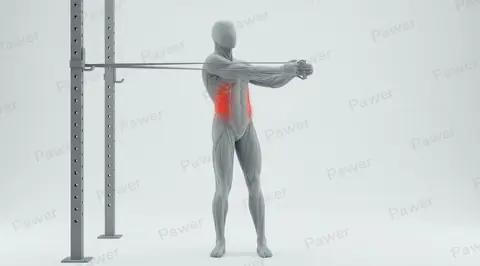
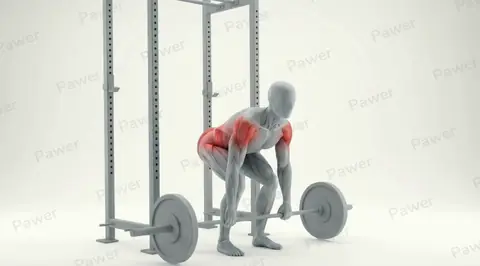
How to train your core: sets, reps and frequency
Train your core like any other muscle: pick a rep range, take sets close to failure, and make them harder over time. For most people, 6 to 12 hard sets of direct core work per week, spread over 2 or 3 sessions, is plenty on top of squats, deadlifts and overhead presses, which already make the trunk work hard.
Progress in this order: more reps or a longer hold, then a harder lever (bent knees to straight legs, elbows to hands), then added load. Once you can hold a plank for about 60 seconds in good position, more time does little, so switch to a harder variation.
Put demanding core work at the end of a session, not before heavy squats or deadlifts. Your trunk should be fresh when it has to brace under the bar.
| Goal | Sets | Reps | Rest | Frequency |
|---|---|---|---|---|
| Beginner foundation | 2 to 3 per exercise | 8 to 15, or 20 to 30 second holds | 45 to 60 seconds | 2 to 3 times per week |
| Ab size and definition | 3 to 4 per exercise | 8 to 15 with load | 60 to 90 seconds | 2 to 3 times per week |
| Stability and bracing | 2 to 4 per exercise | 6 to 10 slow reps per side, or 20 to 45 second holds | 45 to 60 seconds | 2 to 4 times per week |
| Strength for heavy lifting | 3 to 4 per exercise | 6 to 10 with load | 90 seconds to 2 minutes | 2 times per week |
| Rotational power for sport | 3 to 4 per exercise | 5 to 8 fast reps per side | 60 to 90 seconds | 2 times per week |
Sample core workouts for the gym, home and beginners
Pick the workout that matches your equipment and run it 2 or 3 times per week, either after your main lifts or as a short standalone session. The home workout uses bodyweight core exercises only. Add reps or load each week before you add sets.
| Workout | Exercise | Sets | Reps | Rest |
|---|---|---|---|---|
| Gym | Hanging Knee Raises | 3 | 10 to 15 | 60 seconds |
| Gym | Kneeling Cable Crunch | 3 | 10 to 15 | 60 seconds |
| Gym | Pallof Press | 3 | 10 per side | 45 seconds |
| Gym | Cable Wood Chopper | 2 | 10 per side | 45 seconds |
| Gym | Machine 45 Degree Back Extension | 2 | 12 to 15 | 60 seconds |
| Home (bodyweight) | Dead Bug | 3 | 8 per side | 45 seconds |
| Home (bodyweight) | V-Up | 3 | 8 to 12 | 60 seconds |
| Home (bodyweight) | Elbow Side Plank | 2 | 20 to 40 second hold per side | 30 seconds |
| Home (bodyweight) | Front Plank on Elbows | 2 | 30 to 45 second hold | 45 seconds |
| Home (bodyweight) | Supermans | 2 | 12 to 15 | 45 seconds |
| Beginner | Dead Bug | 2 | 6 per side | 45 seconds |
| Beginner | Bird Dog | 2 | 6 per side | 45 seconds |
| Beginner | Captain's Chair Knee Raise | 2 | 8 to 12 | 60 seconds |
| Beginner | Elbow Side Plank | 2 | 15 to 20 second hold per side | 30 seconds |
Common core training mistakes and how to fix them
Most core problems come from training it as an endurance chore instead of a muscle group. These are the habits that stall progress most often.
- Doing only crunches and sit-ups. That trains one job out of several, so add an anti-extension, an anti-rotation or side exercise, and some lower back work.
- Holding planks for minutes at a time. Once you can hold 60 seconds with good form, make the plank harder (longer lever, raised leg, added weight) instead of longer.
- Letting the lower back arch during planks, dead bugs and leg raises. Keep your ribs down and your pelvis slightly tucked, and shorten the range until you can hold that position.
- Swinging through hanging raises. Momentum and the hip flexors do the work, so pause at the bottom, curl the pelvis up at the top, and lower under control.
- Never adding load. Abs grow like any other muscle, so use cable crunches, machine crunches or a dumbbell once bodyweight sets pass about 15 to 20 reps.
- Expecting ab work to burn belly fat. Spot reduction does not work, so train the core for strength and size and handle fat loss through your overall diet.
Abs vs core: what is the difference?
Abs usually means the rectus abdominis, the muscle that shows as a six-pack. Core is broader: it adds the obliques, the transverse abdominis, the spinal erectors and, by most definitions, the diaphragm and pelvic floor. Some coaches include the glutes too. Anything that stiffens the trunk counts.
The difference matters for how you train. If your goal is how your abs look, prioritize loaded spinal flexion such as cable crunches and hanging raises. If your goal is performance or a strong, resilient back, lean on anti-movement work such as planks, dead bugs and the Pallof press, plus big lifts like the deadlift and the Turkish get-up that make your trunk brace under load. Most people should do some of both.
Frequently asked questions
What is the best core exercise?
There is no single best core exercise, because the core has several jobs. If you could only pick one, hanging knee raises are hard to beat: they train the abs through a long range, force your trunk to stay still while you hang, and progress all the way to toes to bar. Pair them with a side plank or Pallof press and you cover most of what the core needs.
Can you train your core every day?
You can, but you do not need to, and daily training rarely beats 2 or 3 focused sessions. Light bracing drills like dead bugs and bird dogs are fine most days. Hard, loaded ab work behaves like any other muscle work: if you take it close to failure, give it a day or two before repeating so you can actually add reps or load.
How do I work my lower abs?
Choose exercises that move your pelvis toward your ribs, like hanging knee raises, captain's chair knee raises and V-ups, and focus on tilting the pelvis up rather than just lifting your legs. The lower part of the rectus abdominis is not a separate muscle, so these still work the whole thing. The lower abs are also usually the last area to look lean, which is a body fat issue rather than a training one.
Do squats and deadlifts work your core?
Yes. Heavy squats and deadlifts force your trunk to brace hard to hold the spine in position, and the lower back works especially hard in the deadlift. What they do not do is take the abs through spinal flexion or train rotation much. They build a strong trunk but not maximal ab size, so most lifters do best with compound lifts plus a few sets of direct ab work.
Will core exercises give me a six-pack?
Core exercises build the muscles, but whether you can see them depends mostly on your body fat. You cannot burn fat from your stomach by training it: fat loss happens across the whole body when you eat in a calorie deficit. Training the abs with load does make them thicker, so they show earlier as you get leaner.
Are planks enough for core strength?
Planks are a good start but not enough on their own. They train anti-extension, one of several core jobs, and they stop being challenging once you can hold them comfortably. Add a flexion exercise such as cable crunches or hanging knee raises, a side or anti-rotation exercise, and some lower back work. Progress the plank itself to harder versions rather than longer holds.
Core exercises by equipment
Narrow the list to what you actually have to train with.