Ski Erg
 Anton YefanovUpdated
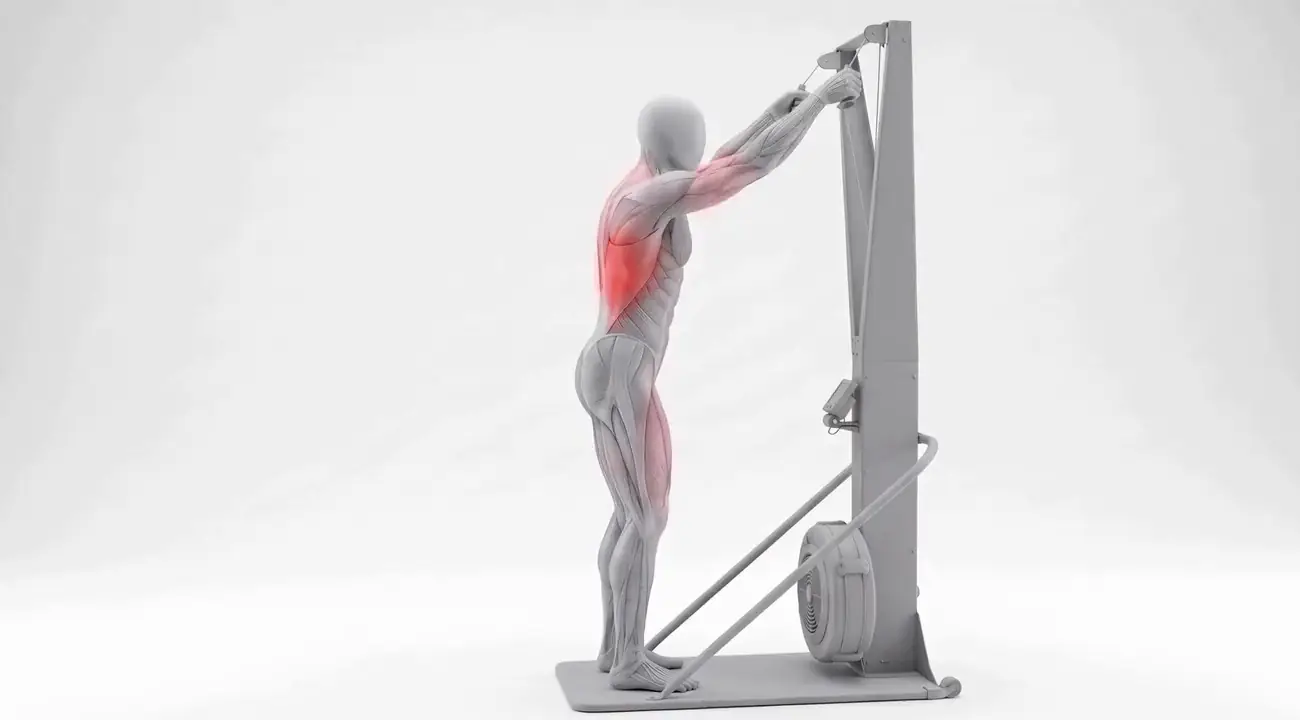
The ski erg reproduces the double-pole action of cross-country skiing. You start tall with the handles above eye level and elbows bent, then initiate by engaging the core and dropping the head, chest and shoulders so the arms follow rather than lead. The drive is a hip hinge and not a squat, and the core and lats generate the power.
Double poling runs a proximal to distal chain: trunk flexion first, then shoulder extension via latissimus dorsi and pectoralis major, then elbow extension via triceps, with rectus femoris and gluteus maximus contributing more as speed rises.
How to do the Ski Erg
- Stand about eighteen to twenty-four inches from the flywheel with your feet shoulder-width apart.
- Take a handle in each hand and raise them slightly above eye level with the elbows bent to about ninety degrees.
- Brace the core and start the drive by dropping the head, chest and shoulders so the arms follow.
- Push the hips back into a hinge and drive both handles down alongside your thighs.
- Finish with the knees bent and the arms extended by the hips, thumbs pointing toward the thighs.
- Stand back up and lift the arms into the next stroke, taking about twice as long as the drive.
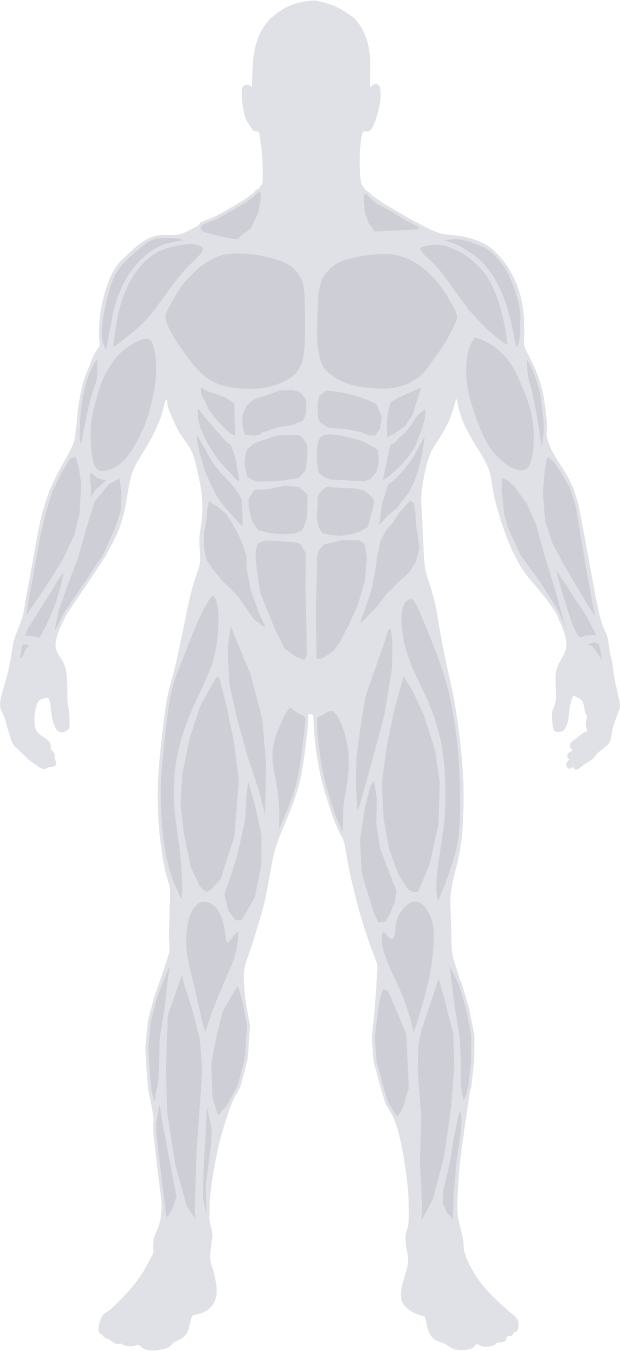
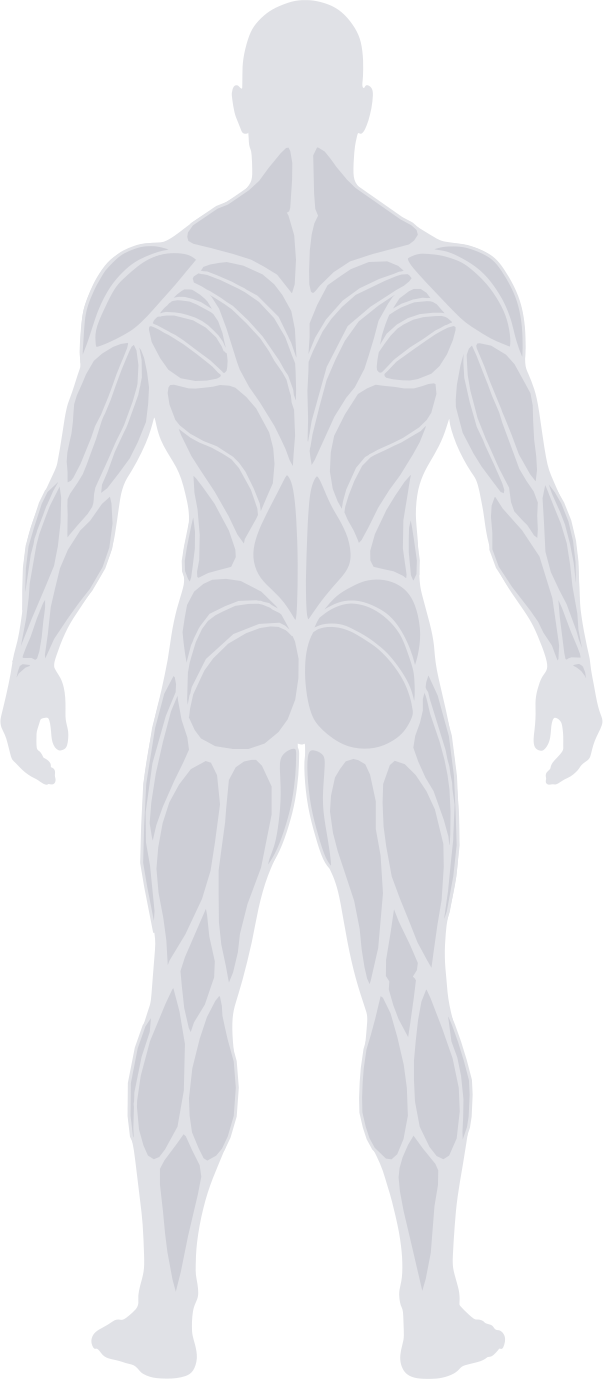
Muscles worked
Why train it
- One of very few cardio machines driven mainly by the upper body and trunk rather than the legs.
- Trains the same proximal to distal chain used in double poling, from trunk flexion to elbow extension.
- Non-impact and upright, so it loads the posterior chain without any landing forces.
Common mistakes
- Squatting instead of hinging, which takes the trunk out of the drive and leaves the arms to do the work.
- Pulling with the arms from the top, which starts the stroke with the weakest link in the chain.
- Bending the wrists or fully locking the arms at the finish, which stresses the joints with no added power.
- Rushing the recovery back to the top, which shortens the next stroke and drops power output.
Frequently asked questions
What muscles does the Ski Erg work?
The Ski Erg works the back, core, and triceps hardest, with the shoulders, chest, quads, and glutes pitching in. As cardio, though, the bigger demand is on your heart and lungs rather than any one muscle.
What equipment do I need for the Ski Erg?
Only a ski erg. Nothing beyond that is required to run the movement the way it is described above.
Is the Ski Erg suitable for beginners?
With some base fitness. The Ski Erg is rated intermediate: it assumes you can already hold 20 minutes or so of steady effort. Build that first with easier steady sessions, and the alternatives below are the easier way in.
Can I do the Ski Erg at home?
Only if your home setup runs to a ski erg. Most do not, so this is usually a gym session. The alternatives below cover the same muscles with kit you are more likely to have.
How long should I do the Ski Erg for?
20 to 45 minutes at a pace you could hold a conversation at, two or three times a week. Add time before you add speed or resistance.
What are good alternatives to the Ski Erg?
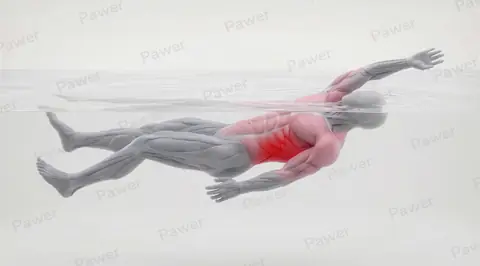
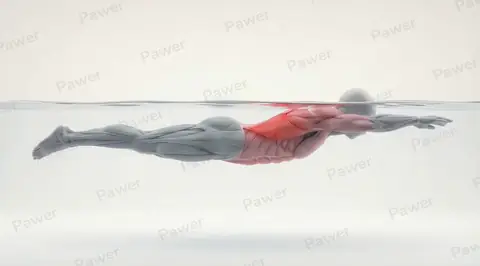
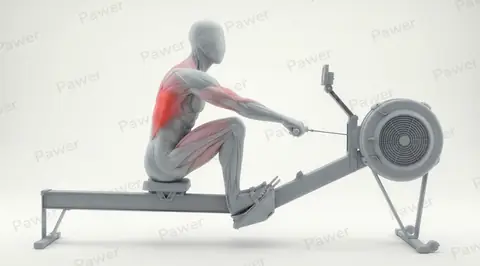
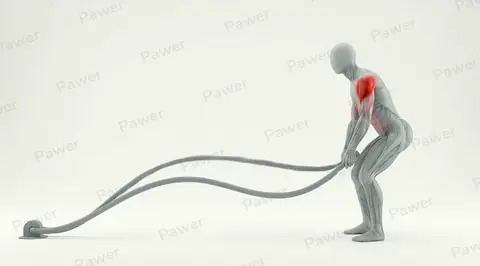
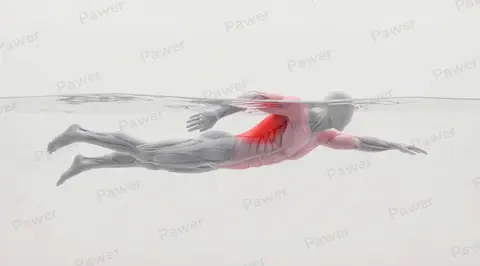
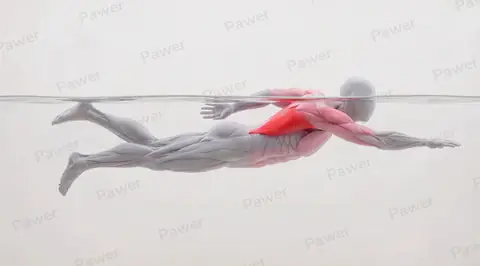
Backstroke Swim, Battle Ropes, and Man Maker train the same primary muscles as the Ski Erg. Pick whichever one suits the equipment in front of you.
Work out your Ski Erg weights
Estimate your max from a recent set, then find the weight for your next one.
- One Rep Max CalculatorTurn a recent set into an estimated max. Compare Epley, Brzycki and Lombardi, then read off your training percentages and every rep max from 2RM to 12RM.
- RPE CalculatorRate a set by effort, get an estimated max, and read off the weight for your next target. Includes a full RPE chart of percentages by reps and effort.
Similar exercises
By muscle
Every exercise is mapped to the muscles it trains. Browse by what you want to build.
By equipment
A full gym, a pair of dumbbells, or nothing at all: browse by what you have.