Glute Exercises
 Anton YefanovUpdated
The best glute exercises are the barbell hip thrust, the Romanian deadlift, the Bulgarian split squat and a hip abduction exercise such as the machine hip abduction. Between them they cover the three things your glutes do: drive the hip into extension, control your pelvis when you stand on one leg, and move the thigh out to the side.
The gluteus maximus is the largest muscle in the body. It powers sprinting, jumping, climbing and lifting anything off the floor, while the smaller gluteus medius and minimus keep your hips level with every step. A good glute workout trains both jobs, and most programs that stall only train one.
Use the picks below for a quick shortlist, then read on for the anatomy, a comparison of the main glute exercises, sets and reps, sample sessions for the gym and for home, and the mistakes that hold glute growth back. If you train without weights, the bodyweight glute exercises section shows how to make them hard enough to work.
Best Glute Exercises
These are the glute exercises worth building a program around, ranked. A strong week of training uses one thrust or bridge, one hinge or single-leg movement, and one abduction exercise.
No. 1Best Overall
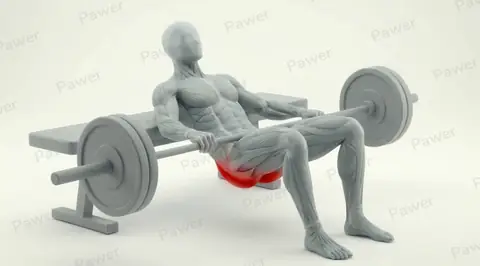
Barbell Hip Thrust
The hip thrust loads hip extension heavily with almost no balance or lower-back demand, and it is hardest at the top, where the glutes are fully contracted. It is easy to learn and easy to progress in small jumps. For most people training for glute size, it belongs in the program.
No. 2Best Stretch Under Load
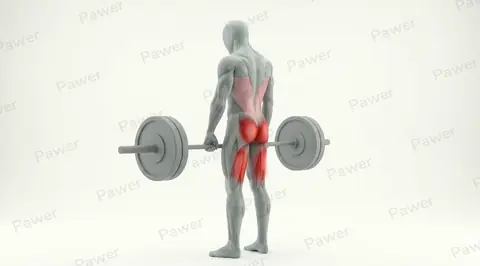
Barbell Romanian Deadlift
The Romanian deadlift loads the glutes and hamstrings while they lengthen under a heavy bar, the opposite end of the range from the hip thrust. Push your hips back, keep the bar close to your thighs, and stop when your hips stop moving back. Paired with a thrust, it covers the full range of hip extension.
No. 3Best Single-Leg Exercise
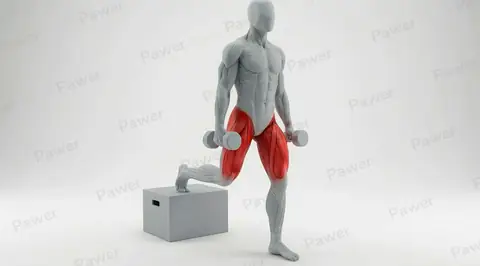
Dumbbell Bulgarian Split Squat
Take a longer stride and lean your torso slightly forward, and the Bulgarian split squat becomes one of the hardest glute exercises you can do. It trains the glute max through a deep hip bend and makes the glute medius work to keep your pelvis level. All it takes is a bench and two dumbbells.
No. 4Best for Side Glutes
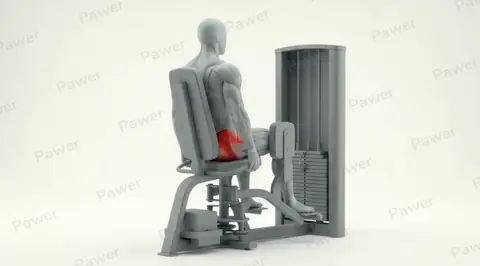
Machine Hip Abduction
Pressing the pads outward isolates the gluteus medius and minimus, the muscles on the upper outer hip that thrusts and squats barely load. It is simple, safe to take close to failure and easy to progress. Leaning your torso forward over the seat brings in more of the upper glute max.
No. 5Best for Beginners
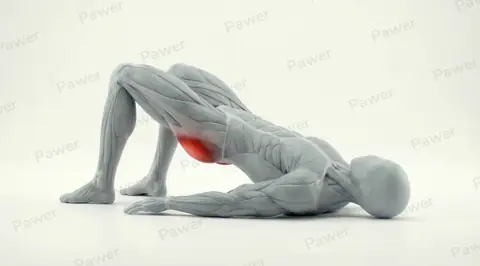
Glute Bridge
The glute bridge teaches you to extend the hips with the glutes rather than the lower back, and it needs only the floor. Squeeze at the top for a full second on every rep. When 20 slow reps feel easy, move on to the single-leg bridge or a loaded hip thrust.
No. 6Best Bodyweight Option
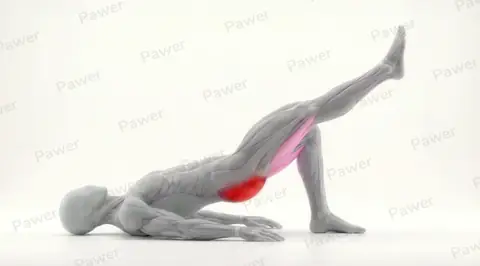
Single-Leg Hip Thrust
With your upper back on a bench or couch, one glute lifts your entire body weight through a longer range than a floor bridge. That is enough to challenge most people without any equipment. It also shows you quickly if one side is weaker than the other.
No. 7Best for Power
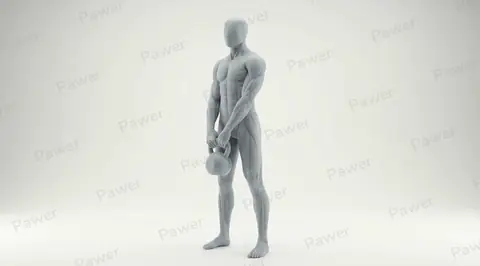
Kettlebell Swing
The swing trains the glutes to extend the hips explosively, the same action you use to jump and sprint. A single kettlebell gives you strength, power and conditioning in a few minutes. Snap your hips forward to move the bell rather than lifting it with your arms.
No. 8Best Cable Isolation
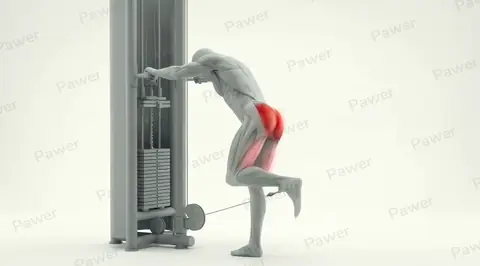
Cable Kickback
The cable keeps tension on the glute through the whole kickback, and working one leg at a time lets you focus on each side. It is a useful finisher after your heavy lifts. Keep your torso still and stop when your hip is fully extended rather than arching your back to kick higher.
Glute anatomy: maximus, medius and minimus
Your glutes are three muscles layered over the back and side of the pelvis. The gluteus maximus is the large outer one that gives the backside its shape. It extends the hip (drives the thigh backward), rotates the thigh outward, and its upper fibers help lift the leg out to the side. The gluteus medius sits higher on the side of the hip, partly under the maximus, and the small gluteus minimus lies beneath the medius.
The medius and minimus abduct the hip and, more importantly, hold your pelvis level whenever you stand on one leg. That is why they work hard in lunges, step-ups and single-leg hinges even though those look like front-to-back movements. Thrusts and hinges build the maximus; abduction and single-leg work build the medius and minimus.
It also helps to think about where in the range an exercise is hardest. Thrusts and bridges load the glute max at the top, when it is short. Romanian deadlifts and split squats load it at the bottom, when it is stretched. Training both positions gives you the most complete development.
| Part | What it does | Best exercises |
|---|---|---|
| Gluteus maximus, stretched position | Extends the hip out of a deep bend, as when you stand up from a squat or hinge | Barbell Romanian Deadlift, Dumbbell Bulgarian Split Squat, Deficit Dumbbell Romanian Deadlift |
| Gluteus maximus, shortened position | Finishes hip extension and locks the hips out | Barbell Hip Thrust, Glute Bridge, Cable Kickback |
| Gluteus medius | Lifts the leg to the side and keeps the pelvis level on one leg | Machine Hip Abduction, Cable Hip Abduction, Kettlebell Alternating Curtsy Lunge |
| Gluteus minimus | Assists the medius with abduction and hip stability | Bodyweight Hip Abduction, Band Hip Abduction, Single Legged Romanian Deadlifts |
Glute exercises compared: thrusts, hinges, lunges and abduction
The most useful way to compare glute exercises is by where each one is hardest. Hip thrusts, bridges and kickbacks challenge the glutes most at the top. Romanian deadlifts and split squats challenge them most at the bottom, in a stretch. You will build fuller glutes by including at least one of each every week than by picking a single favorite.
Equipment then narrows the list. With a barbell, the hip thrust and Romanian deadlift are the core. With machines and cables, the machine hip thrust, cable pull-through and hip abduction give the same coverage with less setup. With nothing at all, single-leg bridges, thrusts and split squats do the job.
| Exercise | Equipment | Difficulty | Best for | Hardest point |
|---|---|---|---|---|
| Barbell Hip Thrust | Barbell | Intermediate | Glute size and lockout strength | Top, hips fully extended |
| Barbell Romanian Deadlift | Barbell | Intermediate | Glutes and hamstrings together | Bottom, in a deep stretch |
| Dumbbell Bulgarian Split Squat | Dumbbell | Intermediate | Single-leg strength and hip control | Bottom |
| Machine Hip Thrust | Machine | Beginner | Thrusting without a barbell setup | Top |
| Cable Pull Through | Cable | Beginner | Learning the hinge with little back strain | Top half |
| Kettlebell Swing | Kettlebell | Intermediate | Power and conditioning | The hip snap |
| Reverse Hyperextension | Bodyweight | Intermediate | Hip extension with little spinal load | Top |
| Machine Hip Abduction | Machine | Beginner | Glute medius isolation | Legs fully apart |
| Cable Kickback | Cable | Beginner | Single-leg isolation finisher | Leg extended behind you |
| Glute Bridge | Bodyweight | Beginner | Learning hip extension | Top |
All 101 Glute Exercises
All 101 glute exercises in the library, grouped by difficulty. Each one has a video, step-by-step form and the muscles it works.
Beginner Glute Exercises48
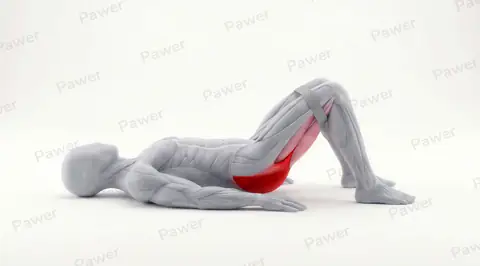 Band Glute BridgeResistance band
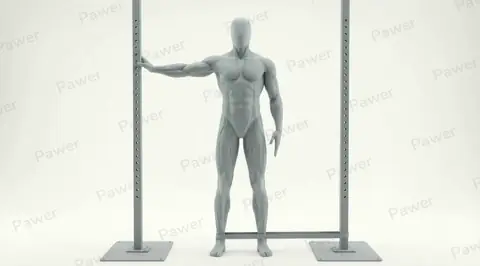 Band Hip AbductionResistance band
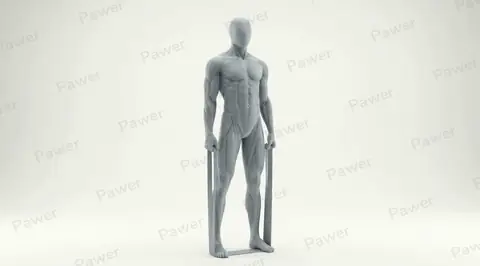 Band Romanian DeadliftResistance band
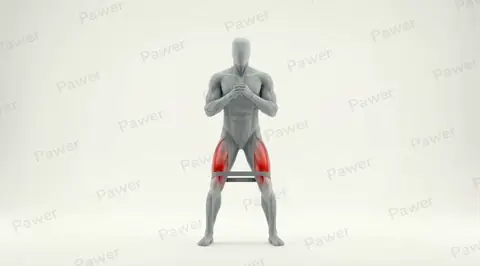 Band SquatResistance band
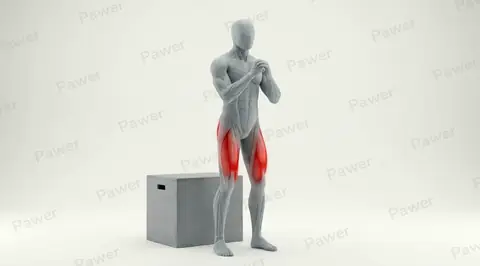 Bodyweight Box SquatBodyweight
 Bodyweight Hip AbductionBodyweight
 Bodyweight Reverse LungeBodyweight
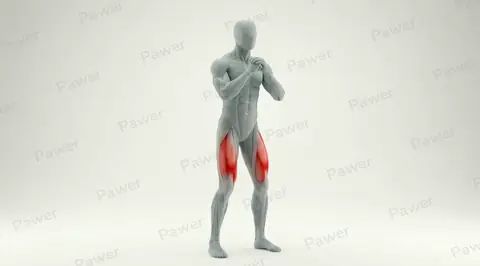 Bodyweight SquatBodyweight
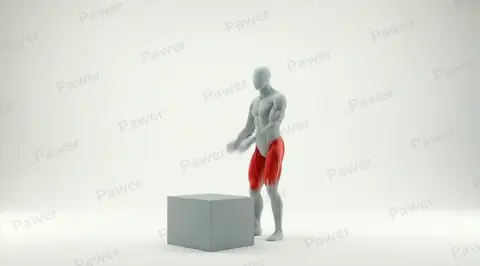 Box JumpBodyweight
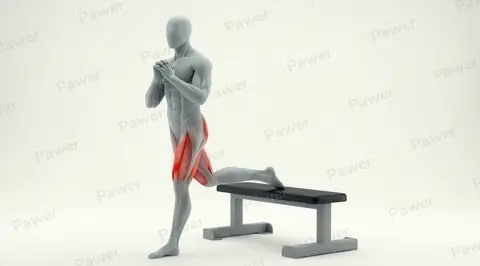 Bulgarian Split SquatBodyweight
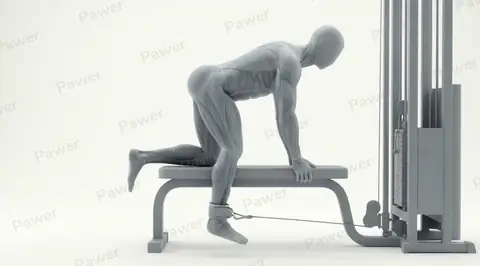 Cable Bench Straight Leg KickbackCable
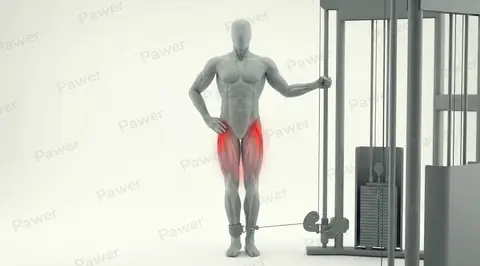 Cable Hip AbductionCable
- Cable KickbackCable
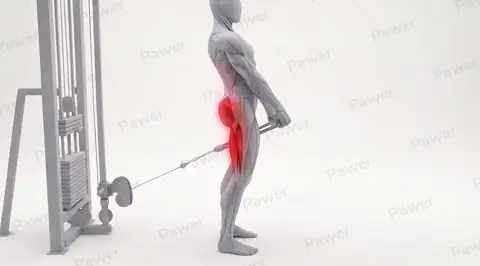 Cable Pull ThroughCable
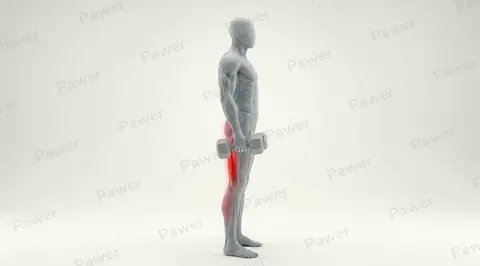 Dumbbell DeadliftDumbbell
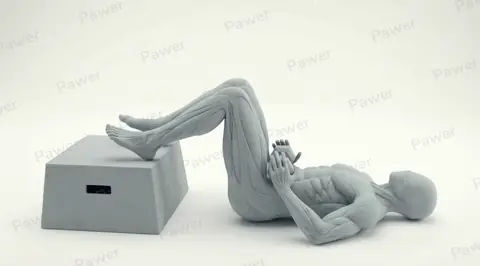 Dumbbell Feet Elevated Glute BridgeDumbbell
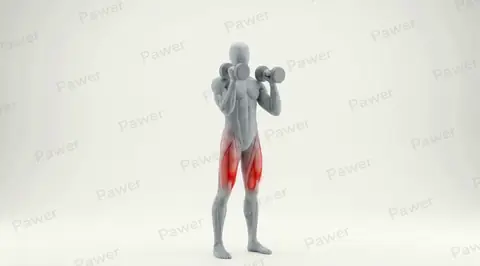 Dumbbell Front SquatDumbbell
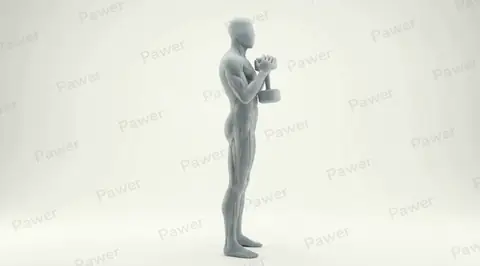 Dumbbell Goblet Forward LungeDumbbell
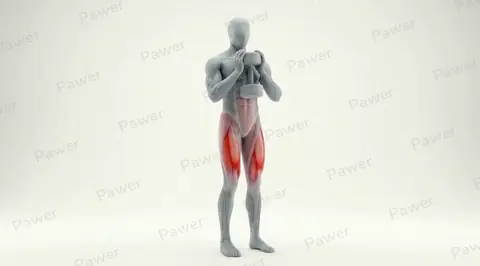 Dumbbell Goblet Reverse LungeDumbbell
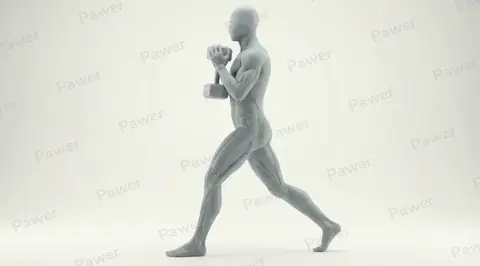 Dumbbell Goblet Split SquatDumbbell
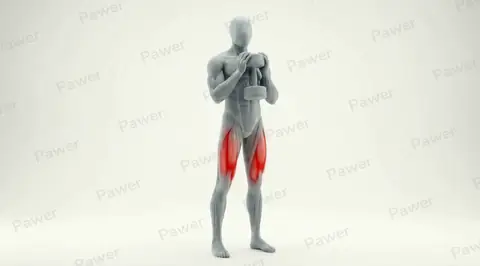 Dumbbell Goblet SquatDumbbell
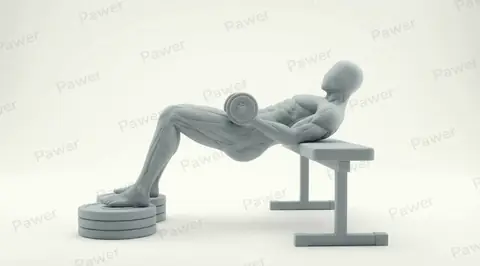 Dumbbell Heels Elevated Hip ThrustDumbbell
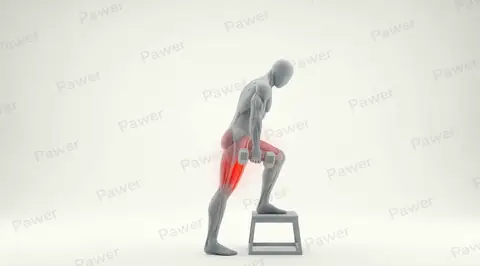 Dumbbell Step-Up (Low)Dumbbell
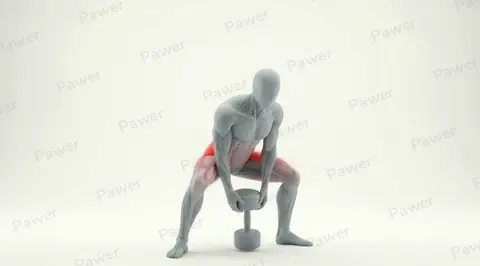 Dumbbell Sumo SquatDumbbell
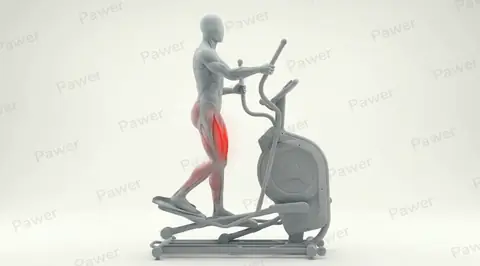 EllipticalMachine
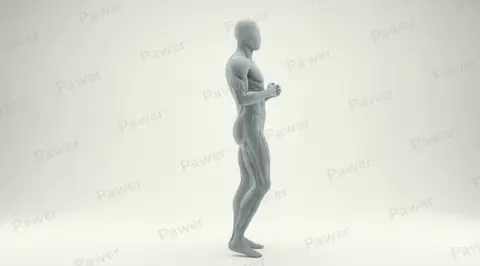 Forward LungeBodyweight
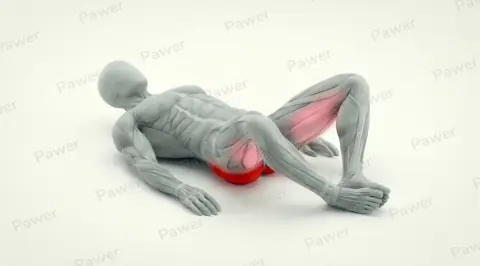 Frog PumpBodyweight
- Glute BridgeBodyweight
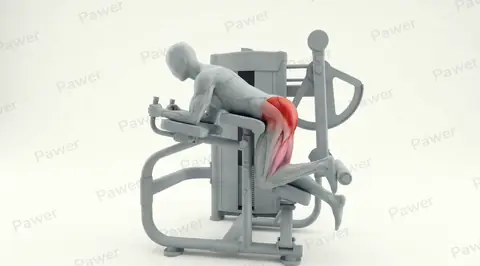 Glute Kickback MachineMachine
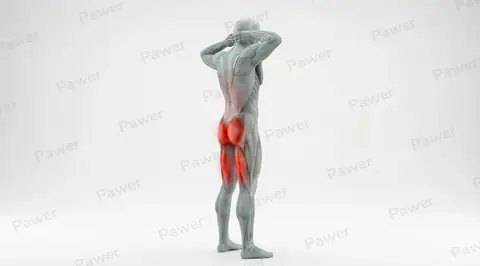 Good MorningsBodyweight
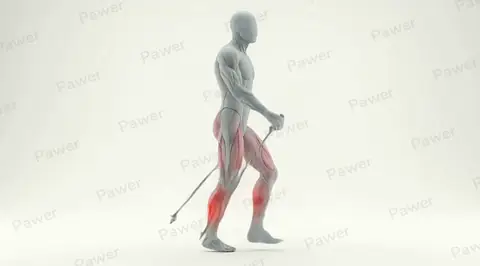 HikingBodyweight
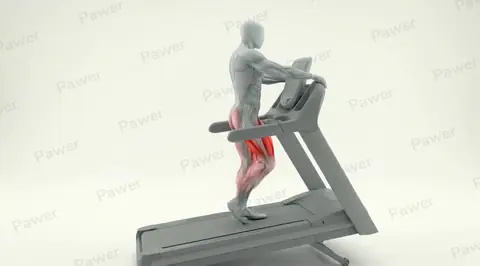 Incline Treadmill WalkMachine
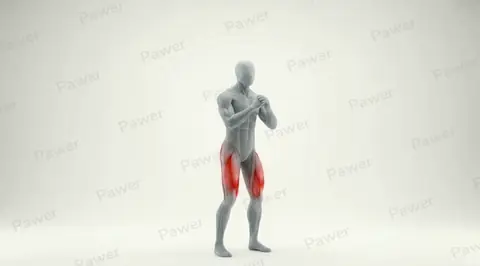 Jump SquatsBodyweight
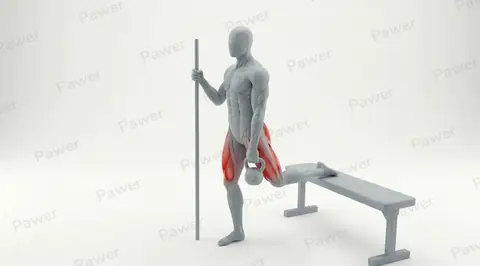 Kettlebell Assisted Bulgarian Split SquatKettlebell
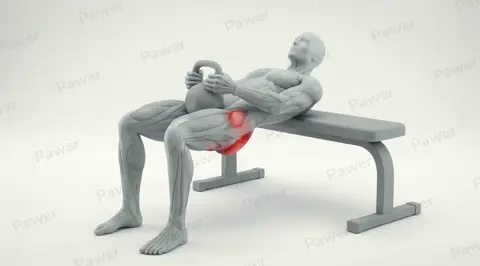 Kettlebell Hip ThrustKettlebell
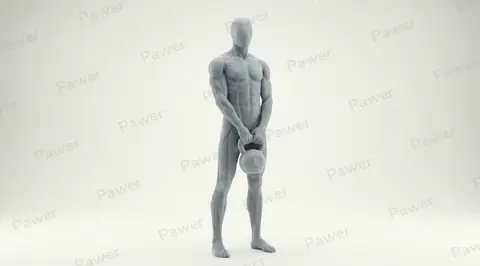 Kettlebell Romanian DeadliftKettlebell
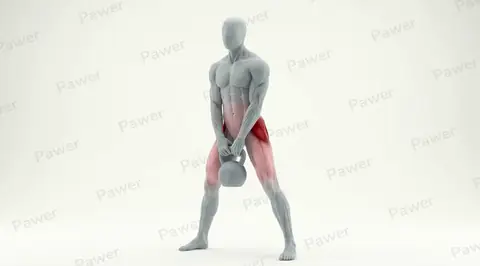 Kettlebell Sumo DeadliftKettlebell
- Machine Hip AbductionMachine
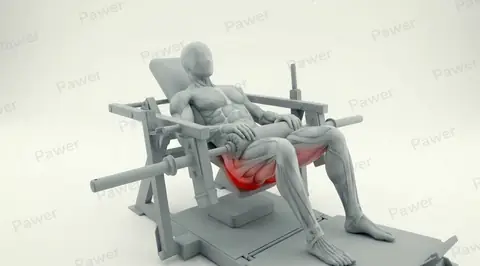 Machine Hip ThrustMachine
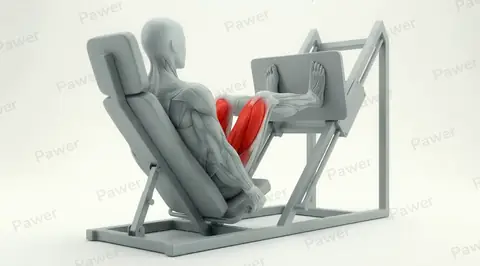 Machine Leg PressMachine
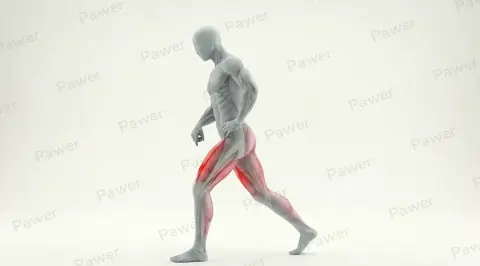 Running CooldownBodyweight
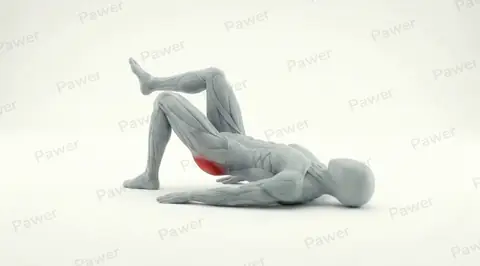 Single Leg Glute BridgeBodyweight
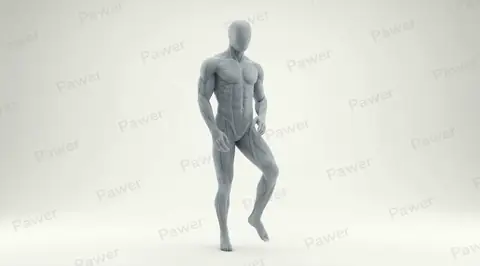 Single Legged Romanian DeadliftsBodyweight
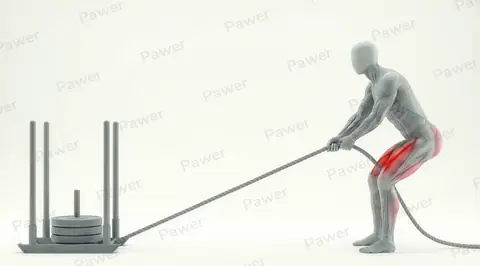 Sled PullSled
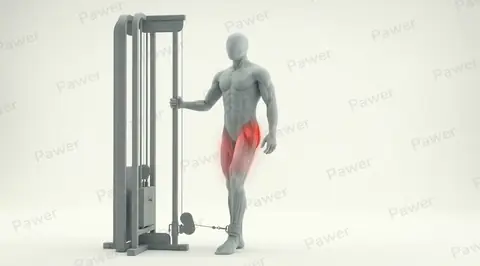 Standing Cable Hip AbductionCable
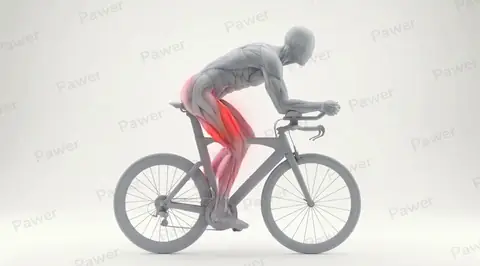 Steady State RideBicycle
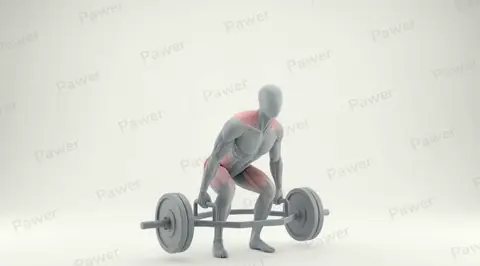 Trap Bar DeadliftBarbell
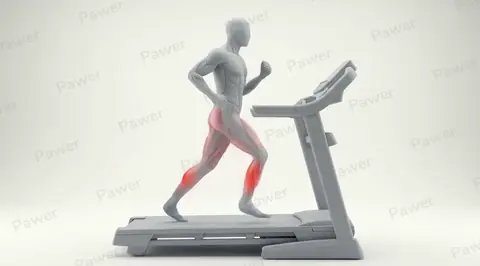 Treadmill RunMachine
Intermediate Glute Exercises42
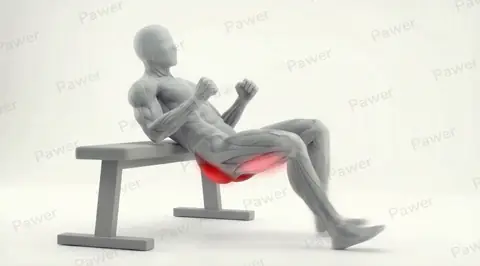 B-Stance Hip ThrustBodyweight
- Barbell Hip ThrustBarbell
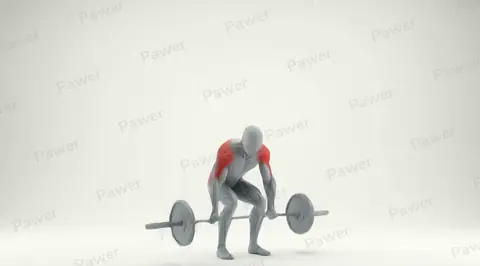 Barbell Muscle SnatchBarbell
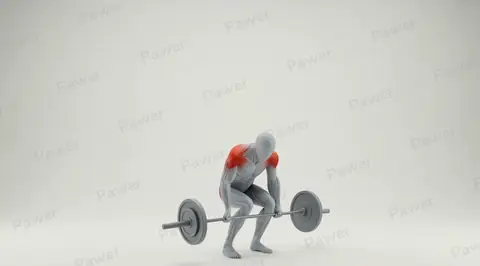 Barbell Power SnatchBarbell
- Barbell Romanian DeadliftBarbell
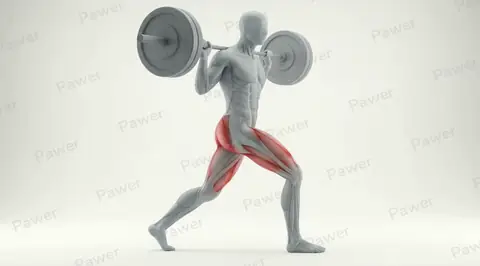 Barbell Split SquatBarbell
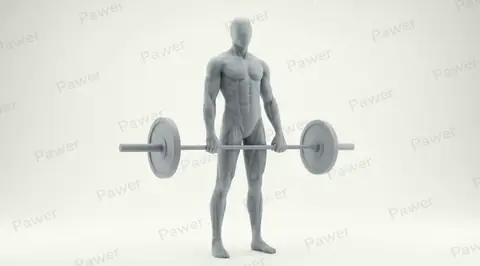 Barbell Stiff Leg DeadliftsBarbell
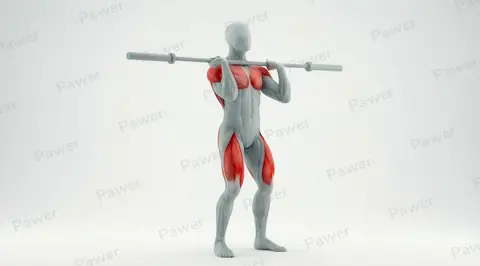 Barbell ThrusterBarbell
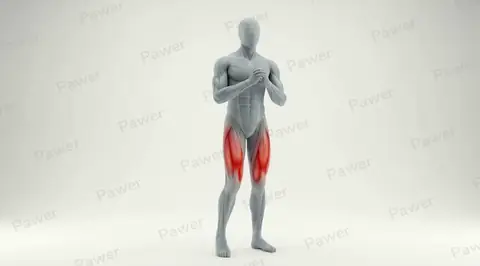 Bodyweight Alternating Lateral LungeBodyweight
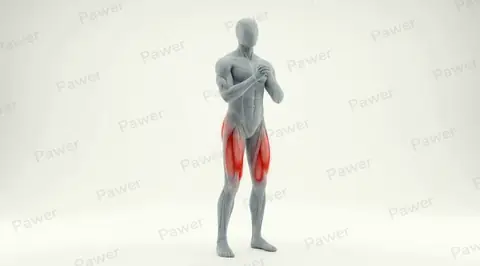 Bodyweight Alternating Reverse LungesBodyweight
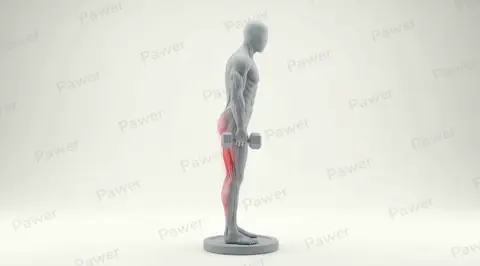 Deficit Dumbbell Romanian DeadliftDumbbell
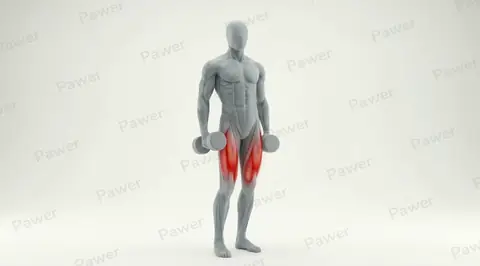 Dumbbell Alternating Forward LungeDumbbell
- Dumbbell Bulgarian Split SquatDumbbell
 Dumbbell Cross Body Romanian DeadliftDumbbell
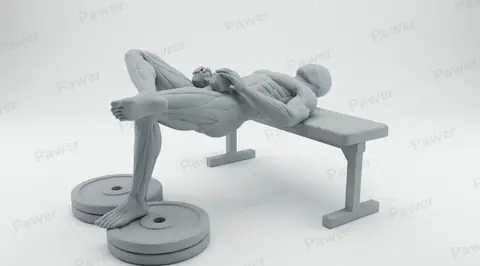 Dumbbell Figure Four Heels Elevated Hip ThrustDumbbell
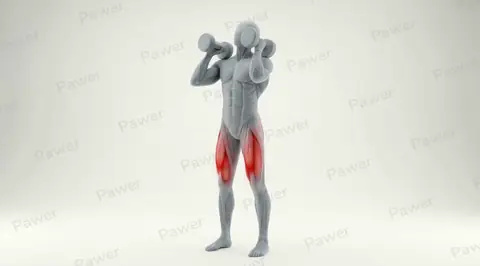 Dumbbell Front Squat (Tempo)Dumbbell
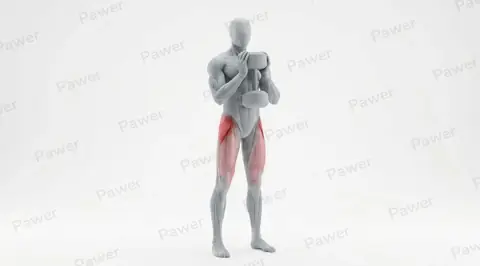 Dumbbell Goblet Alternating Curtsy LungeDumbbell
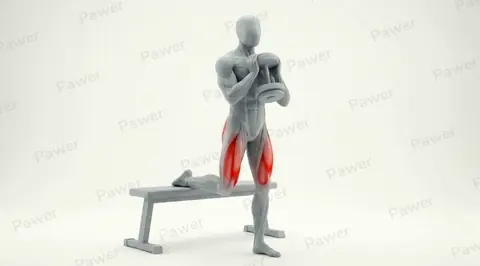 Dumbbell Goblet Bulgarian Split SquatDumbbell
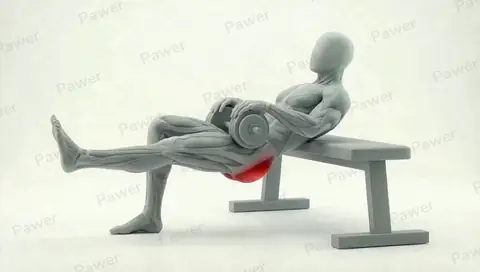 Dumbbell Single Leg Hip ThrustDumbbell
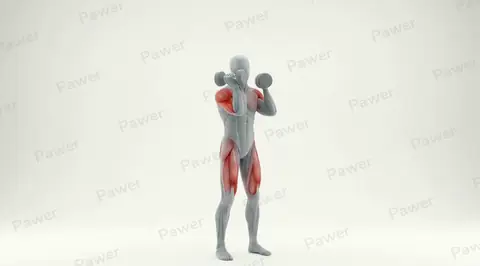 Dumbbell ThrusterDumbbell
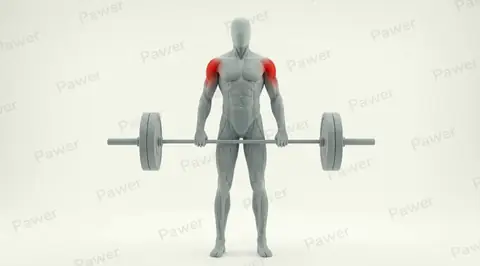 Hang CleanBarbell
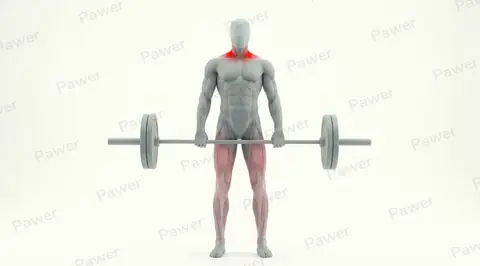 Hang Power CleanBarbell
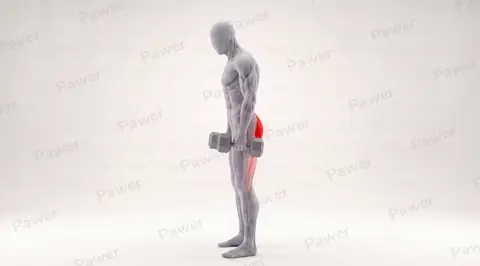 Hip Hinge Speed Romanian DeadliftDumbbell
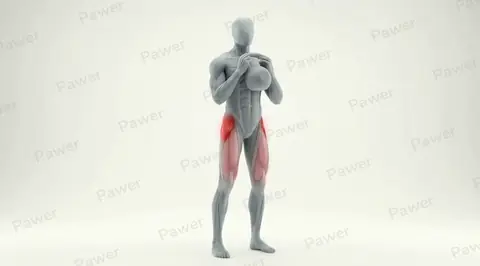 Kettlebell Alternating Curtsy LungeKettlebell
- Kettlebell SwingKettlebell
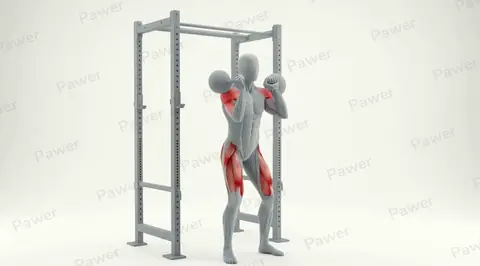 Kettlebell ThrusterKettlebell
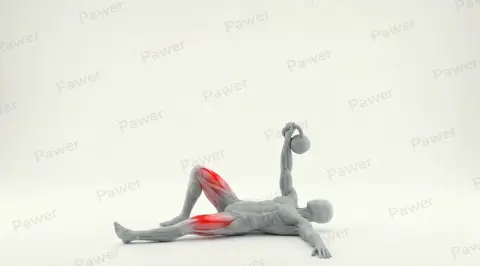 Kettlebell Turkish Get-UpKettlebell
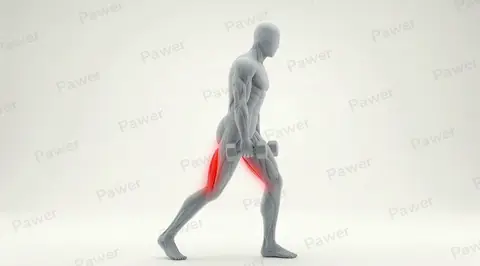 Kickstand Dumbbell Romanian DeadliftDumbbell
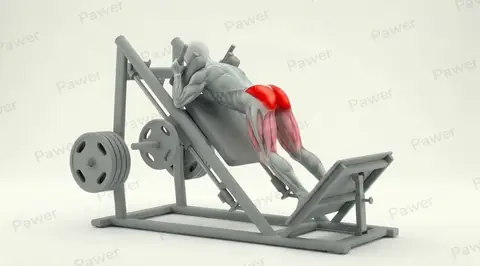 Reverse Hack SquatMachine
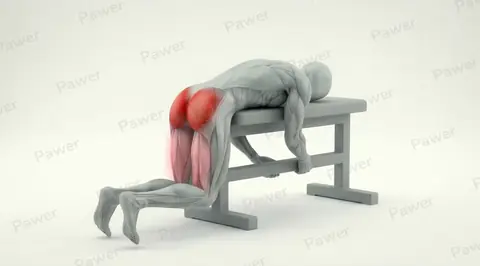 Reverse HyperextensionBodyweight
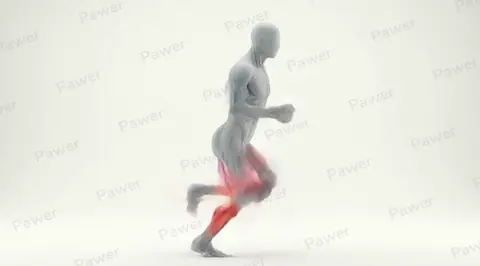 Running IntervalsBodyweight
- Single-Leg Hip ThrustBodyweight
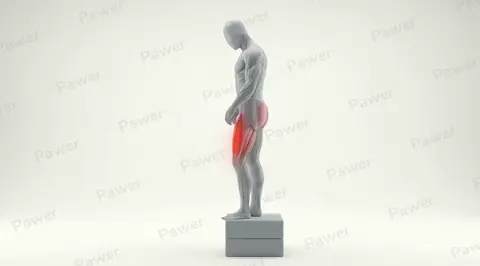 Single-Leg Step-DownBodyweight
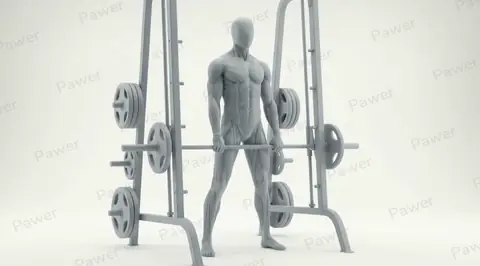 Smith Machine Sumo Romanian DeadliftMachine
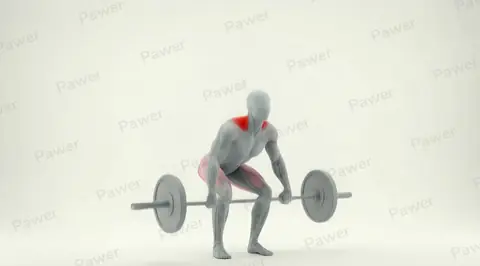 Snatch PullBarbell
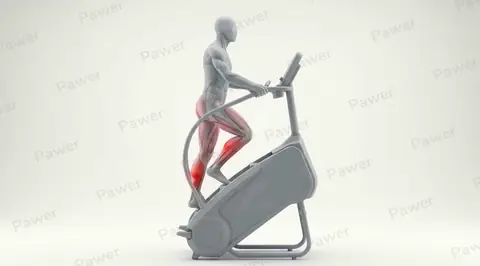 Stair ClimberMachine
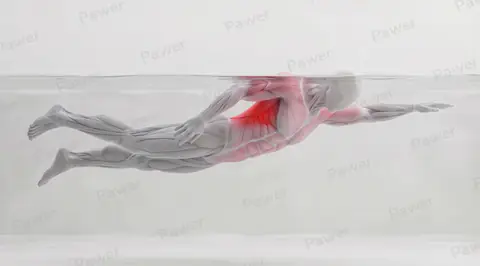 Swim Kick DrillBodyweight
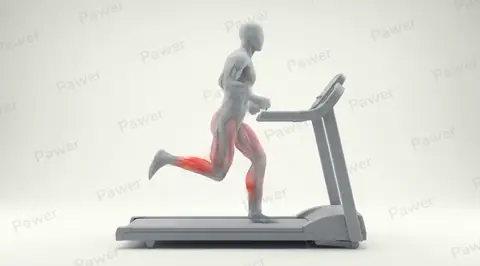 Tempo RunMachine
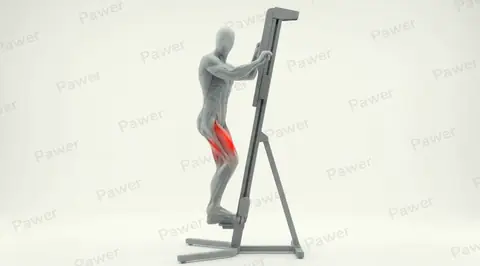 VersaClimberMachine
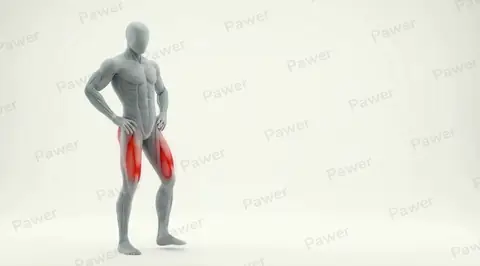 Walking LungeBodyweight
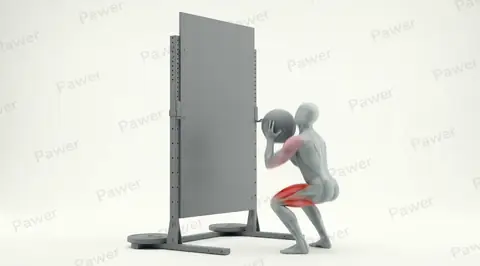 Wall BallBodyweight
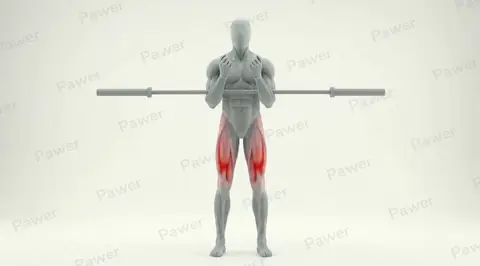 Zercher SquatBarbell
Advanced Glute Exercises11
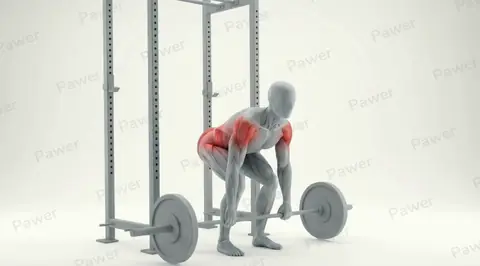 Barbell Clean And PressBarbell
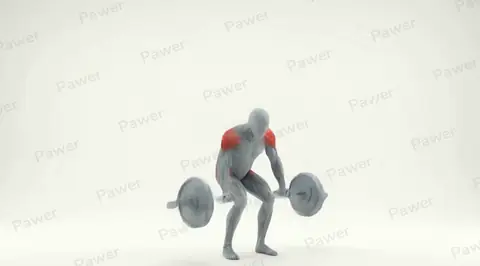 Barbell SnatchBarbell
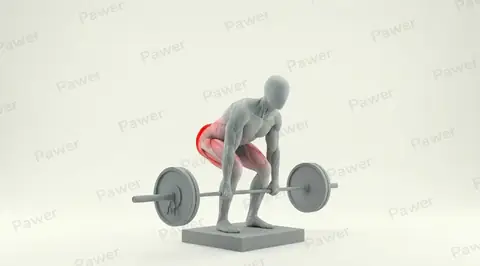 Deficit DeadliftBarbell
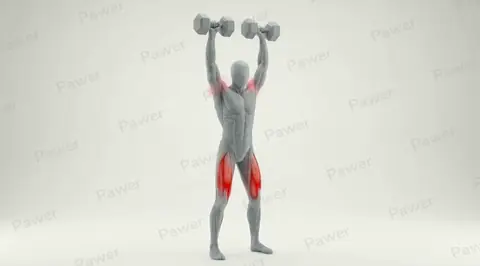 Dumbbell Overhead SquatDumbbell
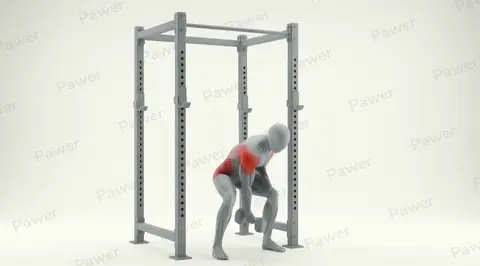 Dumbbell Single Arm Clean And PressDumbbell
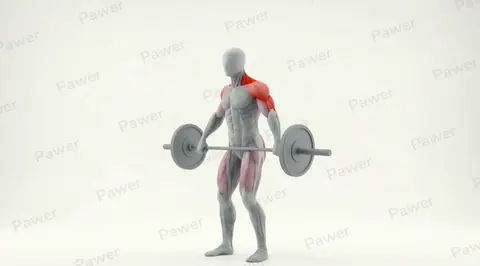 Hang SnatchBarbell
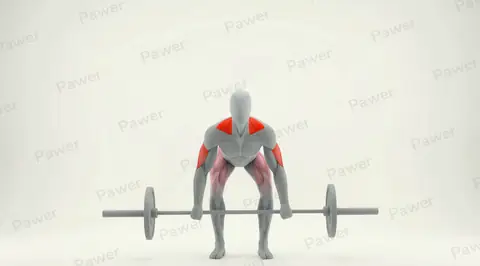 Power Clean - no overhead pressBarbell
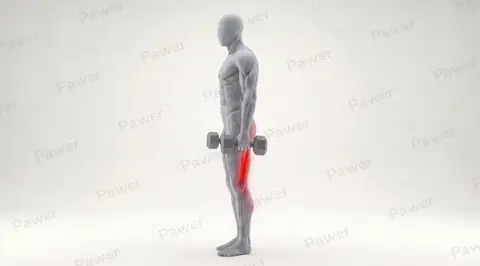 Single-Leg Dumbbell Romanian DeadliftDumbbell
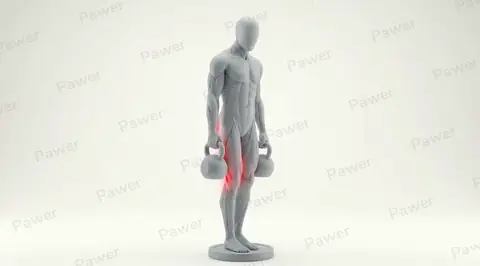 Single-Leg Dumbbell Romanian Deadlift (Deficit)Dumbbell
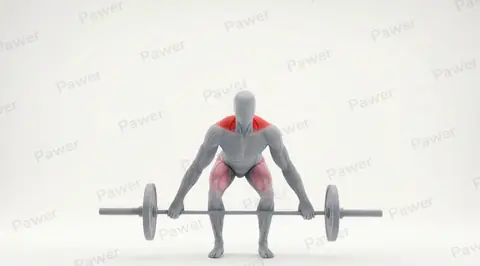 Snatch-Grip DeadliftBarbell
 Trail RunBodyweight
How to train glutes: sets, reps and weekly volume
The glutes recover well and work in almost every lower-body exercise, so they handle frequent training. Two to three sessions a week with 10 to 20 hard sets in total works for most people, and squats, lunges and deadlifts count toward that number. If your program already includes heavy squats and hinges, 6 to 10 sets of direct glute work on top is often enough.
Match reps to the exercise. Heavy thrusts and Romanian deadlifts work well in the 6 to 12 range. Abduction, kickbacks and bodyweight bridges suit 12 to 20 or more, because small, stable movements need more reps to reach real effort. Pause for one to two seconds at the top of every thrust and bridge so the glutes, not momentum, finish the rep.
Progress the hip thrust by adding load. Progress bodyweight and single-leg work by range, tempo and pauses before adding weight. Logging your sets matters here: glute exercises are easy to progress in small steps, but only if you know what you did last week.
| Goal | Sets | Reps | Rest | Frequency |
|---|---|---|---|---|
| Strength | 3 to 5 per main lift | 4 to 8 | 2 to 3 minutes | 2 times per week |
| Muscle size | 3 to 4 per exercise, 10 to 20 per week | 8 to 15, up to 20 for abduction | 60 seconds to 2 minutes | 2 to 3 times per week |
| Power | 4 to 6 | 5 to 10 explosive reps | 60 to 90 seconds | 1 to 2 times per week |
| Bodyweight and endurance | 2 to 4 | 15 to 30 | 30 to 60 seconds | 2 to 4 times per week |
Sample glute workouts: barbell, machines and bodyweight
Each session opens with the heaviest hip extension exercise, follows with a stretch-focused or single-leg movement, and finishes with abduction. Run one twice a week alongside your normal squats, or use it as your full lower-body day if glutes are the priority. Rest at least a day between sessions.
| Workout | Exercise | Sets | Reps | Rest |
|---|---|---|---|---|
| Barbell | Barbell Hip Thrust | 4 | 6 to 10 | 2 minutes |
| Barbell | Barbell Romanian Deadlift | 3 | 8 to 10 | 2 minutes |
| Barbell | Dumbbell Bulgarian Split Squat | 3 | 8 to 12 per leg | 90 seconds |
| Barbell | Cable Hip Abduction | 3 | 12 to 15 per side | 60 seconds |
| Machines and cables | Machine Hip Thrust | 3 | 10 to 12 | 90 seconds |
| Machines and cables | Machine Leg Press | 3 | 10 to 15, feet high and wide | 90 seconds |
| Machines and cables | Cable Pull Through | 3 | 12 to 15 | 60 seconds |
| Machines and cables | Glute Kickback Machine | 2 | 12 to 15 per leg | 60 seconds |
| Machines and cables | Machine Hip Abduction | 3 | 15 to 20 | 60 seconds |
| Bodyweight | Single-Leg Hip Thrust | 3 | 12 to 15 per leg | 60 seconds |
| Bodyweight | Bulgarian Split Squat | 3 | 10 to 12 per leg | 90 seconds |
| Bodyweight | Single Legged Romanian Deadlifts | 3 | 10 per leg | 60 seconds |
| Bodyweight | Frog Pump | 2 | 20 to 30 | 45 seconds |
| Bodyweight | Bodyweight Hip Abduction | 2 | 15 to 20 per side | 45 seconds |
Glute training mistakes that hold back results
These are the habits that most often leave people training hard without seeing their glutes change.
- Arching your back to finish a hip thrust. Driving the last few inches with your lower back takes the work off the glutes. Tuck your chin, keep your ribs down, and stop when your hips are in line with your torso.
- Doing only thrusts and bridges. These challenge the glutes at the top of the range and leave the stretched position untrained. Add a Romanian deadlift or split squat, plus an abduction exercise for the glute medius.
- Letting the quads take over squats and lunges. A short stance and very upright torso make these quad-dominant. For more glute work, take a longer lunge stride, lean slightly forward, and squat to full depth.
- Rushing high-rep band work. Fifty fast band reps rarely come close to failure. Use a band or cable that makes 15 to 20 slow reps hard, and hold the end position briefly on each one.
- Skipping single-leg work. Two-legged lifts let a stronger side cover for a weaker one and barely challenge the glute medius. Include at least one single-leg exercise every week.
- Treating activation drills as the workout. A few band exercises are a fine warm-up, but they do not replace heavy, progressive hip extension. Keep warm-ups short and save your effort for the main lifts.
Bodyweight glute exercises that actually work
Bodyweight glute exercises build muscle only when the sets are hard, and the glutes are strong enough that two-legged bridges and air squats get easy fast. The fix is to work one leg at a time, increase the range by elevating your feet or shoulders, and slow down. A single-leg hip thrust puts your whole body weight on one glute with no equipment at all.
Work through the stages below, pairing one hip extension exercise with one single-leg or stability exercise. Move up a stage when you can hit 20 reps with a slow lowering and a one-second squeeze at the top. Once the last stage is easy, a backpack across your hips or held at your chest is the simplest way to keep progressing.
| Stage | Hip extension | Single-leg and stability |
|---|---|---|
| Stage 1 | Glute Bridge, Frog Pump | Bodyweight Reverse Lunge, Bodyweight Hip Abduction |
| Stage 2 | Single Leg Glute Bridge, B-Stance Hip Thrust | Bulgarian Split Squat, Single Legged Romanian Deadlifts |
| Stage 3 | Single-Leg Hip Thrust, Reverse Hyperextension | Single-Leg Step-Down, Bodyweight Alternating Lateral Lunge |
Frequently asked questions
What is the best exercise for glutes?
The barbell hip thrust is the best single glute exercise for most people, because it loads hip extension heavily with little technique or balance demand. It is not complete on its own, though. It is easiest at the bottom of the range, so pair it with a Romanian deadlift or Bulgarian split squat that loads the glutes in a stretch, and add an abduction exercise for the glute medius.
Can you grow your glutes with bodyweight exercises?
Yes, especially if you are new to training, as long as the sets are genuinely hard. Two-legged bridges and squats become easy quickly, so move to single-leg hip thrusts, Bulgarian split squats and single-leg Romanian deadlifts, with slow lowering and pauses. Once those are easy at 20 reps, adding a loaded backpack or dumbbells will speed up your progress.
Do squats build glutes?
Squats train the glutes well, particularly at full depth where the hips are deeply bent. They challenge the glutes very little near the top, and a narrow, upright squat shifts the work toward the quads. Squats make a strong base, but most people get better glute results by also including a hip thrust or bridge and a hinge such as the Romanian deadlift.
How often should you train glutes?
Two to three times a week works well for most people. The glutes recover quickly from the moderate and high-rep work that suits them, and spreading 10 to 20 weekly sets over several days means each set is done fresh. Count squats, lunges and deadlifts toward that total, so a separate glute day is not always necessary.
Do I need glute activation exercises before training?
They are optional. A few sets of band hip abduction or glute bridges make a useful warm-up and can help you feel the glutes working during your main lifts. They do not switch on muscles that were otherwise off, and they build little on their own. Keep them to about five minutes and save your effort for the heavy work.
Why do I feel hip thrusts in my hamstrings or lower back?
Hamstring cramping usually means your feet are too far from your hips; bring them closer so your shins are vertical at the top. Lower back strain usually comes from arching to finish the rep. Keep your chin tucked and ribs down, and stop at a straight line from shoulders to knees. Driving through your heels also keeps the glutes doing the work.
Glutes exercises by equipment
Narrow the list to what you actually have to train with.