Single-Leg Hip Thrust
 Anton YefanovUpdated
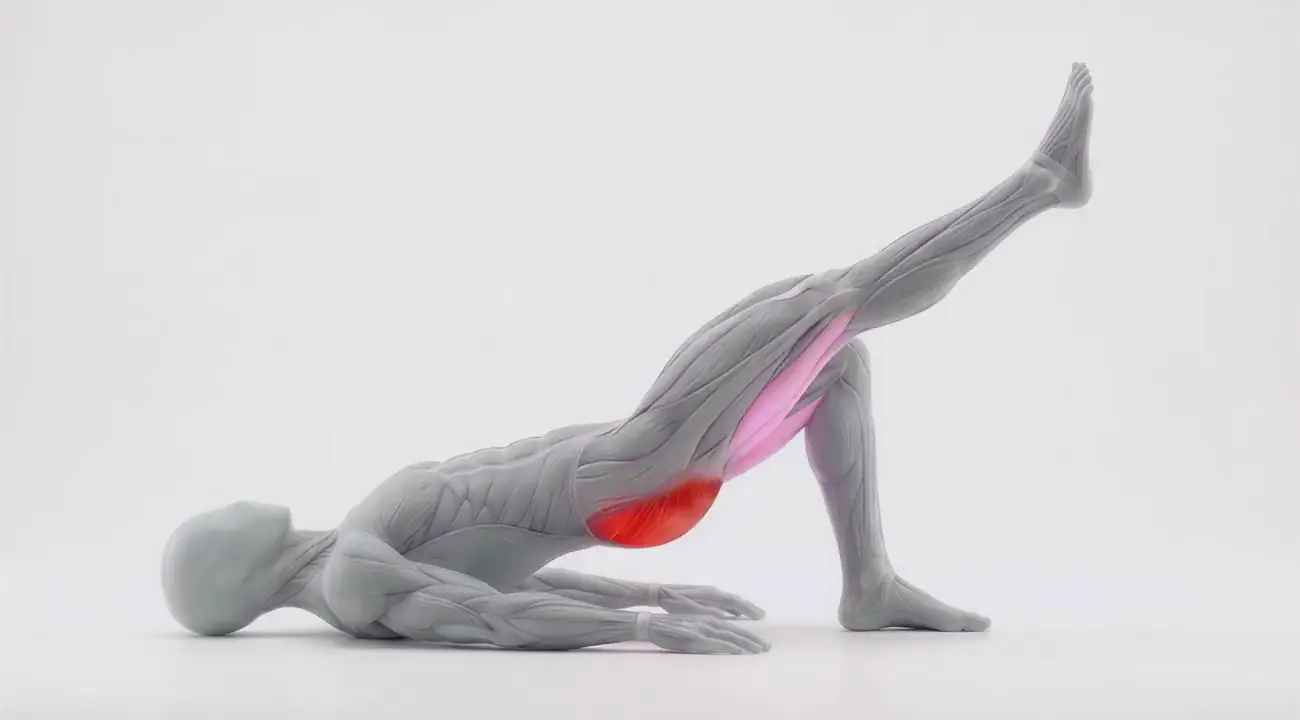
The single leg hip thrust sets your upper back on a bench so the hips can travel below the level of the shoulders before extending. One foot stays planted with the shin close to vertical while the other leg is held with the hip and knee near ninety degrees. The gluteus maximus, medius, and minimus drive the lift, with the spinal erectors, hamstrings, quadriceps, and adductors supporting the position rather than leading it.
How to do the Single-Leg Hip Thrust
- Sit on the floor with your upper back resting against the edge of a bench.
- Plant one foot flat with the shin close to vertical and the knee bent about ninety degrees.
- Raise the other leg and hold the hip and knee at roughly ninety degrees.
- Brace your trunk and tuck your chin so the neck stays neutral.
- Drive through the planted foot until your hips reach the height of your torso.
- Lower under control until the hips are just above the floor, then repeat and switch sides.
Muscles worked
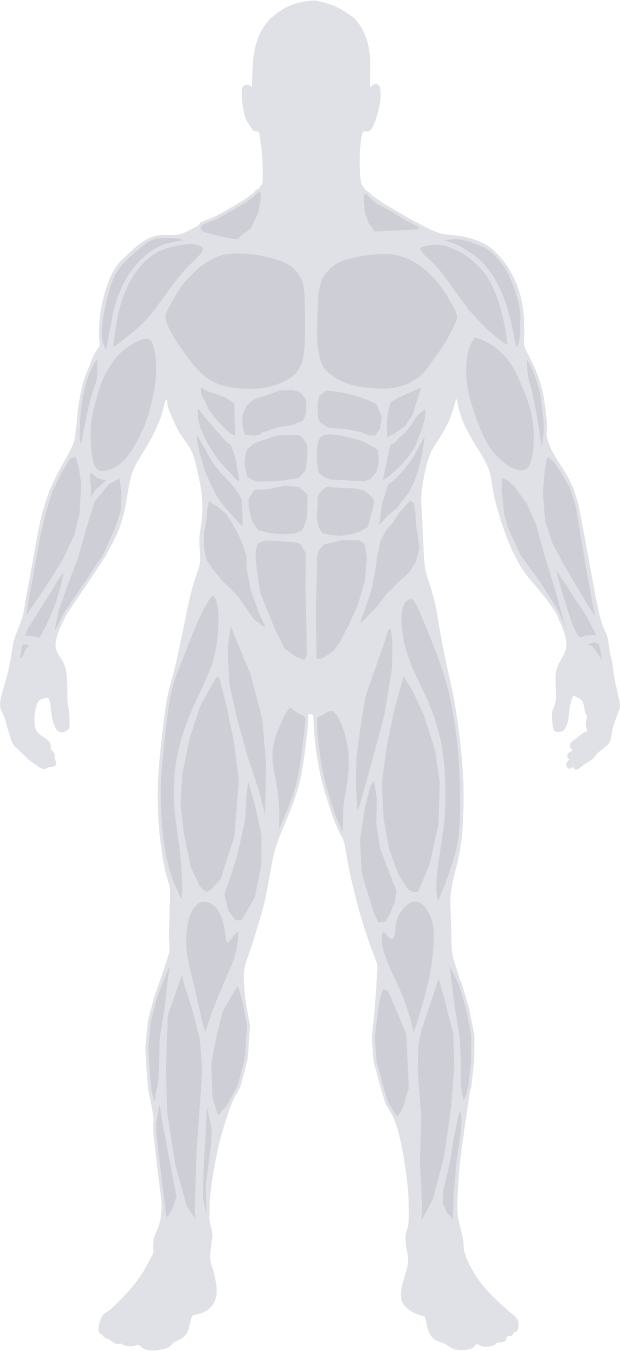
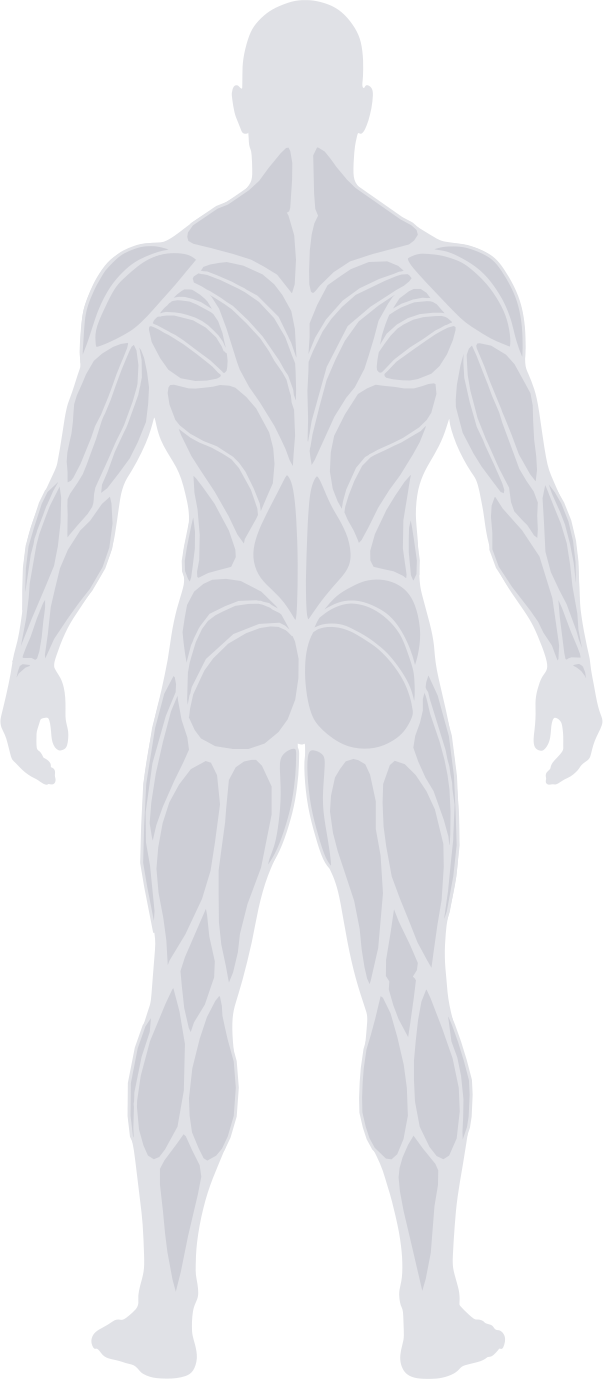
- Primary:
- Glutes
- Secondary:
- Hamstrings, Quads, and Core
Why train it
- Builds hip extension strength that carries into sprinting, jumping, and stair climbing.
- Exposes and corrects side to side glute strength differences.
- Allows a longer glute range of motion than a floor bridge.
Common mistakes
- Hyperextending the lower back or neck at lockout, which hides a shortfall in glute range.
- Pushing with the elbows against the bench, which takes work away from the glutes.
- Stopping short of full hip extension, so the glute never reaches a hard contraction.
- Letting the pelvis rotate toward the free leg, which unloads the working side.
Frequently asked questions
What muscles does the Single-Leg Hip Thrust work?
The Single-Leg Hip Thrust trains the glutes as the main target. Expect the hamstrings, quads, and core to take some of the load as well.
What equipment do I need for the Single-Leg Hip Thrust?
Only a bench or sofa edge for your upper back. Your own weight is the resistance, so there is nothing to load.
Is the Single-Leg Hip Thrust suitable for beginners?
With some training behind you. The Single-Leg Hip Thrust is rated intermediate, which means the setup matters as much as the effort. It is a reasonable first month goal rather than a first session one, and the alternatives below are the easier way in.
Can I do the Single-Leg Hip Thrust at home?
Yes. All it takes is a bench or sofa edge for your upper back, which most homes can find, so the Single-Leg Hip Thrust is easy to keep going on days you never reach a gym.
How many sets and reps of the Single-Leg Hip Thrust should I do?
Three to four sets taken within a rep or two of failure. There is no weight to add here, so progress by slowing the lowering phase, pausing at the hardest point, or moving to a harder variation once you can clear 15 clean reps.
What are good alternatives to the Single-Leg Hip Thrust?
Barbell Hip Thrust, Deficit Dumbbell Romanian Deadlift, and Kettlebell Swing train the same primary muscles as the Single-Leg Hip Thrust. Pick whichever one suits the equipment in front of you.
Similar exercises
 Single Leg Glute BridgeBodyweight
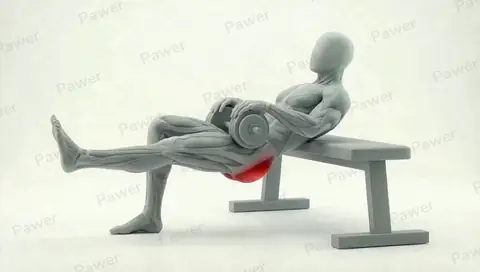 Dumbbell Single Leg Hip ThrustDumbbell
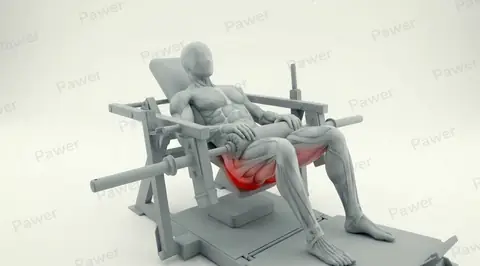 Machine Hip ThrustMachine
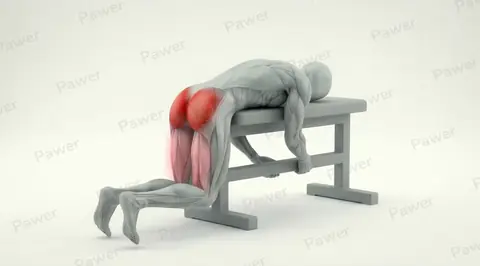 Reverse HyperextensionBodyweight
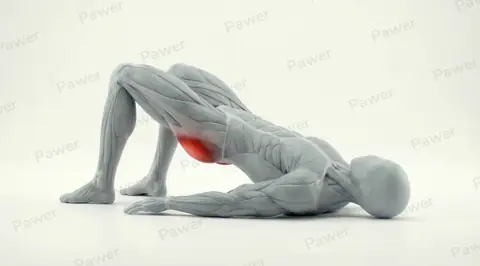 Glute BridgeBodyweight
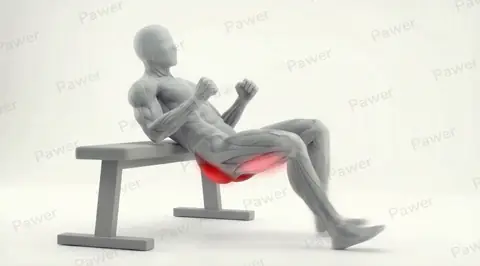 B-Stance Hip ThrustBodyweight
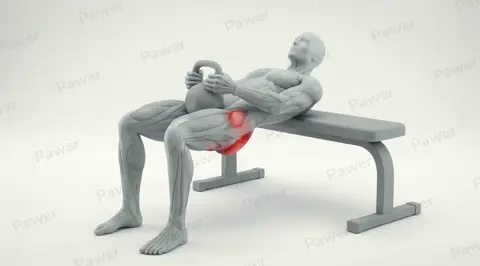 Kettlebell Hip ThrustKettlebell
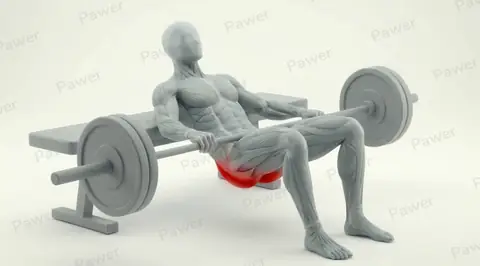 Barbell Hip ThrustBarbell
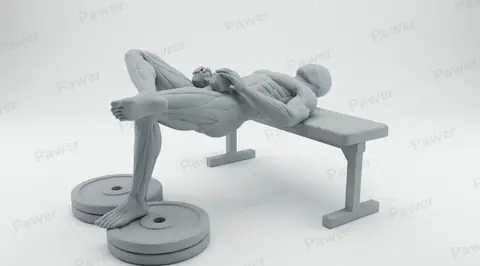 Dumbbell Figure Four Heels Elevated Hip ThrustDumbbell
 Cable Pull ThroughCable
By muscle
Every exercise is mapped to the muscles it trains. Browse by what you want to build.
By equipment
A full gym, a pair of dumbbells, or nothing at all: browse by what you have.