Bodyweight Exercises
 Anton YefanovUpdated
The best bodyweight exercises are the push-up, the pull-up, the Bulgarian split squat and the inverted row: together they train every major muscle with nothing but your body, a bar and a bench. Add a hip hinge such as the single-leg Romanian deadlift and a hanging core move, and you have a complete bodyweight workout you can do at home, in a park or in a hotel room.
Bodyweight training is strongest where you can scale leverage: pushing, pulling, single-leg work and core control. Its limit is load. You cannot add five pounds to a push-up, so you progress by moving to a harder variation, slowing the tempo or working on one limb instead of two. Handled that way, bodyweight exercises build real strength and muscle, not just endurance.
Use this page to find the best bodyweight exercises for each muscle, see how bodyweight compares with weights, set your reps and sets, and copy a sample workout. Every exercise in the full list below links to a video and step-by-step instructions.
Best Bodyweight Exercises
These eight cover every movement pattern and every level, from your first squat to strict pull-ups. Build your bodyweight workouts around them before reaching for the variations.
No. 1Best Overall
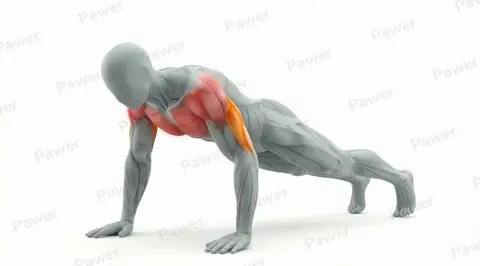
Push Up
The push-up trains the chest, front shoulders and triceps while your trunk holds a plank, so one movement covers pressing strength and core control. It scales in both directions: hands on a bench to make it easier, feet on a bench to make it harder. No other bodyweight exercise is as useful for as many people.
No. 2Best Upper Body Pull
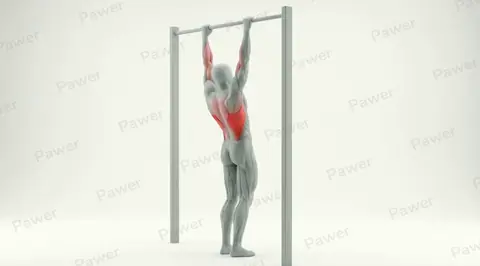
Pull Ups
Pull-ups load the lats, biceps and upper back with your full bodyweight, which makes them the strongest back builder you can do without weights. They are hard at first, so work toward them with inverted rows and slow lowering reps. Once you can do several clean reps, they become a true strength benchmark.
No. 3Best for Legs
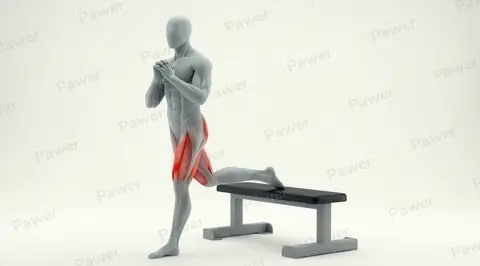
Bulgarian Split Squat
Elevating the rear foot puts nearly all of your weight on the front leg, so the quads and glutes get a heavy stimulus without a barbell. It fixes the main problem with bodyweight leg training, which is that two-legged squats get easy fast. Expect it to humble you at 8 to 12 slow reps per leg.
No. 4Best Beginner Pull
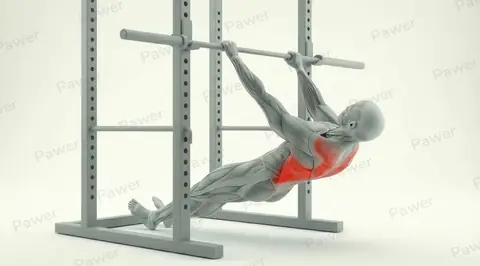
Inverted Row
Rowing your chest up to a bar or sturdy table trains the upper back, lats and biceps at a fraction of pull-up difficulty. Walking your feet forward makes it harder, so it grows with you. It also balances all the pushing in a typical home workout.
No. 5Best for Beginners
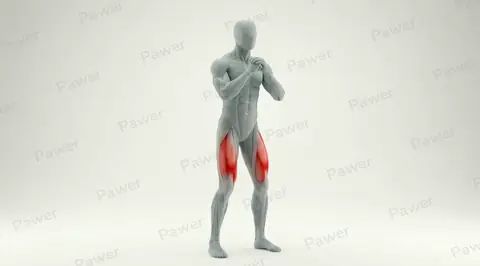
Bodyweight Squat
The bodyweight squat teaches the pattern every leg exercise builds on: knees tracking over the toes, chest up, hips sitting down between the heels. Master depth and control here before adding split squats or jumps. If depth is a struggle, squat to a box first.
No. 6Best for Chest and Triceps
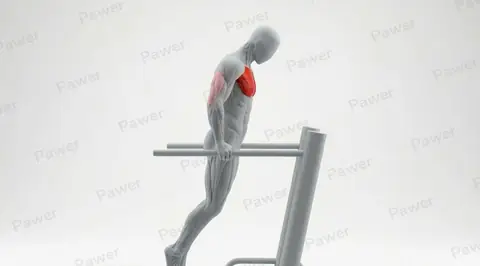
Parallel Bar Dips
Dips move your whole bodyweight through a deep press, loading the lower chest and triceps harder than any push-up variation. You need parallel bars or a sturdy dip station. Build up with push-ups first and lower only as deep as your shoulders stay comfortable.
No. 7Best Hamstring Exercise
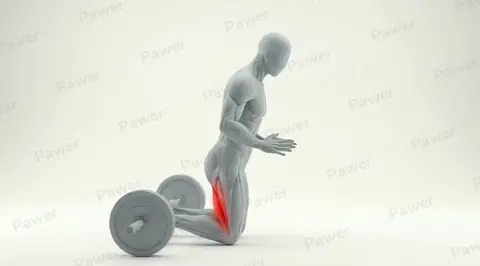
Nordic Hamstring Curl
The Nordic curl makes the hamstrings control your whole upper body as it lowers toward the floor, which is a demanding eccentric load you rarely get without a machine. It is advanced: start with a short range and catch yourself with your hands. Anchor your heels under something solid.
No. 8Best Core Exercise
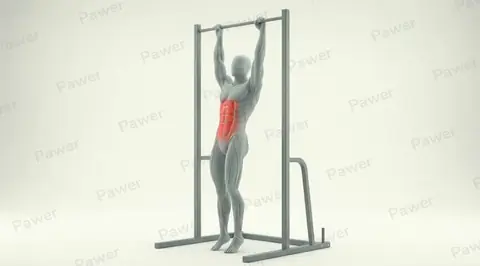
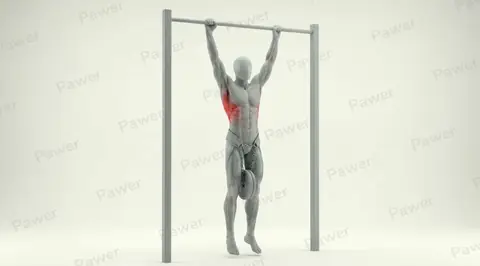
Hanging Knee Raises
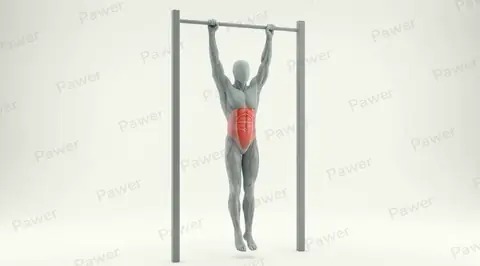
Hanging from a bar and curling the knees up trains the abs through real range while your grip and shoulders work to hold you. The key is curling the pelvis up, not just lifting the thighs. Progress to toes-to-bar once you can do 12 to 15 controlled reps.
Best bodyweight exercises for each muscle group
Bodyweight training covers the chest, back, triceps, quads, glutes, hamstrings and core very well. It is weaker for the side delts and biceps, which have no great equipment-free isolation movement, and the biceps get most of their bodyweight work from chin-ups. If those muscles matter to you, a light pair of dumbbells or a band fills the gap.
A pull-up bar is the single most useful addition. Without one you lose vertical pulling and hanging core work, and pulling is the pattern home workouts most often neglect.
| Muscle | Best exercises | Why |
|---|---|---|
| Chest | Push Up, Decline Push Up, Parallel Bar Dips | Pressing your bodyweight through a full range; elevating the feet or moving to dips raises the load |
| Back | Pull Ups, Chin Ups, Inverted Row | Vertical and horizontal pulls against your full bodyweight cover the lats and upper back |
| Triceps | Diamond Push Ups, Bench Dips | A narrow hand position or a dip shifts the pressing work onto elbow extension |
| Biceps | Chin Ups, Inverted Row | An underhand vertical pull is the hardest bodyweight biceps load available |
| Quads | Bulgarian Split Squat, Single-Leg Step-Down, Wall Sit | Single-leg work doubles the load each leg handles compared with a squat |
| Glutes | Single-Leg Hip Thrust, Glute Bridge, Bodyweight Reverse Lunge | Hip extension through a long range, made harder by working one leg at a time |
| Hamstrings | Nordic Hamstring Curl, Towel Slide Leg Curl, Single Legged Romanian Deadlifts | Covers both jobs of the hamstrings: bending the knee and extending the hip |
| Calves | Single-Leg Standing Calf Raise, Bodyweight Donkey Calf Raise | One leg off a step gives a full stretch and enough load to build the calves |
| Core | Hanging Knee Raises, Dead Bug, Front Plank on Elbows | Trains both trunk flexion and the anti-extension control that protects your lower back |
Bodyweight exercises vs weights, bands and machines
Bodyweight training is free, needs almost no space and teaches you to control your own body, which carries over to sport and everyday life. Its weakness is that the load is fixed. Upper-body pulling and pressing stay challenging for a long time because leverage changes so much between variations, but legs adapt quickly and soon need single-leg work, jumps or added weight.
Choose bodyweight when you train at home or while traveling, when you are starting out, or when you want relative strength (pull-ups, dips, push-ups) as a goal in itself. If maximal strength or the biggest possible legs are the aim, add external load over time. Most people get the best of both by keeping pull-ups, dips and push-ups in a program that also uses weights.
| Equipment | Strength potential | Muscle building | Beginner friendly | Home friendly | Cost |
|---|---|---|---|---|---|
| Bodyweight | High for upper body, limited for legs | Good when sets are taken close to failure | High, with the right regressions | Excellent | Free, or a pull-up bar |
| Resistance bands | Low to moderate | Moderate | High | Excellent | Low |
| Dumbbells | Moderate to high | High | High | Good with an adjustable pair | Moderate |
| Barbell | Highest | High | Moderate, needs coaching | Needs a rack and space | High |
| Machines and cables | Moderate to high | High | Very high | Poor | Gym membership |
All 86 Bodyweight Exercises
All 86 bodyweight exercises in the library, grouped by difficulty. Each one has a video, step-by-step form and the muscles it works.
Beginner Bodyweight Exercises56
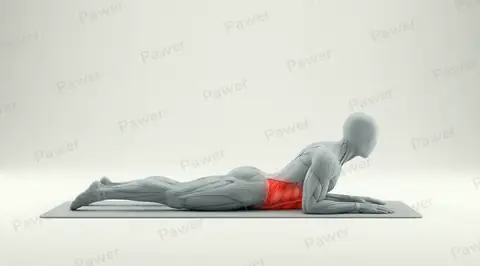 Abdominals Stretch Variation OneBodyweight
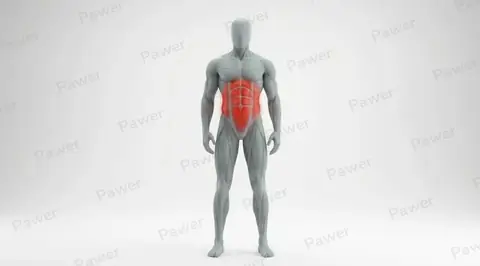 Abdominals Stretch Variation ThreeBodyweight
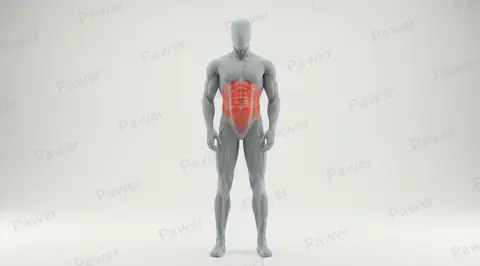 Abdominals Stretch Variation TwoBodyweight
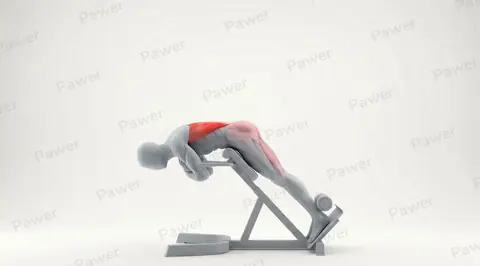 Back ExtensionBodyweight
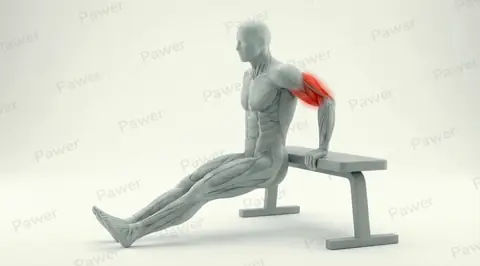 Bench DipsBodyweight
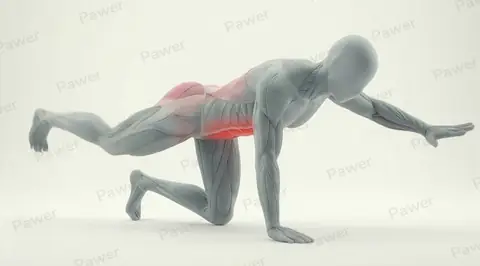 Bird DogBodyweight
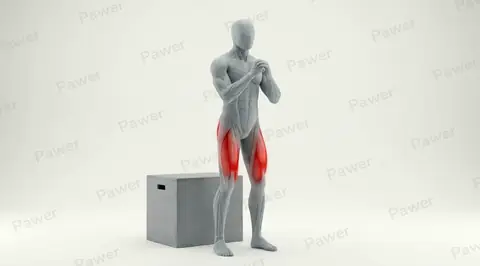 Bodyweight Box SquatBodyweight
 Bodyweight DeadliftBodyweight
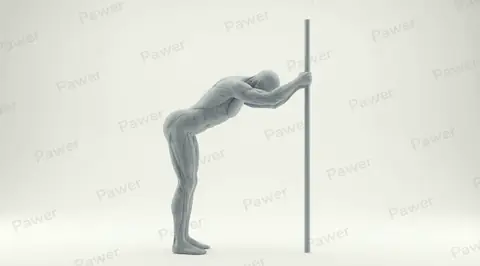 Bodyweight Donkey Calf RaiseBodyweight
 Bodyweight Hip AbductionBodyweight
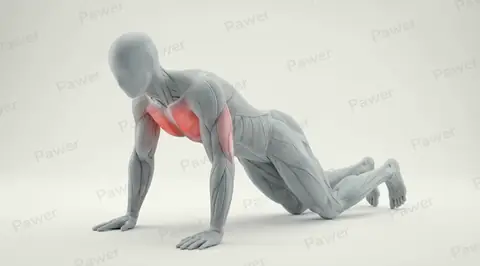 Bodyweight Knee Push UpsBodyweight
 Bodyweight Reverse LungeBodyweight
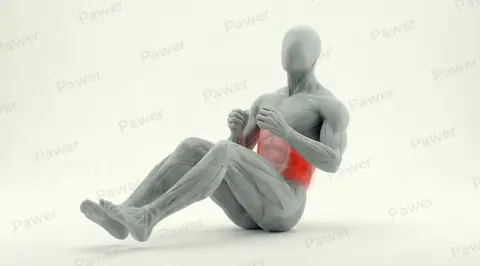 Bodyweight Russian TwistBodyweight
 Bodyweight Spinal Jefferson CurlBodyweight
- Bodyweight SquatBodyweight
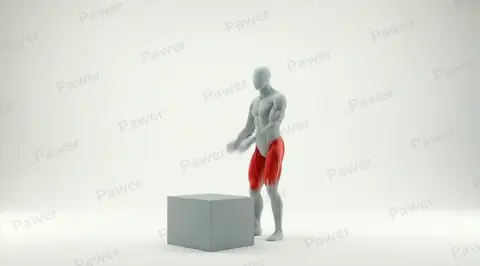 Box JumpBodyweight
- Bulgarian Split SquatBodyweight
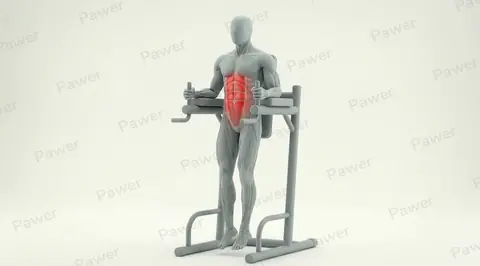 Captain's Chair Knee RaiseBodyweight
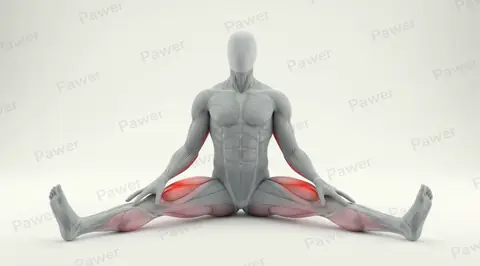 Cycling CooldownBodyweight
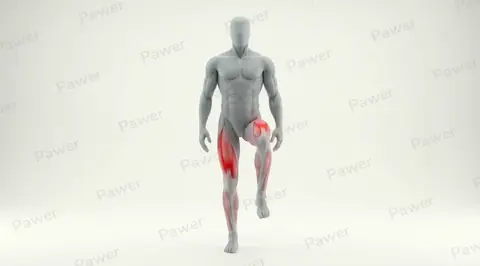 Cycling WarmupBodyweight
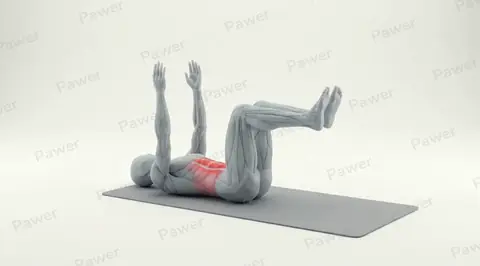 Dead BugBodyweight
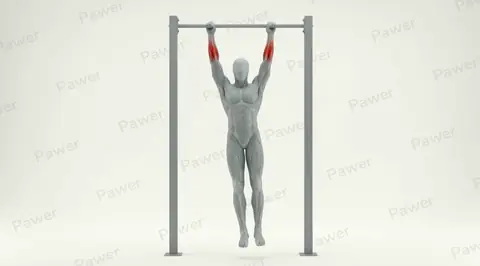 Dead HangBodyweight
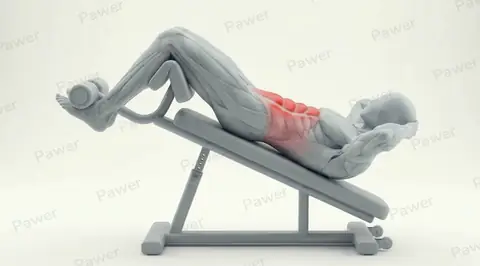 Decline CrunchBodyweight
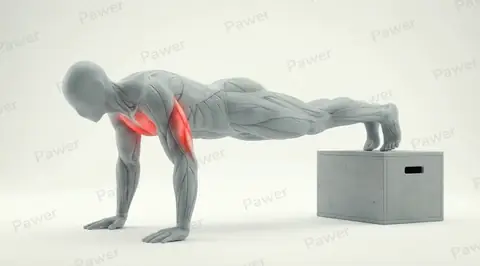 Decline Push UpBodyweight
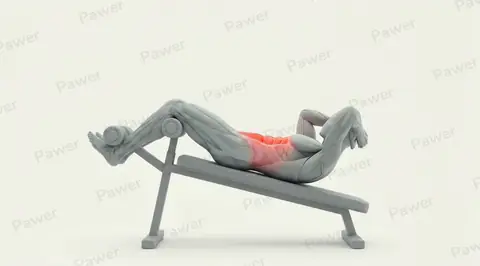 Decline Sit-UpBodyweight
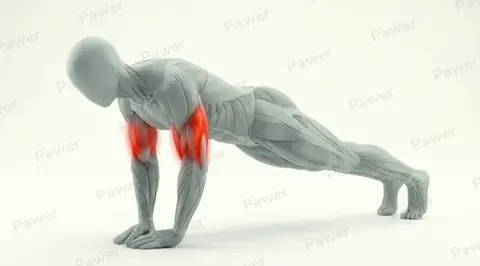 Diamond Push UpsBodyweight
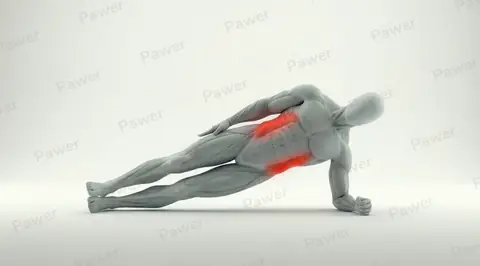 Elbow Side PlankBodyweight
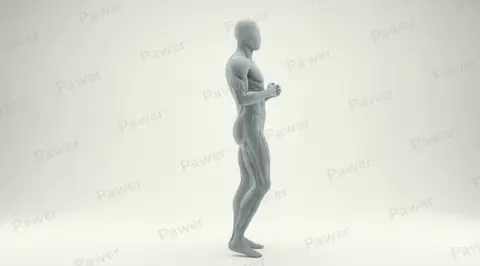 Forward LungeBodyweight
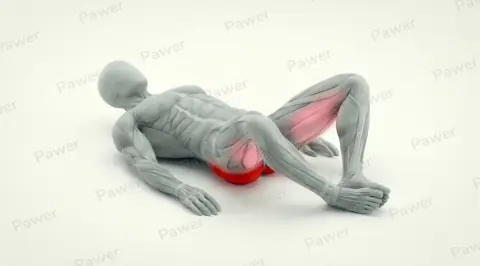 Frog PumpBodyweight
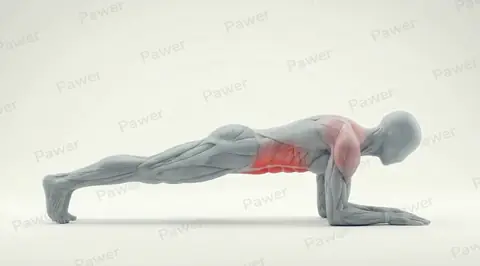 Front Plank on ElbowsBodyweight
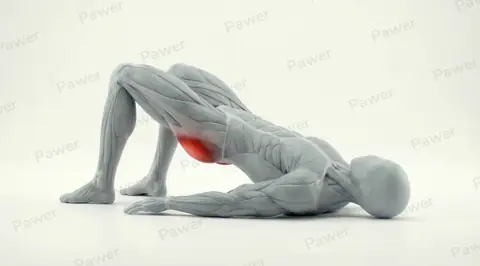 Glute BridgeBodyweight
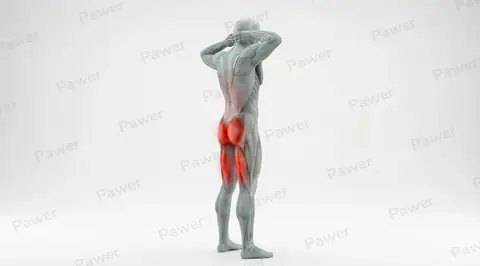 Good MorningsBodyweight
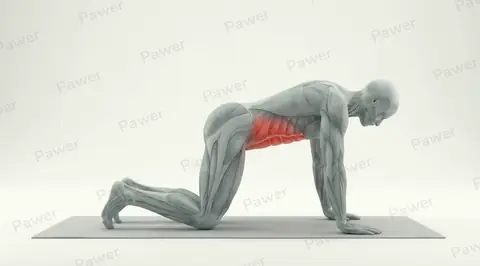 Hand PlankBodyweight
- Hanging Knee RaisesBodyweight
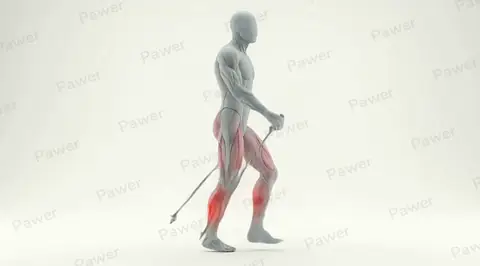 HikingBodyweight
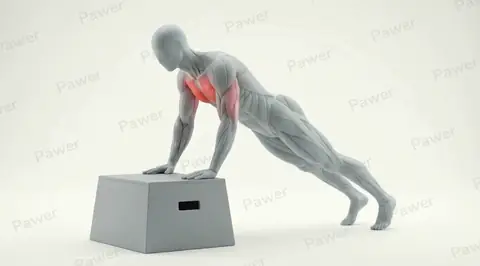 Incline Push UpBodyweight
- Inverted RowBodyweight
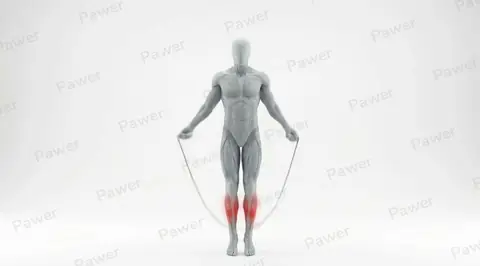 Jump RopeBodyweight
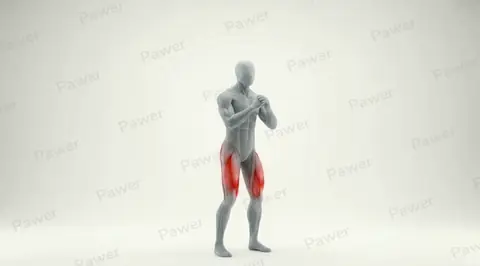 Jump SquatsBodyweight
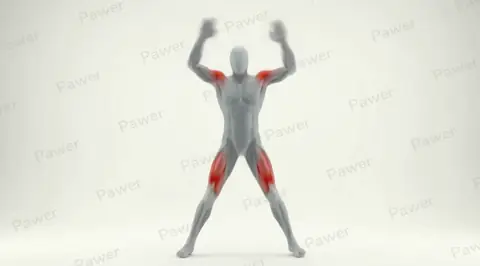 Jumping JackBodyweight
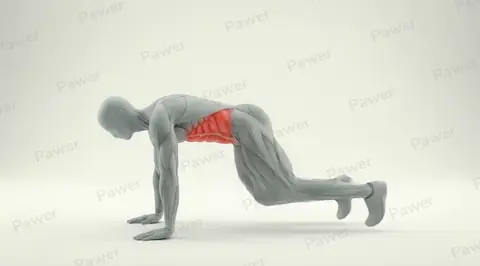 Mountain ClimberBodyweight
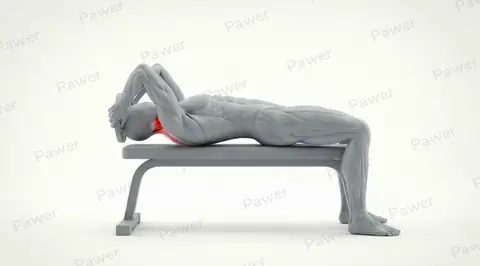 Neck CurlBodyweight
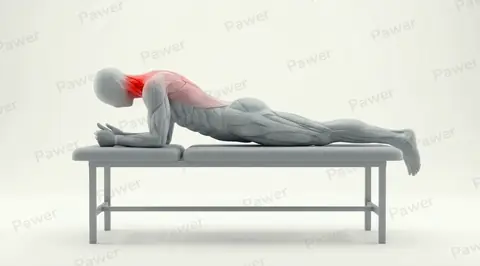 Neck ExtensionBodyweight
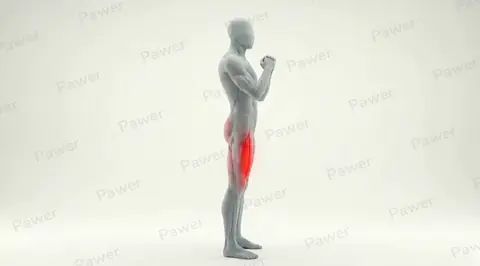 Pause SquatBodyweight
- Push UpBodyweight
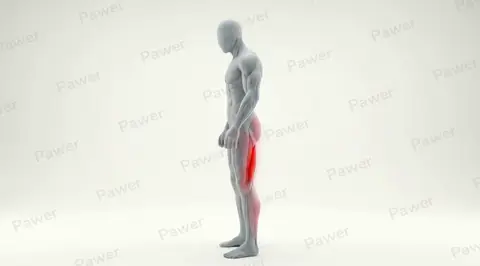 Romanian Deadlift Hamstring SweepsBodyweight
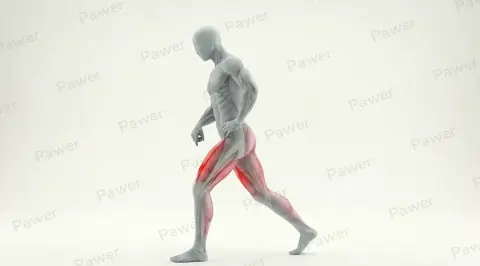 Running CooldownBodyweight
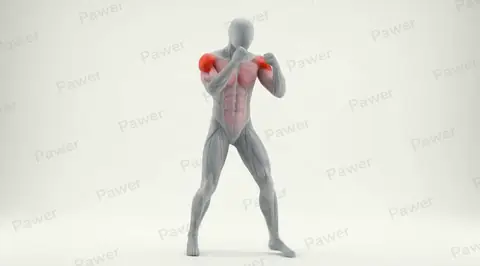 Shadow BoxingBodyweight
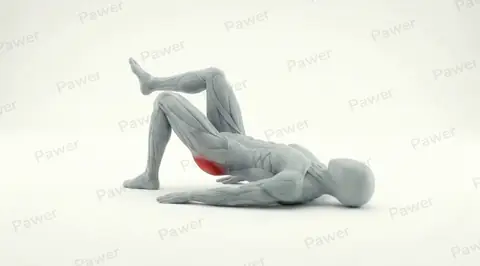 Single Leg Glute BridgeBodyweight
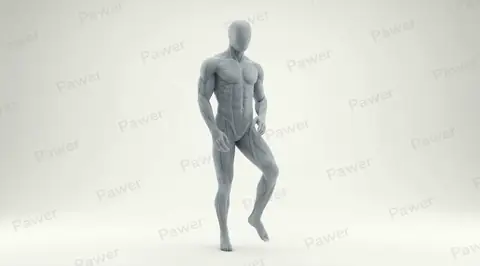 Single Legged Romanian DeadliftsBodyweight
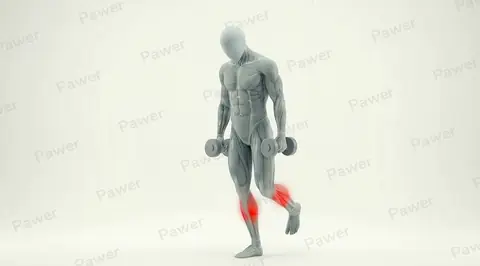 Single-Leg Standing Calf RaiseBodyweight
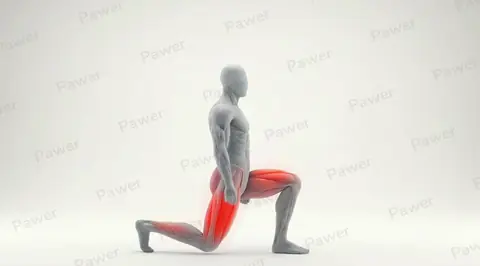 Split Squat Isometric HoldBodyweight
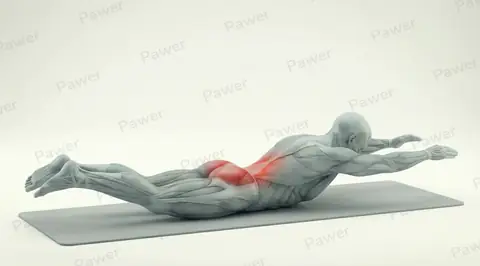 SupermansBodyweight
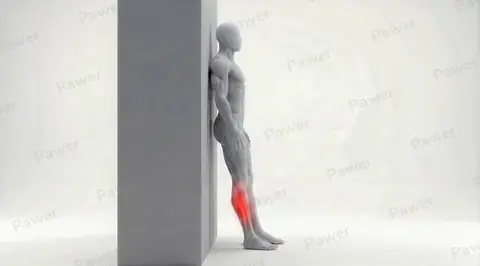 Tibialis RaiseBodyweight
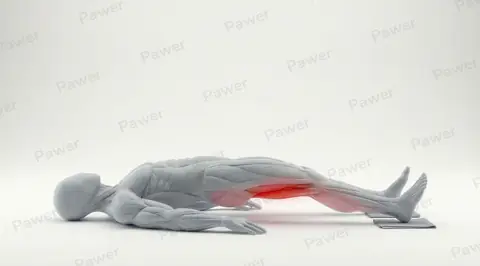 Towel Slide Leg CurlBodyweight
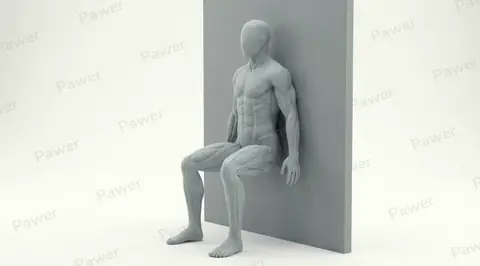 Wall SitBodyweight
Intermediate Bodyweight Exercises24
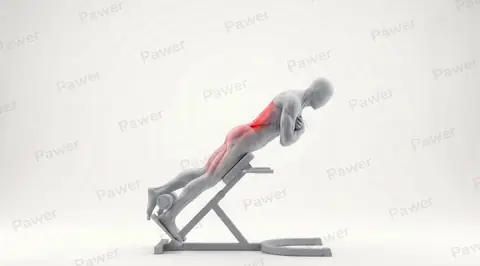 B-stance Back ExtensionBodyweight
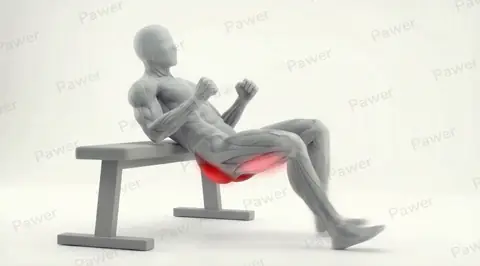 B-Stance Hip ThrustBodyweight
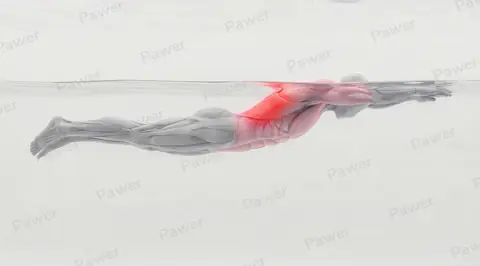
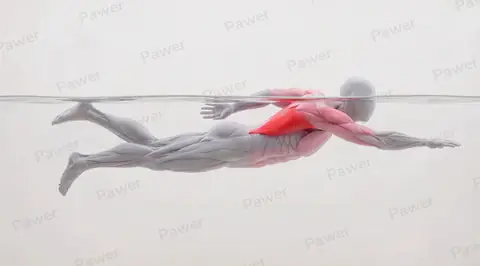
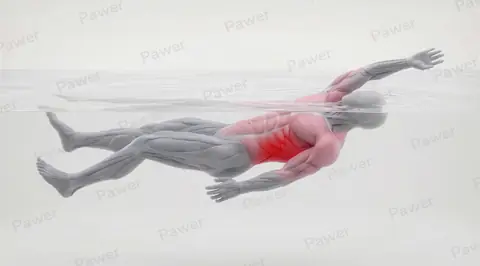 Backstroke SwimBodyweight
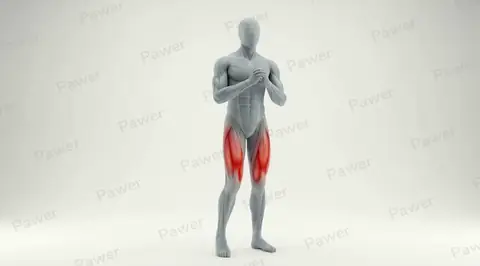 Bodyweight Alternating Lateral LungeBodyweight
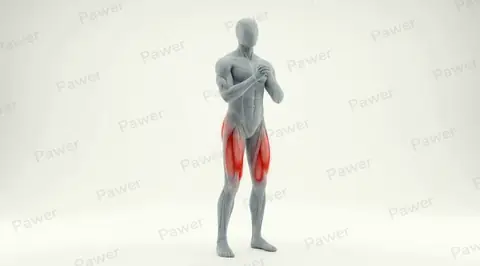 Bodyweight Alternating Reverse LungesBodyweight
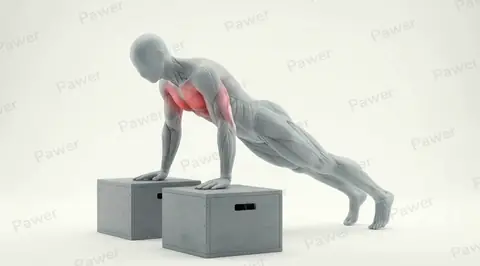 Bodyweight Elevated Push UpBodyweight
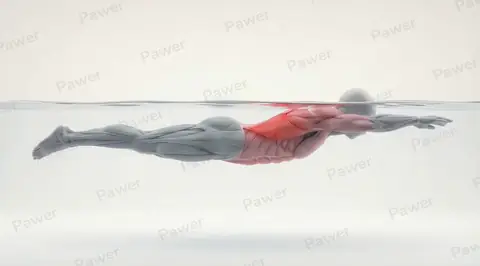 Breaststroke SwimBodyweight
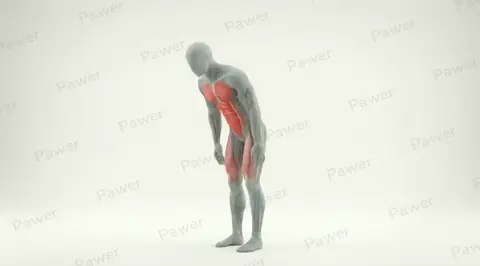 BurpeeBodyweight
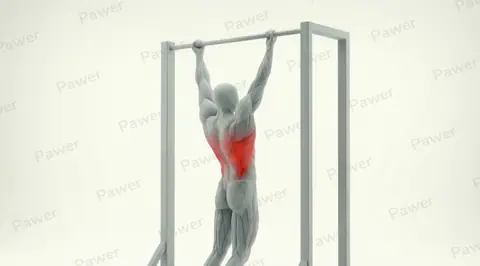 Chin UpsBodyweight
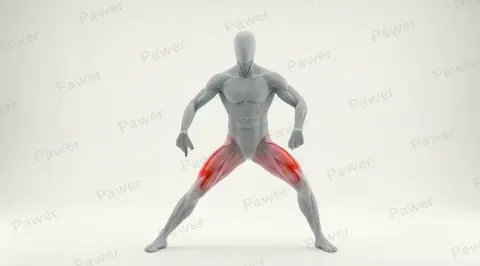 Cossack SquatBodyweight
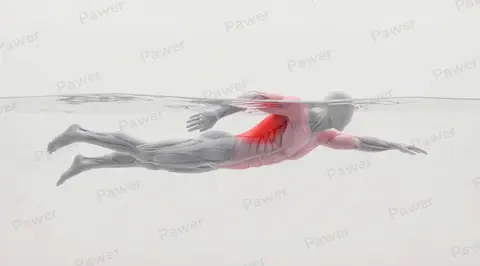 Freestyle SwimBodyweight
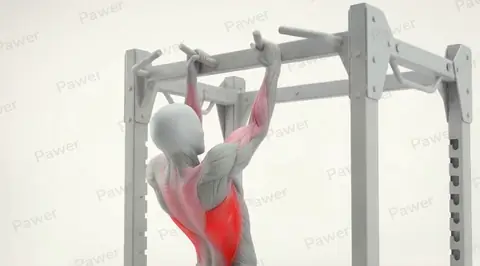 Neutral-Grip Pull-UpBodyweight
- Parallel Bar DipsBodyweight
- Pull UpsBodyweight
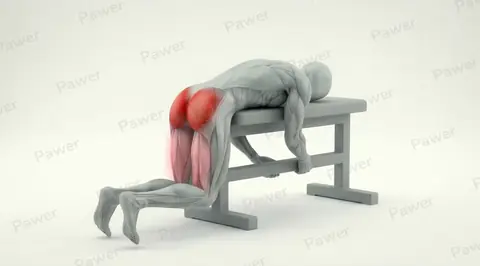 Reverse HyperextensionBodyweight
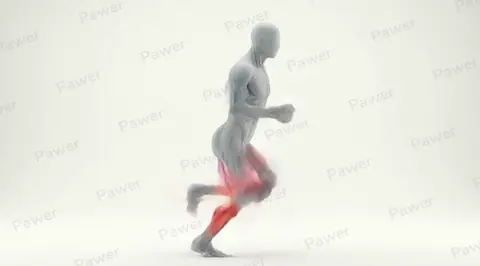 Running IntervalsBodyweight
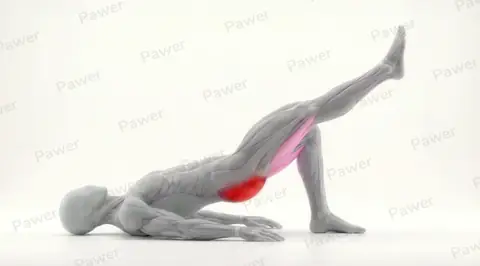 Single-Leg Hip ThrustBodyweight
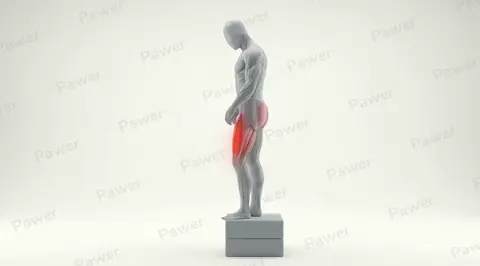 Single-Leg Step-DownBodyweight
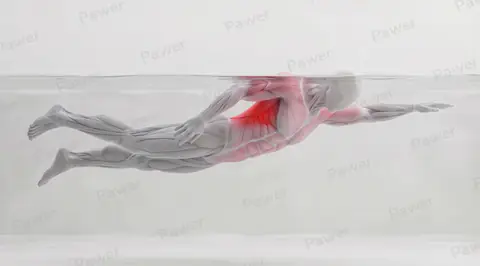 Swim Kick DrillBodyweight
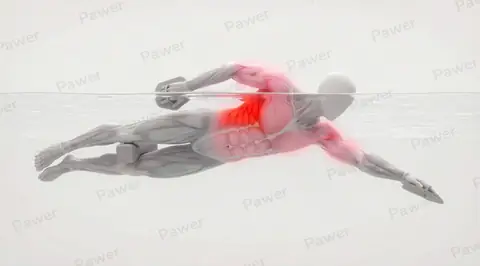 Swim Pull DrillBodyweight
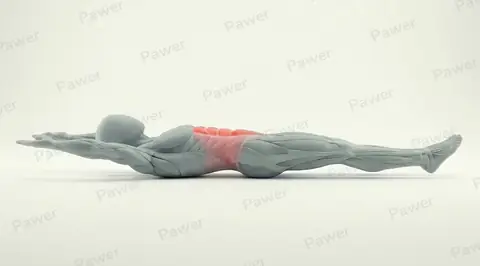 V-UpBodyweight
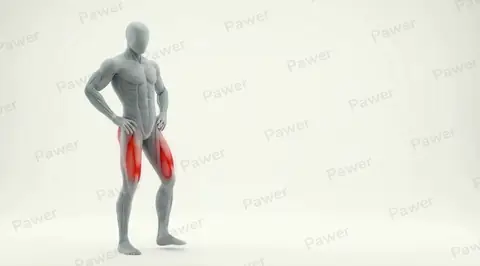 Walking LungeBodyweight
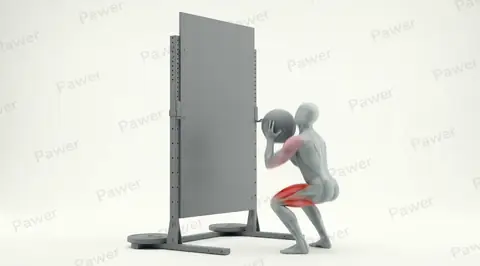 Wall BallBodyweight
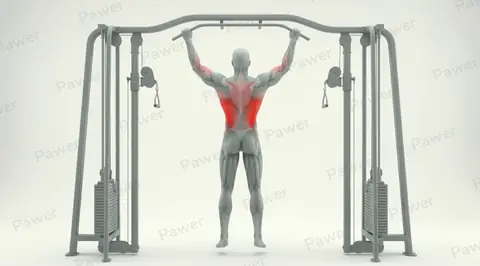 Wide-Grip Pull-UpBodyweight
Advanced Bodyweight Exercises6
Getting started with bodyweight training: equipment and choosing your level
You can start with nothing, but three things make bodyweight training far more complete: a doorway or wall-mounted pull-up bar, a sturdy bench, box or chair for split squats, step-downs and bench dips, and a low bar or solid table edge for inverted rows. A pair of dip bars or parallel bars in a park opens up dips and knee raises.
Choosing your level works like choosing a dumbbell weight. Pick the variation where you can do about 6 to 15 clean reps with the last two or three feeling hard. If you get fewer than five, move one step easier on the ladder below. If you get more than 20, move one step harder. Test each pattern separately, because most people are further along in squatting than in pulling.
| Pattern | Start here | Next | Harder | Advanced |
|---|---|---|---|---|
| Push | Incline Push Up | Bodyweight Knee Push Ups | Push Up | Decline Push Up, Parallel Bar Dips |
| Pull | Inverted Row | Dead Hang | Chin Ups | Pull Ups, Weighted Pull Ups |
| Squat | Bodyweight Box Squat | Bodyweight Squat | Bodyweight Reverse Lunge | Bulgarian Split Squat, Single-Leg Step-Down |
| Hinge | Glute Bridge | Single Leg Glute Bridge | Single Legged Romanian Deadlifts | Single-Leg Hip Thrust, Nordic Hamstring Curl |
| Core | Dead Bug | Front Plank on Elbows | Hanging Knee Raises | V-Up, Toes-to-Bar |
Bodyweight workout sets and reps: how to program for strength and muscle
Muscle growth depends on how hard a set is, not on whether the resistance is a dumbbell or your body. Bodyweight sets build muscle well as long as they end within about one to three reps of failure. A set of 25 easy push-ups stopped far from failure does much less than 12 hard ones.
Aim for roughly 10 to 20 hard sets per muscle per week, split over two or three sessions. Because you cannot add small amounts of weight, progress in this order: add reps until you reach the top of your range, then slow the lowering to three or four seconds, add a pause at the bottom, and finally move to the next variation and drop back to the bottom of the range.
| Goal | Sets | Reps | Rest | Frequency |
|---|---|---|---|---|
| Strength | 3 to 5 | 3 to 8, using the hardest variation you can do with clean form | 2 to 3 minutes | 2 to 3 sessions per week |
| Muscle building | 3 to 4 | 8 to 20, ending one to three reps from failure | 1 to 2 minutes | 2 to 3 sessions per week |
| Muscular endurance | 2 to 3 | 15 to 30, or timed holds of 30 to 60 seconds | 30 to 60 seconds | 3 to 4 sessions per week |
| Conditioning circuits | 3 to 5 rounds | 20 to 40 seconds of work per exercise | 15 to 30 seconds between moves | 2 to 3 sessions per week |
Sample bodyweight workouts: beginner, full body and conditioning
Run the beginner workout two or three times a week on non-consecutive days until every exercise feels controlled at the top of its rep range. The full-body workout needs a pull-up bar and dip bars or a sturdy chair, and suits anyone who can already do several push-ups and inverted rows. The conditioning circuit needs no equipment at all; do it as its own session or as a finisher.
| Workout | Exercise | Sets | Reps | Rest |
|---|---|---|---|---|
| Beginner | Bodyweight Squat | 3 | 10 to 15 | 60 seconds |
| Beginner | Incline Push Up | 3 | 8 to 12 | 60 seconds |
| Beginner | Inverted Row | 3 | 6 to 10 | 60 seconds |
| Beginner | Glute Bridge | 3 | 12 to 15 | 60 seconds |
| Beginner | Dead Bug | 2 | 8 per side | 45 seconds |
| Full body | Pull Ups | 4 | 4 to 8 | 2 minutes |
| Full body | Bulgarian Split Squat | 3 | 8 to 12 per leg | 90 seconds |
| Full body | Parallel Bar Dips | 3 | 6 to 12 | 2 minutes |
| Full body | Single Legged Romanian Deadlifts | 3 | 10 per leg | 60 seconds |
| Full body | Decline Push Up | 2 | 10 to 15 | 90 seconds |
| Full body | Hanging Knee Raises | 3 | 10 to 15 | 60 seconds |
| Conditioning | Jump Squats | 4 rounds | 30 seconds | 15 seconds |
| Conditioning | Push Up | 4 rounds | 30 seconds | 15 seconds |
| Conditioning | Walking Lunge | 4 rounds | 30 seconds | 15 seconds |
| Conditioning | Mountain Climber | 4 rounds | 30 seconds | 15 seconds |
| Conditioning | Burpee | 4 rounds | 30 seconds | 90 seconds after the round |
Common bodyweight training mistakes
Bodyweight exercises look simple, which is why they are so often done badly. These are the habits that stall progress most.
- Chasing endless reps. Once a set passes 20 to 25 reps it trains endurance more than strength or size. Move to a harder variation instead of adding more of the same.
- Skipping pulling. Home workouts are often all push-ups, squats and planks, which leaves the back undertrained. Get a pull-up bar or use a table for inverted rows, and do at least as many pulling sets as pushing sets.
- Sagging hips in push-ups and planks. If your hips drop, your lower back takes the strain and your chest does less work. Squeeze your glutes, brace your abs and regress to an incline until you can hold a straight line.
- Partial range of motion. Half push-ups and quarter squats feel easier because they are. Touch your chest close to the floor, squat until your thighs are at least parallel, and treat the full range as the standard.
- Kipping before you can do strict reps. Swinging into pull-ups and knee raises moves the work away from the muscles you want to train. Earn strict reps first, using slow lowering reps if you cannot yet pull yourself up.
- Never changing anything. Doing the same circuit for months guarantees a plateau. Log your reps, and when you hit the top of your range on every set, progress the exercise.
How to make bodyweight exercises harder without adding weight
Progressive overload works without weights; you just change something other than the load. Each method below raises the difficulty of a set, and you can combine them. Use them in roughly this order, because the earlier ones are easier to control and track.
- Slow the lowering phase to three or four seconds. More time under tension makes a push-up or squat much harder at the same rep count.
- Add a pause at the hardest point, such as the bottom of a squat or the chest-near-floor position of a push-up, which removes the bounce.
- Shift leverage: elevate the feet in push-ups, walk the feet forward in inverted rows, or straighten the legs in hanging raises.
- Go single-limb: split squats instead of squats, single-leg bridges instead of glute bridges, single-leg calf raises instead of two-legged ones.
- Shorten the rest between sets to increase density once you have hit your rep targets.
- When all else is maxed, add load with a backpack or a dip belt, as in weighted pull-ups.
Frequently asked questions
Can you build muscle with only bodyweight exercises?
Yes. Muscles respond to hard sets, and a push-up or split squat taken close to failure builds muscle much like a weighted exercise in a similar rep range. The catch is progression: you must keep moving to harder variations as you get stronger. Upper body and core can grow for a long time this way, while legs usually need single-leg work or eventually some added weight.
How often should I do bodyweight workouts?
Two to four sessions a week works for most people. Full-body workouts done three times a week on non-consecutive days give each muscle enough practice and enough recovery. If you prefer short daily sessions, rotate the focus so the same muscles are not trained hard two days in a row, and keep easy movement days genuinely easy.
Is it OK to do bodyweight exercises every day?
Light practice every day is fine, and many people do a few easy sets of push-ups or squats daily. Hard training every day is another matter. Muscles need time to recover from sets taken close to failure, so if you train daily, alternate upper and lower body or keep most days well short of failure.
Are bodyweight exercises enough for legs?
For beginners, yes. Squats, lunges and bridges are enough to build early leg strength. After a few months, two-legged squats become too easy to drive growth, so switch to Bulgarian split squats, step-downs, single-leg hip thrusts and Nordic curls. Those keep the legs progressing for a long time, though the very strongest legs are built with heavy external load.
Are bodyweight workouts good for losing fat?
They help, but fat loss is driven mainly by eating fewer calories than you burn. Bodyweight workouts contribute by burning some energy, especially fast circuits, and more importantly by helping you keep muscle while you diet. Pair consistent strength sessions with a modest calorie deficit and regular walking for the most reliable result.
Do I need a pull-up bar for bodyweight training?
It is not essential, but it is the most valuable purchase you can make. Without a bar you can row under a sturdy table, yet you lose pull-ups, chin-ups, dead hangs and hanging knee raises. Those cover the back, biceps, grip and core in ways floor exercises cannot fully replace, so a doorway bar is worth the small cost.
Bodyweight exercises by muscle group
Pick the muscle you came to train, and see only the Bodyweight work for it.