Weighted Pull Ups
 Anton YefanovUpdated
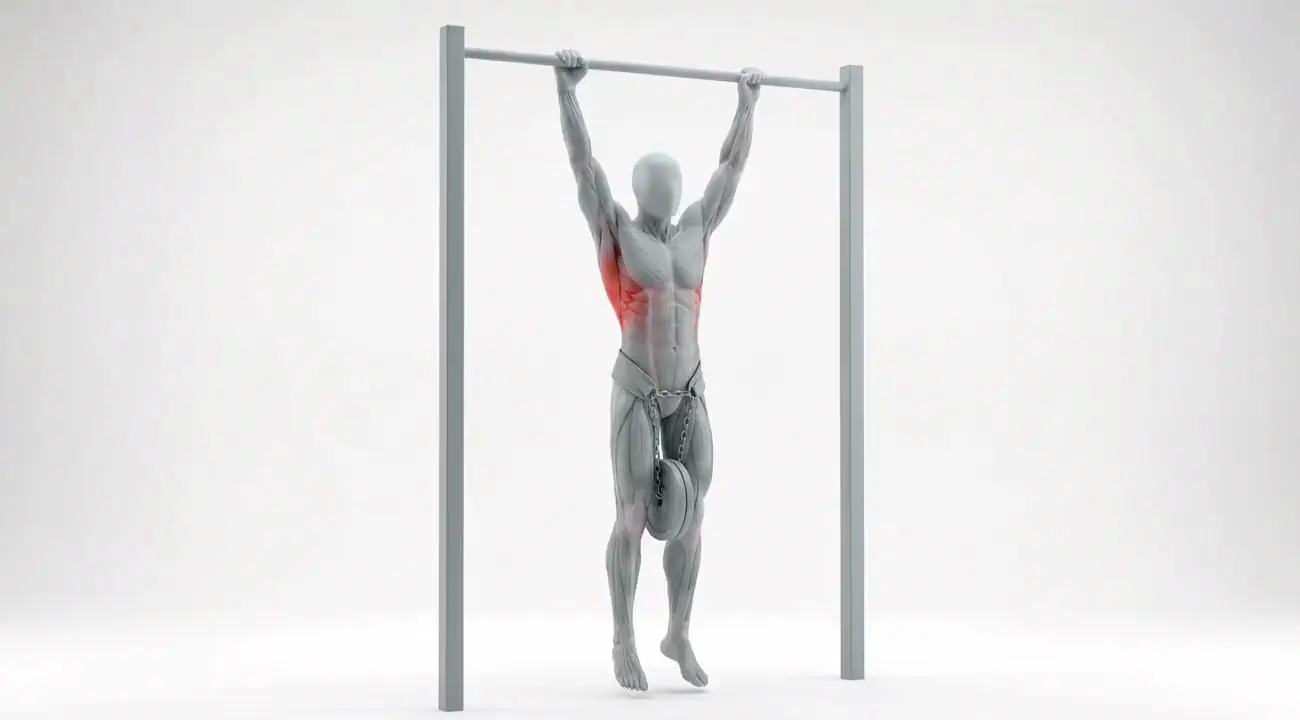
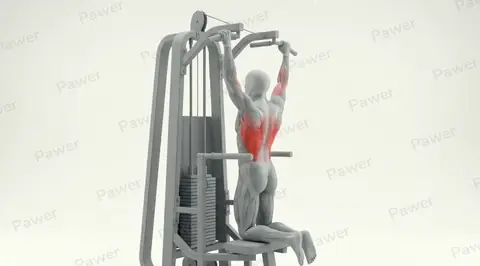
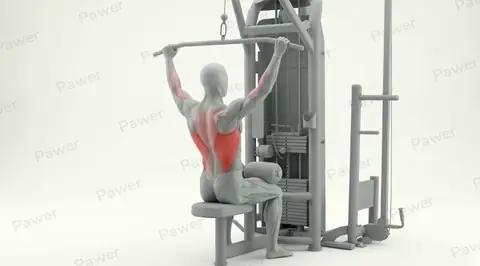
The weighted pull-up is the standard overhand pull-up with external load hung from a dip belt, so progression continues after bodyweight reps stop being hard. Mechanics do not change: you depress the shoulder blades, drive the elbows down and pull the chin past the bar. Surface EMG of pull-ups recorded the latissimus dorsi far above every other muscle measured, with the biceps brachii and infraspinatus next, then the lower trapezius, pectoralis major, erector spinae and external oblique, which is why the trunk has to stay braced rather than swinging.
How to do the Weighted Pull Ups
- Load a dip belt with the prescribed weight and fasten it around your waist.
- Take an overhand grip on the bar slightly wider than your shoulders and hang with straight arms.
- Brace your abs and squeeze your glutes so the load stops swinging.
- Depress your shoulder blades, then drive your elbows down until your chin clears the bar.
- Pause at the top with the lats fully shortened and the neck neutral.
- Lower under control to near full arm extension and repeat.
Muscles worked
- Primary:
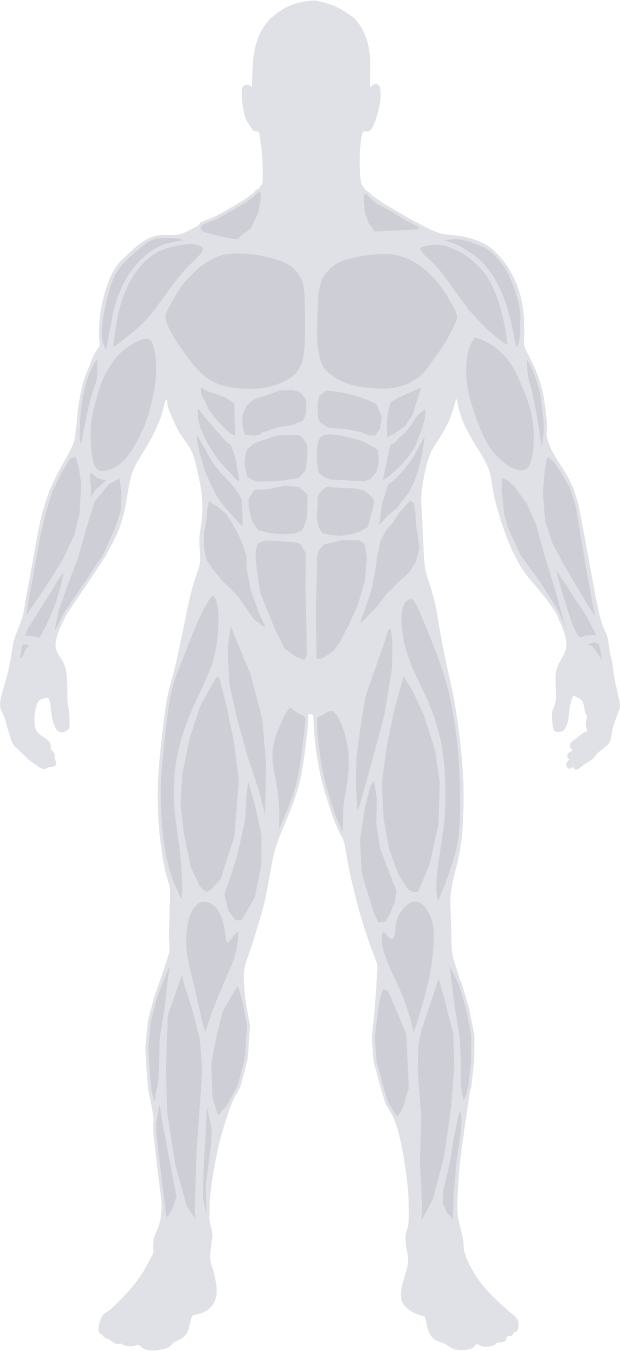
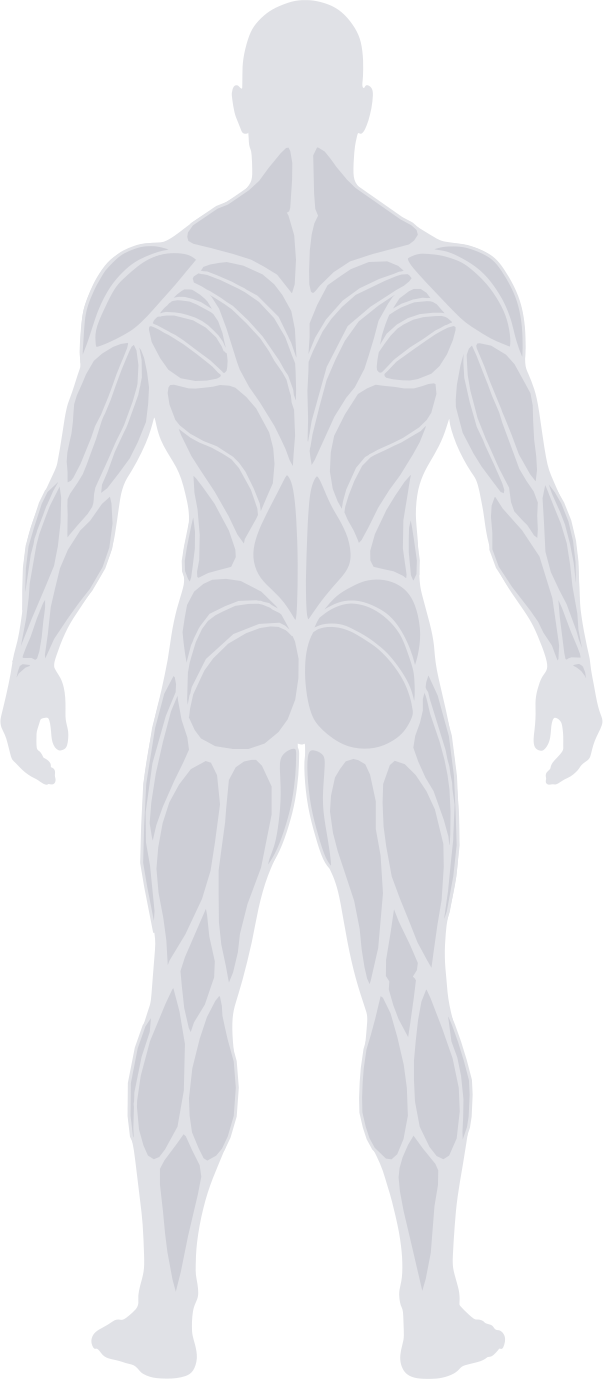
- Back
Why train it
- Extends vertical pull progression once bodyweight reps are no longer challenging.
- Keeps the lats as prime mover while raising the absolute load.
- Trains bracing under load because the extra weight punishes swinging.
Common mistakes
- Kipping the load up with the hips, which converts a strength rep into a swing.
- Overextending the lower back to shorten the range, which loads the spine instead of the lats.
- Adding weight before strict bodyweight reps are solid, which forces partial range reps.
- Dropping into the bottom position, which puts the loaded stretch on the shoulders without control.
Frequently asked questions
When should you start weighted pull-ups?
Once you can do 8 to 10 clean bodyweight pull-ups from a dead hang. Before that, more bodyweight reps build strength just as well. Start with a small plate or a light dumbbell, about 2.5 to 5 kg, and keep the same full range.
How much weight is good for weighted pull-ups?
Adding a quarter of your bodyweight for one clean rep is strong for most lifters, and half your bodyweight is very strong. Track your total: your bodyweight plus the added weight. That way your progress stays clear even if your bodyweight changes.
Dip belt or weighted vest?
A dip belt lets you add much more weight, since the plates hang between your legs, and it is easy to change the load. A weighted vest keeps the weight close to your body and feels more natural, but most vests stop at 20 to 30 kg. For heavy pull-ups, the belt is the usual choice.
Are weighted pull-ups bad for your elbows?
They can be if you add weight too fast. Your back muscles get stronger quickly, but the tendons at the elbow adapt more slowly. Increase the weight in small steps, keep your reps controlled, and back off for a week if your elbows start aching.
What muscles do Weighted Pull Ups work?
Weighted Pull Ups train the back as the main target. Expect the biceps, shoulders, traps, and core to take some of the load as well.
What equipment do I need for Weighted Pull Ups?
Only a pull-up bar, a dip belt and a weight plate. Nothing beyond that is required to run the movement the way it is described above.
Are Weighted Pull Ups suitable for beginners?
Not as a starting point. Weighted Pull Ups are rated advanced: they ask for control under load that only comes from months of easier work, and the cost of a bad rep is higher here than on easier variations. Build up to Weighted Pull Ups through the alternatives below.
Can I do Weighted Pull Ups at home?
Only if your home setup runs to a pull-up bar, a dip belt and a weight plate. Most do not, so this is usually a gym movement. The alternatives below cover the same muscles with kit you are more likely to have.
How many sets and reps of Weighted Pull Ups should I do?
Three to five sets of 6 to 12 reps. Pulling responds well to a full stretch at the top, so pick a load you can control all the way out rather than one you have to heave.
What are good alternatives to Weighted Pull Ups?
Snatch-Grip Deadlift, Band Assisted Pull-Up, and Cable Rope Pullover train the same primary muscles as Weighted Pull Ups. Pick whichever one suits the equipment in front of you.
Similar exercises
By muscle
Every exercise is mapped to the muscles it trains. Browse by what you want to build.
By equipment
A full gym, a pair of dumbbells, or nothing at all: browse by what you have.