Back Exercises
 Anton YefanovUpdated
The best back exercises are pull-ups, lat pulldowns, barbell bent-over rows and single-arm dumbbell rows. Between them they cover the two movements every back workout needs: a vertical pull that brings your arms down from overhead, and a horizontal row that pulls your elbows back toward your hips.
Your back is not one muscle. The lats give the upper body its width and drive every pull-up and pulldown, while the rhomboids, middle traps, teres major and rear delts create thickness through the upper back and keep your shoulder blades in control. Training both regions is what builds a back that looks wide from the front and dense from behind, and it makes heavy pressing and lifting feel more stable.
This page ranks the exercises for your back worth prioritizing, compares them side by side, and gives you sets, reps, three complete back workouts, a pull-up progression and the mistakes that hold most people back. Each exercise links to a page with a video and instructions.
Best Back Exercises
These back exercises cover vertical pulls and rows across every setup, from a full gym to a single pull-up bar.
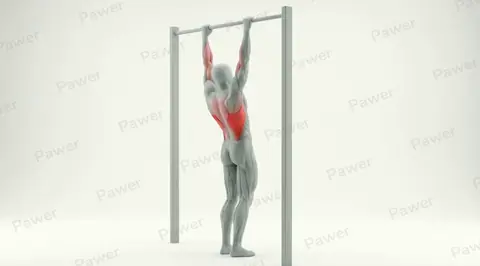
No. 1Best Overall
Pull Ups
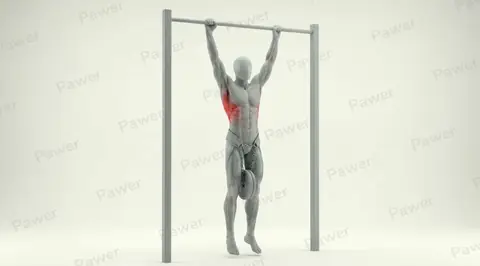
Pull-ups load the lats through a long range under your full bodyweight, and they keep progressing for years: more reps, slower lowering, then added weight. They need nothing but a bar. If you cannot do one yet, start with the assisted versions in the progression below.
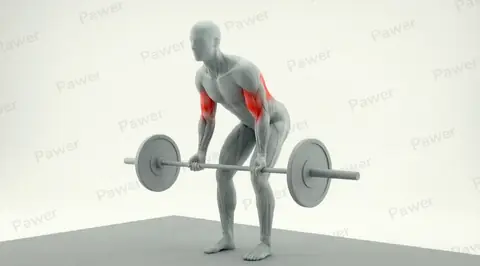
No. 2Best for Mass and Strength
Barbell Bent Over Row
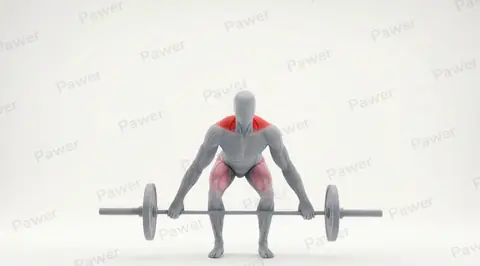
The bent-over row lets you pull more weight than almost any other row, training the lats, mid-back and biceps together while your trunk holds the hinge. It is the classic back-thickness lift. It suits intermediate lifters who can hold a flat back under load.
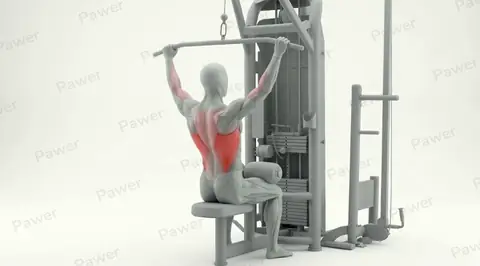
No. 3Best for Beginners
Lat Pulldown
The pulldown trains the same vertical pull as a pull-up, but you choose the load, so anyone can work through a full range with good form. It is the best way to build toward pull-ups and a staple for experienced lifters too.
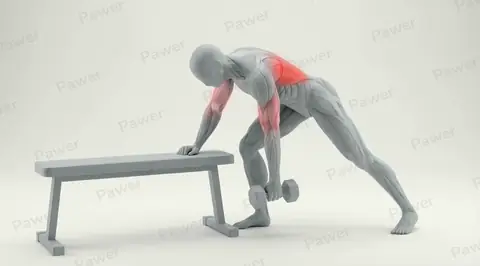
No. 4Best Unilateral Row
Dumbbell Single Arm Row
Bracing on a bench takes strain off the lower back and lets each side pull alone, so a stronger side cannot cover for a weaker one. The dumbbell can travel past your torso for a longer pull than a barbell allows. It works in any gym or home setup with a bench.
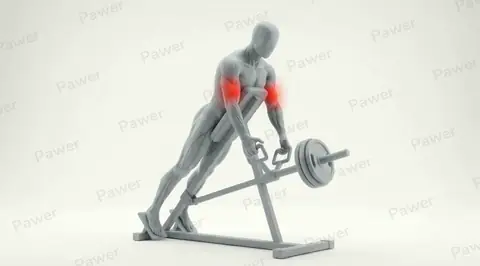
No. 5Best for Upper Back
Chest-Supported T-Bar Row
With your chest on a pad there is no hinge to hold and no way to swing, so all the effort goes into the lats, rhomboids and middle traps. You can load it heavily and still finish each rep with a full squeeze. It is a strong choice when your lower back is tired from squats or deadlifts.
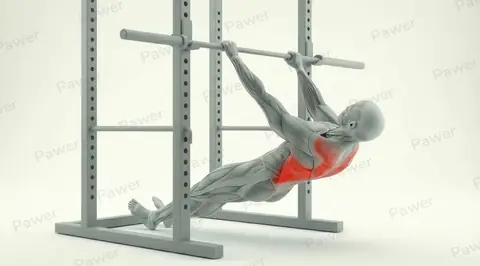
No. 6Best Bodyweight Row
Inverted Row
All you need is a bar at hip height. Walking your feet forward makes it harder, so it scales from total beginner to advanced. It is the natural horizontal partner to pull-ups for home and park training.
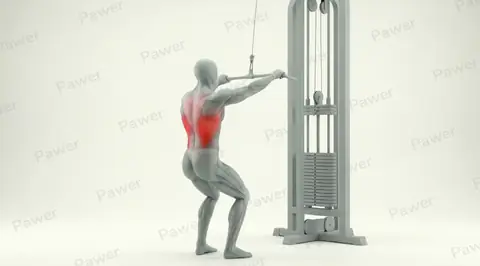
No. 7Best Lat Isolation
Straight-Arm Lat Pulldown
With the elbows nearly straight, the biceps drop out and the lats do almost all the work of pulling your arms down to your thighs. It is excellent for learning to feel your lats and as a finisher after heavier pulls.
Back muscle anatomy: lats, upper back and lower back
The latissimus dorsi is the largest muscle of the back. It runs from the lower spine and pelvis up to the front of the upper arm, so its job is to pull the arm down and back toward the body. Any pull where your elbows travel toward your hips trains the lats hardest, which is why pull-ups, pulldowns and rows with the elbows tucked are the foundation for back width.
The upper back muscles (rhomboids, middle and lower traps, teres major and rear delts) pull the shoulder blades together and move the arms back with the elbows flared. Rows that finish with a hard squeeze of the shoulder blades emphasize them. The spinal erectors along the lower back hold your torso rigid in every bent-over row and are trained directly by back extensions.
| Part | What it does | Best exercises |
|---|---|---|
| Lats | Pull the upper arm down and back toward the body | Pull Ups, Lat Pulldown, Straight-Arm Lat Pulldown, Dumbbell Single Arm Row |
| Teres major | Works with the lats to pull the arm down and in | Wide-Grip Lat Pulldown, Neutral-Grip Lat Pulldown, Machine Lat Pullover |
| Rhomboids and middle traps | Pull the shoulder blades together | Chest-Supported T-Bar Row, Wide-Grip Seated Cable Row, Seal Row, Inverted Row |
| Rear delts | Move the arm backward with the elbow flared | Barbell Bent Over Row - Overhand, Wide-Grip Seated Cable Row, Cable Rope Face Pulls |
| Spinal erectors (lower back) | Extend the spine and keep it rigid when you hinge | Back Extension, Dumbbell Back Extension, Pendlay Row |
The best back exercises compared
Pick one vertical pull and one or two rows for each back session. For the vertical pull, pull-ups and chin-ups are the best choice once you can do a few clean reps; until then, the lat pulldown gives you the same pattern with adjustable load. For rows, decide how much your lower back can handle that day. Free-standing barbell rows build the most total strength but tax the lower back, while chest-supported and bench-braced rows let you push your back muscles hard with almost no spinal load.
Grip and elbow path change the emphasis more than the equipment does. Keep your elbows close to your sides and pull toward your hips to bias the lats. Flare your elbows and pull toward your lower chest to bias the upper back. Neither is better; a complete program uses both.
| Exercise | Equipment | Difficulty | Best for | Lower back demand |
|---|---|---|---|---|
| Pull Ups | Bodyweight | Intermediate | Lat width and relative strength | Low |
| Chin Ups | Bodyweight | Intermediate | Lats and biceps together | Low |
| Lat Pulldown | Cable | Beginner | Learning the vertical pull | Low |
| Barbell Bent Over Row | Barbell | Intermediate | Heavy rows for overall thickness | High |
| Pendlay Row | Barbell | Intermediate | Explosive strength from a dead stop | High |
| Dumbbell Single Arm Row | Dumbbell and bench | Beginner | Fixing side-to-side imbalances | Low |
| Chest-Supported T-Bar Row | Machine | Beginner | Heavy upper back work | Low |
| Machine Seated Cable Row | Cable | Beginner | Controlled rows with constant tension | Moderate |
| Inverted Row | Bodyweight | Beginner | Rowing without weights | Low |
| Straight-Arm Lat Pulldown | Cable | Beginner | Isolating the lats | Low |
All 64 Back Exercises
All 64 back exercises in the library, grouped by difficulty. Each one has a video, step-by-step form and the muscles it works.
Beginner Back Exercises37
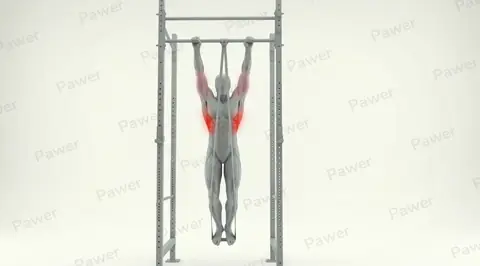 Band Assisted Pull-UpResistance band
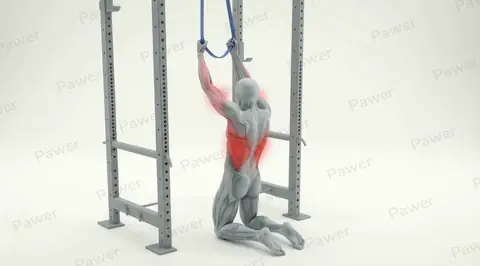 Band Kneeling PulldownResistance band
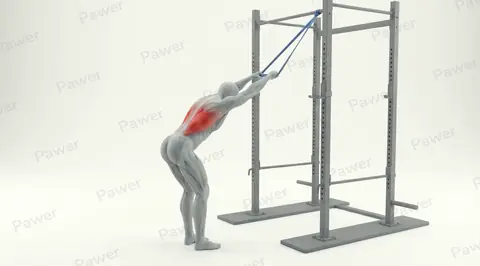 Band PulloverResistance band
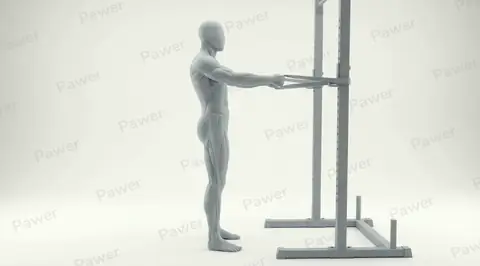 Band RowResistance band
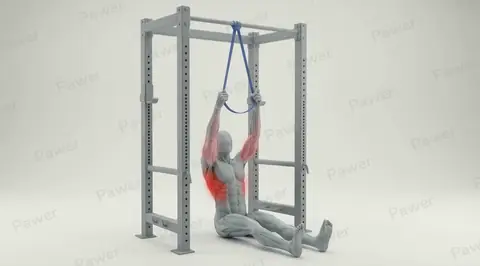 Band Seated PulldownResistance band
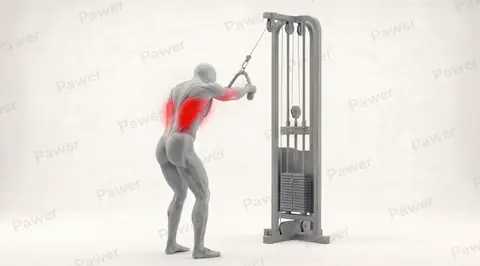 Cable Rope PulloverCable
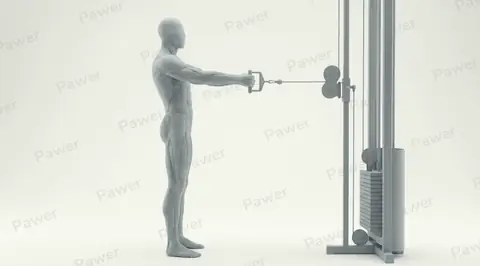 Cable Row Bar Standing RowCable
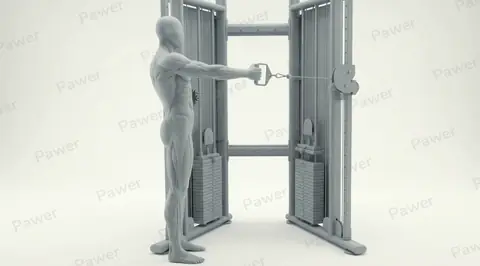 Cable Single Arm Neutral Grip RowCable
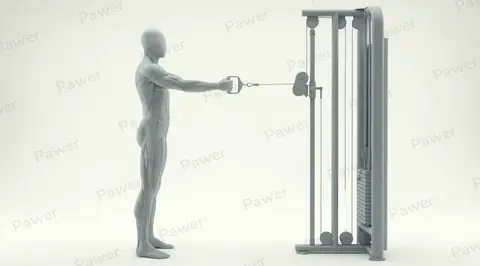 Cable Single Arm Underhand Grip RowCable
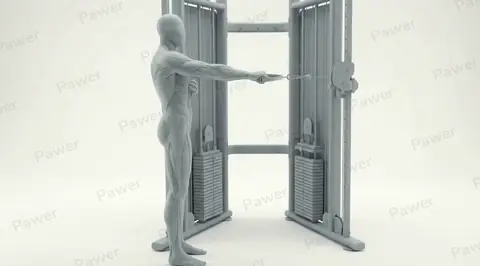 Cable Supinating RowCable
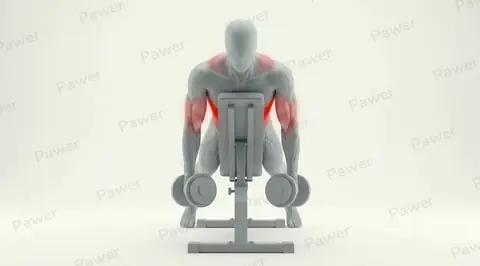 Chest-Supported Dumbbell RowDumbbell
- Chest-Supported T-Bar RowMachine
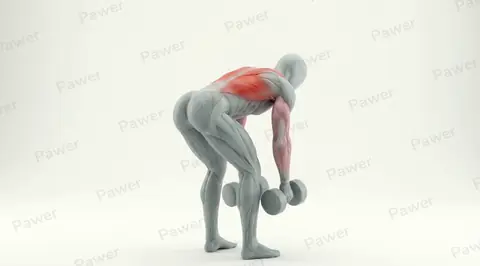 Dumbbell Row BilateralDumbbell
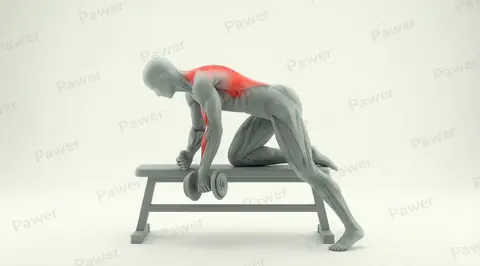 Dumbbell Row UnilateralDumbbell
- Dumbbell Single Arm RowDumbbell
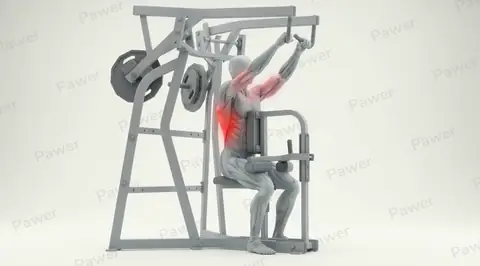 Hammer Strength High RowMachine
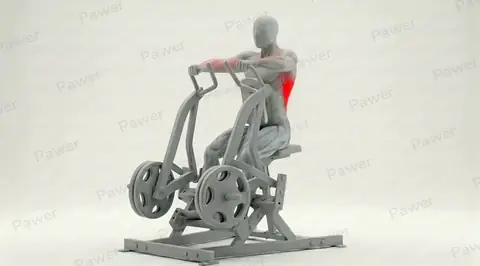 Hammer Strength Iso-Lateral RowMachine
- Inverted RowBodyweight
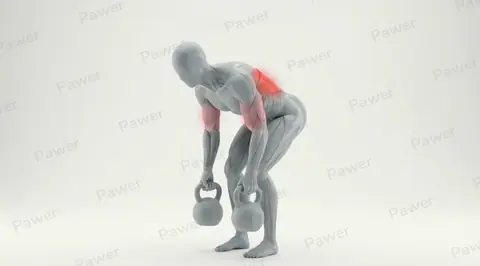 Kettlebell RowKettlebell
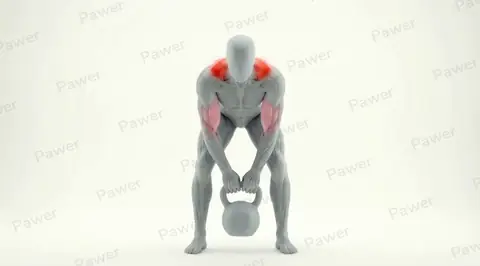 Kettlebell Row (Single)Kettlebell
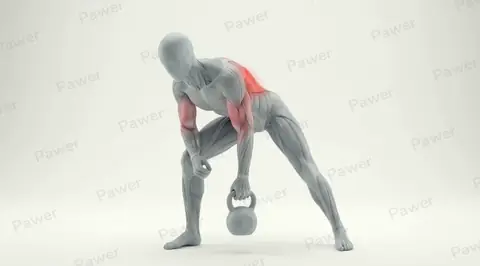 Kettlebell Single Arm RowKettlebell
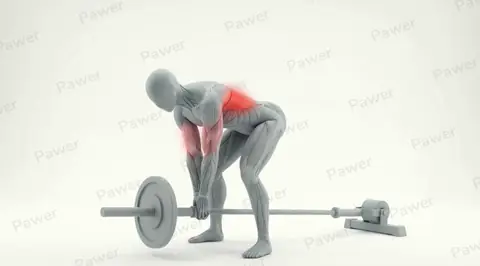 Landmine T Bar RowsBarbell
- Lat PulldownCable
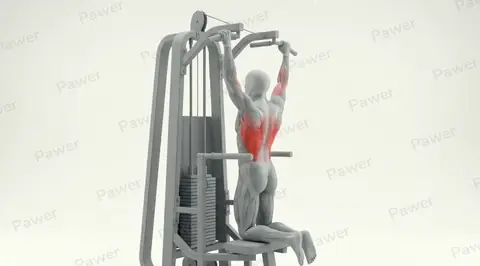 Machine Assisted Pull UpMachine
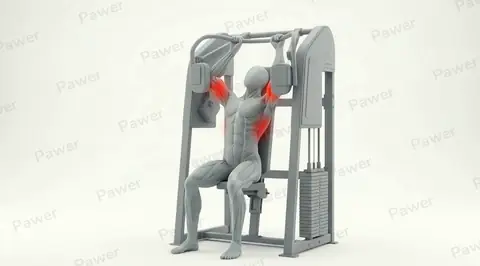 Machine Lat PulloverMachine
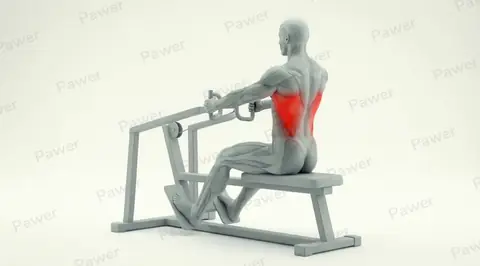 Machine Neutral RowMachine
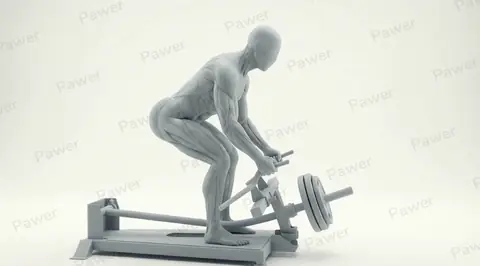 Machine Plate Loaded T Bar RowMachine
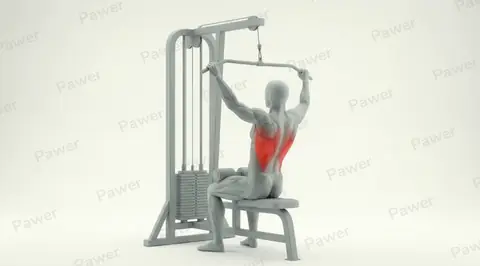 Machine PulldownMachine
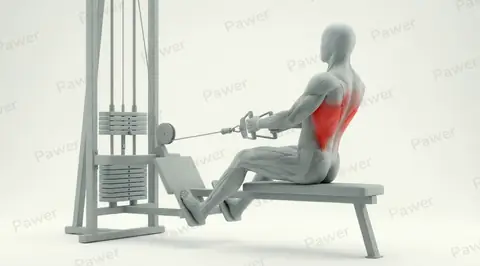 Machine Seated Cable RowCable
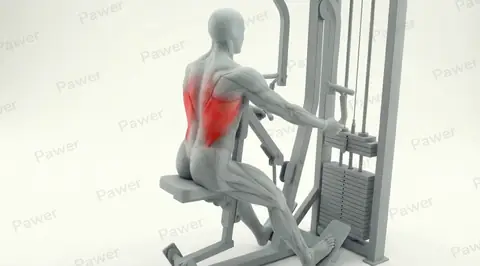 Machine Underhand RowMachine
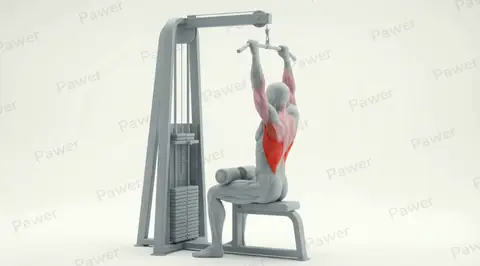 Narrow PulldownMachine
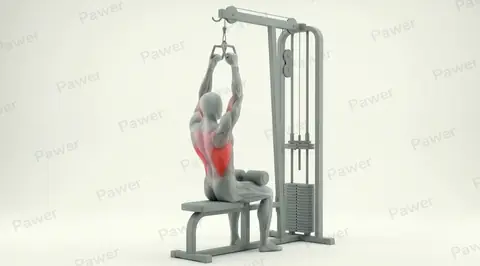 Neutral-Grip Lat PulldownCable
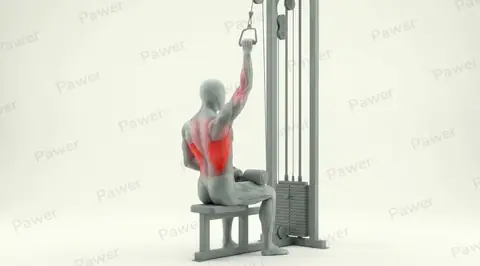 Single-Arm Lat PulldownCable
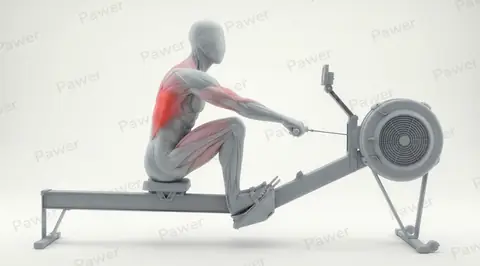 Steady-State Rowing MachineMachine
- Straight-Arm Lat PulldownCable
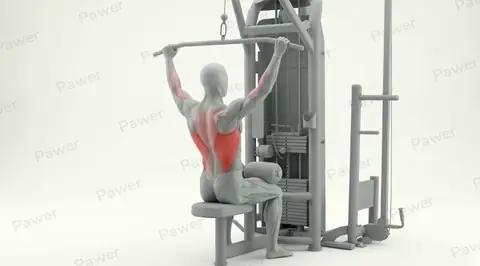 Wide-Grip Lat PulldownCable
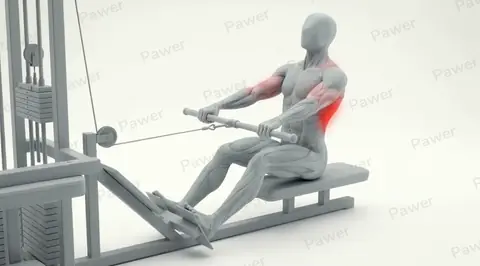 Wide-Grip Seated Cable RowCable
Intermediate Back Exercises22
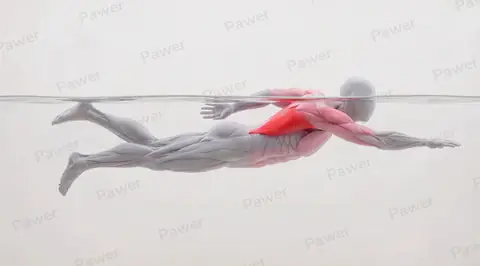
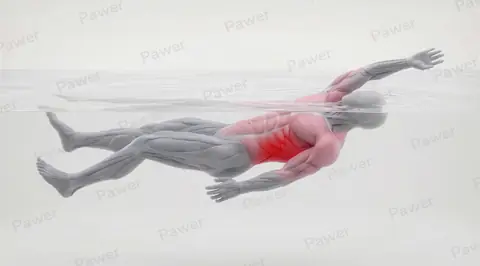 Backstroke SwimBodyweight
- Barbell Bent Over RowBarbell
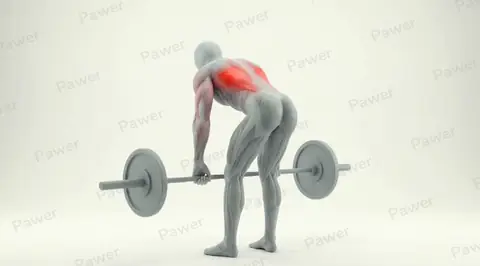 Barbell Bent Over Row - OverhandBarbell
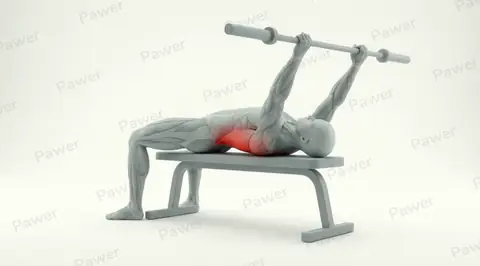 Barbell PulloverBarbell
 Breaststroke SwimBodyweight
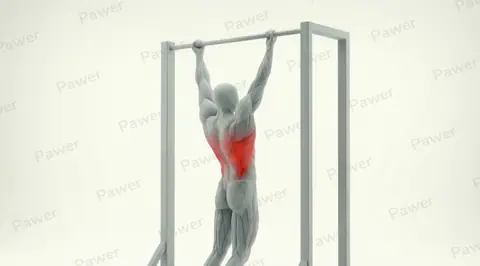 Chin UpsBodyweight
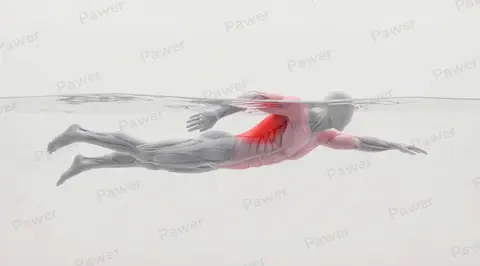 Freestyle SwimBodyweight
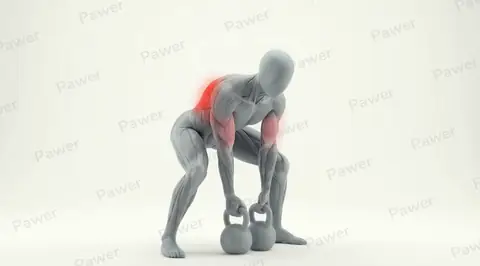 Kettlebell Gorilla RowKettlebell
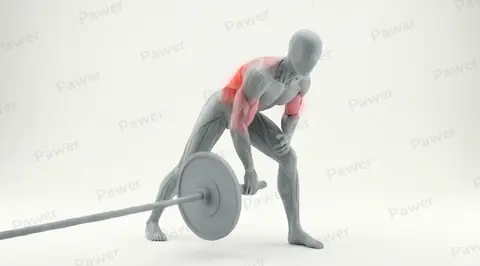 Meadows RowBarbell
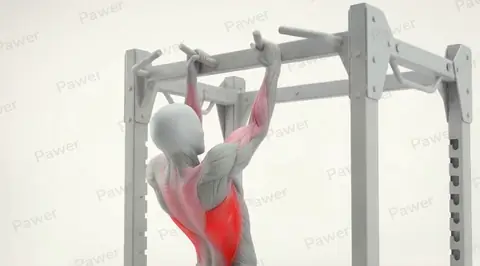 Neutral-Grip Pull-UpBodyweight
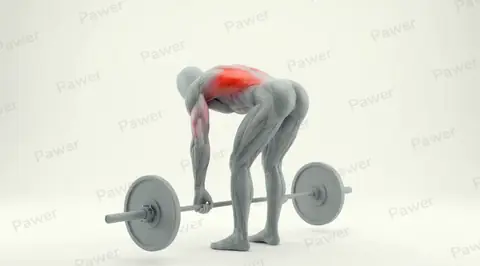 Pendlay RowBarbell
- Pull UpsBodyweight
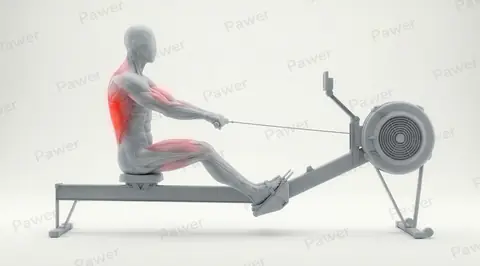 Rowing IntervalsMachine
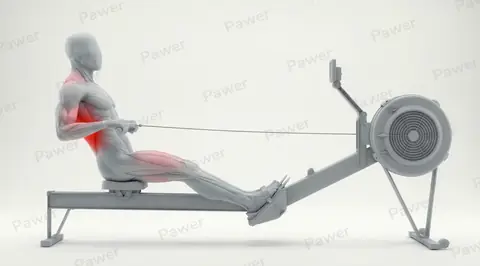 Rowing SprintMachine
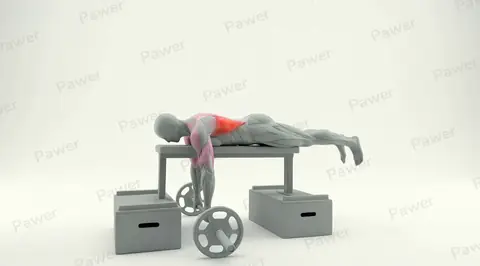 Seal RowBarbell
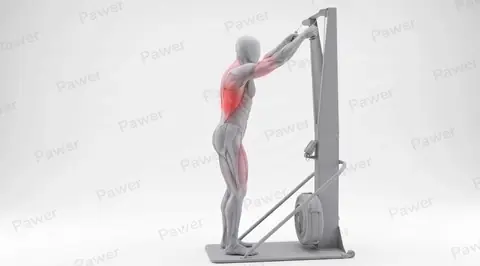 Ski ErgMachine
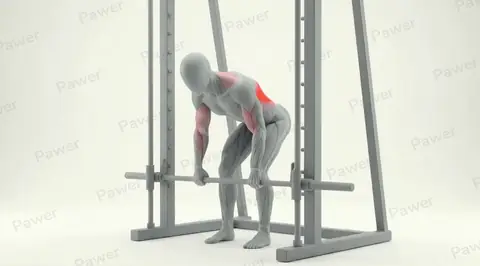 Smith Machine Bent-Over RowMachine
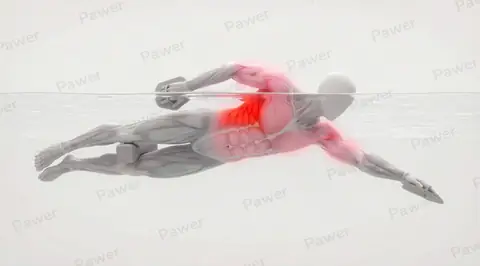 Swim Pull DrillBodyweight
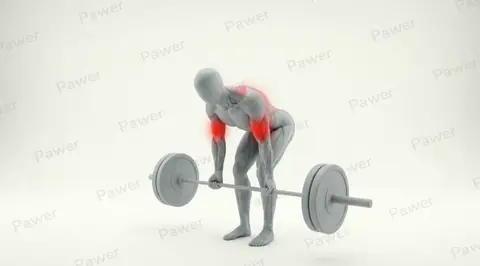 Underhand Barbell RowBarbell
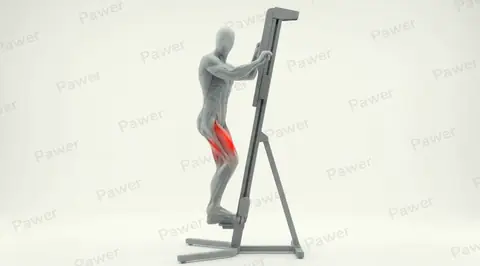 VersaClimberMachine
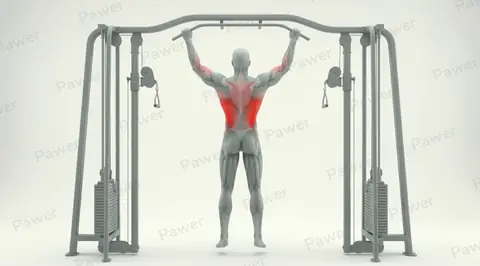 Wide-Grip Pull-UpBodyweight
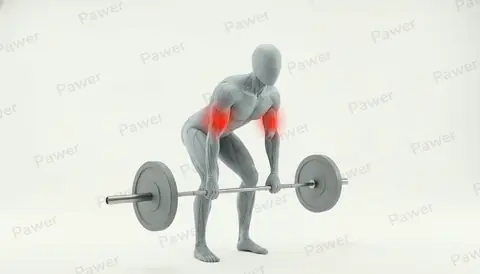 Yates RowBarbell
Advanced Back Exercises5
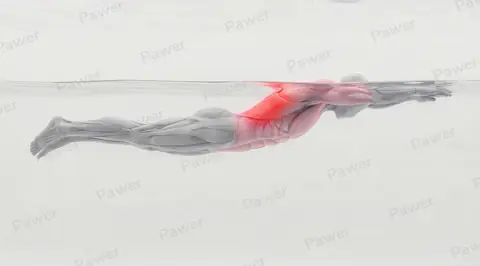
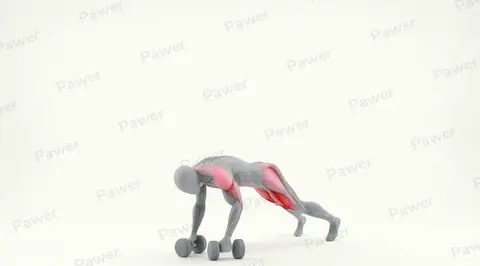
How to train your back: sets, reps and frequency
The back is a large group of muscles and handles plenty of work. For muscle growth, aim for roughly 10 to 20 hard sets per week, split about evenly between vertical pulls and rows, and spread over two sessions. Most back exercises work well in the 6 to 12 rep range, with isolation moves like straight-arm pulldowns and pullovers going up to 15.
Progress one variable at a time. On pull-ups, add reps until you can do around 10 to 12 clean ones, then add weight or slow the lowering phase. On rows and pulldowns, use a rep range and add load once you hit the top of it on every set with a full stretch and a full squeeze. If form starts to degrade into body swing, the weight went up too fast.
| Goal | Sets | Reps | Rest | Frequency |
|---|---|---|---|---|
| Muscle size | 3 to 4 per exercise, 10 to 20 per week | 6 to 12 (up to 15 on isolation) | 90 seconds to 2 minutes | 2 times per week |
| Strength | 3 to 5 on main pulls | 4 to 6 | 2 to 3 minutes | 2 times per week |
| Beginner | 2 to 3 per exercise | 8 to 12 | 60 to 90 seconds | 2 times per week |
| Muscular endurance | 2 to 3 | 12 to 20 | 45 to 60 seconds | 2 to 3 times per week |
Sample back workouts for the gym and home
Each workout pairs a vertical pull with rows and finishes with lighter isolation. Do the hardest movement first while you are fresh. The home workout assumes a pull-up bar, a pair of dumbbells and a band; swap the pull-ups for the band-assisted version if you cannot do 5 clean reps yet.
| Workout | Exercise | Sets | Reps | Rest |
|---|---|---|---|---|
| Gym workout | Pull Ups | 3 | 6 to 10 | 2 minutes |
| Gym workout | Barbell Bent Over Row | 4 | 6 to 10 | 2 minutes |
| Gym workout | Chest-Supported T-Bar Row | 3 | 8 to 12 | 90 seconds |
| Gym workout | Single-Arm Lat Pulldown | 2 | 10 to 12 per side | 60 seconds |
| Gym workout | Straight-Arm Lat Pulldown | 2 | 12 to 15 | 60 seconds |
| Home workout | Pull Ups | 3 | As many clean reps as possible | 2 minutes |
| Home workout | Dumbbell Single Arm Row | 3 | 8 to 12 per side | 90 seconds |
| Home workout | Dumbbell Row Bilateral | 3 | 10 to 12 | 90 seconds |
| Home workout | Band Pullover | 2 | 15 to 20 | 60 seconds |
| Beginner workout | Lat Pulldown | 3 | 10 to 12 | 90 seconds |
| Beginner workout | Machine Seated Cable Row | 3 | 10 to 12 | 90 seconds |
| Beginner workout | Machine Neutral Row | 2 | 10 to 12 | 90 seconds |
| Beginner workout | Back Extension | 2 | 12 to 15 | 60 seconds |
Common back training mistakes
Back training goes wrong in predictable ways, usually because the arms and momentum take over from the muscles you are trying to build.
- Pulling with your hands instead of your elbows. If your biceps give out first and you never feel your back, think of your hands as hooks and drive your elbows down or back.
- Swinging the weight up. Heaving your torso on rows and leaning far back on pulldowns moves more weight with less back work. Lower the load until your torso stays still and every rep ends in a controlled squeeze.
- Cutting the range short. Half reps skip the stretched position at the top of a pulldown and the full squeeze at the end of a row. Let your arms reach fully forward or overhead, then pull all the way in.
- Shrugging toward your ears. When the shoulders ride up during pulldowns and rows, the upper traps take over. Start each rep by setting your shoulders down and away from your ears.
- Training only one pulling direction. Plenty of people only do pulldowns, or only rows. Include both vertical pulls and rows every week to build width and thickness together.
- Stacking too many hinged rows. Bent-over barbell rows after heavy deadlifts can tire your lower back before your lats. Use chest-supported or bench-braced rows when your lower back is already worked.
How to get your first pull-up and keep progressing
Pull-ups are the most popular back benchmark and the one most people get stuck on. Build them in stages, moving to the next step once you can do 3 sets of 8 to 10 clean reps at the current one. Train the progression two or three times per week, and stop each set a rep or two before your form breaks down.
| Stage | Exercises | Move on when |
|---|---|---|
| 1. Foundation | Lat Pulldown, Inverted Row | 3 sets of 10 with good form |
| 2. Assisted | Band Assisted Pull-Up, Machine Assisted Pull Up | 3 sets of 8 with light assistance |
| 3. Bodyweight | Chin Ups, Pull Ups, Neutral-Grip Pull-Up | 3 sets of 10 strict reps |
| 4. Loaded | Weighted Pull Ups | Add load in small steps |
- Build a base with the lat pulldown and the inverted row, which train the same muscles while you control the load.
- Move to the band-assisted pull-up or the machine-assisted pull-up, using less help over time until the assistance is minimal.
- Practice full pull-ups or chin-ups for low reps across several sets, lowering yourself slowly on each rep.
- Once 10 or more strict pull-ups feel solid, progress to weighted pull-ups for sets of 4 to 8.
Frequently asked questions
What is the best back exercise?
The pull-up is the best single back exercise for most people, because it trains the lats through a long range and scales from assisted reps to added weight. No one exercise covers the whole back, though. Pair a vertical pull with a row so both the lats and the upper back muscles get direct work every week.
How do I get a wider back?
Width comes mainly from the lats, so prioritize vertical pulls such as pull-ups and pulldowns along with rows that drive the elbows toward the hips. A wider grip does not make your back wider by itself; full range, steady progression and enough weekly sets matter more. Lower body fat also makes the shape of your back far more visible.
How many back exercises should I do per workout?
Three to four is plenty for most people: one vertical pull, one or two rows and an optional isolation movement. Working each one hard for 2 to 4 sets is more productive than piling on six or seven exercises done at lower effort, which mostly adds fatigue without extra growth.
Can I train my back at home without equipment?
Yes, but you need something to pull against. A sturdy bar or doorway pull-up bar covers pull-ups and inverted rows, and a resistance band anchored overhead or at chest height gives you pulldowns, rows and pullovers. Pure floor exercises with no resistance train the lower back but do very little for the lats.
Is the deadlift a back exercise?
Partly. The deadlift is a hip hinge driven mostly by the glutes and hamstrings, while the spinal erectors, traps and lats work hard to keep the back rigid and the bar close. That builds a strong, thick back, but the lats never pull through a full range. You still need rows and pull-ups for complete back development.
Should I train back and biceps on the same day?
It is a common and sensible pairing, because every row and pulldown already works the biceps. Train back first while you are fresh, then add a few sets of curls. If your biceps tire before your back during pulls, focus on leading with the elbows rather than splitting the muscles onto separate days.
Back exercises by equipment
Narrow the list to what you actually have to train with.