Dumbbell Single Arm Row
 Anton YefanovUpdated
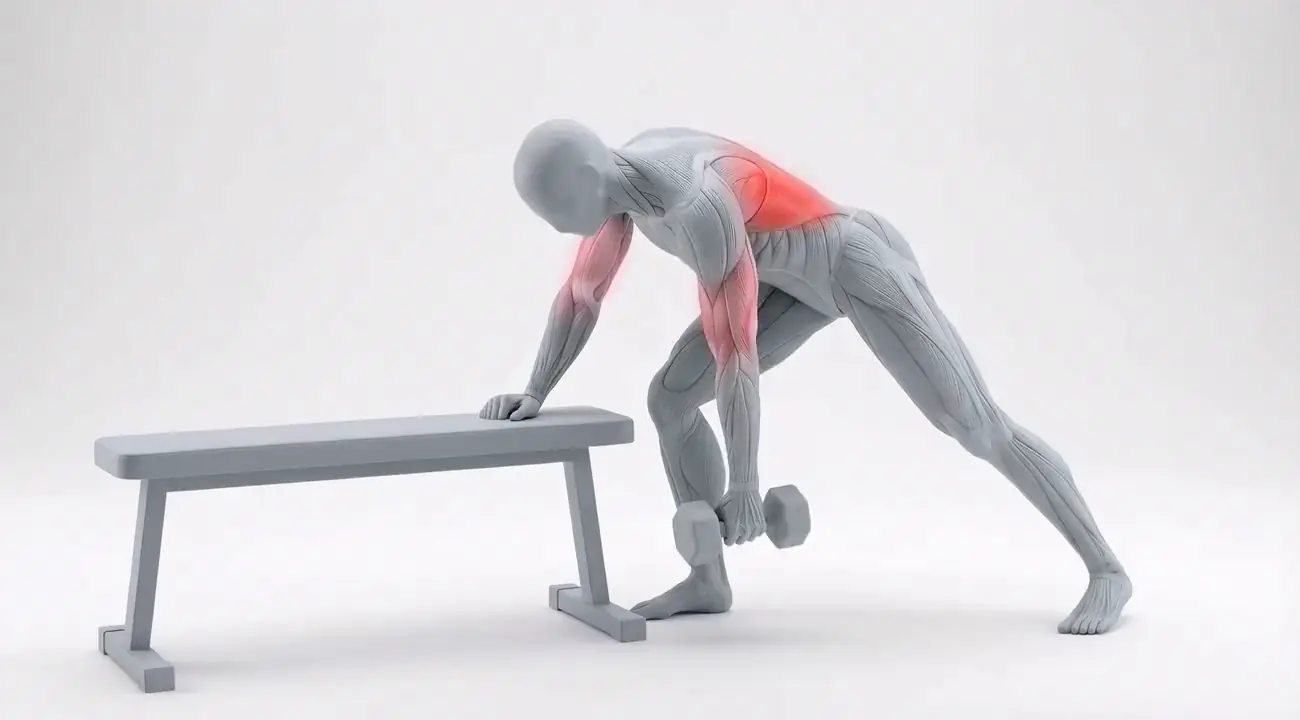
The dumbbell single arm row is the most-programmed unilateral back lift in strength training. Bracing one hand and one knee on a bench and rowing a dumbbell from full hang up to the ribs trains the lats and biceps through a long range of motion, with the bench support keeping the lower back safe and the working side fully isolated.
How to do the Dumbbell Single Arm Row
- Place one knee and the same-side hand on a flat bench with your back parallel to the floor.
- Hold a dumbbell in the opposite hand with your arm hanging straight down beneath your shoulder.
- Set a flat back, brace your core, and keep your hips square to the bench.
- Pull the dumbbell up to the side of your ribs by driving your elbow back along your body.
- Squeeze your shoulder blade in toward your spine at the top of the row and pause briefly.
- Lower the dumbbell slowly until your arm is fully extended again, then repeat for reps before switching sides.
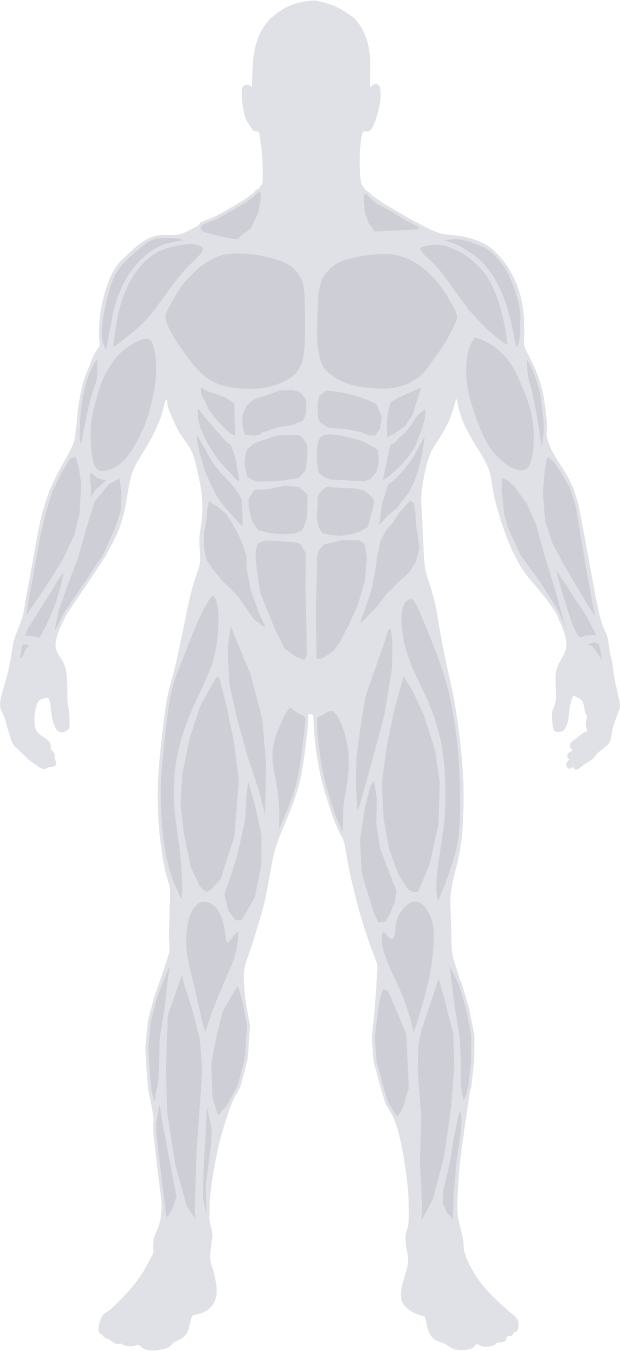
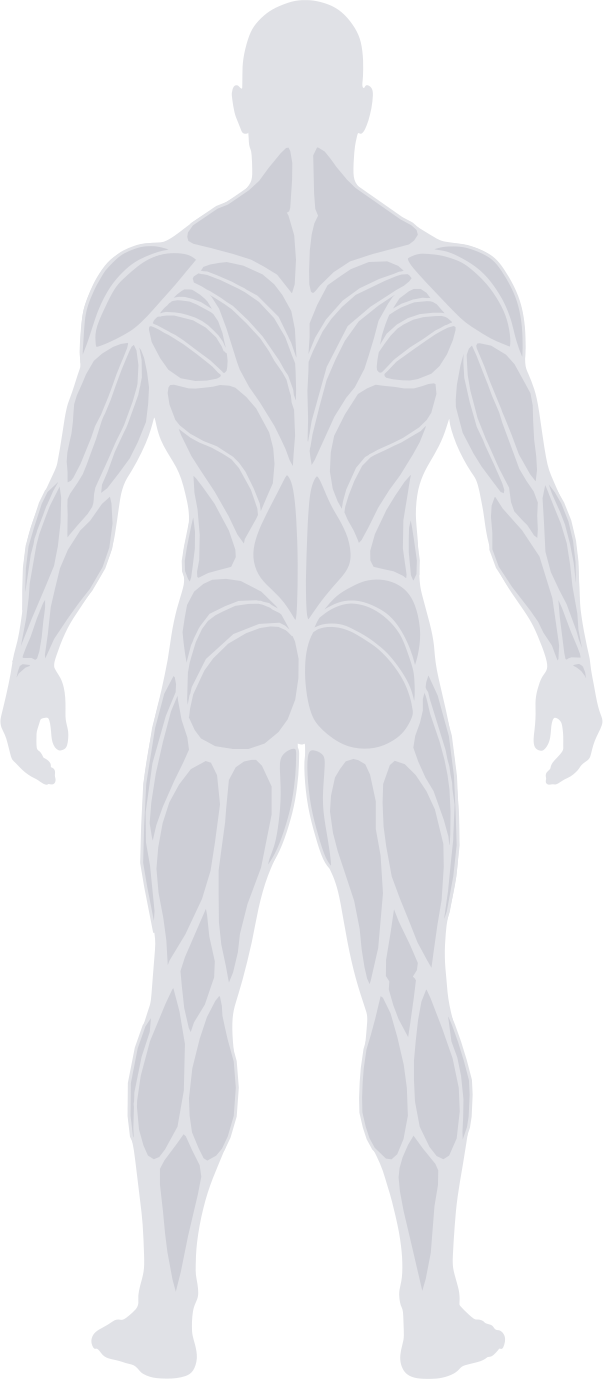
Muscles worked
Why train it
- Builds the lats and biceps one side at a time.
- Trains a long-range row with bench-supported safety.
- Fixes side-to-side imbalances in horizontal pulling.
Common mistakes
- Rotating the torso to throw the dumbbell up, which turns the row into a swing and offloads the back.
- Pulling with the arm only and letting the elbow flare wide, which trades lat work for rear-shoulder work.
- Rounding the lower back instead of bracing flat, which puts the spine at risk under load.
- Cutting the bottom range short and skipping the lat stretch, where most of the growth stimulus happens.
Frequently asked questions
What muscles does the Dumbbell Single Arm Row work?
The Dumbbell Single Arm Row trains the back as the main target. Expect the biceps to take some of the load as well.
What equipment do I need for the Dumbbell Single Arm Row?
Only a dumbbell. Nothing beyond that is required to run the movement the way it is described above.
Is the Dumbbell Single Arm Row suitable for beginners?
Yes. The Dumbbell Single Arm Row is rated beginner: the pattern is quick to pick up and forgiving when a rep drifts. Start light and add weight once the form repeats itself without you thinking about it.
Can I do the Dumbbell Single Arm Row at home?
Yes, if you own a dumbbell. That is the whole requirement, and it is the reason this one travels well between a home setup and a gym floor.
How many sets and reps of the Dumbbell Single Arm Row should I do?
Three to five sets of 6 to 12 reps. Pulling responds well to a full stretch at the top, so pick a load you can control all the way out rather than one you have to heave.
What are good alternatives to the Dumbbell Single Arm Row?
Band Assisted Pull-Up, Cable Rope Pullover, and Chest-Supported T-Bar Row train the same primary muscles as the Dumbbell Single Arm Row. Pick whichever one suits the equipment in front of you.
Work out your Dumbbell Single Arm Row weights
Estimate your max from a recent set, then find the weight for your next one.
- One Rep Max CalculatorTurn a recent set into an estimated max. Compare Epley, Brzycki and Lombardi, then read off your training percentages and every rep max from 2RM to 12RM.
- RPE CalculatorRate a set by effort, get an estimated max, and read off the weight for your next target. Includes a full RPE chart of percentages by reps and effort.
Similar exercises
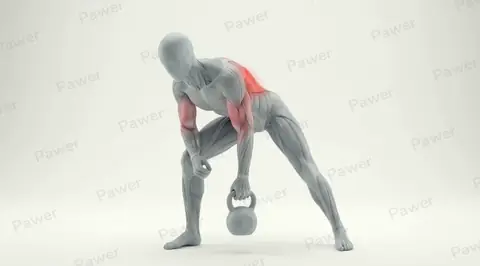 Kettlebell Single Arm RowKettlebell
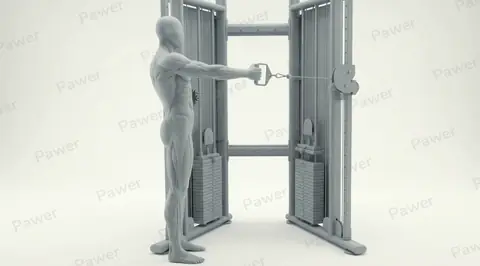 Cable Single Arm Neutral Grip RowCable
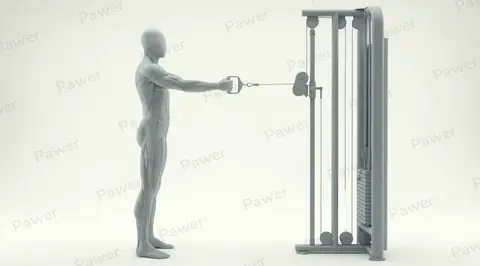 Cable Single Arm Underhand Grip RowCable
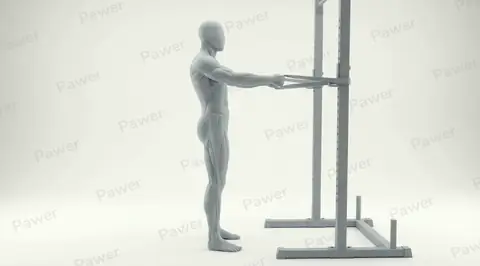 Band RowResistance band
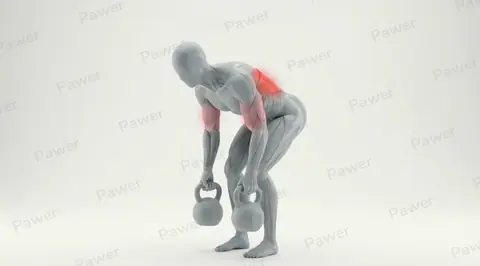 Kettlebell RowKettlebell
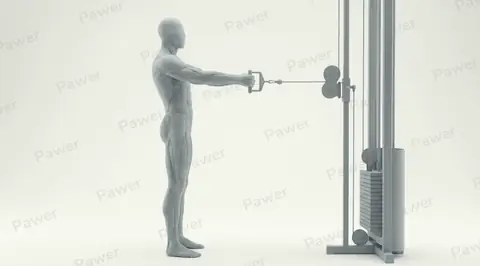 Cable Row Bar Standing RowCable
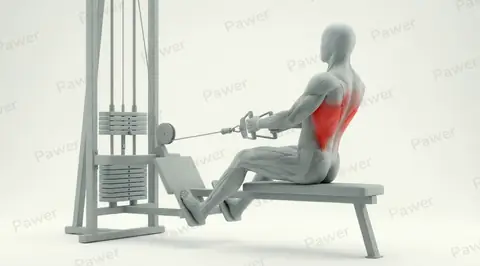 Machine Seated Cable RowCable
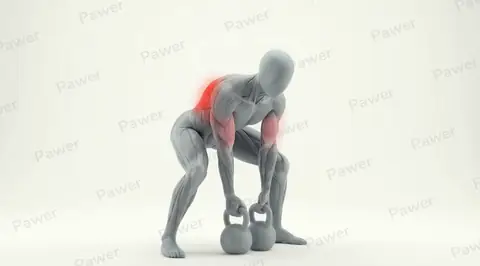 Kettlebell Gorilla RowKettlebell
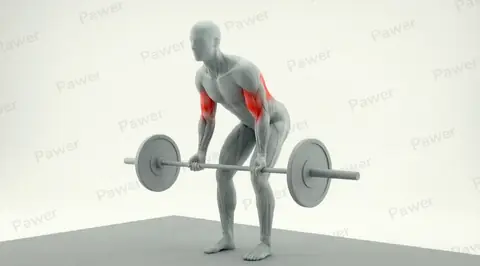 Barbell Bent Over RowBarbell
 Band Kneeling PulldownResistance band
By muscle
Every exercise is mapped to the muscles it trains. Browse by what you want to build.
By equipment
A full gym, a pair of dumbbells, or nothing at all: browse by what you have.