Cable Exercises
 Anton YefanovUpdated
The best cable exercises are the lat pulldown, the seated cable row, the cable fly and the rope pushdown: a cable station builds the back, chest, shoulders and arms with smooth, adjustable resistance from almost any angle. Add the face pull and the Pallof press and you also cover the rear delts and the core.
Cables do something free weights cannot. A dumbbell always pulls straight down, so it loads a muscle hard in one part of the rep and barely at all in another. A cable pulls along its line from the pulley, so by moving the pulley up or down you choose where the resistance lands, and the tension stays on through the whole rep. That makes cable exercises ideal for isolation work, for the stretched position of a muscle, and for core training that resists rotation.
This page shows the best cable exercises for each muscle, how cables compare with free weights and machines, how to pick attachments and pulley heights, and how many sets and reps to do. Three sample cable workouts follow, and every exercise links to a video with instructions.
Best Cable Exercises
These eight cable exercises earn a place in most programs. They cover vertical and horizontal pulling, chest and shoulder isolation, both arm muscles and the core.
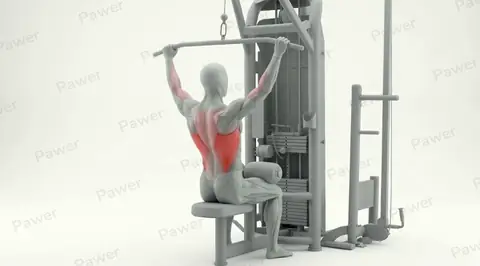
No. 1Best Overall
Lat Pulldown
The lat pulldown trains the lats, biceps and upper back through a full vertical pull, and the stack lets you set a load below your bodyweight. That makes it the best back builder for anyone who cannot yet do pull-ups and a staple for those who can. Pull the bar to your upper chest with your chest lifted, not behind your neck.
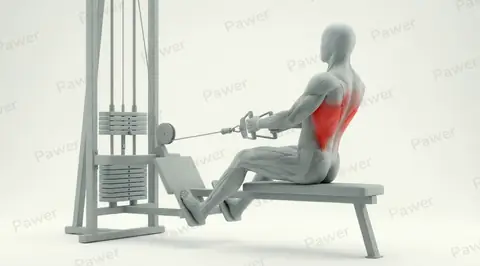
No. 2Best for Back Thickness
Machine Seated Cable Row
The seated cable row is the benchmark horizontal pull: the lats, mid-back and biceps work through a long range with your torso supported by your legs and the foot plate. Let the shoulder blades travel forward at the stretch, then row the handle to your lower ribs. Keep your torso still instead of rocking back.
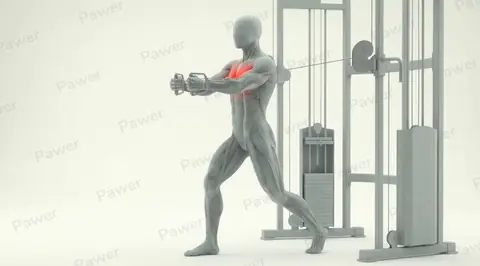
No. 3Best Chest Isolation
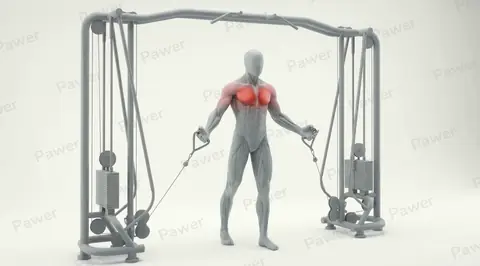
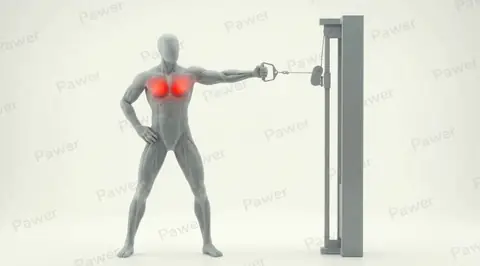
Cable Pec Fly
A standing cable fly keeps tension on the chest from the stretched position all the way to the squeeze, where a dumbbell fly goes slack. It is easy on the shoulders when you keep a soft bend in the elbows. Use it after your main press for high-quality chest volume.
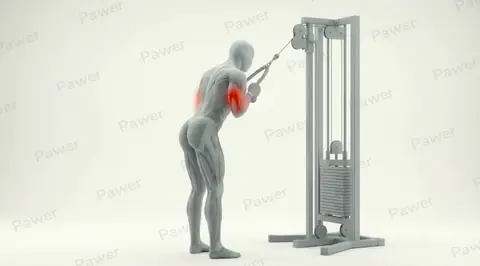
No. 4Best for Triceps
Cable Rope Pushdown
The rope pushdown isolates the triceps with almost no setup and lets the hands separate at the bottom for a full lockout. It is simple to learn, easy to load progressively and kind to the elbows. Pin your elbows to your sides so the triceps do all of the work.
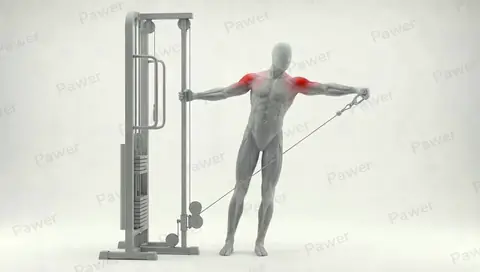
No. 5Best for Side Delts
Leaning Cable Lateral Raise
Leaning away from the stack lets the cable load the side delt from the very bottom of the raise, where a dumbbell lateral raise gives almost no resistance. Working one arm at a time also lets you fix imbalances. Go light and lift to about shoulder height.
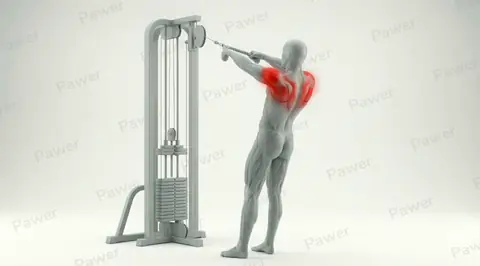
No. 6Best for Rear Delts
Cable Rope Face Pulls
Rope face pulls train the rear delts and the upper back muscles that pull the shoulders back, which balances heavy pressing. Set the pulley at or above head height and pull the rope apart toward your ears. Use it as a warm-up or at the end of an upper-body day.
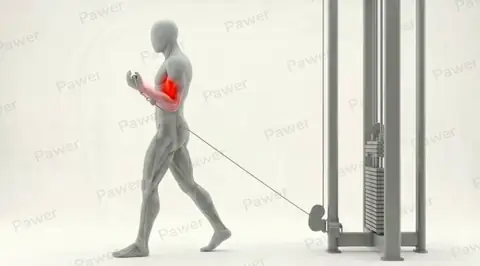
No. 7Best for Biceps
Bayesian Curl
Facing away from a low pulley with your elbow behind your body loads the biceps in their lengthened position, which few curls manage. It is an intermediate move that needs a light load and strict form. If it feels awkward, a cable bar curl is the simpler alternative.
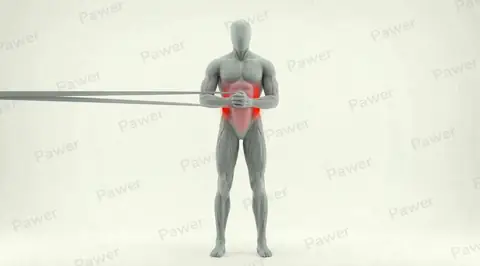
No. 8Best Core Exercise
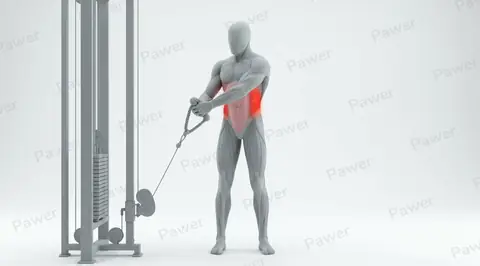
Pallof Press
The Pallof press trains the core to resist rotation: you press the handle out from your chest while the cable tries to twist you toward the stack. That anti-rotation strength carries over to lifting and sport, and the cable makes it easy to load in small steps. Stand side-on and keep your hips and ribs square.
Best cable exercises for each muscle group
Cables are at their best for the back, chest, shoulders, arms and core, where the ability to choose the line of pull makes isolation work more effective. They also offer useful glute work through hip extension and abduction. They are weak for the quads and calves: you cannot load a squat meaningfully on a cable, so pair cable training with leg presses, squats or split squats for your legs.
| Muscle | Best exercises | Why |
|---|---|---|
| Back | Lat Pulldown, Machine Seated Cable Row, Straight-Arm Lat Pulldown | Vertical and horizontal pulls plus a straight-arm move that loads the lats without the biceps |
| Chest | Cable Pec Fly, Cable Low-to-High Fly, Cable Chest Press | Constant tension from stretch to squeeze, and the pulley height decides which part of the chest works hardest |
| Side delts | Leaning Cable Lateral Raise, Cable Low Single Arm Lateral Raise | A low pulley loads the bottom of the raise that dumbbells miss |
| Rear delts and upper back | Cable Rope Face Pulls, Cable Seated Rope Face Pull | A high pulley lines the cable up with the rear delts as you pull toward your face |
| Triceps | Cable Rope Pushdown, Cable Rope Overhead Tricep Extension | Pushdowns load the lockout; overhead extensions stretch the long head |
| Biceps | Bayesian Curl, Cable Bar Curl, Cable Rope Hammer Curl | Tension at the bottom of the curl, plus a neutral grip option for the brachialis |
| Glutes | Cable Pull Through, Cable Kickback, Cable Hip Abduction | Hip extension and abduction loaded with very little stress on the spine |
| Core | Pallof Press, Kneeling Cable Crunch, Cable Wood Chopper | Anti-rotation, loaded flexion and rotation, all adjustable in small steps |
Cables vs free weights vs machines
Cables sit between free weights and machines. Like machines, they are easy to learn, quick to adjust and safe to take close to failure, because you can simply let the handle go. Like free weights, they let your body choose its own path, so your stabilizers still work and you can adjust the angle to suit your joints.
Choose cables for isolation exercises, for training a muscle in its stretched position, for single-arm work and for loaded core training. Choose barbells and dumbbells for your heaviest presses, squats and hinges, where a cable station simply cannot provide enough load or the right line of pull. Most well-built gym programs use both: free weights first, cables to finish.
| Equipment | Strength potential | Muscle building | Beginner friendly | Home friendly | Cost |
|---|---|---|---|---|---|
| Cables | Moderate | High, especially for isolation | High | Poor, unless you buy a cable tower | Gym membership or a large purchase |
| Dumbbells | Moderate to high | High | High | Good with an adjustable pair | Moderate |
| Barbell | Highest | High | Moderate, needs coaching | Needs a rack and space | High |
| Machines | Moderate to high | High | Very high | Poor | Gym membership |
| Resistance bands | Low to moderate | Moderate | High | Excellent | Low |
| Bodyweight | High for upper body, limited for legs | Good | High | Excellent | Free |
All 54 Cable Exercises
All 54 cable exercises in the library, grouped by difficulty. Each one has a video, step-by-step form and the muscles it works.
Beginner Cable Exercises49
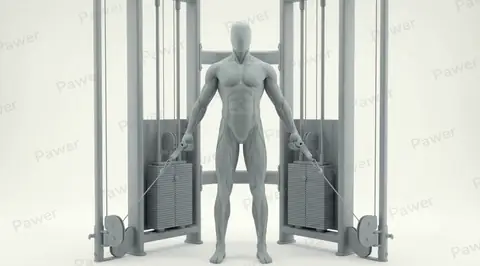 Cable 30 Degree ShrugCable
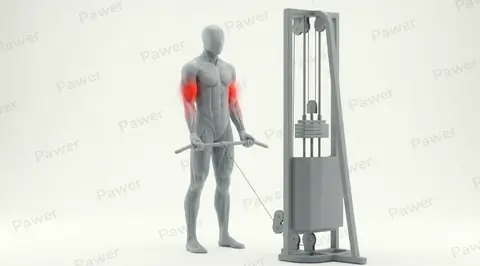 Cable Bar CurlCable
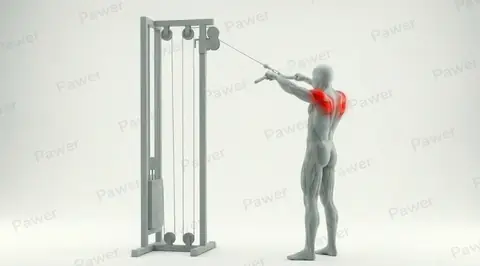 Cable Bar Face PullCable
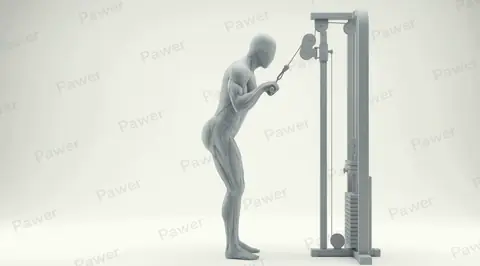 Cable Bar PushdownCable
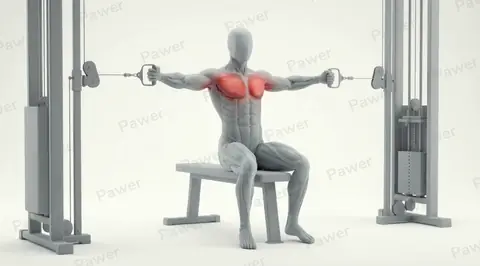 Cable Bench Chest FlyCable
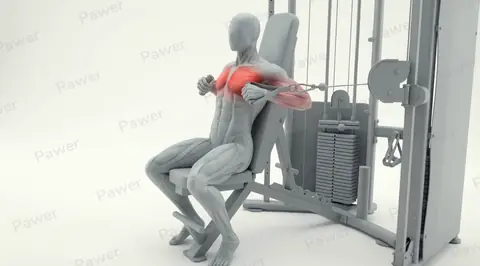 Cable Bench PressCable
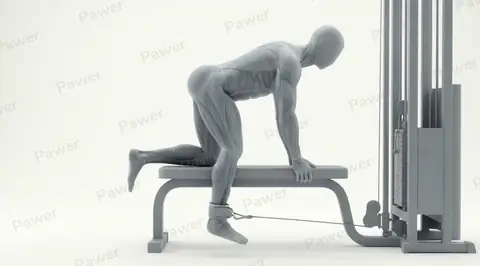 Cable Bench Straight Leg KickbackCable
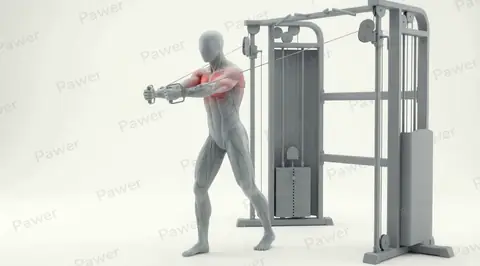 Cable Chest PressCable
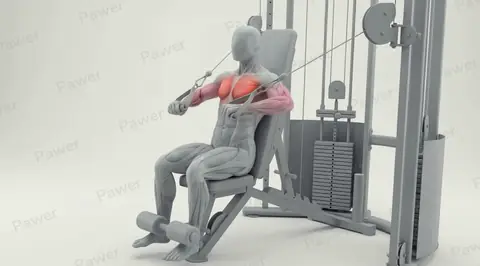 Cable Decline Bench PressCable
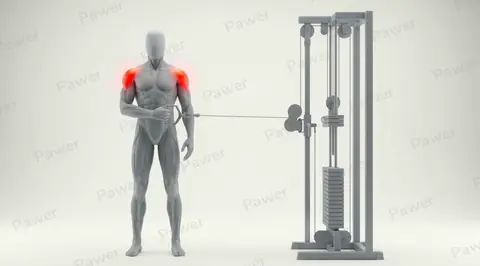 Cable External RotationCable
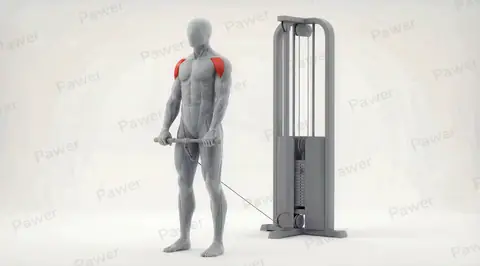 Cable Front RaiseCable
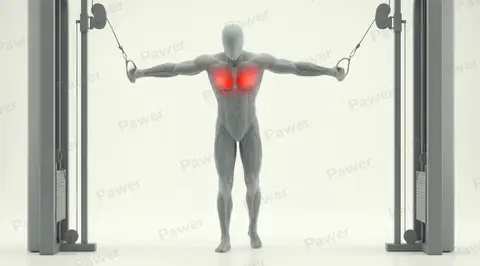 Cable High-to-Low FlyCable
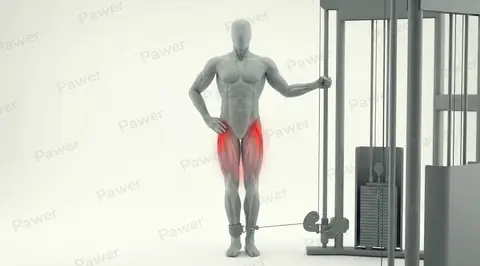 Cable Hip AbductionCable
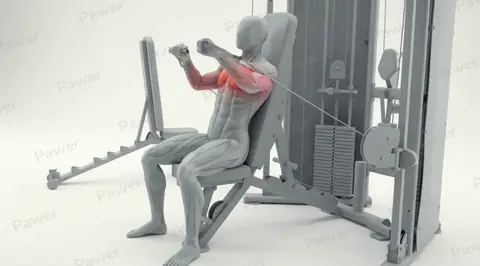 Cable Incline Bench PressCable
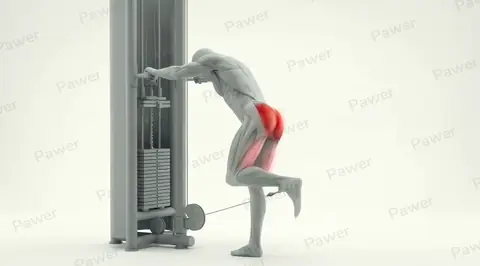 Cable KickbackCable
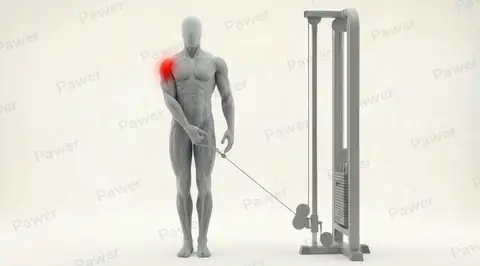 Cable Low Single Arm Lateral RaiseCable
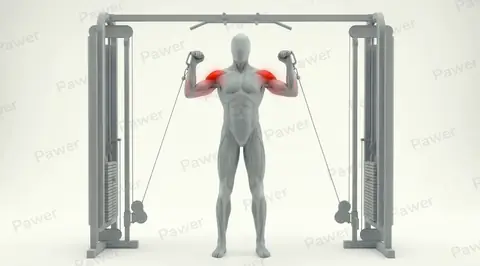 Cable Overhead PressCable
- Cable Pec FlyCable
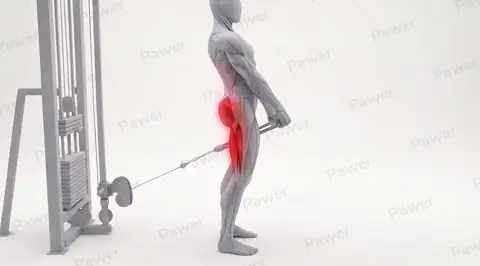 Cable Pull ThroughCable
- Cable Rope Face PullsCable
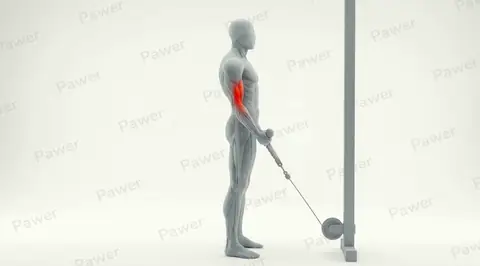 Cable Rope Hammer CurlCable
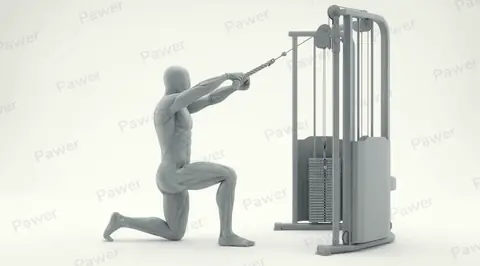 Cable Rope Kneeling Face PullCable
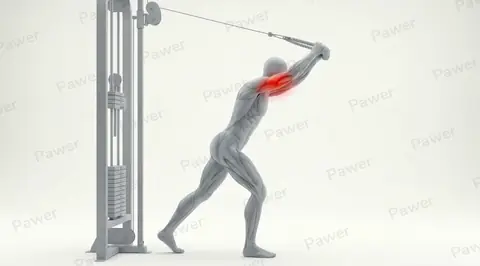 Cable Rope Overhead Tricep ExtensionCable
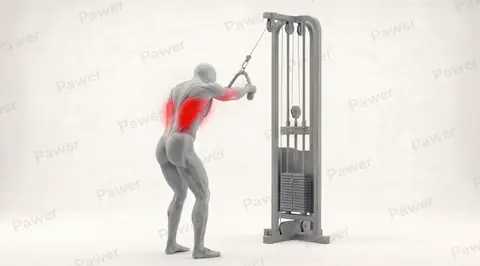 Cable Rope PulloverCable
- Cable Rope PushdownCable
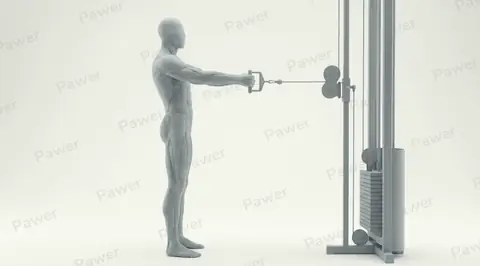 Cable Row Bar Standing RowCable
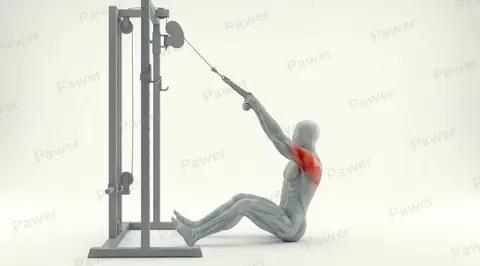 Cable Seated Rope Face PullCable
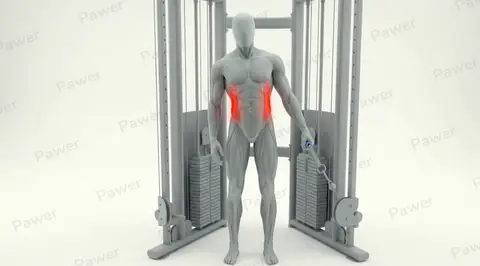 Cable Side BendCable
 Cable Single Arm Neutral Grip RowCable
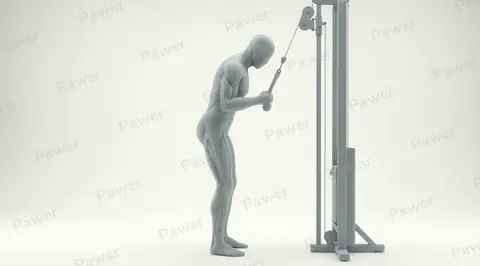 Cable Single Arm Rope PushdownCable
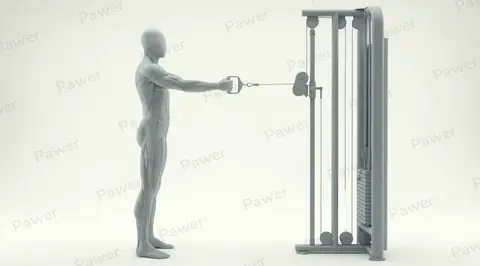 Cable Single Arm Underhand Grip RowCable
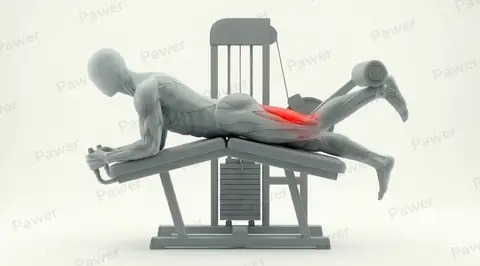 Cable Single Leg Laying Leg CurlCable
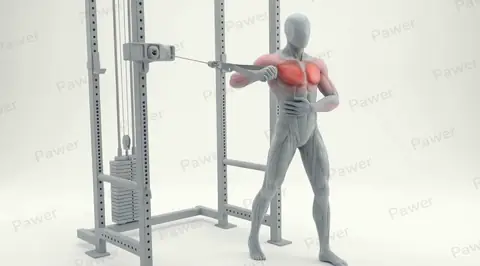 Cable Standing Single Arm Chest PressCable
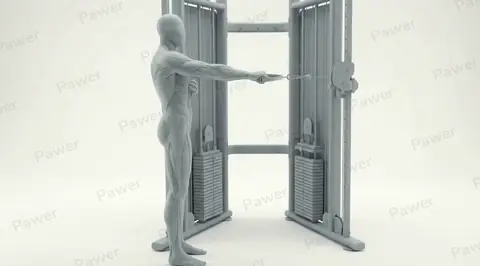 Cable Supinating RowCable
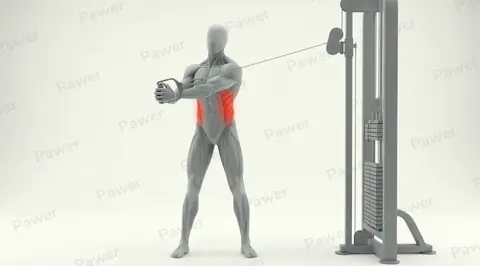 Cable Wood ChopperCable
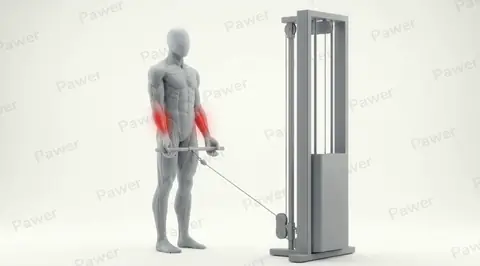 Cable Wrist CurlCable
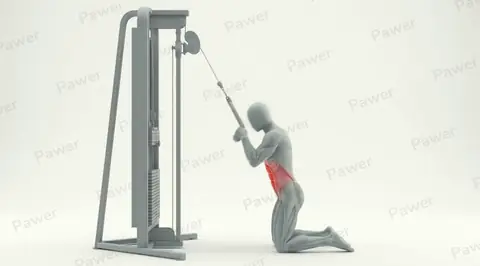 Kneeling Cable CrunchCable
- Lat PulldownCable
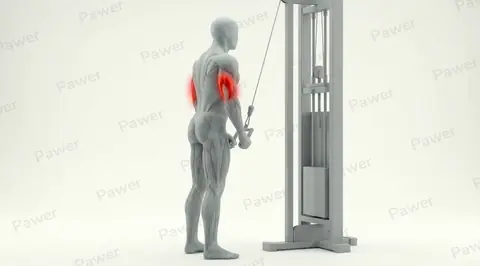 Machine Cable V Bar Push DownsCable
- Machine Seated Cable RowCable
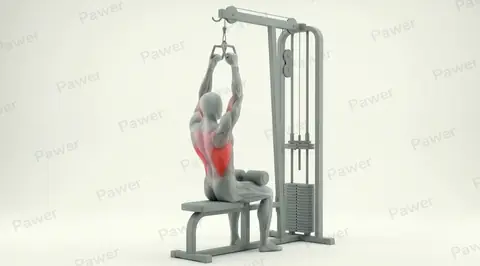 Neutral-Grip Lat PulldownCable
- Pallof PressCable · Resistance band
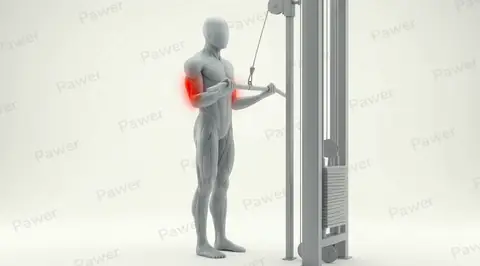 Reverse-Grip Tricep PushdownCable
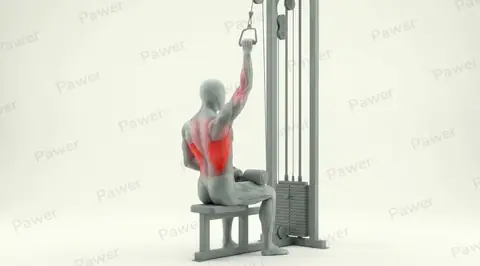 Single-Arm Lat PulldownCable
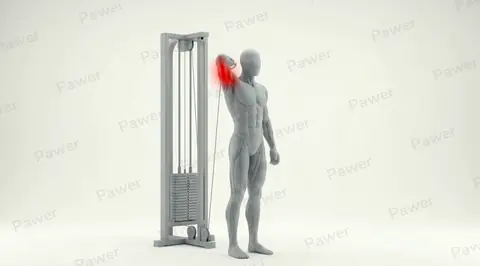 Single-Arm Overhead Cable ExtensionCable
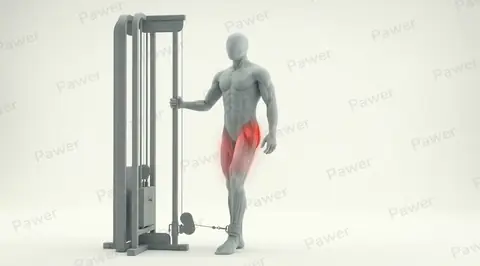 Standing Cable Hip AbductionCable
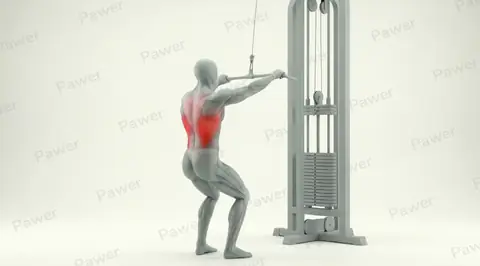 Straight-Arm Lat PulldownCable
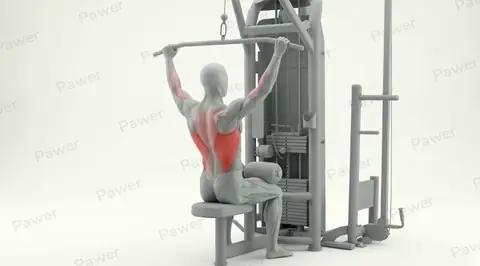 Wide-Grip Lat PulldownCable
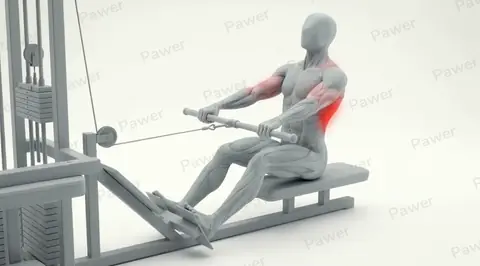 Wide-Grip Seated Cable RowCable
Intermediate Cable Exercises5
Getting started with cable exercises: attachments, stance and weight
Every cable exercise starts with three choices: the attachment, the pulley height and how far you stand from the stack. Clip the attachment on before you pick a weight, set the pulley so the cable runs in line with the movement, then step out far enough that the weight plates stay lifted off the stack at the stretched end of the rep. If the plates touch down, the muscle loses tension right where it should be working hardest.
Do not compare the numbers on one cable station with another. Many stations use pulleys that halve the felt resistance, and the pin numbers are not always pounds or kilograms. Treat each station as its own scale: start light, find a weight you can move for the target reps with two or three left in reserve, and note which machine you used so your log stays comparable.
| Attachment | Best for | Example exercises |
|---|---|---|
| Rope | Triceps, face pulls and hammer curls, because the hands can separate and rotate | Cable Rope Pushdown, Cable Rope Face Pulls, Cable Rope Hammer Curl |
| Straight bar | Two-handed curls, pushdowns and standing rows with a fixed grip | Cable Bar Curl, Cable Bar Pushdown, Cable Row Bar Standing Row |
| Long lat bar | Wide and medium-grip pulldowns | Lat Pulldown, Wide-Grip Lat Pulldown |
| V-bar or close-grip handle | Neutral-grip pulldowns, rows and pushdowns | Neutral-Grip Lat Pulldown, Machine Seated Cable Row, Machine Cable V Bar Push Downs |
| Single D-handle | One-arm presses, flyes, raises, rows and the Pallof press | Leaning Cable Lateral Raise, Cable Single Arm Neutral Grip Row, Pallof Press |
| Ankle cuff | Glute kickbacks, hip abduction and leg curls | Cable Kickback, Cable Hip Abduction, Cable Single Leg Laying Leg Curl |
Cable workout sets and reps: how to program cable training
Program compound cable pulls and presses like any main lift, in moderate rep ranges, and isolation cable moves in higher ranges where form stays clean. Most muscles grow well on about 10 to 20 hard sets a week split across two sessions, and cables make it easy to add that volume without beating up your joints.
Progress with reps first. Cable stacks often jump in large steps, so stay on a weight until you reach the top of your rep range on every set, then move up one plate and drop back to the bottom of the range. If the jump is too big for a lateral raise or a curl, work one arm at a time or add a pause at the hardest point before going heavier.
| Goal | Sets | Reps | Rest | Frequency |
|---|---|---|---|---|
| Muscle building: pulldowns, rows, presses | 3 to 4 | 6 to 12 | 90 seconds to 2 minutes | 2 sessions per muscle per week |
| Muscle building: flyes, raises, curls, pushdowns | 2 to 4 | 10 to 20 | 60 to 90 seconds | 2 sessions per muscle per week |
| Core strength | 2 to 3 | 8 to 12 per side, or 20 to 30 second holds | 60 seconds | 2 to 3 sessions per week |
| Warm-up and shoulder prep | 2 | 12 to 20 with a light load | 30 to 60 seconds | Before upper-body sessions |
Sample cable workouts: upper body, lower body and core, and beginner
The upper-body workout covers back, chest, shoulders and arms using one or two cable stations. The lower-body and core workout trains the glutes, hamstrings and trunk; add a squat or leg press beforehand if you have one, since cables cannot load the quads well. The beginner workout is a full-body session to run two or three times a week while you learn the setups.
| Workout | Exercise | Sets | Reps | Rest |
|---|---|---|---|---|
| Upper body | Lat Pulldown | 4 | 8 to 10 | 2 minutes |
| Upper body | Cable Chest Press | 3 | 8 to 12 | 90 seconds |
| Upper body | Machine Seated Cable Row | 3 | 10 to 12 | 90 seconds |
| Upper body | Cable Low-to-High Fly | 3 | 12 to 15 | 60 seconds |
| Upper body | Leaning Cable Lateral Raise | 3 | 12 to 15 per arm | 60 seconds |
| Upper body | Cable Rope Pushdown | 3 | 10 to 15 | 60 seconds |
| Upper body | Cable Bar Curl | 3 | 10 to 15 | 60 seconds |
| Lower body and core | Cable Pull Through | 4 | 10 to 12 | 90 seconds |
| Lower body and core | Cable Single Leg Laying Leg Curl | 3 | 10 to 12 per leg | 60 seconds |
| Lower body and core | Cable Kickback | 3 | 12 to 15 per leg | 60 seconds |
| Lower body and core | Cable Hip Abduction | 2 | 15 to 20 per leg | 45 seconds |
| Lower body and core | Kneeling Cable Crunch | 3 | 10 to 15 | 60 seconds |
| Lower body and core | Pallof Press | 3 | 10 per side | 45 seconds |
| Beginner full body | Lat Pulldown | 3 | 10 to 12 | 90 seconds |
| Beginner full body | Cable Chest Press | 3 | 10 to 12 | 90 seconds |
| Beginner full body | Cable Pull Through | 3 | 12 | 90 seconds |
| Beginner full body | Cable Rope Face Pulls | 2 | 15 | 60 seconds |
| Beginner full body | Cable Rope Pushdown | 2 | 12 to 15 | 60 seconds |
| Beginner full body | Pallof Press | 2 | 10 per side | 45 seconds |
Common cable training mistakes
Most cable mistakes come from setup rather than effort. Fix these and the same weights will train your muscles noticeably harder.
- Standing too close to the stack. If the plates rest on the stack at the bottom of each rep, the muscle gets a break at its stretched position. Take a step or two away so the weight stays lifted throughout.
- Letting the cable yank you back. The return phase builds muscle too. Control the handle back to the start over two or three seconds instead of letting the stack drop and bang.
- Using body swing to move the weight. Leaning back on pulldowns, rocking on rows and bobbing on pushdowns turn isolation exercises into momentum drills. Lower the weight until your torso can stay still.
- Setting the pulley at the wrong height. A lateral raise from a high pulley or a face pull from a low one changes which muscle works. Match the pulley to the line of the movement before you load it.
- Comparing numbers between cable stations. Pulley ratios and stack markings vary, so a jump in weight at a new gym may mean nothing. Log the station you used and compare like with like.
- Shrugging during pulldowns and raises. When the shoulders rise toward the ears, the upper traps take over. Start each rep by setting the shoulders down, then pull or raise.
How cable pulley height changes an exercise
The pulley height is the most powerful setting on a cable station. It decides the direction of the resistance, and the resistance is hardest when the cable runs at a right angle to your working limb. That is why the same fly or raise can shift its emphasis just by moving the pulley a few notches. Use this table as a quick reference when you set up.
| Pulley height | What it loads best | Exercises |
|---|---|---|
| High, above the head | Lats in pulldowns, triceps in pushdowns, lower chest in high-to-low flyes, rear delts in face pulls | Straight-Arm Lat Pulldown, Cable High-to-Low Fly, Cable Rope Pushdown, Cable Rope Face Pulls |
| Chest height | Horizontal presses and rows, mid-chest flyes and anti-rotation core work | Cable Chest Press, Cable Pec Fly, Cable Row Bar Standing Row, Pallof Press |
| Low, near the floor | Upper chest in low-to-high flyes, side delts in raises, biceps in curls, glutes in kickbacks and pull-throughs | Cable Low-to-High Fly, Cable Low Single Arm Lateral Raise, Bayesian Curl, Cable Pull Through |
Frequently asked questions
Are cable exercises good for building muscle?
Yes. Muscle grows from hard sets through a good range of motion, and cables deliver both with steady tension and easy, safe loading. They are especially effective for isolation work on the chest, shoulders, arms and back. They are less effective for the legs, so combine them with squats, leg presses or lunges for a complete program.
Are cables better than free weights?
Neither is better overall; they suit different jobs. Free weights allow heavier loading, so they suit the main presses, squats and hinges. Cables keep tension on through the whole rep and let you choose the angle, so they suit isolation and single-arm work. A program that starts with free-weight compounds and finishes with cables gets the advantages of both.
Can you do a full-body workout with only cables?
You can train most of the body: back, chest, shoulders, arms, glutes, hamstrings and core all have strong cable options. The gap is the quads and calves, which need a squat, lunge or leg press to be trained properly. If cables are all you have, add bodyweight split squats or step-ups to cover the front of the legs.
Why does the same weight feel different on different cable machines?
Cable stations differ in their pulley arrangements and in how their stacks are marked. Some halve the resistance you feel, and friction varies with wear and design. The number on the pin is only meaningful on that specific station, so log which one you use and judge progress by reps and effort rather than by comparing numbers across gyms.
Are cable exercises good for beginners?
They are among the best places to start. The handle path is easy to control, the weight adjusts in seconds, and you can end a set safely at any point by letting the stack return. Beginners can learn pulling, pressing and hinging patterns on cables, then carry that control over to dumbbells and barbells.
How heavy should I go on cable exercises?
Heavy enough that the last two or three reps of each set are hard, but light enough that your torso stays still. For pulldowns and rows that usually means 6 to 12 reps; for raises, flyes and pushdowns, 10 to 20. If you need to lean, swing or let the stack crash to finish, the weight is too heavy.
Cable exercises by muscle group
Pick the muscle you came to train, and see only the Cable work for it.