Wide-Grip Seated Cable Row
Also known as: Wide Grip Seated Row and Wide Grip Cable Row
 Anton YefanovUpdated
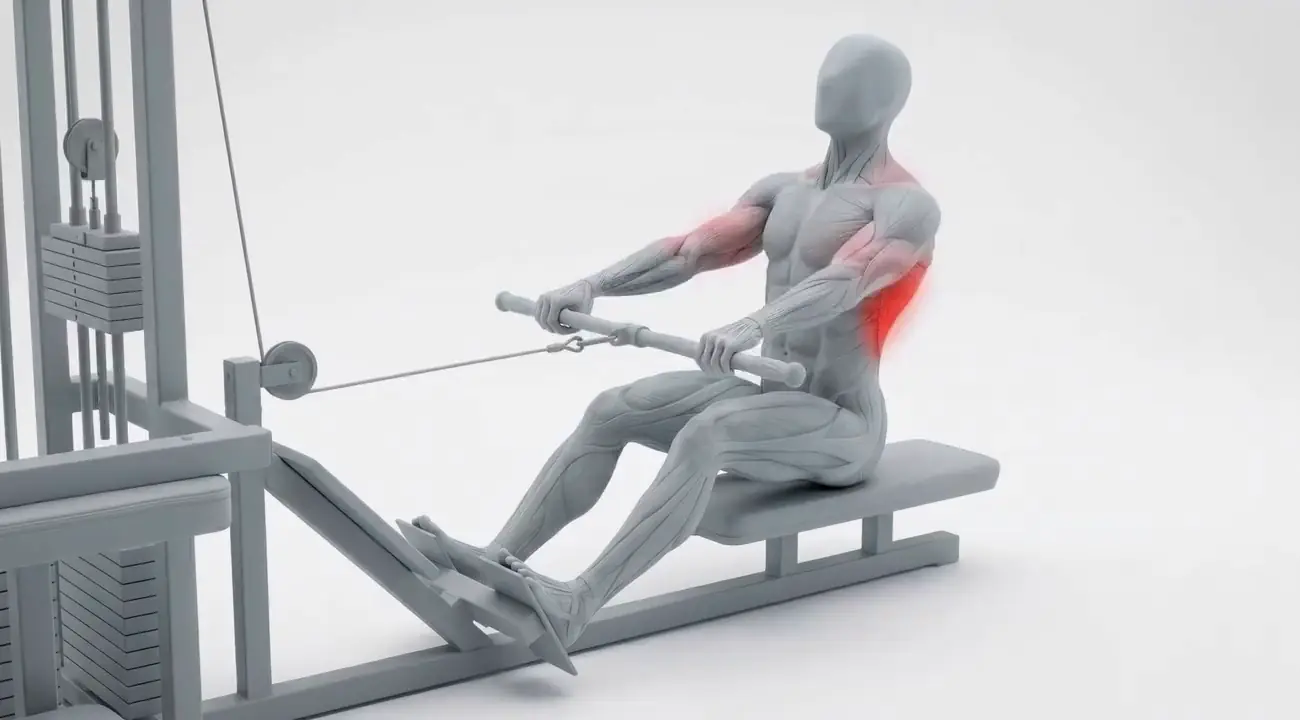
The wide-grip seated cable row is a horizontal pull from a low pulley with the hands set outside shoulder width. Because the elbows travel away from the ribs instead of tucking, the pull becomes transverse shoulder extension and the middle trapezius, rhomboids and rear deltoids take a larger share of the work than in a close neutral grip row, where the lats and rhomboids lead. The lats still contribute, the biceps assist, and the trunk stays upright with the shoulder blades depressed rather than shrugged toward the ears.
How to do the Wide-Grip Seated Cable Row
- Attach a wide bar to a seated row station and set the load.
- Sit with your feet on the plate, knees slightly bent, and take an overhand grip outside shoulder width.
- Sit tall, brace your abs and pull your shoulder blades down away from your ears.
- Row the bar to your upper abdomen with the elbows traveling out and back.
- Squeeze the shoulder blades together for a beat with the torso still.
- Extend the arms slowly to a full stretch without rounding your back and repeat.
Muscles worked
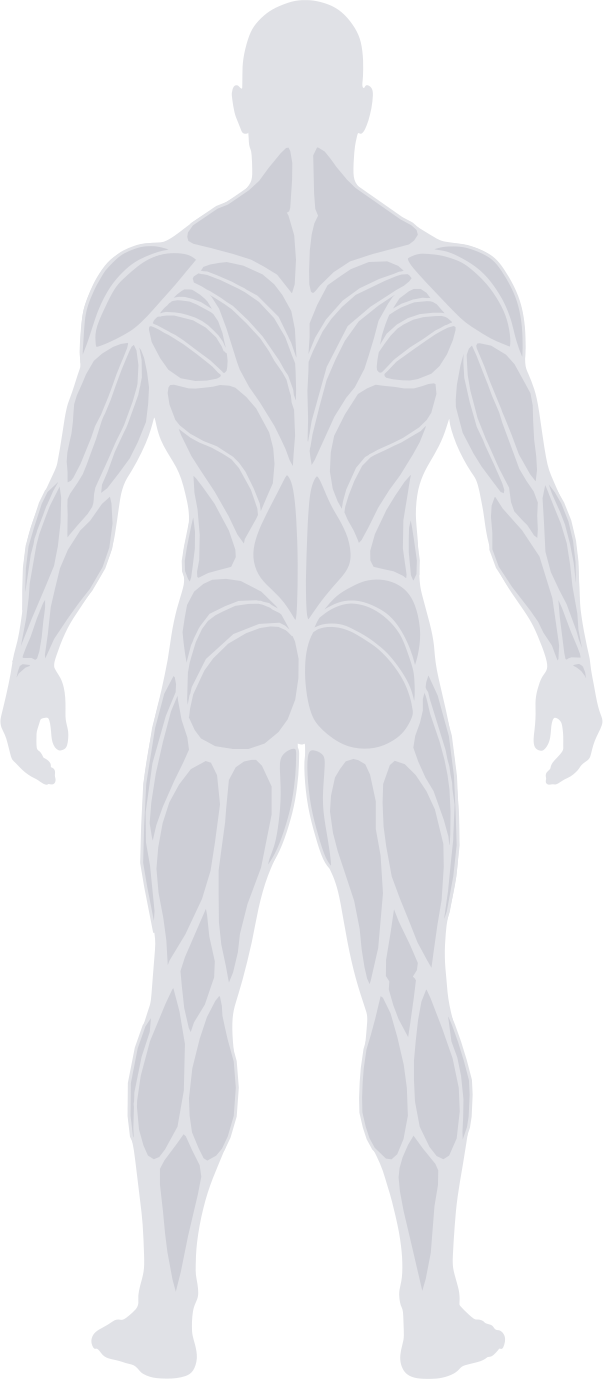
The wide-grip seated cable row works the upper back, mainly the middle traps, rhomboids and lats, with the rear delts and biceps assisting. Taking an overhand grip outside shoulder width sends the elbows out and back instead of along the ribs, so the row becomes horizontal shoulder abduction plus shoulder blade retraction.
That elbow path hands more of the work to the mid traps, rhomboids and rear delts than a close neutral grip row, where the lats lead. The lats still help pull the upper arm back, but the upper back works hardest at the end of the row, when the bar reaches your upper abdomen and the shoulder blades squeeze together. At the full stretch, the shoulder blades should spread apart under control without your back rounding. Keeping the shoulders down and the torso still stops the upper traps and lower back from taking over the pull.

Why train it
- Biases the mid-back and rear shoulder more than a close grip row.
- Supported seated position keeps the lower back out of the lift.
- Constant cable tension across the whole pulling range.
Common mistakes
- Rocking the torso back and forth, which turns a back exercise into a hip movement.
- Shrugging the shoulders toward the ears, which loads the upper traps instead of the mid-back.
- Rounding the lower back on the return, which puts the lumbar spine under a stretched load.
- Letting the weight stack pull the arms out fast, which loses tension at the end of the range.
Frequently asked questions
What equipment do I need for the Wide-Grip Seated Cable Row?
Only a cable machine. Nothing beyond that is required to run the movement the way it is described above.
Is the Wide-Grip Seated Cable Row suitable for beginners?
Yes. The Wide-Grip Seated Cable Row is rated beginner, and the machine holds the path for you, so there is little to get wrong once the seat and the pin are set.
Can I do the Wide-Grip Seated Cable Row at home?
Only if your home setup runs to a cable machine. Most do not, so this is usually a gym movement. The alternatives below cover the same muscles with kit you are more likely to have.
How many sets and reps of the Wide-Grip Seated Cable Row should I do?
Three to five sets of 6 to 12 reps. Pulling responds well to a full stretch at the top, so pick a load you can control all the way out rather than one you have to heave.
What are good alternatives to the Wide-Grip Seated Cable Row?
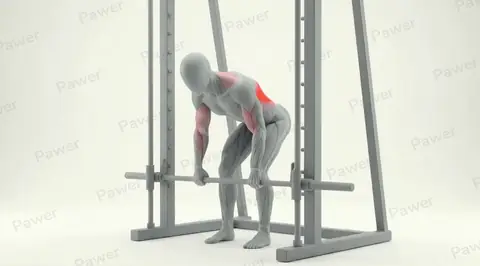
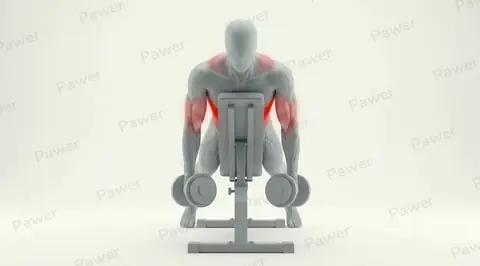
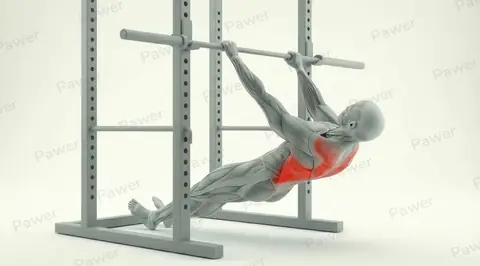
Chest-Supported Dumbbell Row, Chest-Supported T-Bar Row, and Inverted Row train the same primary muscles as the Wide-Grip Seated Cable Row. Pick whichever one suits the equipment in front of you.
Work out your Wide-Grip Seated Cable Row weights
Estimate your max from a recent set, then find the weight for your next one.
- One Rep Max CalculatorTurn a recent set into an estimated max. Compare Epley, Brzycki and Lombardi, then read off your training percentages and every rep max from 2RM to 12RM.
- RPE CalculatorRate a set by effort, get an estimated max, and read off the weight for your next target. Includes a full RPE chart of percentages by reps and effort.
Similar exercises


By muscle
Every exercise is mapped to the muscles it trains. Browse by what you want to build.
By equipment
A full gym, a pair of dumbbells, or nothing at all: browse by what you have.