Dumbbell Row Bilateral
Also known as: Bilateral Dumbbell Row, Two Arm Dumbbell Row, and Bent Over Dumbbell Row
 Anton YefanovUpdated
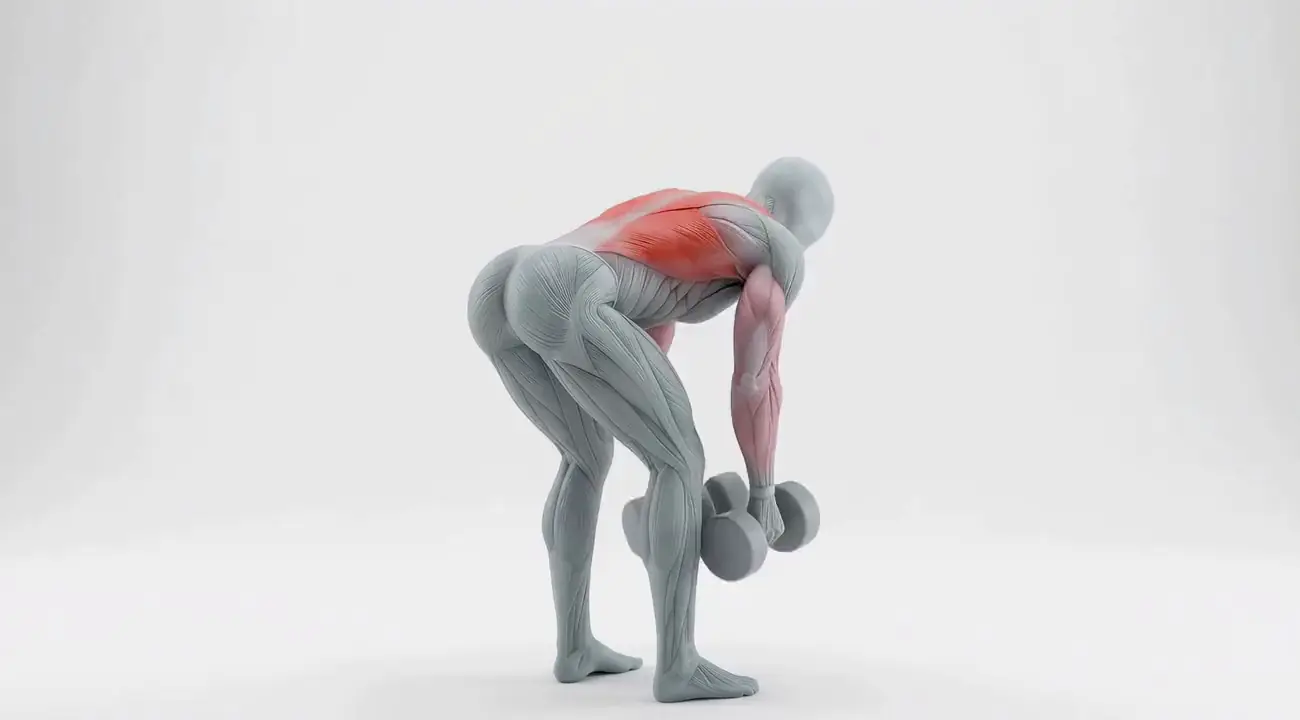
The bilateral dumbbell row is a bent-over horizontal pull performed with a dumbbell in each hand. Pulling both weights to the ribs at the same time loads the lats, the mid-back, and the biceps, while the hinged position forces the lower back and core to brace hard for stability under load.
How to do the Dumbbell Row Bilateral
- Stand with a dumbbell in each hand, feet hip-width apart, and a slight bend in the knees.
- Hinge at the hips until the torso is at about a 45 degree angle, keeping the back flat and the chest proud.
- Let both dumbbells hang straight down beneath the shoulders, palms facing each other.
- Pull both dumbbells up to the ribs at the same time, driving the elbows back toward the ceiling.
- Squeeze the shoulder blades together at the top with the dumbbells touching the lower-rib line.
- Lower both dumbbells under control over 2 to 3 seconds back to the fully extended hanging position.
Muscles worked
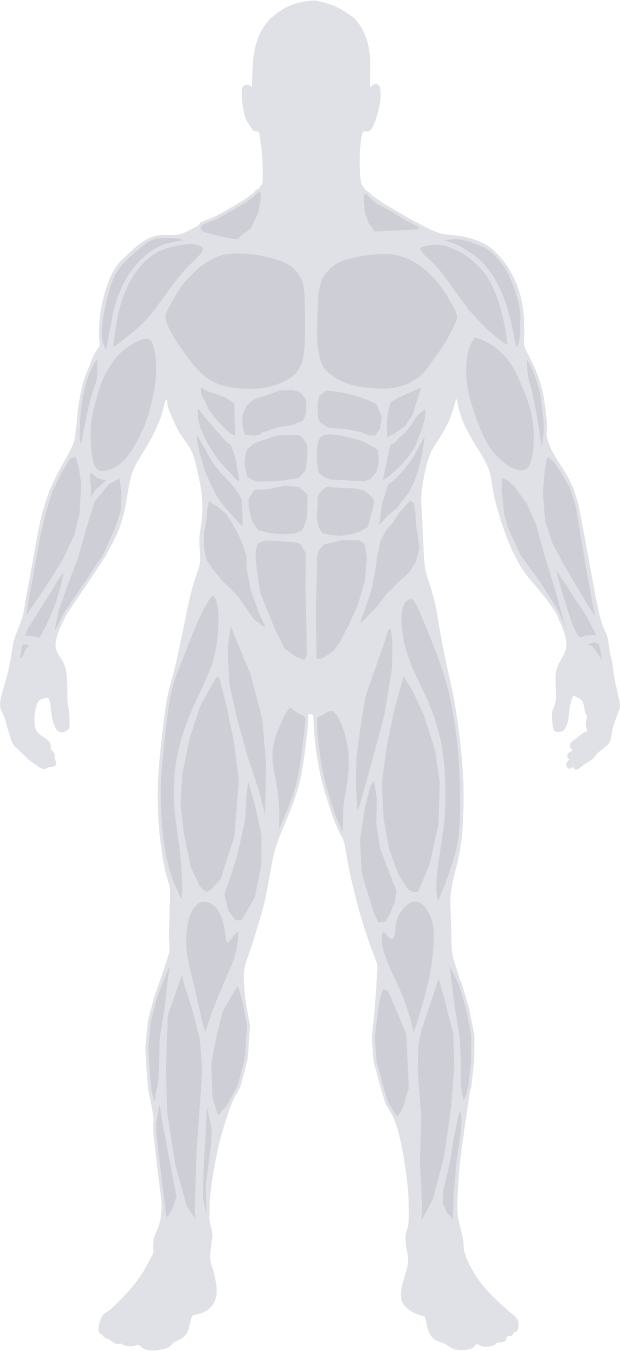
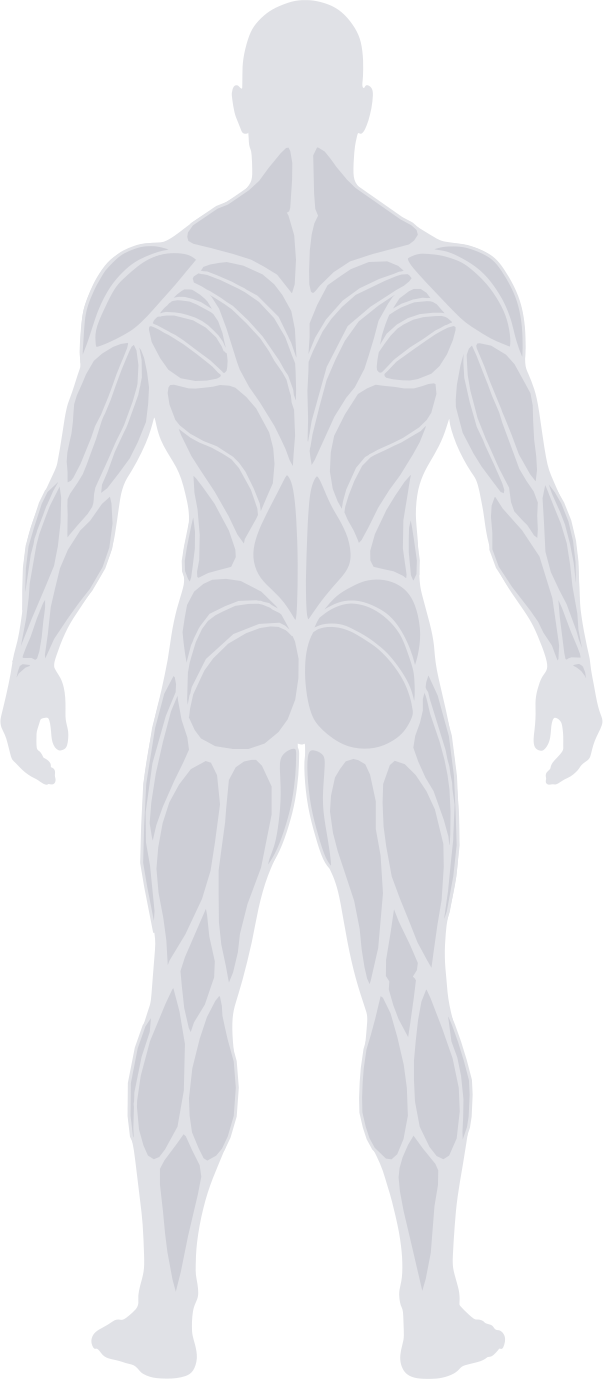
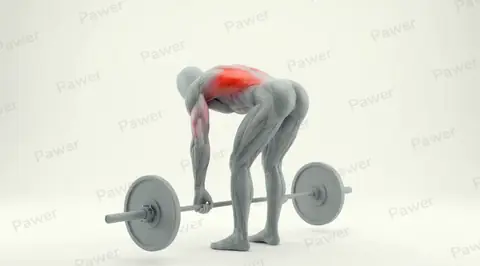
The bilateral dumbbell row works the traps and the rest of the mid back along with the lats, while the biceps help bend the elbows. Rowing both dumbbells at once means both shoulder blades retract together, so the middle traps and rhomboids get a strong squeeze at the top, when the dumbbells reach the lower ribs.
The lats extend the shoulders as the elbows drive back toward the ceiling, and they are under the most stretch at the bottom, with the arms hanging straight below the shoulders. The neutral grip, palms facing each other, keeps the elbows close to the body, which favors the lats and lets the biceps contribute without dominating. Because you are hinged to about 45 degrees with no hand on a bench, the lower back and core brace hard throughout to keep the torso still.
- Secondary:
- Biceps
Why train it
- Builds back thickness through the lats and mid-back together.
- Develops biceps strength alongside the rowing pattern.
- Reinforces hinge bracing and core stability under load.
Common mistakes
- Standing too upright, which turns the row into a high pull and removes the lat engagement.
- Rounding the lower back at the hinge, which loads the spine instead of the working muscles.
- Yanking the dumbbells up with momentum instead of pulling cleanly with the back.
- Letting the elbows flare wide, which shifts work off the lats onto the rear delts only.
Frequently asked questions
What equipment do I need for the Dumbbell Row Bilateral?
Only a pair of dumbbells. Nothing beyond that is required to run the movement the way it is described above.
Is the Dumbbell Row Bilateral suitable for beginners?
Yes. The Dumbbell Row Bilateral is rated beginner: the pattern is quick to pick up and forgiving when a rep drifts. Start light and add weight once the form repeats itself without you thinking about it.
Can I do the Dumbbell Row Bilateral at home?
Yes, if you own a pair of dumbbells. That is the whole requirement, and it is the reason this one travels well between a home setup and a gym floor.
How many sets and reps of the Dumbbell Row Bilateral should I do?
Three to five sets of 6 to 12 reps. Pulling responds well to a full stretch at the top, so pick a load you can control all the way out rather than one you have to heave.
What are good alternatives to the Dumbbell Row Bilateral?
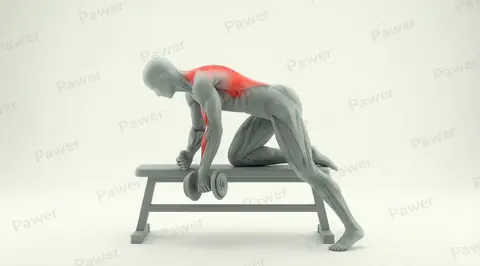
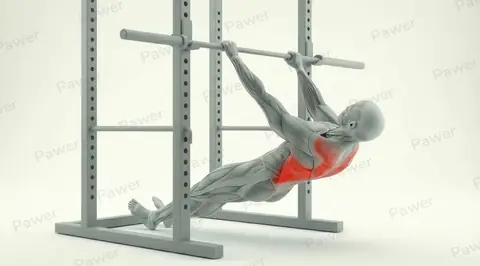
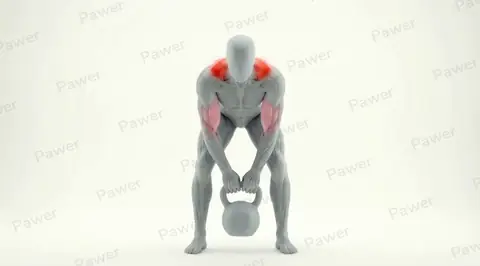
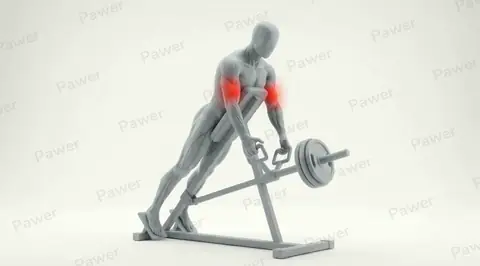
Chest-Supported T-Bar Row, Inverted Row, and Kettlebell Row (Single) train the same primary muscles as the Dumbbell Row Bilateral. Pick whichever one suits the equipment in front of you.
Work out your Dumbbell Row Bilateral weights
Estimate your max from a recent set, then find the weight for your next one.
- One Rep Max CalculatorTurn a recent set into an estimated max. Compare Epley, Brzycki and Lombardi, then read off your training percentages and every rep max from 2RM to 12RM.
- RPE CalculatorRate a set by effort, get an estimated max, and read off the weight for your next target. Includes a full RPE chart of percentages by reps and effort.
Similar exercises
By muscle
Every exercise is mapped to the muscles it trains. Browse by what you want to build.
By equipment
A full gym, a pair of dumbbells, or nothing at all: browse by what you have.