Dumbbell Exercises
 Anton YefanovUpdated
The best dumbbell exercises are the compound lifts that a pair of dumbbells handles better than any other tool: the dumbbell bench press, the single-arm dumbbell row, the goblet squat and the Bulgarian split squat. Add a few isolation moves such as the lateral raise and the hammer curl, and you can train every major muscle with nothing more than dumbbells and a bench.
Dumbbells let each arm or leg work on its own, so a stronger side cannot cover for a weaker one, and they let your hands follow a natural path instead of a fixed bar. Many lifters find that easier on the shoulders and wrists. One rack in a gym, or one adjustable pair at home, covers pressing, pulling, squatting, hinging and arm work.
Below you will find the dumbbell exercises worth learning first, the best picks for each muscle, how dumbbells compare with barbells, machines and kettlebells, how to choose your weights, and three ready-to-run dumbbell workouts. Every exercise in the library that uses dumbbells is listed on this page with a video and step-by-step instructions.
Best Dumbbell Exercises
If you only learn eight dumbbell exercises, make it these. Together they cover chest, back, shoulders, legs and arms, and each one is something dumbbells do especially well.
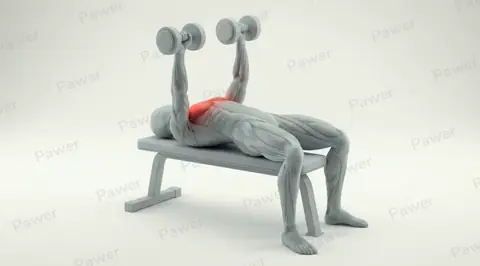
No. 1Best Overall
Dumbbell Bench Press
The dumbbell bench press builds the chest and triceps through a deeper range than the barbell version, because the dumbbells can travel past your torso at the bottom. Your wrists can turn to whatever angle feels best, which is why many lifters with cranky shoulders press dumbbells instead. It suits complete beginners and still challenges advanced lifters.
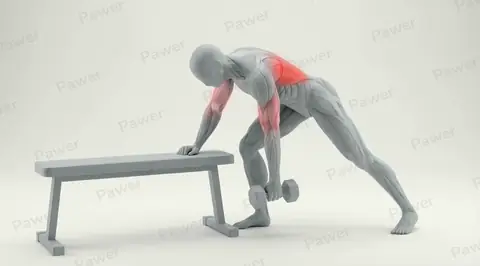
No. 2Best for Back
Dumbbell Single Arm Row
Bracing one hand on a bench takes the lower back out of the lift, so you can row a heavy dumbbell and put the work squarely on the lats. Training one side at a time exposes and fixes strength differences between your left and right. It is the backbone of back training for anyone who trains mostly with dumbbells.
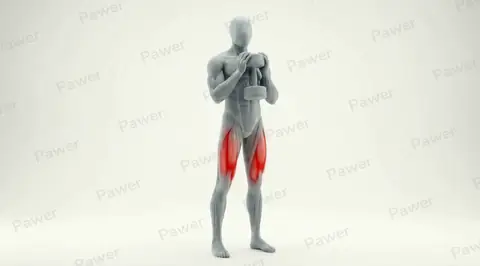
No. 3Best for Beginners
Dumbbell Goblet Squat
Holding one dumbbell at your chest acts as a counterweight, which makes it easier to sit deep with an upright torso. That makes the goblet squat the cleanest way to learn the squat pattern for the quads and glutes. Once the heaviest dumbbell you can hold at your chest feels easy, move on to split squats.
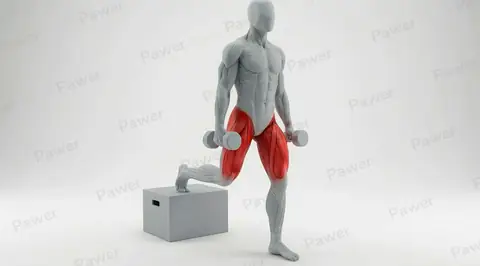
No. 4Best Leg Builder
Dumbbell Bulgarian Split Squat
With the rear foot on a bench, almost all the load goes through the front leg, so a moderate pair of dumbbells becomes a serious challenge for the quads and glutes. That solves the biggest limitation of dumbbell leg training: running out of weight. Expect it to humble you at first, since balance and leg strength both get tested.
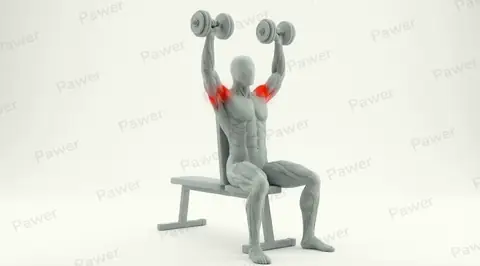
No. 5Best for Shoulders
Dumbbell Seated Overhead Press
Pressing from a bench with back support keeps the work on the front and side shoulders, with the triceps assisting. Dumbbells let each arm find its own path overhead instead of steering a bar around your face. It is the main shoulder builder in most dumbbell programs and is simple enough for beginners.
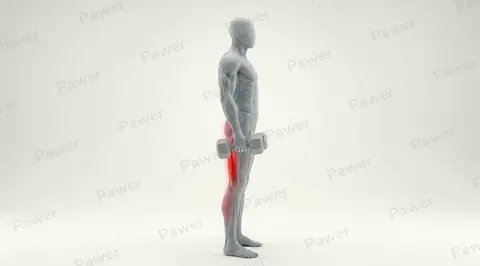
No. 6Best Hip Hinge
Dumbbell Deadlift
The dumbbell deadlift teaches you to push the hips back and stand up by driving them forward, which loads the hamstrings and glutes. Holding the weights at your sides keeps the load close to your body and easy to control. It is the natural starting point before single-leg Romanian deadlifts.
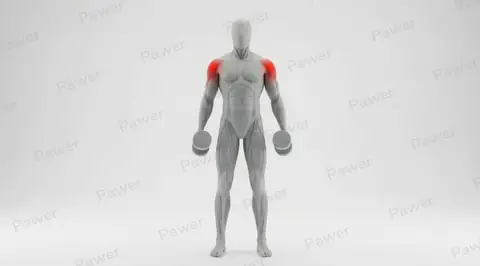
No. 7Best Isolation Exercise
Dumbbell Lateral Raise
The lateral raise is the go-to isolation exercise for the side delts, the part of the shoulder that gives your upper body its width. Barbells cannot train this movement at all, and you only need light dumbbells to do it well. Use it in nearly every program, usually for higher reps.
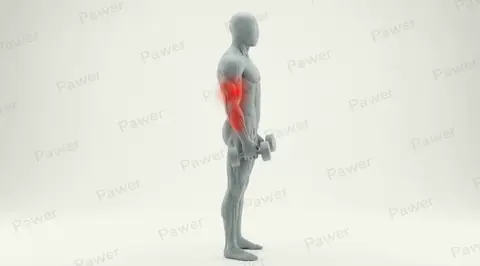
No. 8Best for Arms
Dumbbell Hammer Curl
The neutral grip trains the biceps along with the brachialis and forearms, which adds visible thickness to the arm. Most people can hammer curl more weight than they can curl palms up, and the grip is easy on the wrists and elbows. Pair it with a regular curl for complete biceps work.
The best dumbbell exercises for each muscle group
Dumbbells train almost every muscle well, which is why they are often the first piece of equipment people buy. The table below lists the strongest dumbbell options for each muscle group and what makes them work.
The one real gap is vertical pulling. You cannot do a pull-up or a pulldown with dumbbells, so in a dumbbell-only program, rows carry all of your back work. If you can add a pull-up bar, do. The other limit is load: the heaviest dumbbell you own caps two-leg squats and hinges, which is why single-leg exercises matter so much here.
| Muscle | Best exercises | Why |
|---|---|---|
| Chest | Dumbbell Bench Press, Dumbbell Incline Bench Press, Dumbbell Chest Fly | Presses go deeper than with a barbell, and the fly trains the chest without the triceps taking over |
| Back | Dumbbell Single Arm Row, Chest-Supported Dumbbell Row, Dumbbell Row Bilateral | Rows load the lats and mid back hard; chest support removes lower back fatigue |
| Shoulders | Dumbbell Seated Overhead Press, Dumbbell Lateral Raise, Dumbbell Rear Delt Fly | Presses for the front delts, plus raises and flies for the side and rear delts that a barbell cannot isolate |
| Quads | Dumbbell Goblet Squat, Dumbbell Bulgarian Split Squat, Front-Foot-Elevated Split Squat | Single-leg work lets moderate weights challenge strong legs |
| Glutes | Dumbbell Goblet Reverse Lunge, Dumbbell Single Leg Hip Thrust, Dumbbell Feet Elevated Glute Bridge | Lunges and one-leg thrusts make up for a dumbbell being light for a two-leg hip thrust |
| Hamstrings | Dumbbell Deadlift, Single-Leg Dumbbell Romanian Deadlift, Dumbbell Leg Curl | Hinges load the hamstrings in a stretch; the leg curl covers knee bending without a machine |
| Biceps | Dumbbell Incline Curl, Dumbbell Hammer Curl, Dumbbell Preacher Curl | Free wrist rotation lets you curl palms up, neutral or strict against a pad |
| Triceps | Dumbbell Seated Overhead Tricep Extension, Dumbbell Skullcrusher, Floor Press | Overhead work stretches the long head; the floor press adds a heavy pressing option |
| Traps | Dumbbell Shrug, Dumbbell Seated Shrug | The weights hang at your sides, so the shrug path is straight and no bar drags on your thighs |
| Calves | Dumbbell Single Leg Calf Raise, Seated Calf Raise | One leg at a time puts your full bodyweight plus the dumbbell on each calf |
| Core | Dumbbell Side Bend, Dumbbell Russian Twist | Direct oblique work; one-arm presses and rows also make your trunk resist rotation |
| Forearms | Dumbbell Wrist Curl, Dumbbell Wrist Extension, Zottman Curl | Small, direct work for the wrist flexors and extensors that heavy rows alone miss |
Dumbbells vs barbell, machines, cables and kettlebells
Choose dumbbells when you want one tool that trains everything, when you work out at home, or when barbell pressing bothers your shoulders or wrists. They are also the best general tool for single-arm and single-leg work, and for isolation exercises like raises, flies and curls.
A barbell still wins for maximal strength. It loads heavier, it can go up in very small steps, and you never have to wrestle two heavy weights into position. Machines are the easiest to learn and the safest to push close to failure. That is why many good programs use all of them: a barbell or machine for the first heavy lift of the day, then dumbbells for most of what follows.
| Equipment | Strength potential | Muscle building | Beginner friendly | Home friendly | Cost |
|---|---|---|---|---|---|
| Dumbbells | High, capped by your heaviest pair | High | High | High, especially an adjustable pair | Moderate |
| Barbell | Highest | High | Moderate: the big lifts take coaching | Moderate: needs a rack, bench and plates | Moderate to high |
| Machines | Moderate | High | Highest | Low | High, so usually gym only |
| Cables | Moderate | High | High | Low | High, so usually gym only |
| Kettlebells | Moderate | Moderate | Moderate: swings take practice | High | Low to moderate |
All 88 Dumbbell Exercises
All 88 dumbbell exercises in the library, grouped by difficulty. Each one has a video, step-by-step form and the muscles it works.
Beginner Dumbbell Exercises58
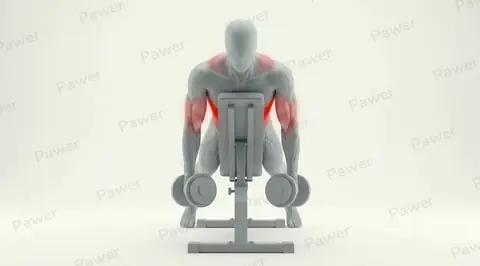 Chest-Supported Dumbbell RowDumbbell
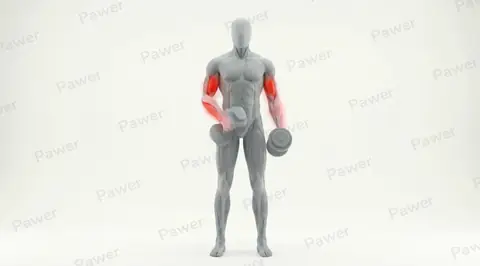 Cross-Body Hammer CurlDumbbell
- Dumbbell Bench PressDumbbell
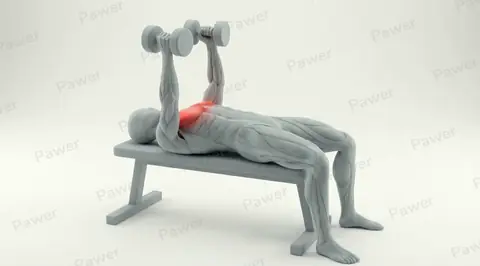 Dumbbell Chest FlyDumbbell
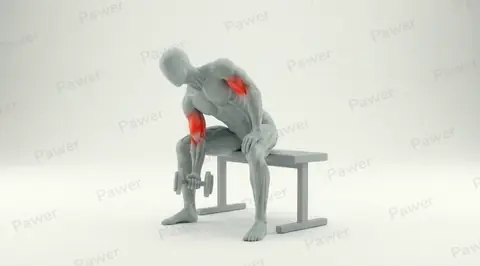 Dumbbell Concentration CurlDumbbell
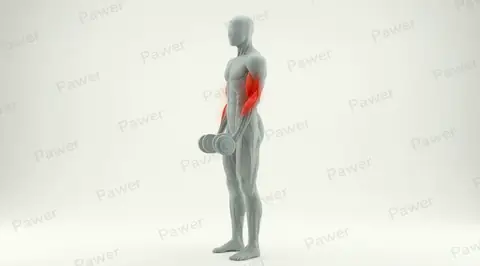 Dumbbell CurlDumbbell
- Dumbbell DeadliftDumbbell
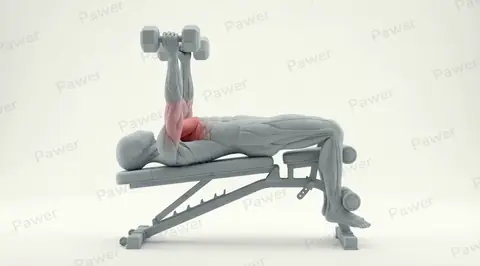 Dumbbell Decline Bench PressDumbbell
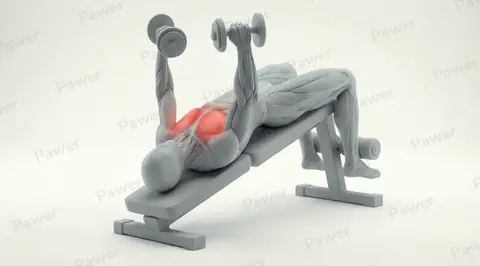 Dumbbell Decline Chest FlyDumbbell
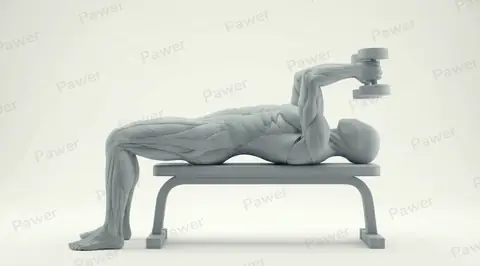 Dumbbell Decline SkullcrusherDumbbell
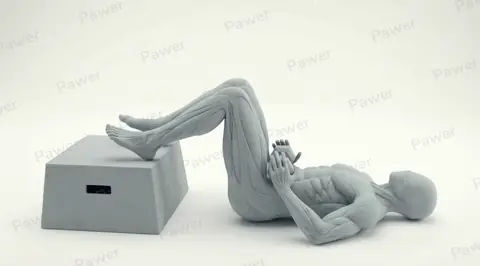 Dumbbell Feet Elevated Glute BridgeDumbbell
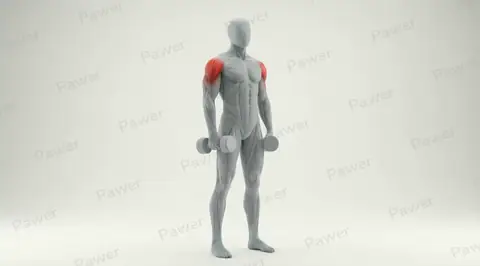 Dumbbell Front RaiseDumbbell
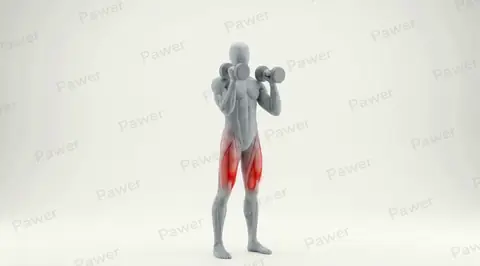 Dumbbell Front SquatDumbbell
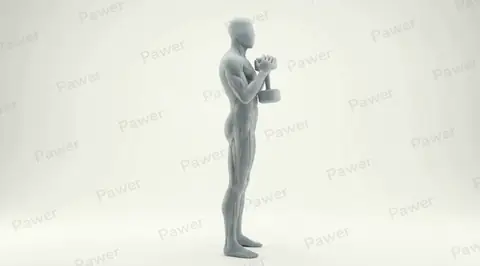 Dumbbell Goblet Forward LungeDumbbell
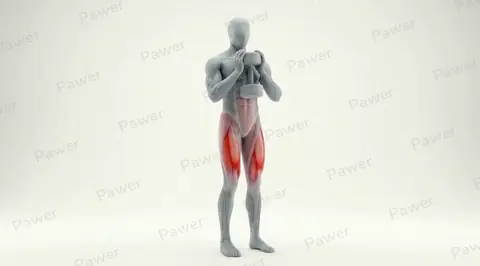 Dumbbell Goblet Reverse LungeDumbbell
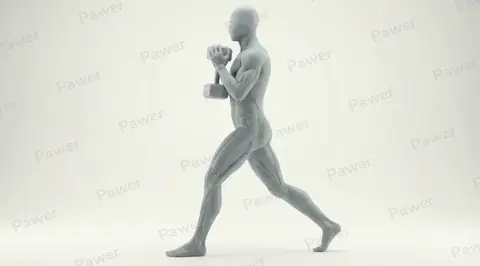 Dumbbell Goblet Split SquatDumbbell
- Dumbbell Goblet SquatDumbbell
- Dumbbell Hammer CurlDumbbell
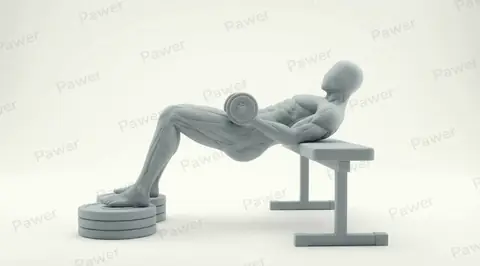 Dumbbell Heels Elevated Hip ThrustDumbbell
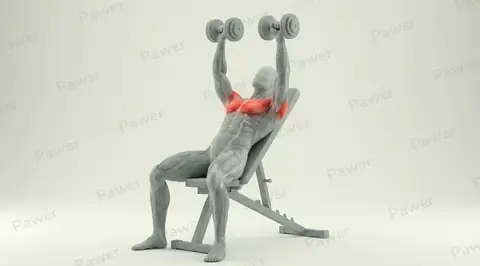 Dumbbell Incline Bench PressDumbbell
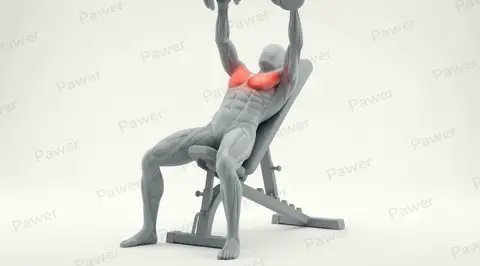 Dumbbell Incline Chest FlyDumbbell
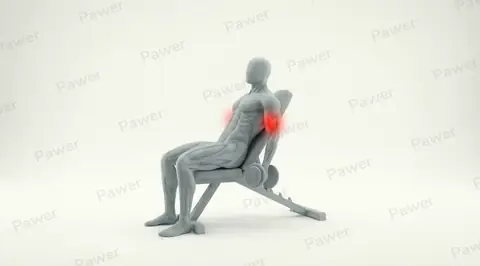 Dumbbell Incline CurlDumbbell
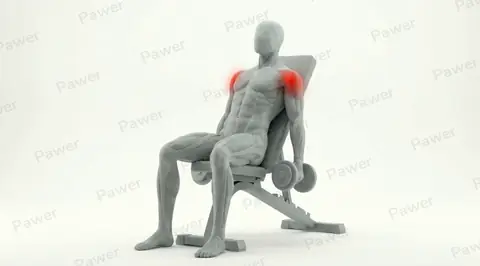 Dumbbell Incline Front RaiseDumbbell
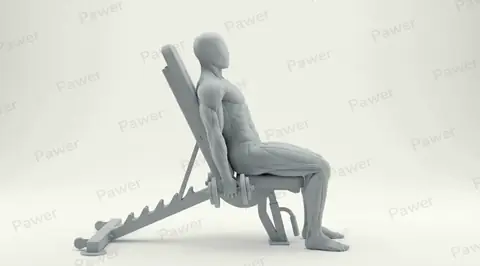 Dumbbell Incline Hammer CurlDumbbell
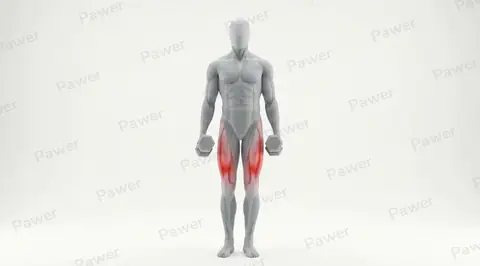 Dumbbell Lateral LungeDumbbell
- Dumbbell Lateral RaiseDumbbell
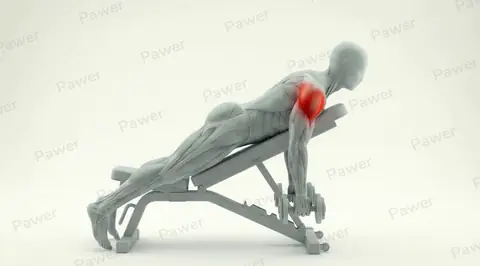 Dumbbell Laying Reverse FlyDumbbell
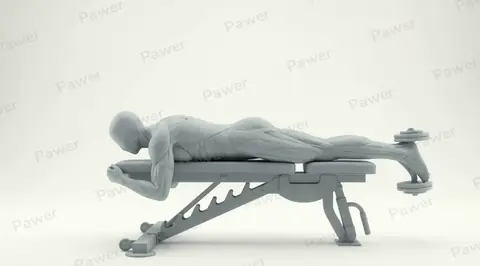 Dumbbell Leg CurlDumbbell
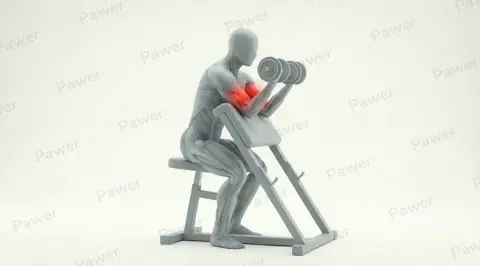 Dumbbell Preacher CurlDumbbell
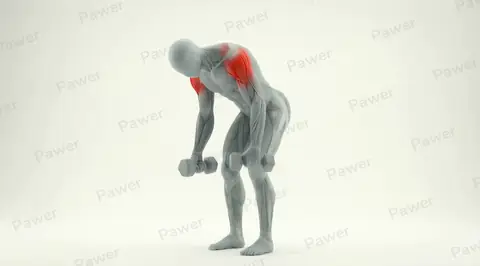 Dumbbell Rear Delt FlyDumbbell
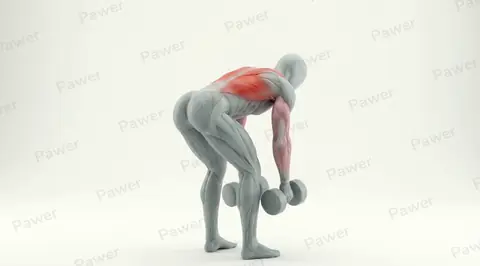 Dumbbell Row BilateralDumbbell
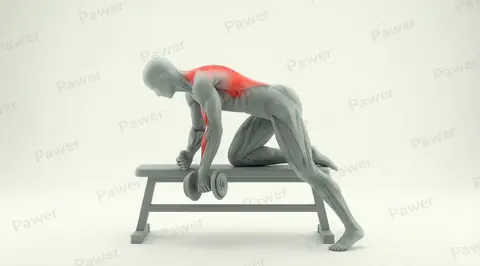 Dumbbell Row UnilateralDumbbell
- Dumbbell Seated Overhead PressDumbbell
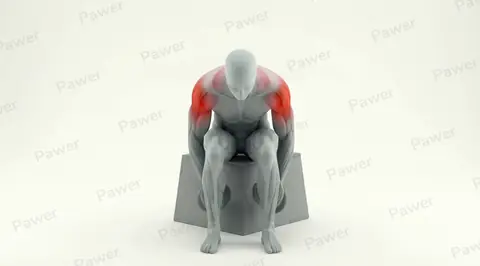 Dumbbell Seated Rear Delt FlyDumbbell
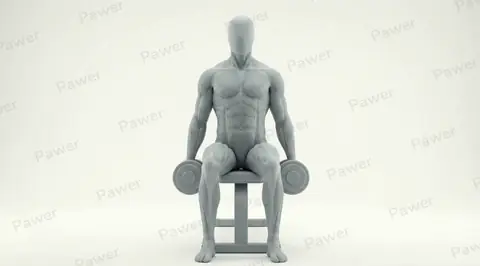 Dumbbell Seated ShrugDumbbell
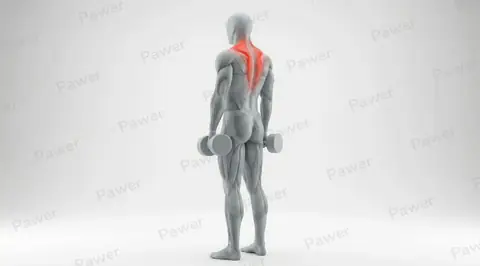 Dumbbell ShrugDumbbell
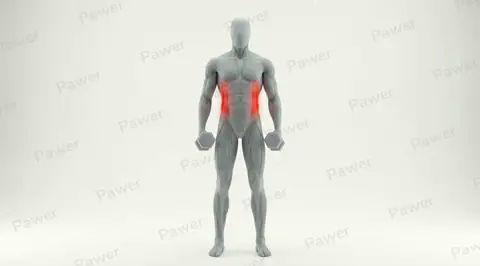 Dumbbell Side BendDumbbell
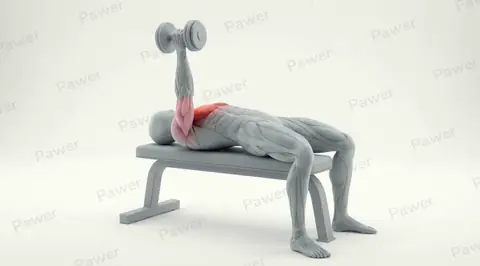 Dumbbell Single Arm Chest PressDumbbell
- Dumbbell Single Arm RowDumbbell
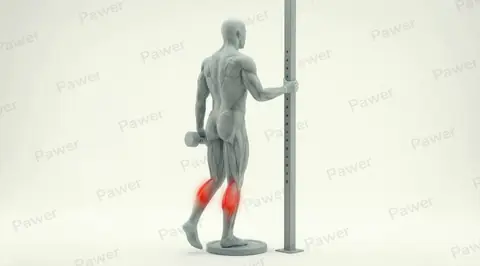 Dumbbell Single Leg Calf RaiseDumbbell
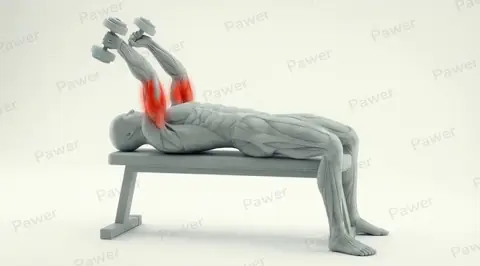 Dumbbell SkullcrusherDumbbell
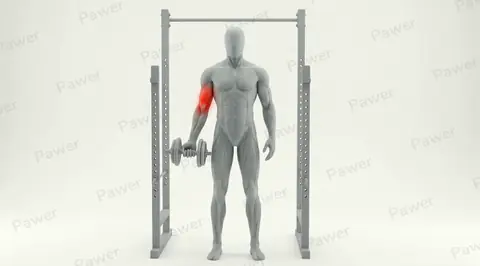 Dumbbell Standing Single Arm CurlDumbbell
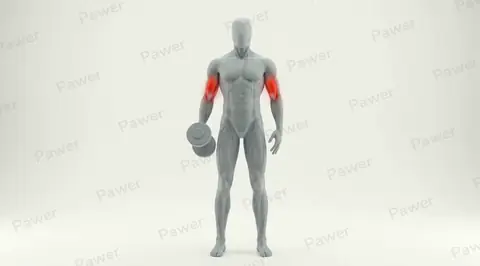 Dumbbell Standing Single Arm Hammer CurlDumbbell
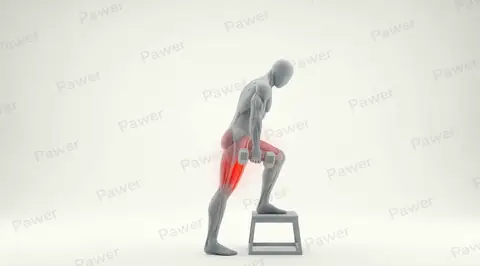 Dumbbell Step-Up (Low)Dumbbell
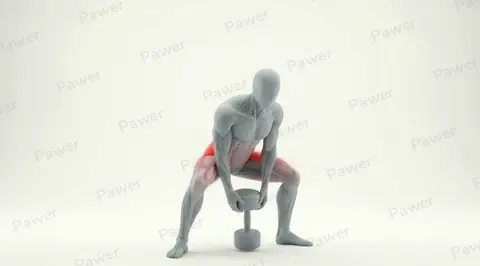 Dumbbell Sumo SquatDumbbell
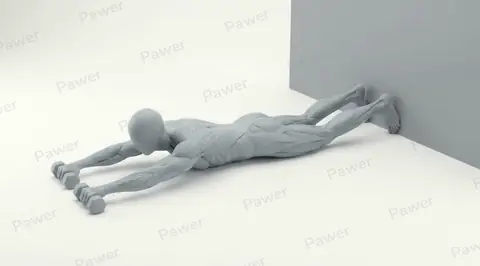 Dumbbell SupermanDumbbell
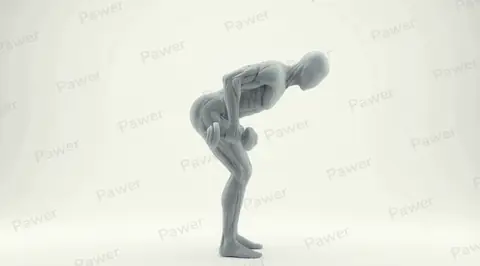 Dumbbell Tricep KickbackDumbbell
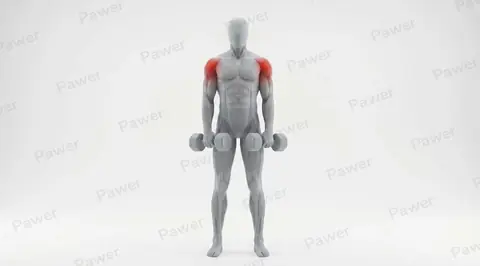 Dumbbell Upright RowDumbbell
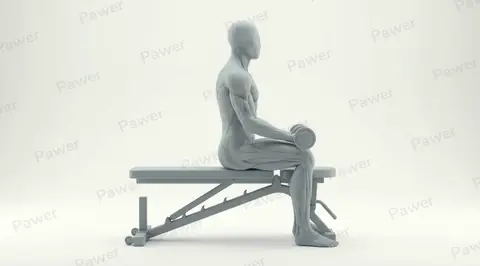 Dumbbell Wrist CurlDumbbell
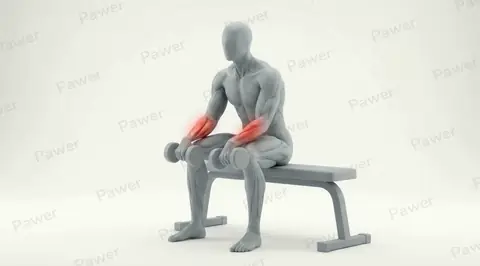 Dumbbell Wrist ExtensionDumbbell
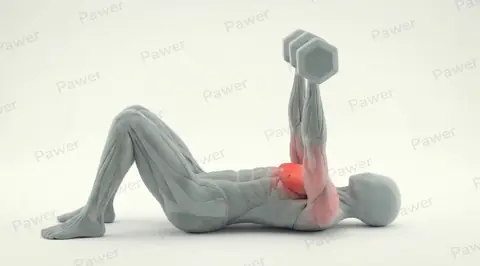 Floor PressDumbbell
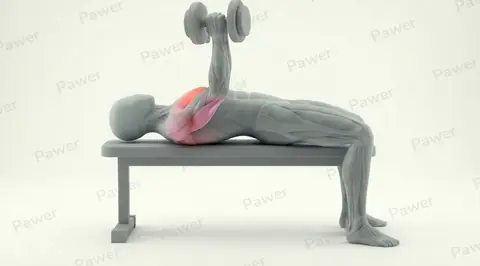 Neutral-Grip Dumbbell Bench PressDumbbell
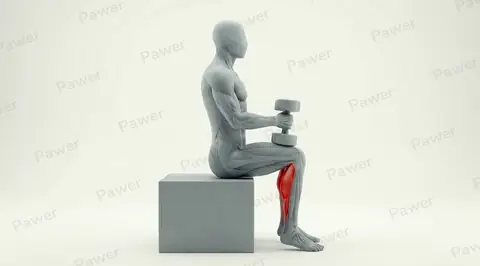 Seated Calf RaiseDumbbell
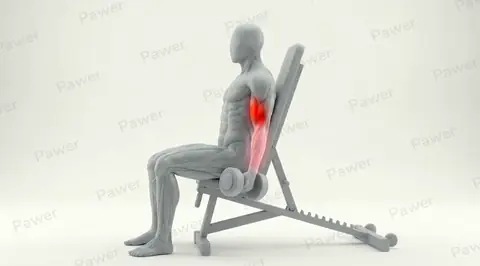 Seated Dumbbell CurlDumbbell
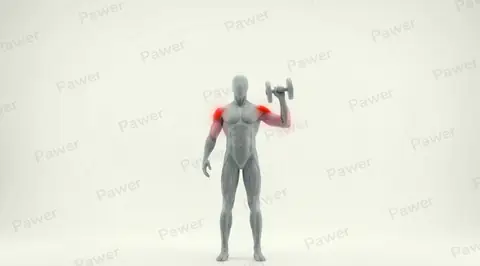 Single-Arm Dumbbell Overhead PressDumbbell
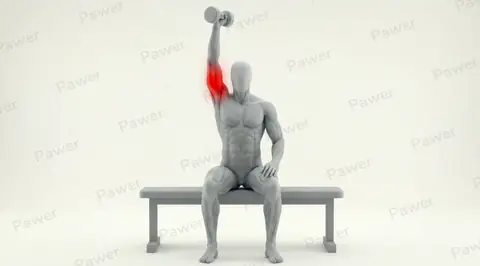 Single-Arm Tricep ExtensionDumbbell
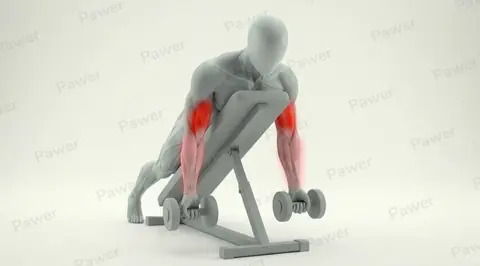 Spider CurlDumbbell
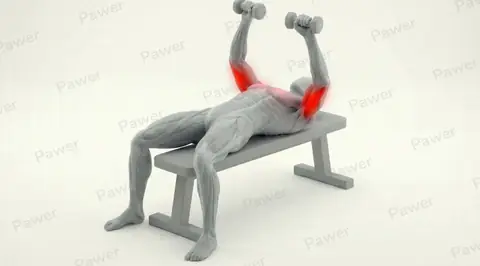 Tate PressDumbbell
Intermediate Dumbbell Exercises25
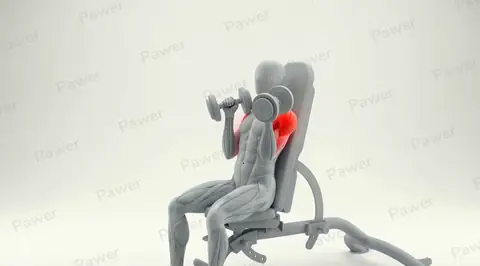 Arnold PressDumbbell
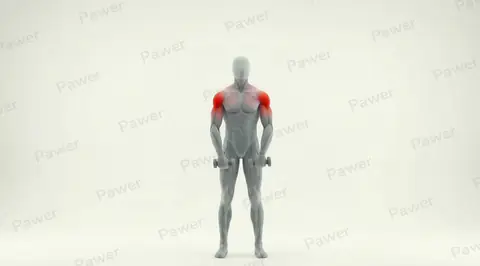 Cuban PressDumbbell
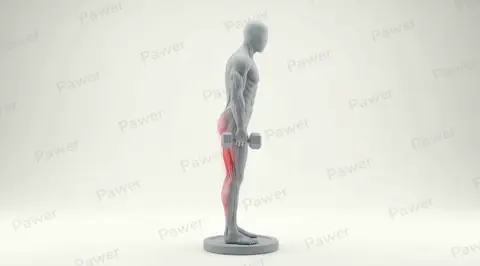 Deficit Dumbbell Romanian DeadliftDumbbell
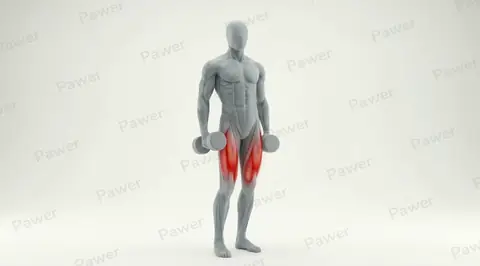 Dumbbell Alternating Forward LungeDumbbell
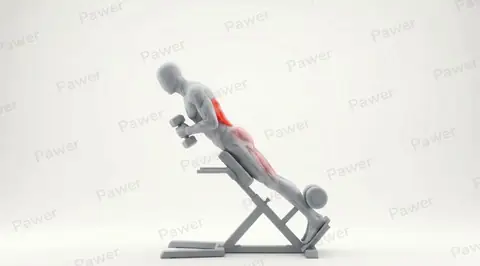 Dumbbell Back ExtensionDumbbell
- Dumbbell Bulgarian Split SquatDumbbell
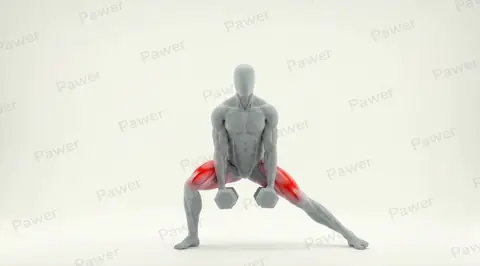 Dumbbell Cossack SquatDumbbell
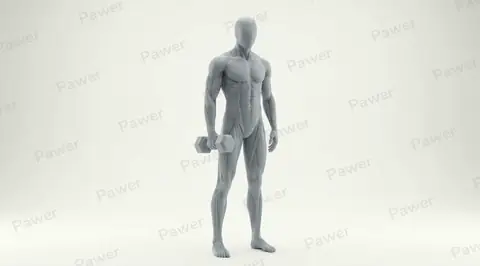 Dumbbell Cross Body Romanian DeadliftDumbbell
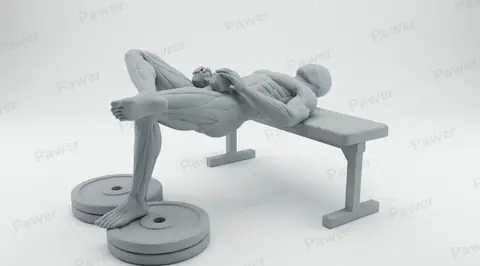 Dumbbell Figure Four Heels Elevated Hip ThrustDumbbell
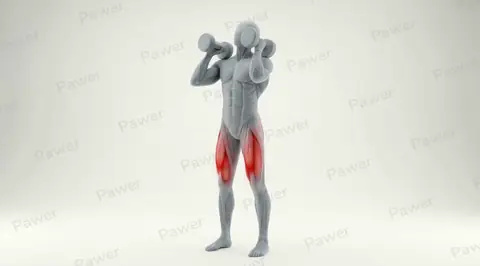 Dumbbell Front Squat (Tempo)Dumbbell
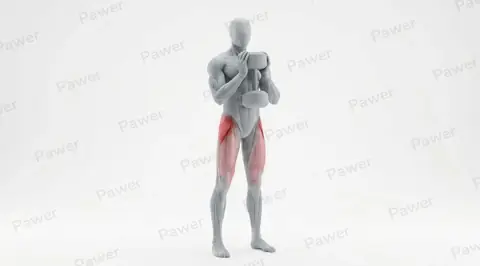 Dumbbell Goblet Alternating Curtsy LungeDumbbell
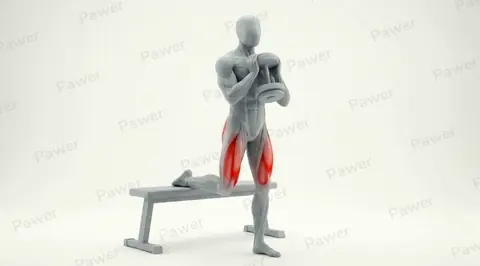 Dumbbell Goblet Bulgarian Split SquatDumbbell
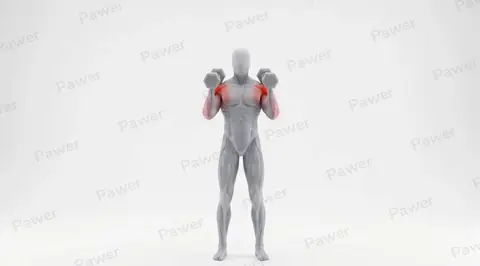 Dumbbell Push PressDumbbell
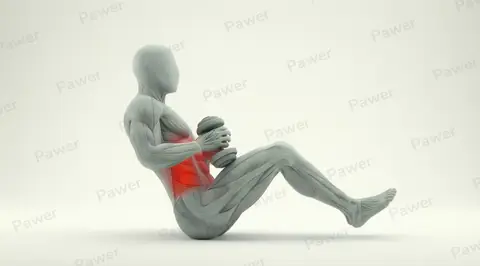 Dumbbell Russian TwistDumbbell
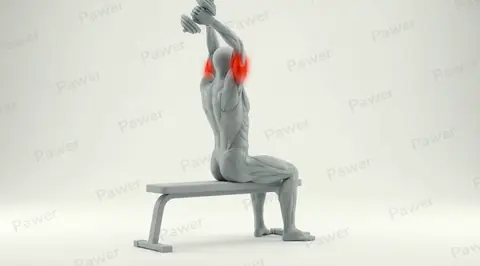 Dumbbell Seated Overhead Tricep ExtensionDumbbell
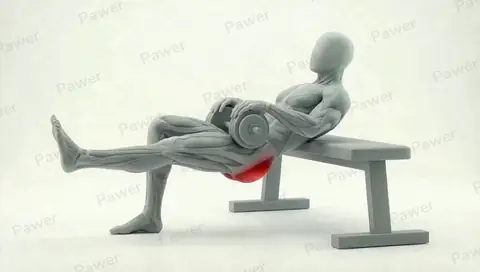 Dumbbell Single Leg Hip ThrustDumbbell
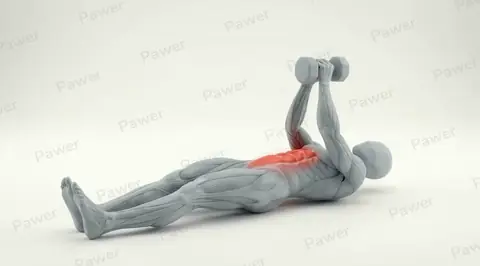 Dumbbell SitupDumbbell
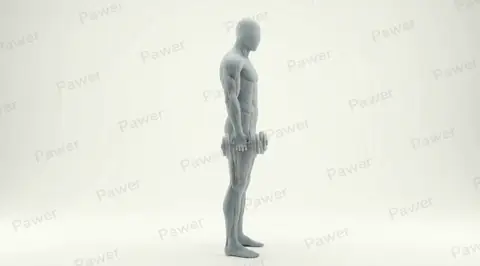 Dumbbell Spinal Jefferson CurlDumbbell
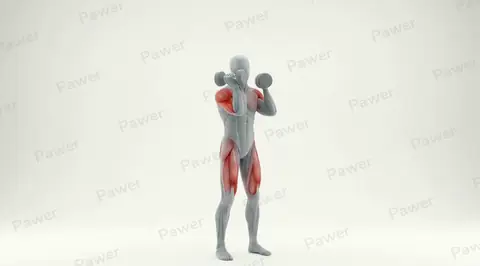 Dumbbell ThrusterDumbbell
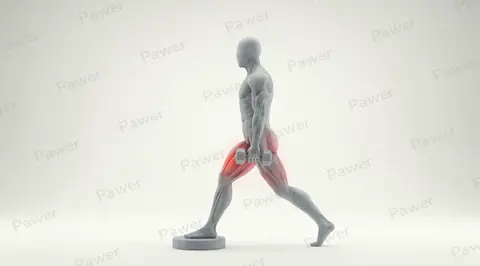 Front-Foot-Elevated Split SquatDumbbell
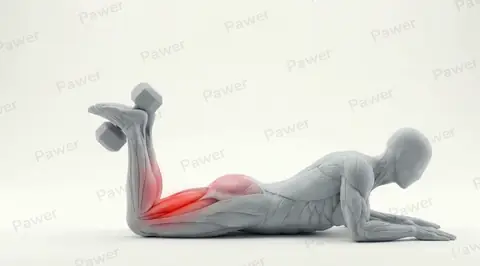 Hamstring CurlDumbbell
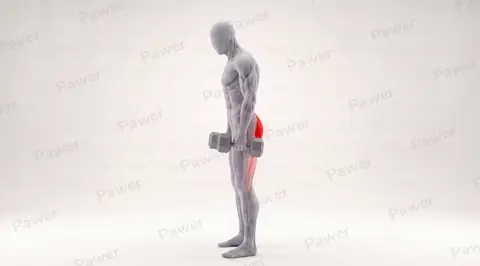 Hip Hinge Speed Romanian DeadliftDumbbell
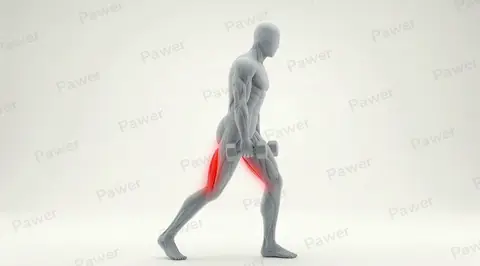 Kickstand Dumbbell Romanian DeadliftDumbbell
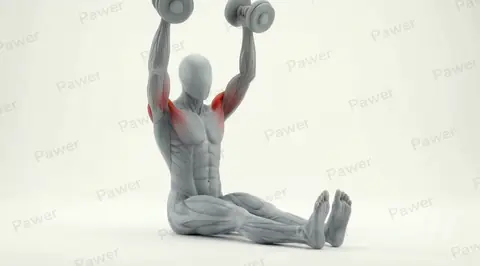 Z PressDumbbell
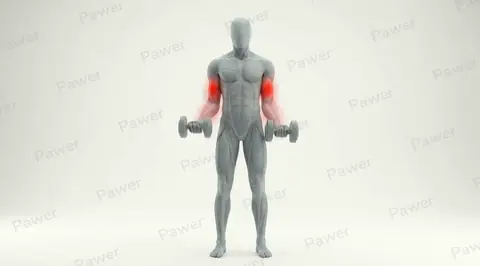 Zottman CurlDumbbell
Advanced Dumbbell Exercises5
Choosing dumbbell weights: fixed vs adjustable and where to start
Fixed dumbbells (the hex or round ones on a gym rack) are the fastest to grab, which matters for supersets and drop sets, but a full set takes a lot of floor space and money. Adjustable dumbbells give you a wide range of weights in the footprint of one pair, and changing the load takes seconds with a dial or a minute or two with spin-lock collars. For a home setup, an adjustable pair plus a bench that sets flat and inclined covers almost every exercise on this page.
Your starting weight depends heavily on the exercise. You will row and press several times what you can lateral raise, so do not pick one pair for everything. For each exercise, choose a weight you can lift for the target reps with two or three reps left in the tank and no swinging, then adjust next session. Pay attention to increments: many fixed sets jump 5 pounds per dumbbell, which is a big jump on a small lift like a raise, so plan on adding reps before adding weight.
| Exercise type | Examples | Relative load | How to find your weight |
|---|---|---|---|
| Raises and flies | Dumbbell Lateral Raise, Dumbbell Rear Delt Fly | Lightest | Start with your lightest pair; any shrugging or swinging means it is too heavy |
| Arm isolation | Dumbbell Curl, Dumbbell Skullcrusher | Light to moderate | Keep the elbows still; if they drift, drop a size |
| Presses | Dumbbell Bench Press, Dumbbell Seated Overhead Press | Moderate to heavy | Overhead pressing takes noticeably less weight than bench pressing |
| Rows | Dumbbell Single Arm Row, Chest-Supported Dumbbell Row | Heavy | Usually your heaviest upper body lift; pull without twisting your torso |
| Legs and hinges | Dumbbell Goblet Squat, Dumbbell Deadlift | Heaviest | Start moderate while learning, then go as heavy as your grip and form allow |
How to program dumbbell training: sets, reps and progression
The cleanest way to progress with dumbbells is double progression. Pick a rep range, such as 8 to 12, and stay with the same pair until you reach the top of the range on every set with good form. Then move up to the next dumbbell and start back at the bottom of the range. The rep range absorbs the jump between sizes, which is important on lighter lifts where one step up can be a large share of the weight.
For one-arm and one-leg work, start each set with your weaker side and do the same number of reps with your stronger side. When you outgrow your heaviest dumbbells, you still have options: slow the lowering phase to three or four seconds, pause at the bottom, switch to a single-leg or single-arm version, or take sets to 20 to 30 reps. Higher-rep sets still build muscle as long as they end close to failure.
| Goal | Sets | Reps | Rest | Frequency |
|---|---|---|---|---|
| Beginner | 2 to 3 per exercise | 8 to 12 | 1 to 2 minutes | 2 to 3 full-body sessions per week |
| Muscle growth | 3 to 4 per exercise | 8 to 15 | 1 to 2 minutes | Each muscle twice a week, about 10 to 20 hard sets per muscle weekly |
| Strength | 3 to 5 | 5 to 8 | 2 to 3 minutes | Each main lift 2 times per week |
| Muscular endurance | 2 to 3 | 15 to 25 | 30 to 60 seconds | 2 to 3 times per week |
Dumbbell workouts: full body, upper body and lower body
New to lifting? Run the full-body workout two or three times a week on non-consecutive days. With more experience, split your week into the upper and lower days and alternate them over four sessions. All three use only dumbbells and an adjustable bench, so they work equally well at home or in a gym. Reps on single-arm and single-leg exercises are per side.
| Workout | Exercise | Sets | Reps | Rest |
|---|---|---|---|---|
| Full body (beginner) | Dumbbell Goblet Squat | 3 | 10 | 90 seconds |
| Full body (beginner) | Dumbbell Bench Press | 3 | 10 | 90 seconds |
| Full body (beginner) | Dumbbell Single Arm Row | 3 | 10 per side | 60 seconds |
| Full body (beginner) | Dumbbell Deadlift | 3 | 10 | 90 seconds |
| Full body (beginner) | Dumbbell Seated Overhead Press | 2 | 10 | 60 seconds |
| Full body (beginner) | Dumbbell Curl | 2 | 12 | 60 seconds |
| Upper body | Dumbbell Incline Bench Press | 4 | 8 to 10 | 2 minutes |
| Upper body | Chest-Supported Dumbbell Row | 4 | 10 to 12 | 90 seconds |
| Upper body | Dumbbell Seated Overhead Press | 3 | 8 to 10 | 90 seconds |
| Upper body | Dumbbell Single Arm Row | 3 | 10 to 12 per side | 60 seconds |
| Upper body | Dumbbell Lateral Raise | 3 | 12 to 20 | 60 seconds |
| Upper body | Dumbbell Hammer Curl | 3 | 10 to 12 | 60 seconds |
| Upper body | Dumbbell Seated Overhead Tricep Extension | 3 | 10 to 12 | 60 seconds |
| Lower body | Dumbbell Bulgarian Split Squat | 3 | 8 to 10 per side | 90 seconds |
| Lower body | Kickstand Dumbbell Romanian Deadlift | 3 | 8 to 10 per side | 90 seconds |
| Lower body | Dumbbell Goblet Reverse Lunge | 3 | 10 per side | 60 seconds |
| Lower body | Dumbbell Single Leg Hip Thrust | 3 | 10 to 12 per side | 60 seconds |
| Lower body | Dumbbell Leg Curl | 3 | 10 to 15 | 60 seconds |
| Lower body | Dumbbell Single Leg Calf Raise | 3 | 12 to 15 per side | 45 seconds |
Common dumbbell mistakes and how to fix them
Most dumbbell problems come from the freedom that makes them useful: nothing forces the weights into a fixed path, so form and setup are on you.
- Getting heavy dumbbells into position badly. For presses, sit on the end of the bench with the dumbbells on your thighs, then lie back and use your knees to help kick them up. When you finish, bring them to your chest and sit up, or lower them with control instead of dropping them out wide.
- Swinging the small lifts. If you have to rock your body to finish a lateral raise or a curl, the weight is too heavy and the target muscle is doing less of the work. Drop a size and own every rep.
- Letting the strong side carry the weak one. On two-dumbbell exercises, end the set when the first arm starts to lose form, and on one-sided exercises start with your weaker side so it sets the rep count.
- Staying on two-leg squats after they get easy. Once the heaviest dumbbell you own no longer challenges your goblet squat, switch to split squats, lunges and single-leg Romanian deadlifts rather than doing endless reps.
- Pressing far more than you pull. A dumbbell program with only rows for back work needs plenty of them. Aim for at least as many hard sets of rows as of presses each week.
- Cutting the range short. The deep stretch at the bottom of a press, fly or row is a big part of why dumbbells work so well. Lower under control to a full, comfortable range instead of bouncing halfway.
Frequently asked questions
Are dumbbells enough to build muscle?
Yes. Muscle grows when you train it hard, close to failure, with enough weekly sets and steady progression, and dumbbells can provide all of that. The practical limit is load on your legs, which single-leg exercises and higher reps solve for most people. The only movement you cannot replicate is a vertical pull, so add pull-ups if you can, or use extra rowing volume if you cannot.
Are dumbbells better than a barbell?
Neither is better overall; they suit different jobs. A barbell lets you lift the most weight and progress in smaller steps, which makes it the better tool for building maximal strength. Dumbbells give a longer range of motion, train each side independently and allow isolation exercises a barbell cannot do. If you have access to both, use the barbell for one or two main lifts and dumbbells for the rest.
Why can I press less with dumbbells than with a barbell?
Most people press noticeably less combined weight with two dumbbells than with a barbell. Each dumbbell has to be balanced and steadied on its own, so stabilizing muscles do more of the work and less force goes into the press itself. There is no fixed conversion between the two. Track your dumbbell and barbell numbers separately and judge progress against each lift's own history.
Do I need a bench for dumbbell exercises?
You can train with dumbbells alone, but a bench opens up many of the best exercises: the flat and incline press, the supported single-arm row, chest-supported rows, Bulgarian split squats and hip thrusts. Without one, the floor press, standing presses, bent-over rows and lunges still cover the basics. If you are buying equipment, a sturdy adjustable bench is the best second purchase after the dumbbells.
How many days a week should I do dumbbell workouts?
Three full-body sessions or four upper and lower sessions per week work well for most people. What matters is hitting each muscle about twice a week with enough hard sets in total. Leave at least a day between sessions that train the same muscles hard. Two full-body workouts per week is still effective if your schedule is tight, as long as the sets are hard.
Can dumbbell workouts help with fat loss?
They help, but diet does most of the work. Fat loss comes from eating fewer calories than you burn, and lifting while you do that helps you keep the muscle you have. If you want more conditioning from your sessions, pair exercises into supersets or add full-body moves like the dumbbell thruster or the single-arm clean and press, which raise your heart rate more than isolation work.
Dumbbell exercises by muscle group
Pick the muscle you came to train, and see only the Dumbbell work for it.