Dumbbell Curl
 Anton YefanovUpdated
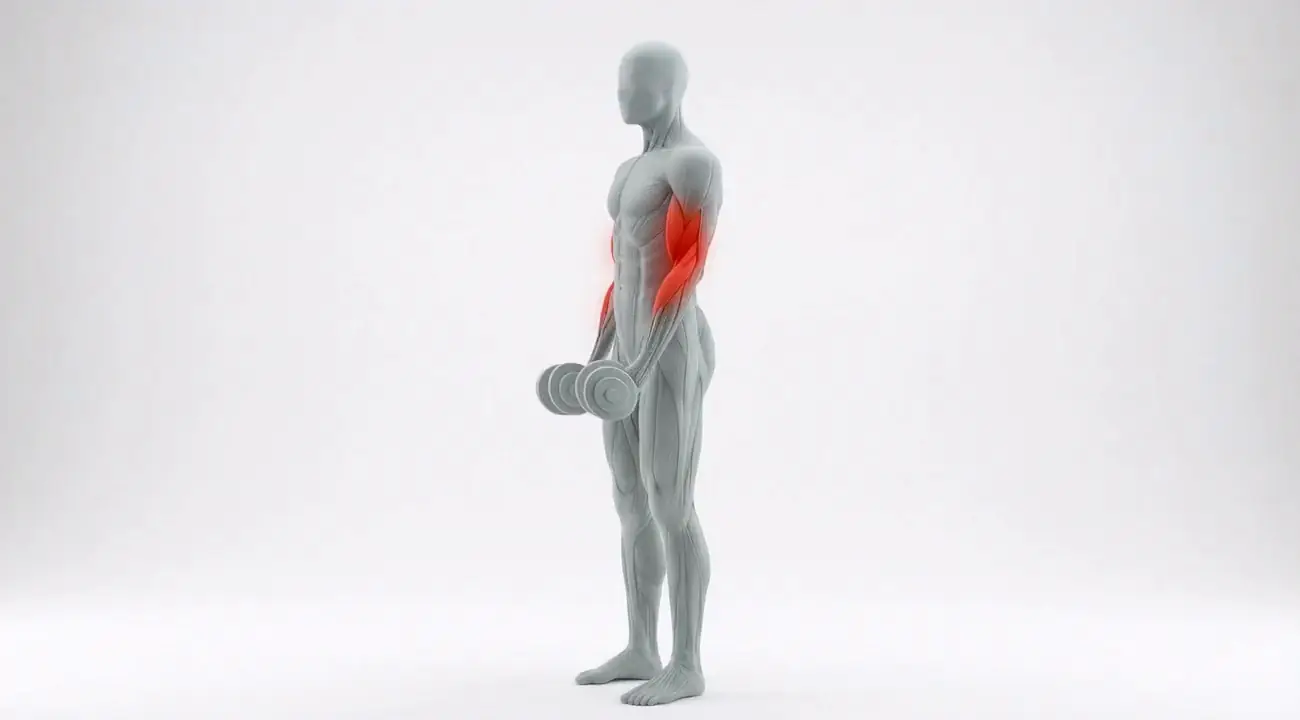
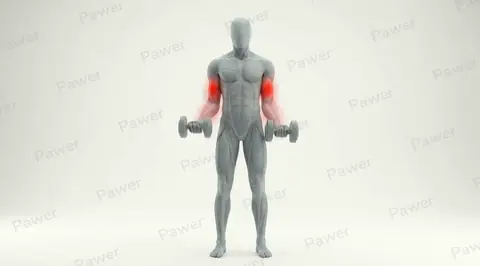
The dumbbell curl is the default biceps exercise in nearly every program ever written. Standing tall with a dumbbell in each hand, the elbows stay pinned to the sides while the forearms sweep up to bring the dumbbells to the shoulders. Simple, scalable, and effective at any level.
How to do the Dumbbell Curl
- Stand tall with a dumbbell in each hand at your sides, palms facing forward.
- Set your feet shoulder-width apart, brace your core, and pull your shoulders back and down.
- Curl both dumbbells up toward your shoulders by bending at the elbows, keeping the upper arms pinned to your sides.
- Squeeze the biceps hard at the top with the dumbbells close to your shoulders for a brief pause.
- Lower the dumbbells slowly to full arm extension over 2 to 3 seconds.
- Reset at the bottom with the arms straight and the shoulders set, then repeat for reps.
Muscles worked
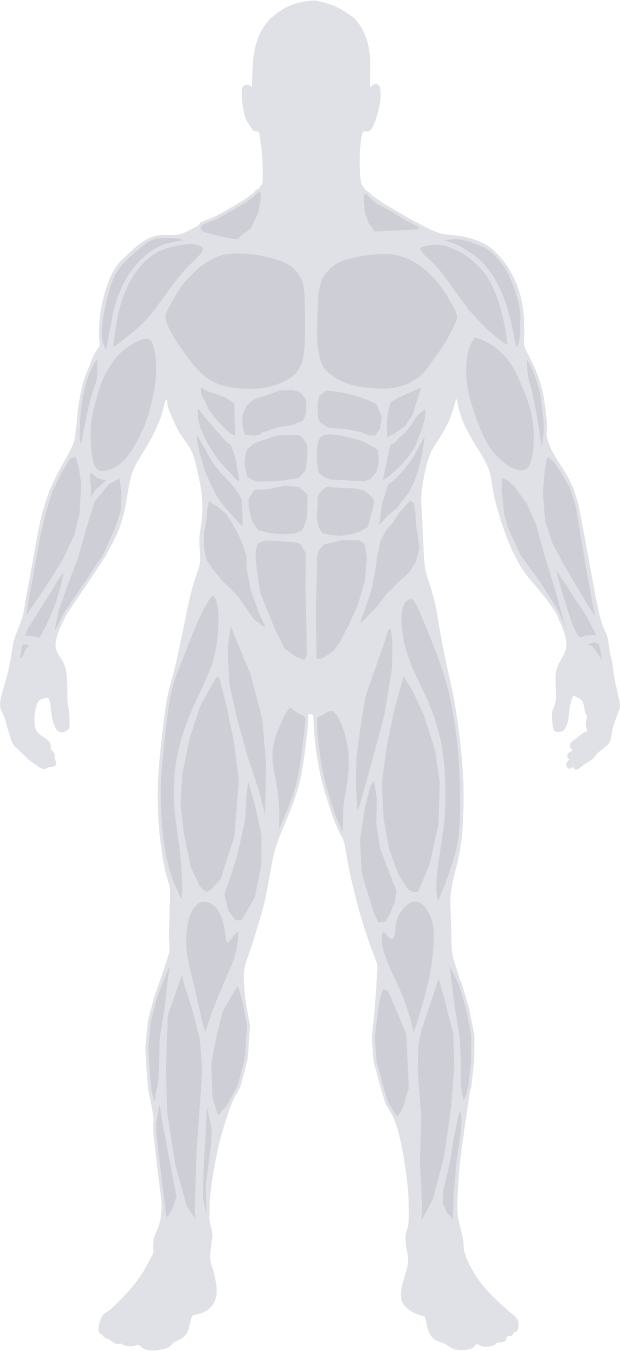
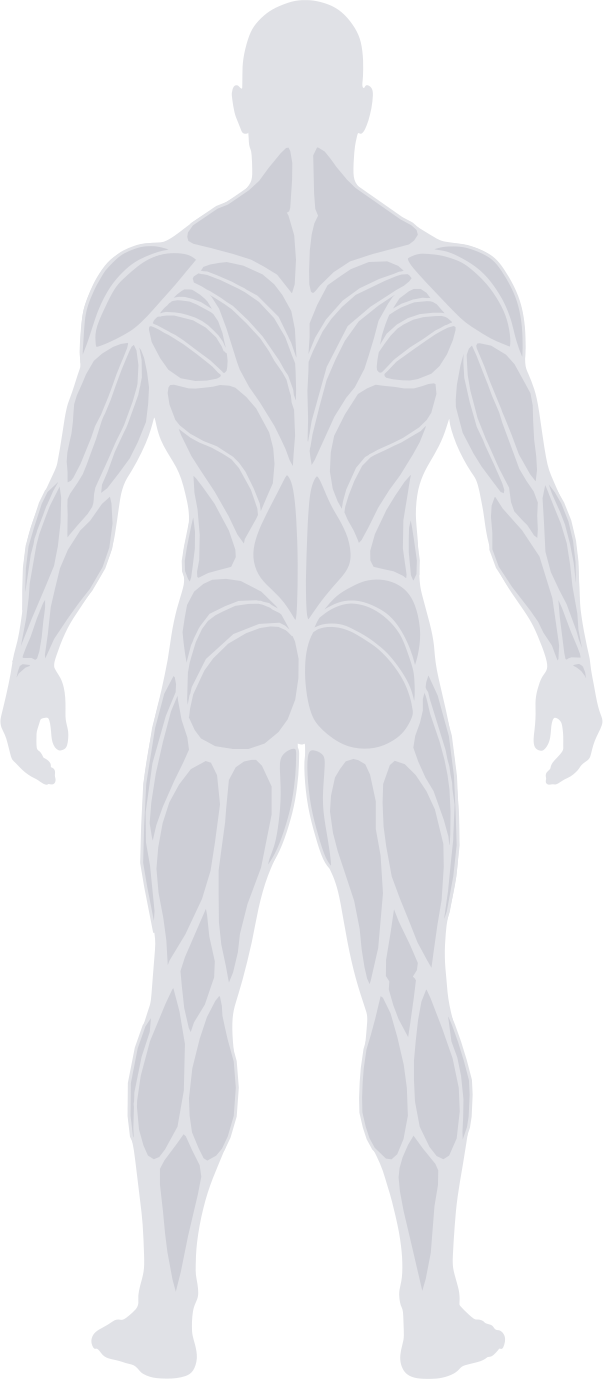
- Primary:
- Biceps
Why train it
- Builds biceps size and arm strength with a simple, scalable lift.
- Trains both arms independently to prevent left-right strength gaps.
- Works at any level with any pair of dumbbells, anywhere.
Common mistakes
- Swinging the torso back to throw the dumbbells up, which removes the biceps from the lift.
- Letting the elbows drift forward on the way up, turning the curl into a partial front raise.
- Cutting the range short at the bottom by never fully straightening the arms between reps.
- Dropping the dumbbells fast on the way down and skipping the slow lowering phase where most growth lives.
Frequently asked questions
Should you do dumbbell curls standing or seated?
Either works. Standing lets you lift slightly more. Sitting makes it much harder to swing, which keeps the work on the biceps. An incline dumbbell curl, seated on a reclined bench, adds a bigger stretch at the bottom, and that stretch has been linked to more growth.
Dumbbell curl or hammer curl: what is the difference?
The grip. A regular curl turns your palms up, which puts the most work on the biceps. A hammer curl keeps your palms facing each other, which moves more of the work to the brachialis underneath the biceps and to the forearm. Doing both gives you thicker-looking arms than either one alone.
Should you twist your wrist on dumbbell curls?
Yes, turning the palm up as you lift works the biceps fully, because one of the biceps' jobs is rotating the forearm. Start with palms facing your sides and turn them up as the dumbbells rise. Just do not let the twist turn into a wrist curl at the top.
Can you do dumbbell curls every day?
You can, but you will grow more by training them hard two or three times a week. The biceps are small and recover quickly, but daily hard sets leave them no time to rebuild. Remember that rows and pull-ups train the biceps too, so they are already working on your back days.
What muscles does the Dumbbell Curl work?
The Dumbbell Curl trains the biceps, and little else. No other group takes a meaningful share of the load, which is what makes this a clean way to target the biceps directly.
What equipment do I need for the Dumbbell Curl?
Only a pair of dumbbells. Nothing beyond that is required to run the movement the way it is described above.
Is the Dumbbell Curl suitable for beginners?
Yes. The Dumbbell Curl is rated beginner: the pattern is quick to pick up and forgiving when a rep drifts. Start light and add weight once the form repeats itself without you thinking about it.
Can I do the Dumbbell Curl at home?
Yes, if you own a pair of dumbbells. That is the whole requirement, and it is the reason this one travels well between a home setup and a gym floor.
How many sets and reps of the Dumbbell Curl should I do?
Three to four sets of 10 to 15 reps. Isolation work responds to reps and a controlled tempo rather than load, so stop each set a rep or two short of failure and keep the weight honest.
What are good alternatives to the Dumbbell Curl?
Cable Bar Curl, Close-Grip Barbell Curl, and Kettlebell Curl train the same primary muscles as the Dumbbell Curl. Pick whichever one suits the equipment in front of you.
Work out your Dumbbell Curl weights
Estimate your max from a recent set, then find the weight for your next one.
- One Rep Max CalculatorTurn a recent set into an estimated max. Compare Epley, Brzycki and Lombardi, then read off your training percentages and every rep max from 2RM to 12RM.
- RPE CalculatorRate a set by effort, get an estimated max, and read off the weight for your next target. Includes a full RPE chart of percentages by reps and effort.
Similar exercises
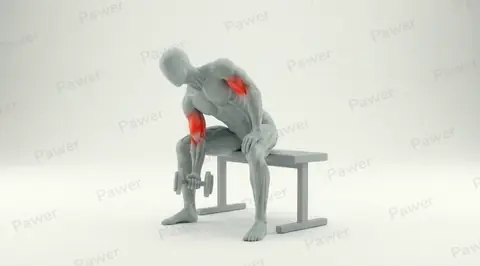 Dumbbell Concentration CurlDumbbell
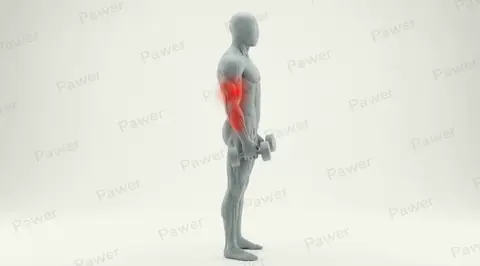 Dumbbell Hammer CurlDumbbell
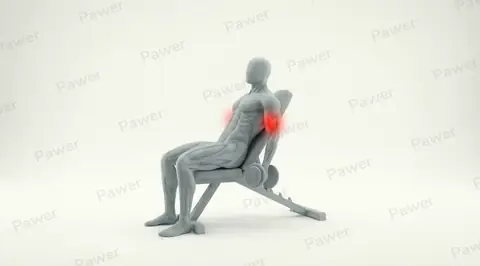 Dumbbell Incline CurlDumbbell
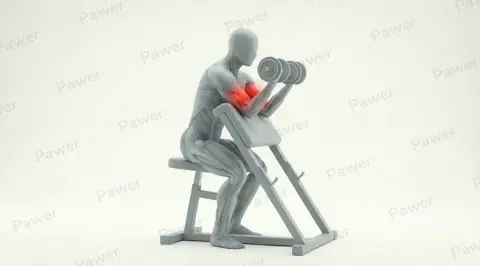 Dumbbell Preacher CurlDumbbell
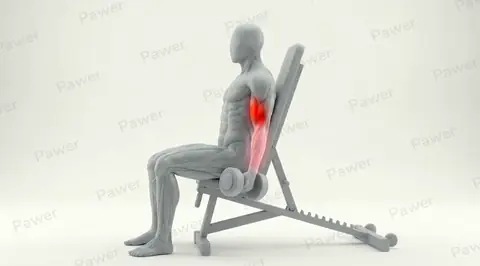 Seated Dumbbell CurlDumbbell
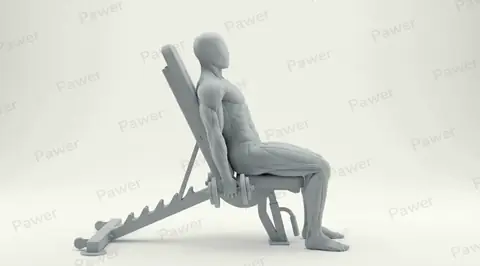 Dumbbell Incline Hammer CurlDumbbell
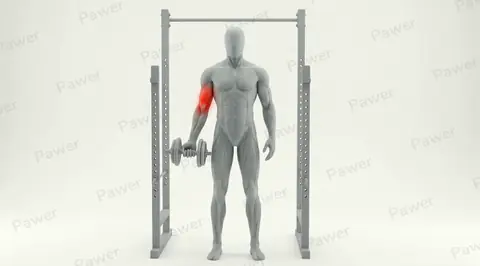 Dumbbell Standing Single Arm CurlDumbbell
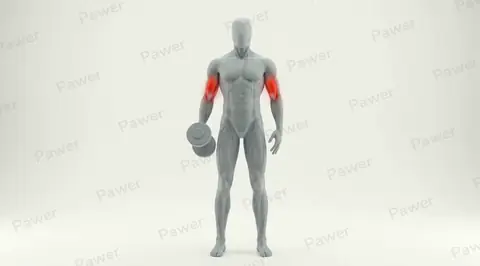 Dumbbell Standing Single Arm Hammer CurlDumbbell
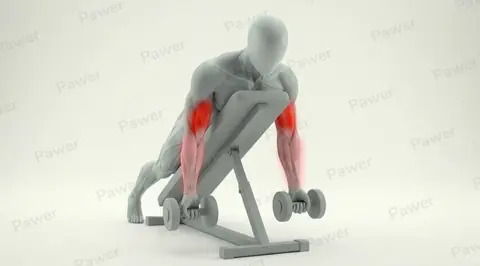 Spider CurlDumbbell
 Zottman CurlDumbbell
By muscle
Every exercise is mapped to the muscles it trains. Browse by what you want to build.
By equipment
A full gym, a pair of dumbbells, or nothing at all: browse by what you have.