Kettlebell Exercises
 Anton YefanovUpdated
The best kettlebell exercises are the kettlebell swing, the goblet squat, the Turkish get-up and the farmer's carry. Between them, those four moves train hip power, legs, shoulders, grip and core with a single piece of iron.
A kettlebell's weight sits below and away from its handle. That offset makes it the ideal tool for swinging, carrying and holding against the chest or at the shoulder, and it is why kettlebell training blends strength with conditioning so well. It is less suited to slow isolation work like curls and raises, where dumbbells and cables do a better job. One or two bells fit in a corner, which makes kettlebells one of the most practical ways to train at home.
This guide ranks the kettlebell exercises worth learning first, maps them to the muscles they train, compares kettlebells with other equipment, and covers bell sizes, programming, sample workouts and swing technique.
Best Kettlebell Exercises
These eight cover every major movement pattern you can train with kettlebells. Learn the swing and the goblet squat first, since most kettlebell programs are built on them.
No. 1Best Overall
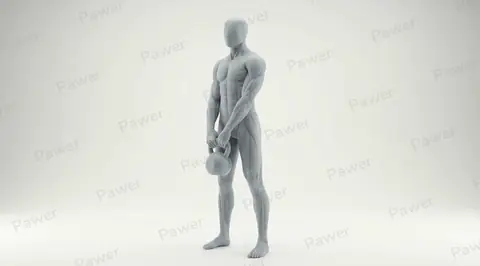
Kettlebell Swing
The swing is the defining kettlebell exercise: an explosive hip hinge that trains the glutes and hamstrings for power while your heart rate climbs. No other tool does it as well, because the handle lets the bell travel between your legs and float up in front of you. Learn a basic hinge first, then swing for sets of 10 to 20.
No. 2Best for Beginners
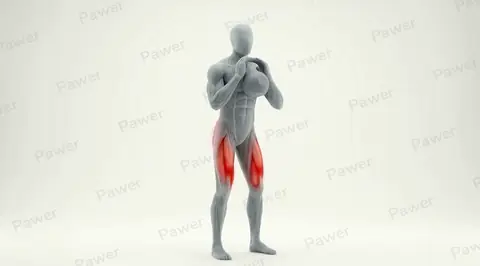
Kettlebell Goblet Squat
Holding the bell by the horns at your chest counterbalances you and keeps your torso upright, so most people can squat deeper and cleaner on day one. It trains the quads hardest, with the glutes, adductors and core helping.
No. 3Best Full-Body Exercise
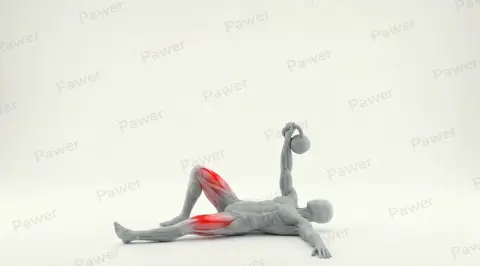
Kettlebell Turkish Get-Up
The get-up takes you from lying on the floor to standing and back with a bell locked out overhead. It trains the core, shoulders and glutes together and teaches you to keep the shoulder stable through many positions. Do it slowly, one rep at a time, and start lighter than you think.
No. 4Best for Grip
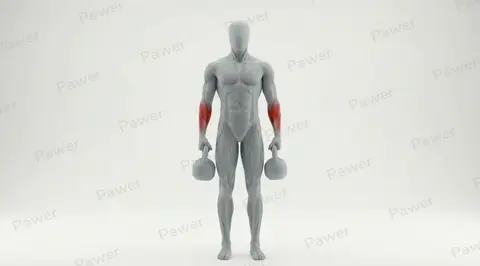
Kettlebell Farmers Carry
Picking up two heavy bells and walking builds grip and forearm strength quickly, while your trunk and upper back work to keep you tall. It is the easiest kettlebell exercise to learn and one of the most useful for everyday strength. Carries can go heavier than almost any other kettlebell lift.
No. 5Best for Hamstrings
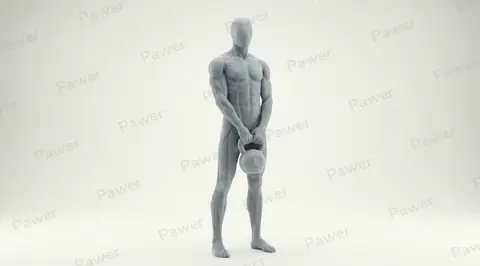
Kettlebell Romanian Deadlift
The slow version of the hinge loads the hamstrings and glutes through a long stretch, without the speed of the swing. It is the best way to learn the hip hinge before swinging and a strong muscle builder in its own right. Use one bell held in both hands or a bell in each hand.
No. 6Best for Shoulders
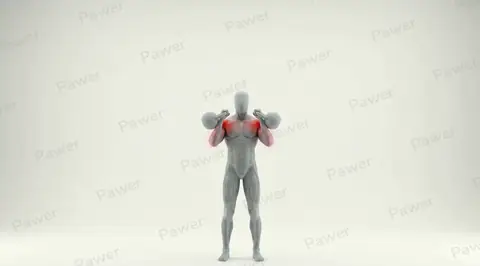
Kettlebell Push Press
A short dip and drive from the legs helps the bell off the shoulder, then the shoulders and triceps finish the press overhead. Because the legs assist, you can handle more weight overhead than with a strict press. The bell rests on the back of your forearm in the rack position, which takes a little practice but makes a stable base for the press.
No. 7Best for Back
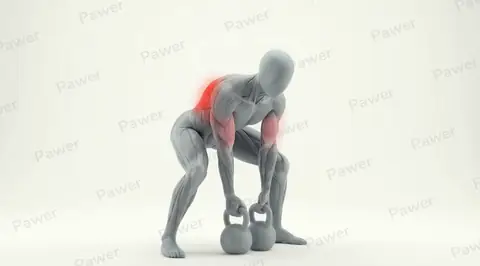
Kettlebell Gorilla Row
Standing over two bells in a wide stance, you row one while the other stays on the floor, keeping the lats and biceps under constant tension. The hinged position also trains the hips and trunk to hold still. If you only own one bell, the single-arm row is the substitute.
No. 8Best for Conditioning
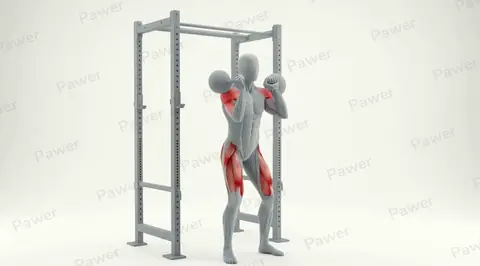
Kettlebell Thruster
A front squat that flows straight into an overhead press trains the legs, glutes and shoulders in one movement, and it raises your heart rate fast. It works best with two bells in moderate sets inside a circuit, not as a heavy strength lift. Keep the squat deep and the press finished with locked elbows.
The best kettlebell exercises for each muscle group
Kettlebells are strongest where the hips, legs, shoulders and grip are concerned. The table covers the muscles they genuinely train well.
Chest and arms are the weak spots. You can bench press kettlebells, and curls are possible, but the offset weight adds little for those muscles and the jumps between bell sizes make progression clumsy. If chest or arm size is a priority, pair your kettlebells with push-ups or a set of dumbbells.
| Muscle | Best exercises | Why |
|---|---|---|
| Glutes | Kettlebell Swing, Kettlebell Hip Thrust, Kettlebell Sumo Deadlift | The swing trains explosive hip extension; thrusts and deadlifts add slower strength work |
| Hamstrings | Kettlebell Romanian Deadlift, Kettlebell Swing | Both load the hamstrings as the hips travel back into a stretch |
| Quads | Kettlebell Goblet Squat, Kettlebell Assisted Bulgarian Split Squat, Kettlebell Thruster | Holding the bell in front keeps the torso upright, which puts more of the work on the quads |
| Shoulders | Kettlebell Push Press, Kettlebell Seated Overhead Press, Kettlebell Turkish Get-Up | The bell sits on the forearm, and the offset load makes the shoulder work to stay stable |
| Back | Kettlebell Gorilla Row, Kettlebell Single Arm Row, Kettlebell Row | Rows cover the lats and mid back, with or without a bench |
| Core | Kettlebell Turkish Get-Up, Kettlebell Windmill | Holding a bell overhead while you move trains the trunk to brace and control rotation |
| Forearms and grip | Kettlebell Farmers Carry | The thick handle and heavy loads build grip strength fast |
| Traps | Kettlebell Shrug | Two bells at your sides give a straight, simple shrug |
Kettlebells vs dumbbells, barbell, bodyweight and machines
Choose kettlebells when power and conditioning matter to you, when you train at home with little space, or when you want short sessions that combine strength and cardio. A swing session can leave you as out of breath as a run while still loading the hips heavily, which few other tools manage.
Kettlebells are a weaker choice when your main goal is maximum muscle size or maximum strength. Dumbbells offer smaller weight jumps and better isolation work, and a barbell lets you load far heavier. Many lifters get the best of both by keeping the barbell or dumbbells for their main lifts and using kettlebells for swings, carries and get-ups.
| Equipment | Power and conditioning | Muscle building | Maximal strength | Home friendly | Learning curve |
|---|---|---|---|---|---|
| Kettlebells | High | Moderate | Moderate | High: one or two bells take little space | Moderate: swings and get-ups need practice |
| Dumbbells | Moderate | High | High | High with an adjustable pair | Low |
| Barbell | High with the Olympic lifts | High | Highest | Low: needs a rack, plates and space | High for the Olympic lifts, moderate for the basics |
| Bodyweight | Moderate | Moderate | Low | Highest | Low to moderate |
| Machines | Low | High | Moderate | Low | Lowest |
All 25 Kettlebell Exercises
All 25 kettlebell exercises in the library, grouped by difficulty. Each one has a video, step-by-step form and the muscles it works.
Beginner Kettlebell Exercises18
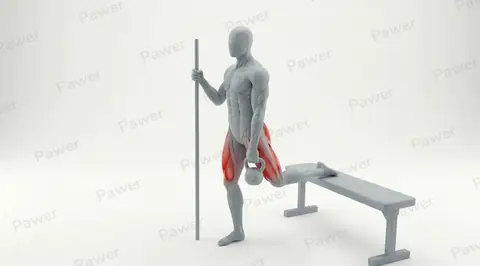 Kettlebell Assisted Bulgarian Split SquatKettlebell
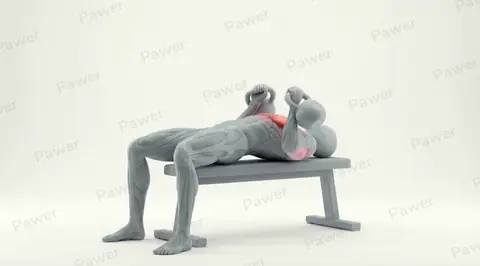 Kettlebell Bench PressKettlebell
 Kettlebell Calf RaiseKettlebell
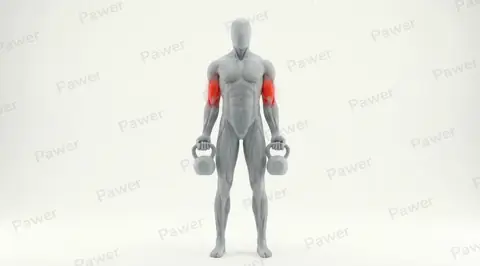 Kettlebell CurlKettlebell
- Kettlebell Farmers CarryKettlebell
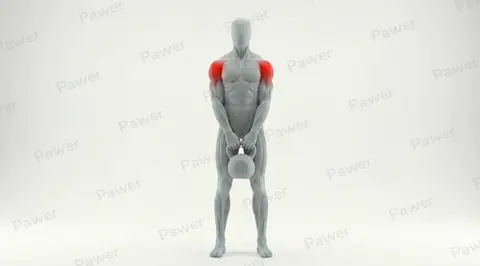 Kettlebell Front RaiseKettlebell
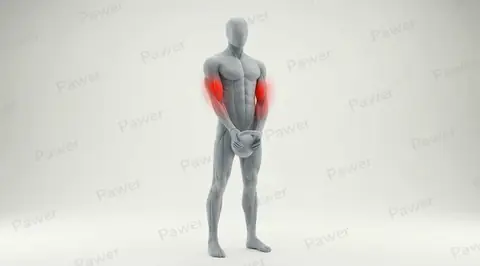 Kettlebell Goblet CurlKettlebell
- Kettlebell Goblet SquatKettlebell
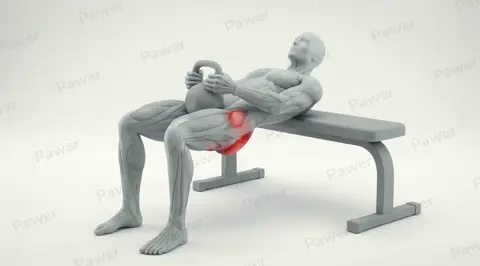 Kettlebell Hip ThrustKettlebell
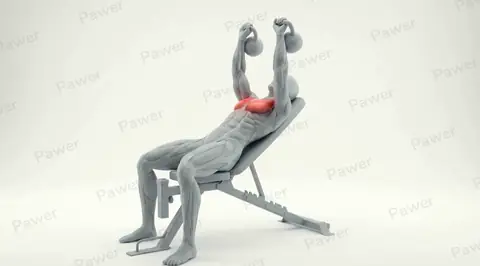 Kettlebell Incline Bench PressKettlebell
- Kettlebell Push PressKettlebell
- Kettlebell Romanian DeadliftKettlebell
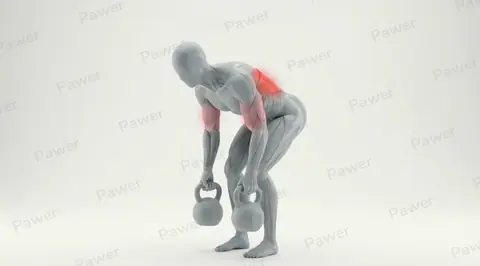 Kettlebell RowKettlebell
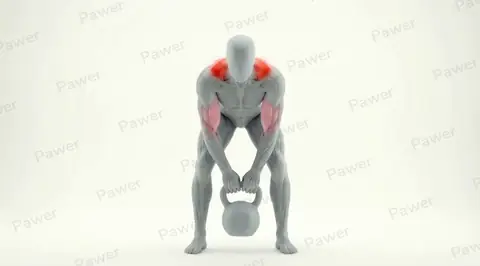 Kettlebell Row (Single)Kettlebell
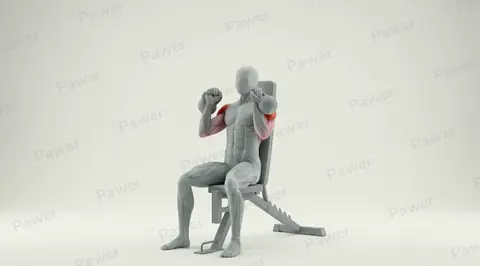 Kettlebell Seated Overhead PressKettlebell
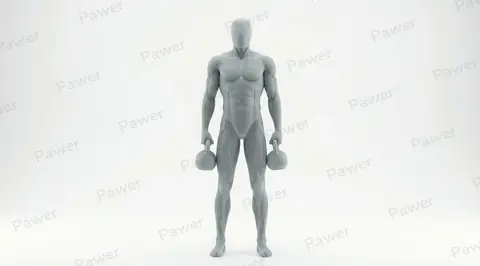 Kettlebell ShrugKettlebell
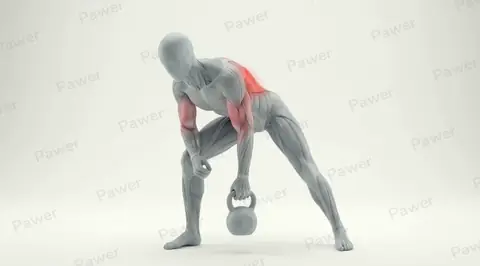 Kettlebell Single Arm RowKettlebell
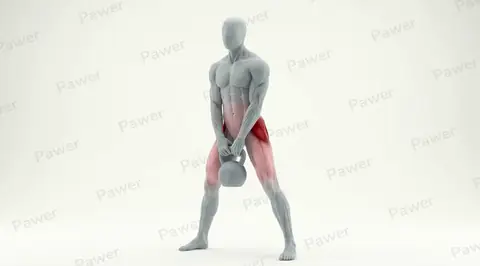 Kettlebell Sumo DeadliftKettlebell
Intermediate Kettlebell Exercises6
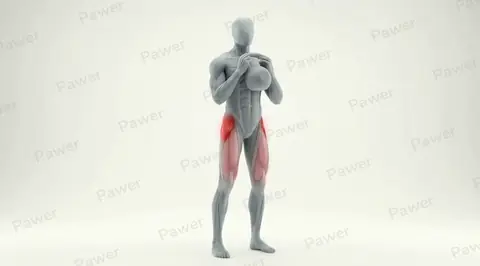
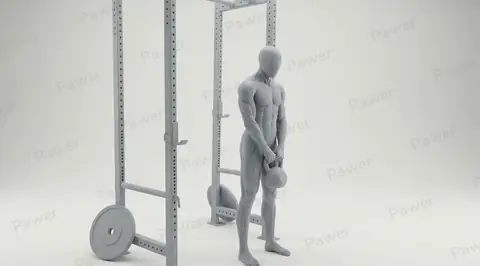
Advanced Kettlebell Exercises1
Kettlebell sizes: what weight to start with
Kettlebells are traditionally sized in kilograms, with classic sizes stepping up by 4 kg: 8, 12, 16, 20, 24 and so on. A 16 kg bell is about 35 pounds. Those big jumps matter: you will use very different bells for a swing and a press, so the right size depends on the exercise, not just on you.
If you only buy one bell, buy for the swing and goblet squat, since those are the lifts you will do most. Most beginners can learn both with a moderate bell, and stronger lifters outgrow it quickly. Your second bell should be either a lighter one for presses and get-ups or a matching pair for double-bell work like gorilla rows, thrusters and carries. Look for a smooth handle with no sharp seams, a flat base, and a handle window wide enough for both hands. Single-piece cast iron bells are cheaper and more compact at light weights; competition-style steel bells are the same size at every weight, so your rack position never changes.
| Exercise type | Examples | Common starting bell | Notes |
|---|---|---|---|
| Swings and deadlifts | Kettlebell Swing, Kettlebell Sumo Deadlift | 12 to 16 kg for most beginners; 16 to 24 kg if you already lift | Your hips do the work, so this is your heaviest bell |
| Squats and rows | Kettlebell Goblet Squat, Kettlebell Single Arm Row | 12 to 20 kg | Usually the same bell as your swing at first |
| Presses | Kettlebell Push Press, Kettlebell Seated Overhead Press | 8 to 16 kg | Strict presses take less weight than the push press |
| Get-ups and windmills | Kettlebell Turkish Get-Up, Kettlebell Windmill | No weight at first, then 8 to 12 kg | Learn every step unloaded before adding a bell |
| Carries | Kettlebell Farmers Carry | Your heaviest bells | If you can walk tall without the bells swinging, they are not too heavy |
How to program kettlebell workouts: sets, reps and progression
Because bells jump in size by several kilograms, you cannot add a little weight each week the way you can with a barbell. Progress in steps instead: add reps, then sets, then do the same work in less time. When you can comfortably finish all your sets at the top of the rep range, move to the next bell for the first set or two only, and use the lighter bell for the rest. Over a few weeks, the heavier bell takes over.
Treat swings as power work, not endurance work. End each set when the bell stops floating up from the snap of your hips, even if you could grind out more. Grinding lifts like presses, squats and get-ups respond to lower reps and longer rest, just as they would with any other equipment.
| Goal | Sets | Reps | Rest | Frequency |
|---|---|---|---|---|
| Power (swings) | 5 to 10 | 5 to 10 explosive reps | 60 to 90 seconds, or until your breathing settles | 2 to 3 times per week |
| Strength (presses, squats, get-ups) | 3 to 5 | 3 to 6 per side; 1 to 3 for get-ups | 2 to 3 minutes | 2 to 3 times per week |
| Muscle growth | 3 to 4 | 8 to 15 | 1 to 2 minutes | Each muscle twice a week |
| Conditioning | 4 to 6 rounds | 10 to 20 swings, or 20 to 40 seconds of work | As long as the work, or longer | 2 to 3 times per week |
Kettlebell workouts: one bell, two bells and conditioning
The one-bell workout covers the whole body with a single kettlebell and suits beginners. The two-bell workout needs a matching pair and lets you train heavier. The circuit is for conditioning: do each exercise back to back, rest after the round, and repeat. Two or three sessions a week, on non-consecutive days, is plenty. Reps on one-sided exercises are per side.
| Workout | Exercise | Sets | Reps | Rest |
|---|---|---|---|---|
| One bell | Kettlebell Goblet Squat | 3 | 8 to 10 | 90 seconds |
| One bell | Kettlebell Swing | 5 | 10 | 60 seconds |
| One bell | Kettlebell Single Arm Row | 3 | 8 to 10 per side | 60 seconds |
| One bell | Kettlebell Push Press | 3 | 6 to 8 per side | 60 seconds |
| One bell | Kettlebell Romanian Deadlift | 3 | 10 | 60 seconds |
| One bell | Kettlebell Turkish Get-Up | 3 | 1 to 2 per side | 60 seconds |
| Two bells | Kettlebell Assisted Bulgarian Split Squat | 3 | 8 per side | 90 seconds |
| Two bells | Kettlebell Gorilla Row | 4 | 8 per side | 90 seconds |
| Two bells | Kettlebell Seated Overhead Press | 3 | 6 to 8 | 90 seconds |
| Two bells | Kettlebell Incline Bench Press | 3 | 8 to 10 | 90 seconds |
| Two bells | Kettlebell Hip Thrust | 3 | 10 to 12 | 60 seconds |
| Two bells | Kettlebell Farmers Carry | 3 | 30 to 40 meters | 60 seconds |
| Conditioning circuit | Kettlebell Swing | 5 rounds | 15 | None between exercises |
| Conditioning circuit | Kettlebell Thruster | 5 rounds | 8 | None between exercises |
| Conditioning circuit | Kettlebell Row | 5 rounds | 10 | None between exercises |
| Conditioning circuit | Kettlebell Farmers Carry | 5 rounds | 30 meters | 90 seconds after each round |
Common kettlebell mistakes and how to fix them
Kettlebell mistakes tend to come from the ballistic lifts and the rack position, where a small error in timing or grip changes where the load goes.
- Squatting the swing. If your knees travel forward and your hips drop low, the swing turns into a front raise for your shoulders. Push your hips back with your shins nearly vertical, then snap them forward so the bell floats up on its own.
- Leaning back at the top of the swing or press. Finish standing tall with your glutes squeezed and ribs down, like a standing plank. Leaning back to finish a rep shifts stress onto the lower back.
- Letting the wrist bend in the rack and press. The bell should rest on the back of your forearm with the wrist straight. Grip the handle loosely and slide your hand through it as you lift so the bell rolls into place instead of flipping onto your forearm.
- Rushing the Turkish get-up. Speeding through it turns a control drill into a balancing act. Move through every step, keep your eyes on the bell and your arm locked, and use a weight you could hold there all day.
- Picking one bell for everything. A bell that is right for presses is usually too light to teach a good swing, and a swing bell is too heavy to press well. Use at least two sizes as soon as you can.
- Chasing high reps with fading form. Long swing sets get sloppy, and sloppy swings are where backs and shoulders get unhappy. Keep sets short enough that every rep stays crisp, and rest before the next one.
How to do a kettlebell swing with good technique
The swing is the one kettlebell exercise almost every program uses, so it is worth getting right. Practice the hinge with the Romanian deadlift first, then follow these steps with a moderate bell.
- Set the bell about a foot in front of you, stand with your feet a little wider than your hips, and push your hips back to grab the handle with both hands.
- Tilt the bell toward you and hike it back between your legs like a football snap, keeping your forearms close to your inner thighs.
- Stand up hard by driving your hips forward and squeezing your glutes. Your arms stay loose; the hips send the bell to about chest height.
- At the top, stand tall in a straight line from head to heels with your core braced. Do not lift the bell with your shoulders or lean back.
- Let the bell fall and hinge back only as it reaches your hips, so it passes high between your legs. Then drive straight into the next rep.
- To stop, let the bell swing back once more, then guide it forward to the floor in front of you rather than dropping it from standing.
Frequently asked questions
Are kettlebells better than dumbbells?
Kettlebells are better for swings, carries and other ballistic or conditioning work, because the handle and offset weight let the bell move in ways a dumbbell cannot. Dumbbells are better for building muscle and for isolation exercises, since they come in smaller increments and balance evenly in the hand. If you can only buy one, choose based on your goal: conditioning and power favor kettlebells, while muscle size favors dumbbells.
Can you build muscle with only kettlebells?
Yes, especially in the legs, glutes, back and shoulders. Squats, split squats, rows, presses and hip thrusts all build muscle when you take your sets close to failure and keep progressing. The challenges are the large jumps between bell sizes and limited options for the chest and arms. Owning a pair of bells, adding push-ups, and using slower lowering phases solves most of that.
How many kettlebell swings should I do?
There is no magic number. For most people, 50 to 150 good swings in sets of 10 to 20, two or three times a week, is a solid amount to build power and conditioning. Quality matters more than total volume, so stop each set when the hip snap fades. Daily swing challenges can work with a moderate bell, but rest days help if your back or grip starts to feel worn down.
Are kettlebell swings safe for your lower back?
For most people, yes, when the swing is done as a hip hinge with a neutral spine. In a good swing, the hips and glutes produce the force and the lower back simply holds its position. Problems usually come from rounding the back at the bottom, squatting instead of hinging, or leaning back at the top. If you have existing back pain, get it assessed before starting a swing program.
Should I use one kettlebell or two?
Start with one. A single bell is enough to learn the swing, goblet squat, get-up, rows and one-arm presses, and one-sided work trains your core to resist twisting. A matching pair becomes worthwhile once you want heavier leg work, double-bell rows and presses, thrusters and farmer's carries. Many people end up with three bells: a light one for presses and get-ups, plus a heavier matching pair.
Is a kettlebell workout enough for full-body training?
It can be. Combine a hinge, a squat or lunge, a press, a row and a carry, and you have trained nearly every major muscle in one session. The main gaps are vertical pulling and direct arm work, so add pull-ups or chin-ups if you have a bar and want a more complete upper body.
Kettlebell exercises by muscle group
Pick the muscle you came to train, and see only the Kettlebell work for it.