Kettlebell Windmill
 Anton YefanovUpdated
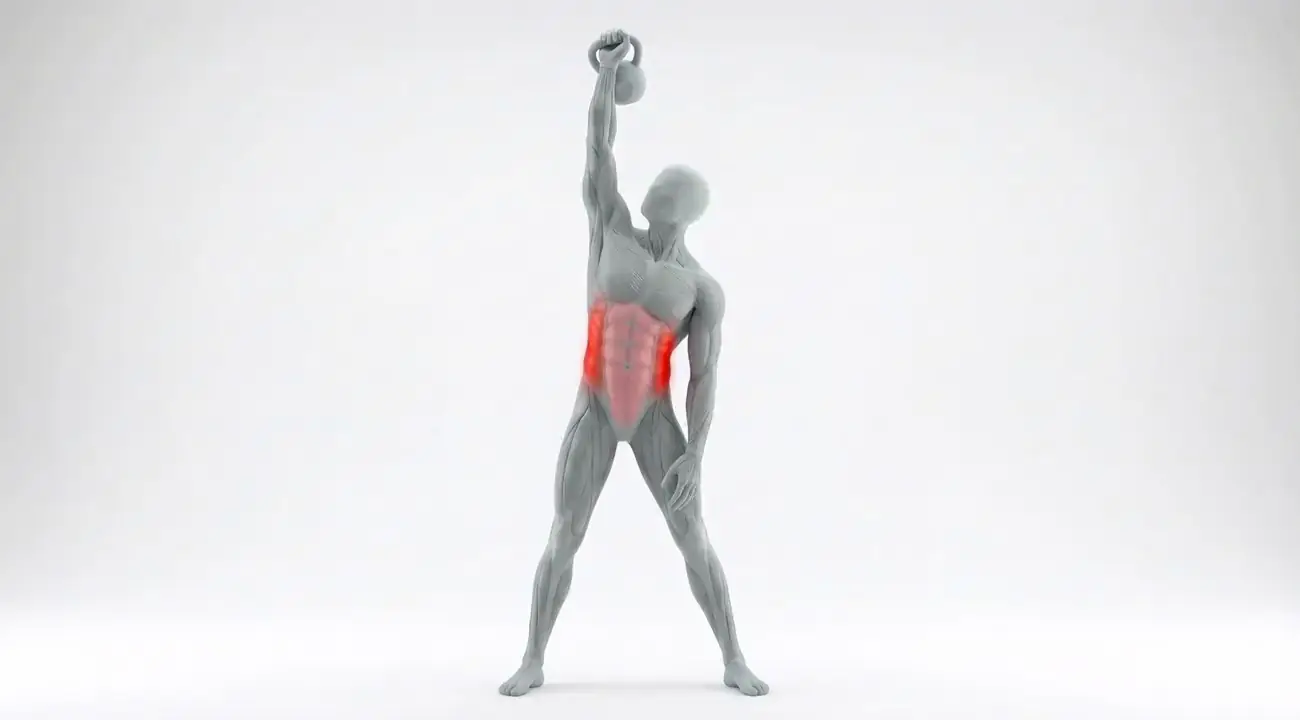
The kettlebell windmill is an advanced movement that combines overhead shoulder stability, oblique strength, and hip mobility. With a kettlebell pressed straight up overhead, the lifter pivots the feet, hinges sideways at the hips, and reaches the lower hand toward the floor while the bell stays locked overhead. The eyes track the bell the whole time to keep the shoulder stable.
How to do the Kettlebell Windmill
- Stand with feet wider than shoulder width and press a kettlebell straight overhead with one arm.
- Turn your front foot out about 45 degrees and lock your eyes on the kettlebell overhead.
- Push your hips toward the side of the locked-out arm while keeping the bell straight up.
- Hinge sideways and reach the lower hand down the inside of the front leg toward the floor.
- Pause at the deepest position with the bell stacked over the shoulder and the back leg straight.
- Reverse the hinge by driving the hips back under the kettlebell to return to standing.
Muscles worked
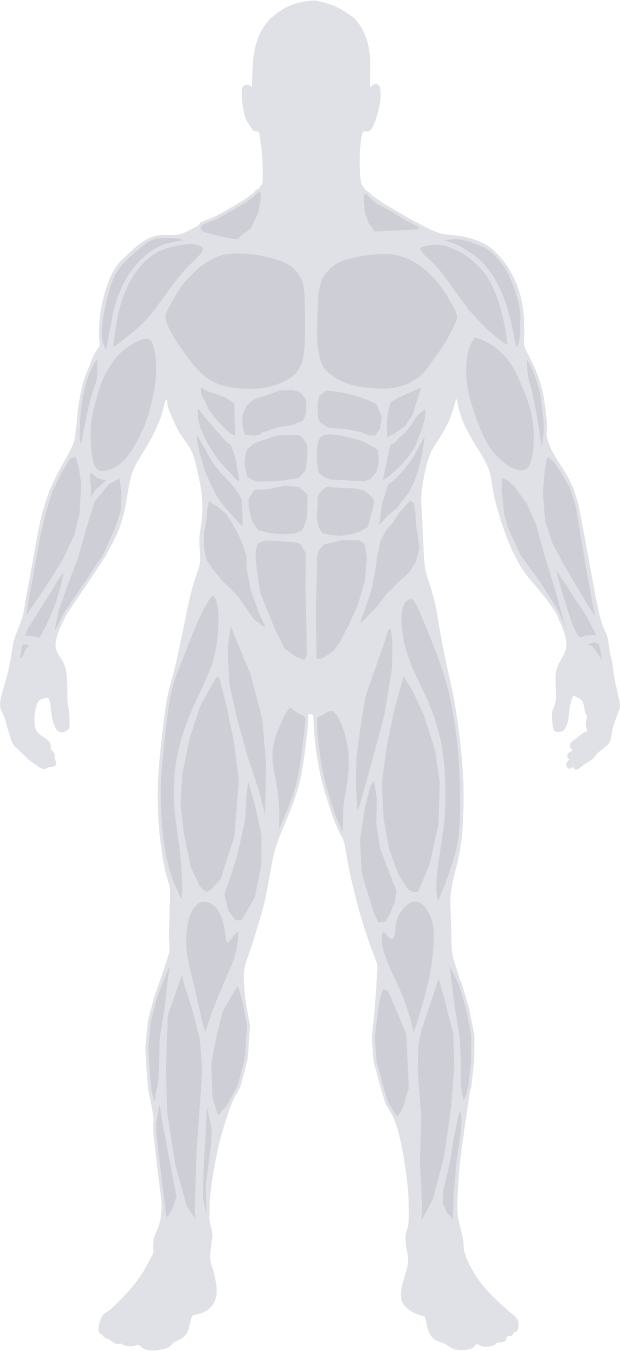
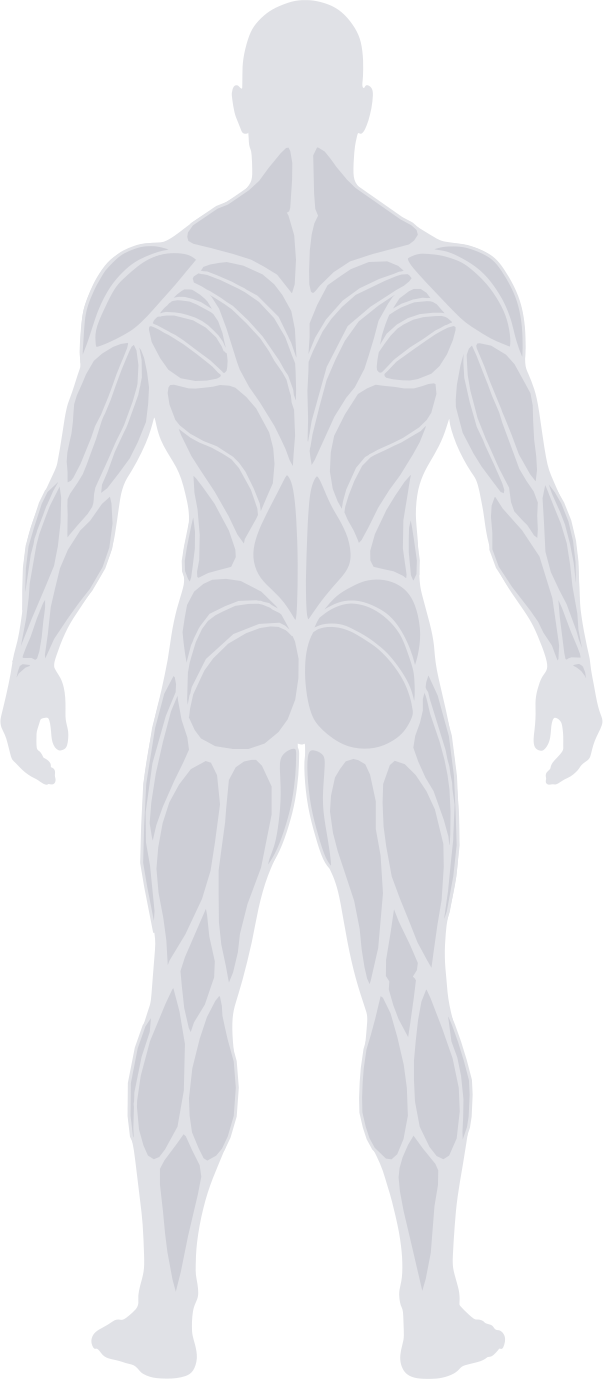
- Primary:
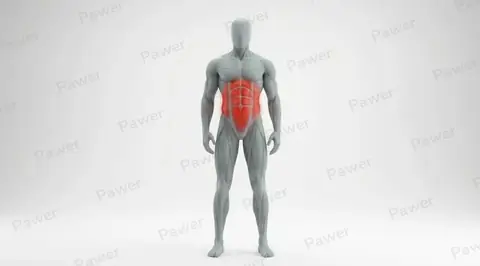
- Core
Why train it
- Builds shoulder stability and overhead control under load.
- Strengthens the obliques and trains hip mobility in one move.
- Develops body control and coordination for sport and athletic prep.
Common mistakes
- Letting the overhead arm drift forward or back instead of staying stacked over the shoulder.
- Bending the knee of the back leg, which collapses the stretch through the obliques and hamstrings.
- Loading too heavy too soon, which compromises shoulder stability under the bell.
- Looking forward instead of tracking the kettlebell, which often causes the arm to drift.
Frequently asked questions
What muscles does the Kettlebell Windmill work?
The Kettlebell Windmill trains the core, and little else. No other group takes a meaningful share of the load, which is what makes this a clean way to target the core directly.
What equipment do I need for the Kettlebell Windmill?
Only a kettlebell. Nothing beyond that is required to run the movement the way it is described above.
Is the Kettlebell Windmill suitable for beginners?
Not as a starting point. The Kettlebell Windmill is rated advanced: it asks for control under load that only comes from months of easier work, and the cost of a bad rep is higher here than on easier variations. Build up to the Kettlebell Windmill through the alternatives below.
Can I do the Kettlebell Windmill at home?
Yes, if you own a kettlebell. That is the whole requirement, and it is the reason this one travels well between a home setup and a gym floor.
How many sets and reps of the Kettlebell Windmill should I do?
Three sets of 10 to 12 reps per side. Drive the turn from the hips and ribs rather than the arms, and keep the load light enough that it stays that way.
What are good alternatives to the Kettlebell Windmill?
Band Wood Chopper, Bodyweight Russian Twist, and Cable Standing Low To High Wood Chopper train the same primary muscles as the Kettlebell Windmill. Pick whichever one suits the equipment in front of you.
Work out your Kettlebell Windmill weights
Estimate your max from a recent set, then find the weight for your next one.
- One Rep Max CalculatorTurn a recent set into an estimated max. Compare Epley, Brzycki and Lombardi, then read off your training percentages and every rep max from 2RM to 12RM.
- RPE CalculatorRate a set by effort, get an estimated max, and read off the weight for your next target. Includes a full RPE chart of percentages by reps and effort.
Similar exercises
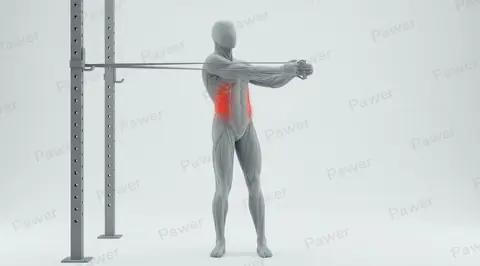 Band Wood ChopperResistance band
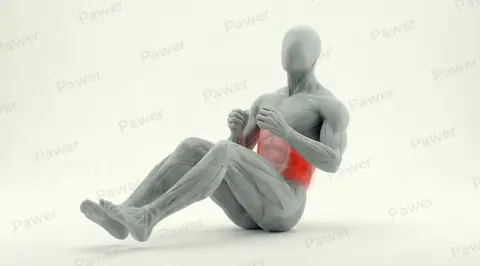 Bodyweight Russian TwistBodyweight
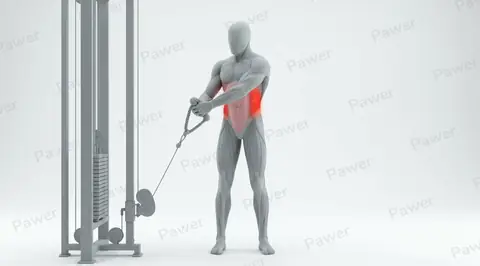 Cable Standing Low To High Wood ChopperCable
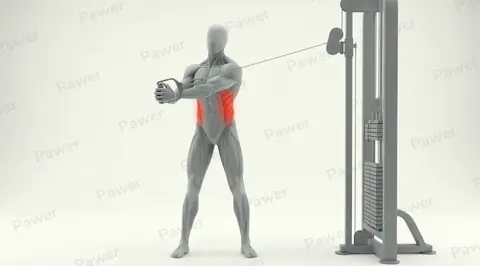 Cable Wood ChopperCable
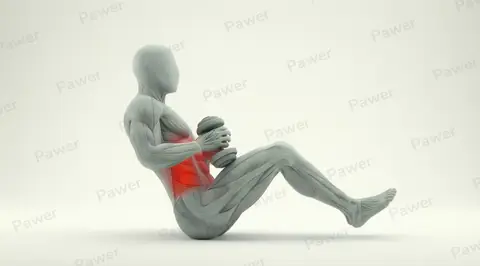 Dumbbell Russian TwistDumbbell
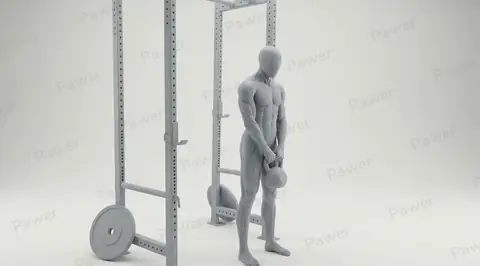 Kettlebell Spinal Jefferson CurlKettlebell
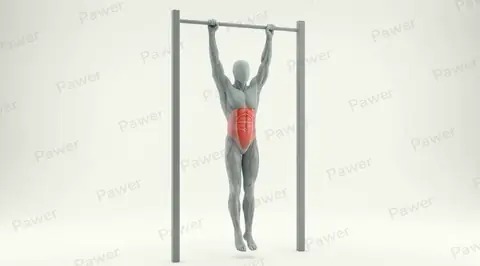 Toes-to-BarBodyweight
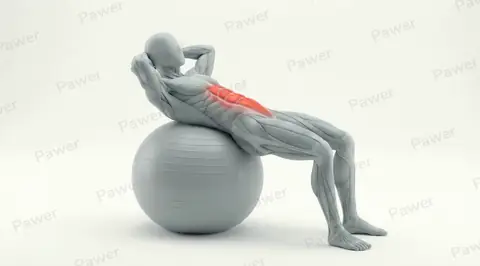 Abdominals Stretch Variation FourStability ball
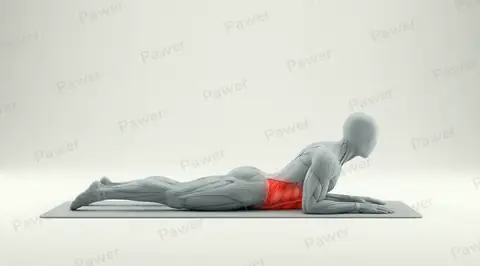 Abdominals Stretch Variation OneBodyweight
 Abdominals Stretch Variation ThreeBodyweight
By muscle
Every exercise is mapped to the muscles it trains. Browse by what you want to build.
By equipment
A full gym, a pair of dumbbells, or nothing at all: browse by what you have.