Shoulder Exercises
 Anton YefanovUpdated
The best shoulder exercises are the dumbbell seated overhead press, the barbell overhead press, the dumbbell lateral raise and the reverse pec deck. One heavy press and two raises cover all three heads of the deltoid, and that combination is the core of any good shoulder workout.
The deltoid has a front, side and rear head, and each one lifts the arm in a different direction. Presses train the front and side heads under heavy load. Side delts build the width that makes shoulders look broad, and they grow best from lateral raises. Rear delts sit on the back of the shoulder, get little work from pressing, and are the head most programs leave behind.
Use this page to pick shoulder exercises for each head, compare the main options, set your sets and reps, and follow a ready-made shoulder workout for the gym, for home or for your first months of training. Every exercise links to a page with a video and step-by-step instructions.
Best Shoulder Exercises
These picks give you a press for strength, raises for each deltoid head and options for dumbbells, cables, machines and kettlebells.
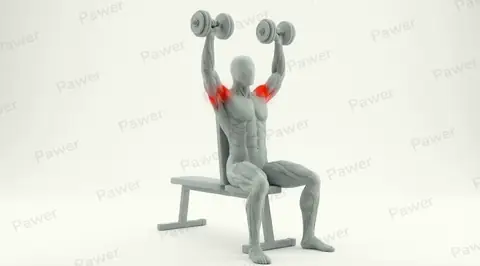
No. 1Best Overall
Dumbbell Seated Overhead Press
Sitting against a bench removes the balance and lower back demands of standing, so the front and side delts can push hard set after set. Dumbbells let each arm find its own path, which most people find more comfortable than a fixed bar. It is beginner friendly and still a mainstay for advanced lifters.
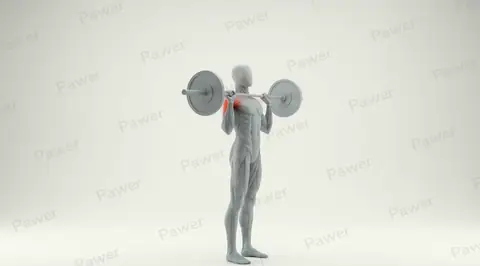
No. 2Best for Strength
Barbell Overhead Press
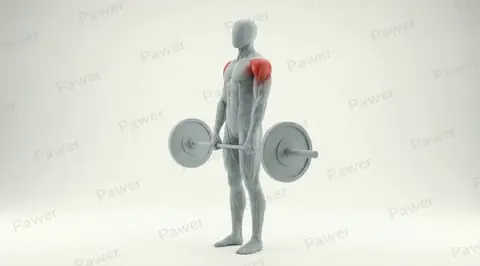
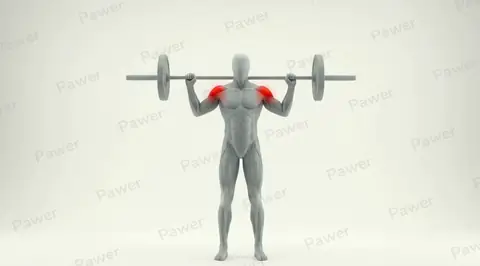
The standing barbell press lets you move the most weight overhead and trains your trunk to stay braced under it. It is the standard test of pressing strength and easy to progress in small jumps. Learn it once you are comfortable with dumbbell pressing.
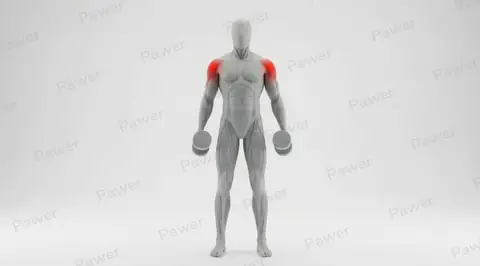
No. 3Best for Wider Shoulders
Dumbbell Lateral Raise
The side delts are what make shoulders look wide, and the lateral raise trains them more directly than any press. It needs only light dumbbells and works for every level. Lead with the elbows and stop around shoulder height.
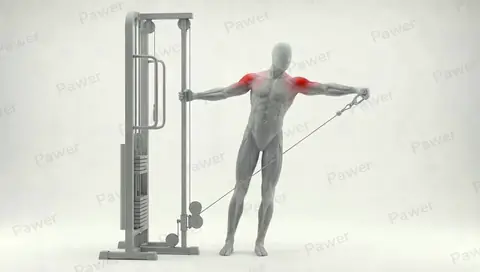
No. 4Best Side Delt Isolation
Leaning Cable Lateral Raise
Leaning away from the cable keeps tension on the side delt at the bottom of the rep, where a dumbbell raise has almost none. One arm at a time also helps you fix a lagging side. It is a great second lateral raise once the dumbbell version is solid.
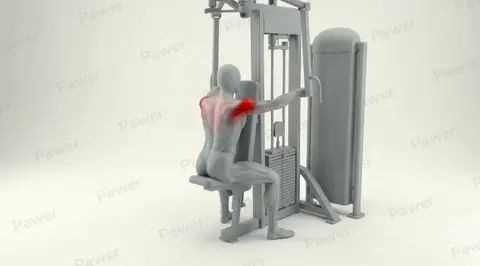
No. 5Best for Rear Delts
Reverse Pec Deck
The chest pad holds your torso still, so the rear delts do the work without your lower back or momentum helping. It is easy to load progressively and simple to learn. Few exercises make the rear delts this easy to feel.
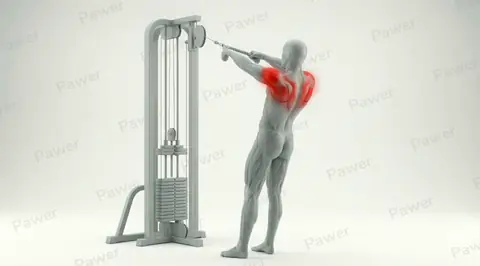
No. 6Best for Upper Back Balance
Cable Rope Face Pulls
Pulling a rope toward your face with the elbows high trains the rear delts, the external rotators and the middle traps together. It is a staple for balancing heavy pressing with pulling work behind the shoulder. Keep the weight light enough to pause at the end of each rep.
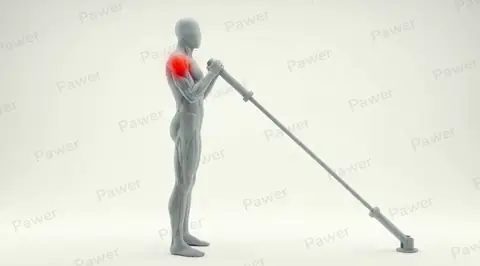
No. 7Best Angled Press
Landmine Press
The bar travels up and forward on an arc instead of straight overhead, which many lifters find more comfortable when strict overhead pressing does not sit well. It trains the front delts hard and teaches the trunk to stay braced. It is also a good entry point for beginners.
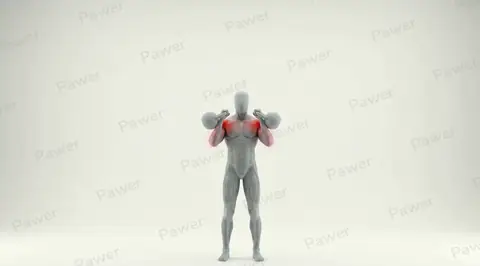
No. 8Best Kettlebell Exercise
Kettlebell Push Press
A short dip and drive from the legs lets you handle more weight overhead than a strict press, and lowering it under control loads the shoulders hard. With a single kettlebell it works each side in turn. It is the backbone of most kettlebell shoulder training.
Shoulder anatomy: front, side and rear delts
The deltoid caps the shoulder joint and has three heads. The front (anterior) delt raises the arm forward and is the main shoulder muscle in every press, including the bench press and push-up. The side (lateral) delt raises the arm out to the side and creates shoulder width. The rear (posterior) delt pulls the arm backward and out, as in a reverse fly or the end of a wide row.
Underneath sit the four rotator cuff muscles, which rotate the upper arm and keep the ball of the joint centered while the deltoids do the heavy lifting. Most lifters already get plenty of front delt work from chest pressing, so a balanced shoulder program usually spends more of its direct sets on the side and rear delts, plus a little rotator cuff work as part of the warmup.
| Part | What it does | Best exercises |
|---|---|---|
| Front delts | Raise the arm forward and drive overhead and incline pressing | Barbell Overhead Press, Dumbbell Seated Overhead Press, Arnold Press, Dumbbell Front Raise |
| Side delts | Raise the arm out to the side; give the shoulders width | Dumbbell Lateral Raise, Leaning Cable Lateral Raise, Machine Lateral Raise, Dumbbell Upright Row |
| Rear delts | Pull the arm backward and out to the side | Reverse Pec Deck, Dumbbell Rear Delt Fly, Dumbbell Laying Reverse Fly, Cable Rope Face Pulls |
| Rotator cuff | Rotates the upper arm and keeps the joint centered | Band External Rotation, Cable External Rotation, Cuban Press |
The best shoulder exercises compared
Build every shoulder session from one press plus raises for the heads the press misses. Choose the press by experience and comfort: seated dumbbells for most people, the standing barbell press for strength, the landmine press when straight overhead pressing does not feel good. Then choose a lateral raise and a rear delt movement based on what equipment you have.
Cables and machines are worth using for raises because they keep tension on through the bottom of the movement, where dumbbells are easiest. Upright rows train the side delts and upper traps together; keep the grip at least shoulder width and stop when your elbows reach shoulder height.
| Exercise | Equipment | Difficulty | Best for | Head emphasis |
|---|---|---|---|---|
| Dumbbell Seated Overhead Press | Dumbbells and bench | Beginner | Main press for muscle growth | Front and side |
| Barbell Overhead Press | Barbell | Intermediate | Overhead strength | Front and side |
| Arnold Press | Dumbbells | Intermediate | Pressing through a long range | Front |
| Landmine Press | Barbell and landmine | Beginner | Pressing on an angled path | Front |
| Dumbbell Lateral Raise | Dumbbells | Beginner | Shoulder width anywhere | Side |
| Leaning Cable Lateral Raise | Cable | Intermediate | Tension at the bottom of the raise | Side |
| Machine Lateral Raise | Machine | Beginner | Strict, easy-to-load raises | Side |
| Dumbbell Upright Row | Dumbbells | Beginner | Side delts and upper traps together | Side |
| Reverse Pec Deck | Machine | Beginner | Strict rear delt isolation | Rear |
| Cable Rope Face Pulls | Cable | Beginner | Rear delts and upper back together | Rear |
All 57 Shoulder Exercises
All 57 shoulder exercises in the library, grouped by difficulty. Each one has a video, step-by-step form and the muscles it works.
Beginner Shoulder Exercises33
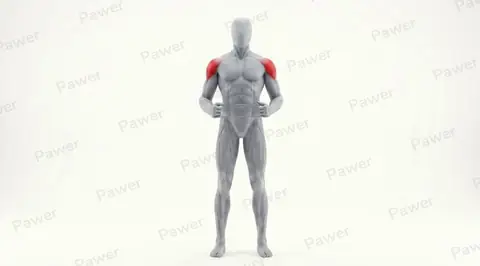 Band External RotationResistance band
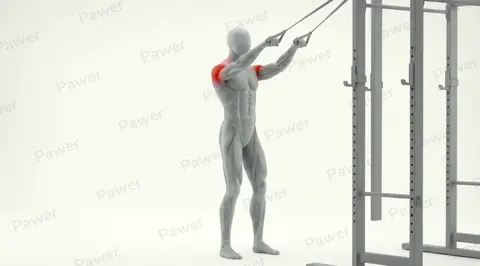 Band High Face PullResistance band
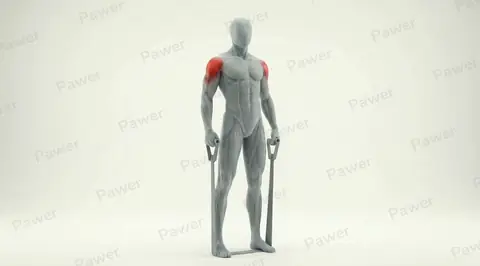 Band Lateral RaiseResistance band
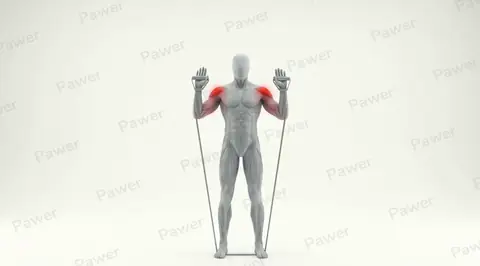 Band Overhead PressResistance band
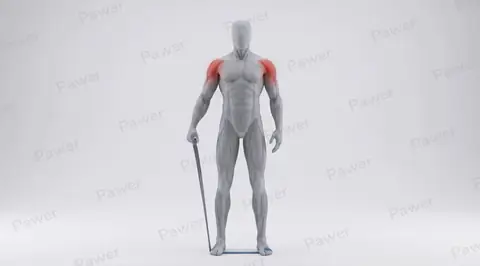 Band Single Arm Lateral RaiseResistance band
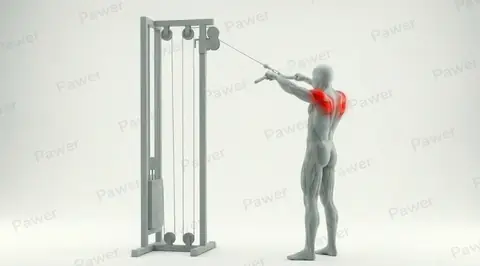 Cable Bar Face PullCable
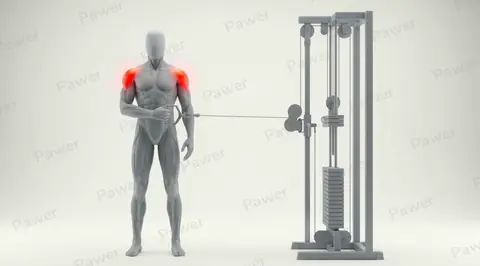 Cable External RotationCable
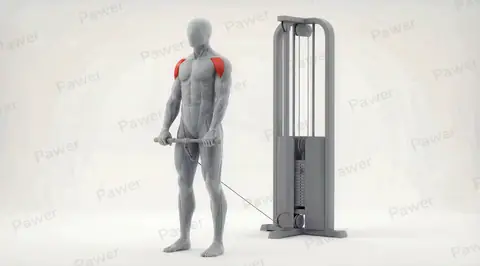 Cable Front RaiseCable
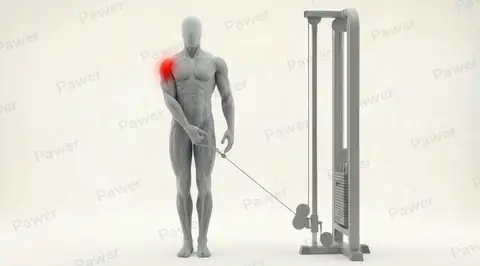 Cable Low Single Arm Lateral RaiseCable
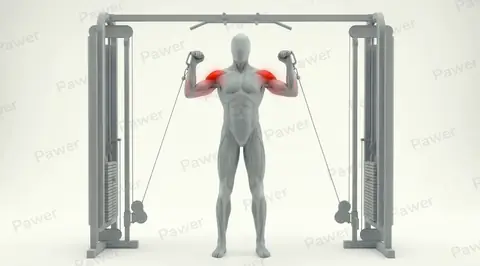 Cable Overhead PressCable
- Cable Rope Face PullsCable
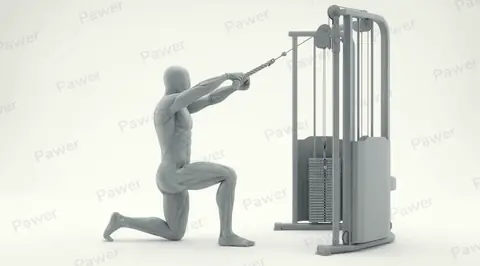 Cable Rope Kneeling Face PullCable
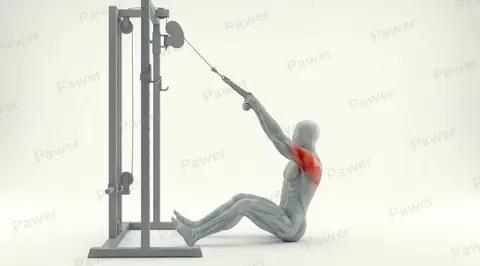 Cable Seated Rope Face PullCable
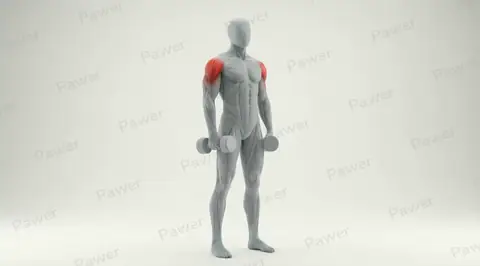 Dumbbell Front RaiseDumbbell
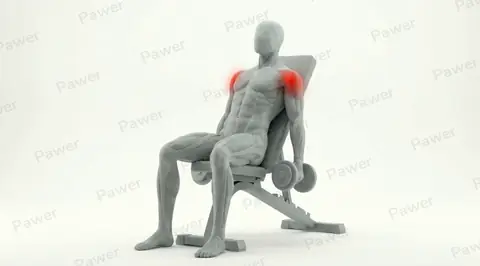 Dumbbell Incline Front RaiseDumbbell
- Dumbbell Lateral RaiseDumbbell
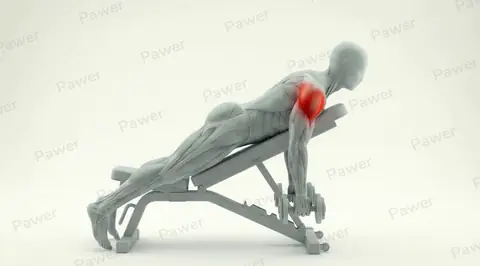 Dumbbell Laying Reverse FlyDumbbell
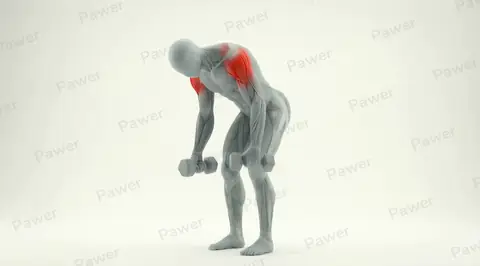 Dumbbell Rear Delt FlyDumbbell
- Dumbbell Seated Overhead PressDumbbell
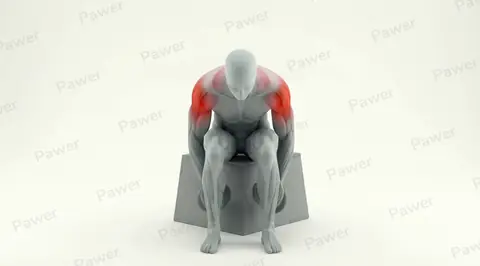 Dumbbell Seated Rear Delt FlyDumbbell
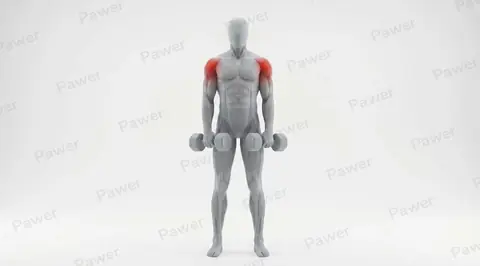 Dumbbell Upright RowDumbbell
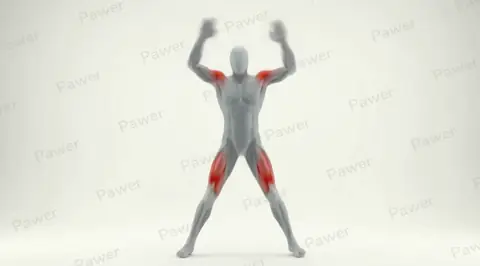 Jumping JackBodyweight
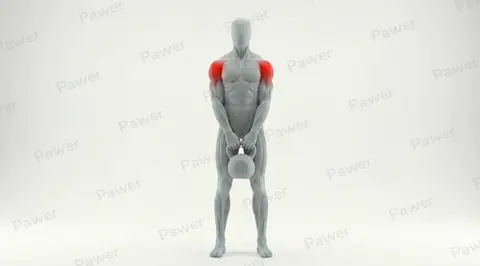 Kettlebell Front RaiseKettlebell
- Kettlebell Push PressKettlebell
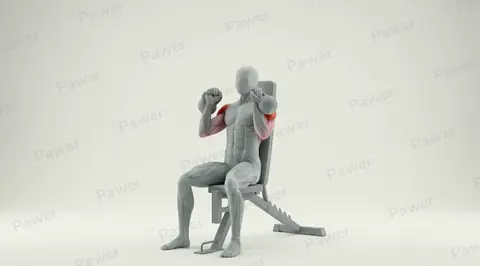 Kettlebell Seated Overhead PressKettlebell
- Landmine PressBarbell
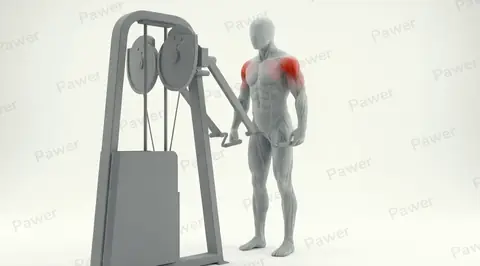 Machine Lateral RaiseMachine
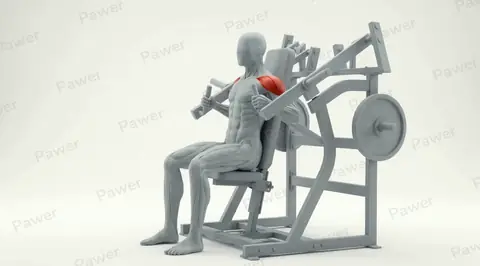 Machine Plate Loaded Front Military PressMachine
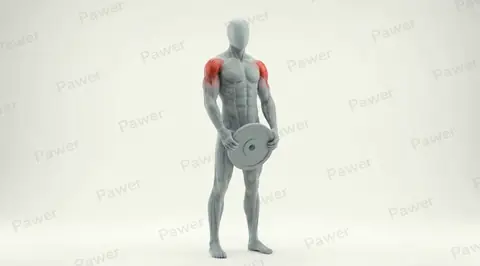 Plate Front RaiseWeight plate
- Reverse Pec DeckMachine
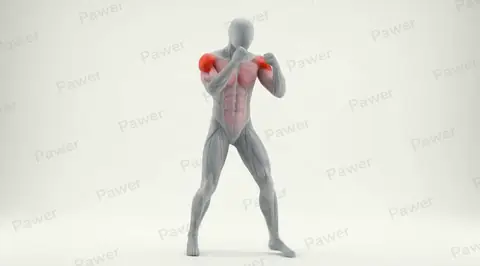 Shadow BoxingBodyweight
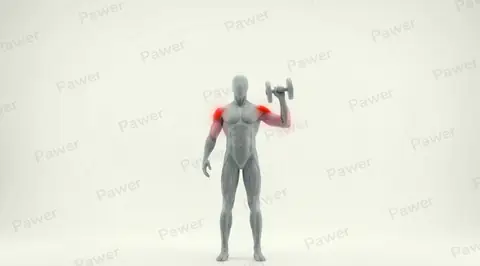 Single-Arm Dumbbell Overhead PressDumbbell
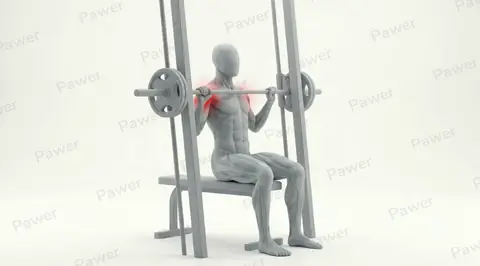 Smith Machine Seated Overhead PressMachine
Intermediate Shoulder Exercises18
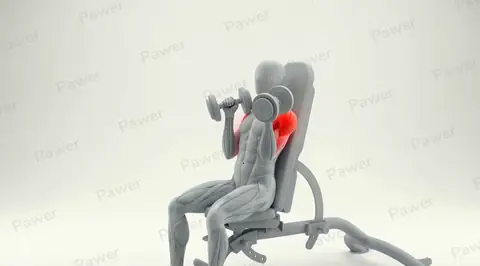 Arnold PressDumbbell
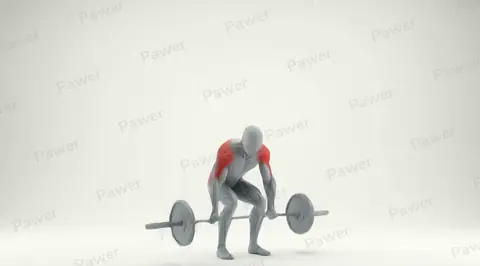 Barbell Muscle SnatchBarbell
- Barbell Overhead PressBarbell
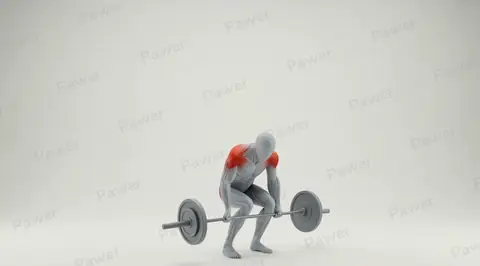 Barbell Power SnatchBarbell
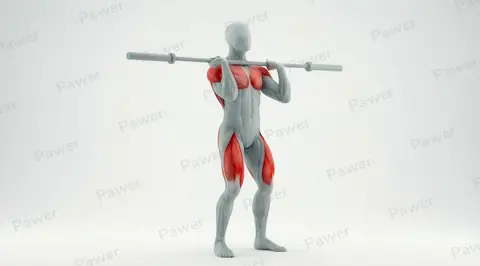 Barbell ThrusterBarbell
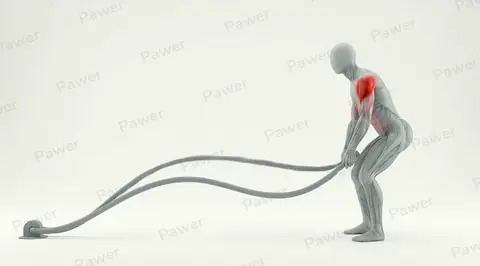 Battle RopesBattle ropes
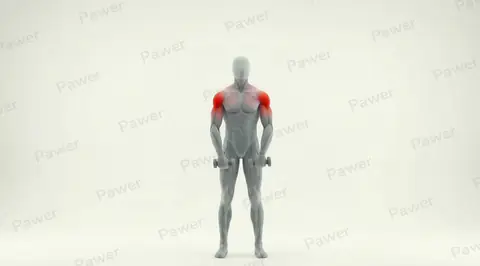 Cuban PressDumbbell
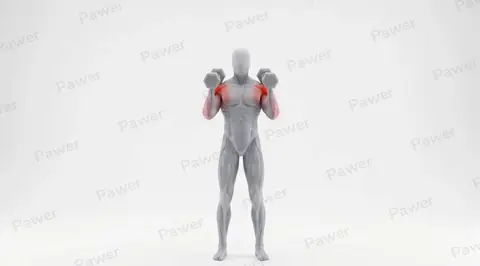 Dumbbell Push PressDumbbell
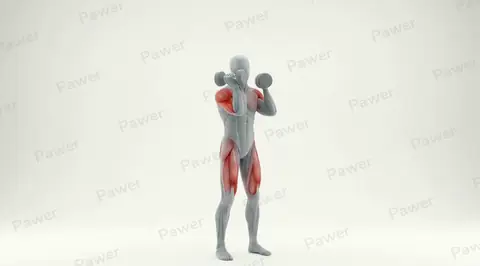 Dumbbell ThrusterDumbbell
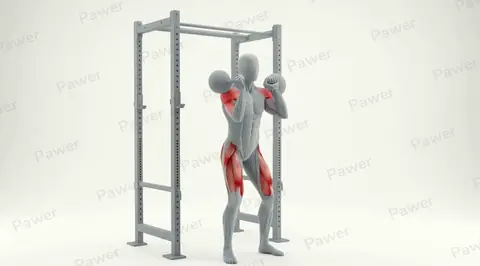 Kettlebell ThrusterKettlebell
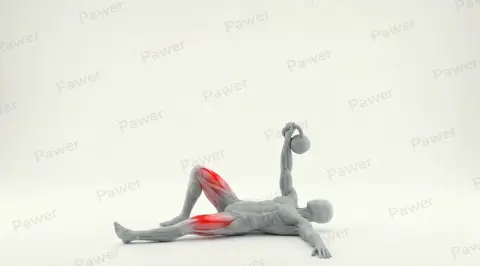 Kettlebell Turkish Get-UpKettlebell
- Leaning Cable Lateral RaiseCable
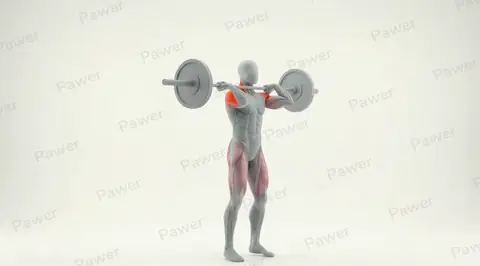 Push JerkBarbell
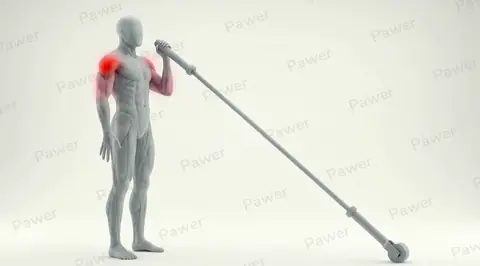 Single-Arm Landmine PressBarbell
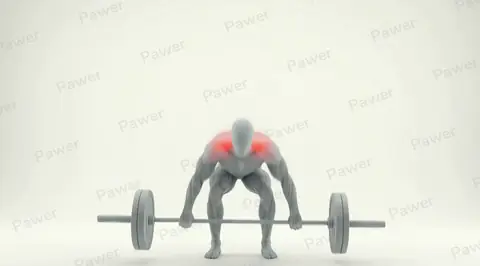 Snatch-Grip High PullBarbell
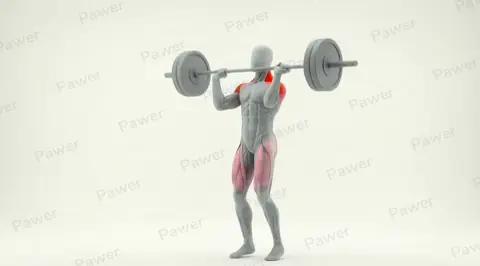 Split JerkBarbell
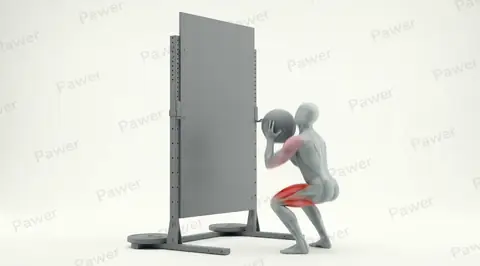 Wall BallBodyweight
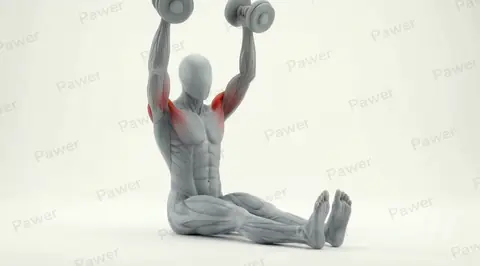 Z PressDumbbell
Advanced Shoulder Exercises6
How to train your shoulders: sets, reps and frequency
Treat presses and raises differently. Presses are heavy compound lifts that respond to 5 to 12 reps with longer rest. Lateral raises and rear delt work use light loads and grow best from higher reps, roughly 10 to 20, taken close to failure with short rests. Because raises are low in fatigue, you can train them two to four times per week.
Aim for about 10 to 20 hard sets per week of direct shoulder work, weighted toward the side and rear delts if you already bench press. On presses, add weight once you hit the top of your rep range on every set. On raises, add reps first; jumping a dumbbell size on a lateral raise is a big relative increase, so push the reps well past your target before moving up.
| Goal | Sets | Reps | Rest | Frequency |
|---|---|---|---|---|
| Muscle size (presses) | 3 to 4 | 6 to 12 | 2 minutes | 2 times per week |
| Muscle size (raises) | 3 to 4 | 10 to 20 | 45 to 90 seconds | 2 to 4 times per week |
| Strength | 3 to 5 | 3 to 6 | 2 to 3 minutes | 2 times per week |
| Beginner | 2 to 3 | 8 to 15 | 60 to 90 seconds | 2 times per week |
| Rotator cuff and warmup | 1 to 2 | 12 to 20, light | 30 to 60 seconds | Before upper body sessions |
Sample shoulder workouts for the gym and home
Each workout starts with a press while you are fresh, then covers the side and rear delts directly. The home workout needs a pair of dumbbells, a chair or bench and a resistance band. Run any of them twice a week, or split the raises across your other upper body days.
| Workout | Exercise | Sets | Reps | Rest |
|---|---|---|---|---|
| Gym workout | Barbell Overhead Press | 4 | 5 to 8 | 2 to 3 minutes |
| Gym workout | Dumbbell Lateral Raise | 3 | 12 to 15 | 60 seconds |
| Gym workout | Leaning Cable Lateral Raise | 2 | 12 to 15 per side | 45 seconds |
| Gym workout | Reverse Pec Deck | 3 | 12 to 20 | 60 seconds |
| Gym workout | Cable Rope Face Pulls | 2 | 15 to 20 | 60 seconds |
| Home workout | Dumbbell Seated Overhead Press | 3 | 8 to 12 | 2 minutes |
| Home workout | Dumbbell Lateral Raise | 4 | 12 to 20 | 60 seconds |
| Home workout | Dumbbell Rear Delt Fly | 3 | 12 to 20 | 60 seconds |
| Home workout | Band High Face Pull | 2 | 15 to 20 | 45 seconds |
| Beginner workout | Machine Plate Loaded Front Military Press | 3 | 8 to 12 | 90 seconds |
| Beginner workout | Machine Lateral Raise | 3 | 12 to 15 | 60 seconds |
| Beginner workout | Reverse Pec Deck | 3 | 12 to 15 | 60 seconds |
| Beginner workout | Band External Rotation | 2 | 15 per side | 45 seconds |
Common shoulder training mistakes
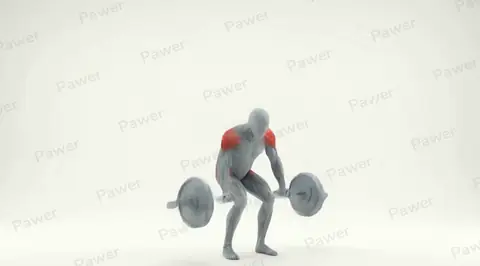
Shoulder training tends to stall for the same few reasons: too much load on small muscles, too little attention to the back of the shoulder, and pressing technique that leaks force.
- Swinging heavy lateral raises. Using your hips and traps to heave the weight up takes work away from the side delts. Pick a weight you can raise with a still torso and lower slowly.
- Shrugging during raises. If your shoulders creep toward your ears, the upper traps take over. Keep your shoulders down and think about pushing the dumbbells out to the walls.
- Skipping the rear delts. Pressing builds the front of the shoulder, and many programs never balance it. Add reverse flies or face pulls at least twice a week.
- Piling on front raises. Bench pressing, overhead pressing and push-ups already work the front delts hard. Most lifters gain more from extra side and rear delt sets than from front raises.
- Leaning back to finish an overhead press. Arching hard turns the press into an incline press and loads the lower back. Squeeze your glutes, brace your abs and move your head back so the bar can travel straight up.
- Rushing to heavier dumbbells on raises. A small jump in weight on a raise is a large jump in difficulty, and form usually breaks. Earn the next weight with extra clean reps first.
Shoulder exercises at home with dumbbells, kettlebells or bands
You can train all three deltoid heads at home with very little. Dumbbells cover everything: presses for the front delts, lateral raises for the sides and rear delt flies for the back. Kettlebells shine for pressing, especially push presses and get-ups, but are awkward for raises, so pair them with a band for side and rear delt work.
Resistance bands are the most portable option. A band under your feet handles overhead presses and lateral raises, and a band anchored to a door at head height gives you face pulls and external rotations. Because band tension rises as it stretches, pause at the top of each rep and lower slowly.
| Equipment | Best shoulder exercises | Notes |
|---|---|---|
| Dumbbells | Dumbbell Seated Overhead Press, Dumbbell Lateral Raise, Dumbbell Rear Delt Fly, Arnold Press | Covers all three heads with one set of weights |
| Kettlebells | Kettlebell Push Press, Kettlebell Seated Overhead Press, Kettlebell Front Raise, Kettlebell Turkish Get-Up | Best for pressing and stability; add a band for rear delts |
| Resistance bands | Band Overhead Press, Band Lateral Raise, Band High Face Pull, Band External Rotation | Light, portable and good for high reps |
Frequently asked questions
What is the best shoulder exercise?
The overhead press, done with dumbbells or a barbell, is the best single shoulder exercise because it loads the front and side delts with more weight than any raise. It does little for the rear delts, though, and side delts grow faster with direct raises. A press, a lateral raise and a rear delt fly together beat any single movement.
How do I get wider shoulders?
Train the side delts directly and often. Lateral raises with dumbbells, cables or a machine, done for 10 to 20 reps across two to four sessions a week, add width faster than more pressing does. Building the upper back and keeping body fat in check also make the shoulders look broader relative to the waist.
How often should I train shoulders?
Two to three times per week suits most people. Heavy presses need a couple of days to recover, so keep them to about twice weekly, but light lateral raises and rear delt work cause little fatigue and can be spread across most upper body sessions. Count your chest pressing too, since it already trains the front delts.
Is it better to press seated or standing?
Both build the shoulders well; they just train slightly different things. Seated pressing with back support lets you focus on the delts and usually move a bit more weight for reps. Standing pressing demands bracing through the trunk and hips, which carries over to athletic strength. Many lifters use standing barbell presses for strength and seated dumbbell presses for muscle growth.
Are upright rows bad for your shoulders?
Not inherently, but the narrow-grip, pull-to-the-chin version bothers some lifters. A grip at least shoulder width, pulling only until the elbows reach shoulder height, keeps the movement comfortable for most people. Dumbbells allow a freer path than a barbell. If any version still feels uncomfortable, lateral raises train the side delts just as well.
What are the best kettlebell shoulder exercises?
The kettlebell push press, the seated kettlebell overhead press and the Turkish get-up are the best choices. Presses build the front and side delts, and the get-up trains the shoulder to stabilize a weight overhead through many positions. Kettlebells are less suited to lateral raises and rear delt work, so add a band or light dumbbells for those.
Shoulders exercises by equipment
Narrow the list to what you actually have to train with.