Shadow Boxing
 Anton YefanovUpdated
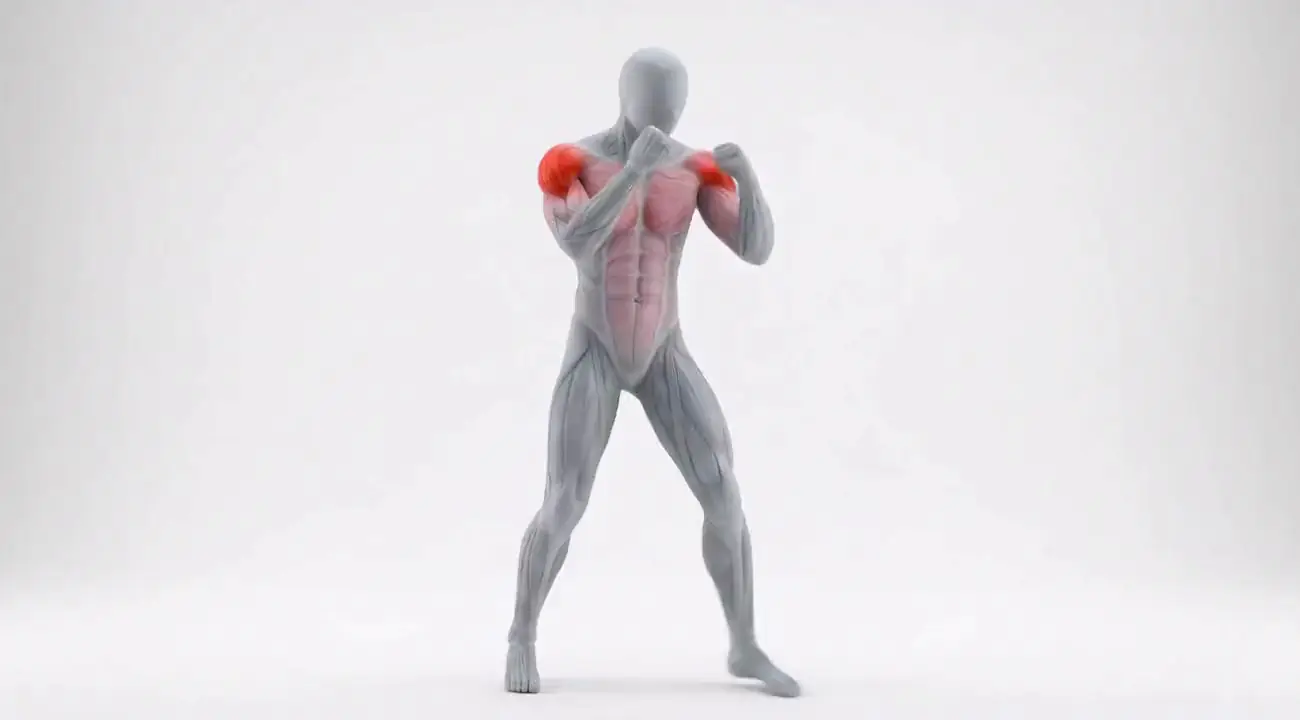
Shadow boxing rehearses the punching kinetic chain with no target to absorb force. A straight punch runs proximal to distal: the rear leg drives into the floor, the waist and shoulder rotate around the vertical axis, and the elbow extends last. Ground reaction force peaks as that drive begins, and the rear leg supplies most of it, while muscle-activity measurement of the straight punch names the front deltoid, triceps and brachioradialis as the biggest contributors.
Without impact the demand shifts to control. You manage balance, guard and breathing across rounds, and fatigue shows up first as weaker ground force and a looser chain.
How to do the Shadow Boxing
- Stand with your feet about shoulder-width apart, one foot slightly back, and your weight balanced.
- Raise both fists to chin height with the elbows tucked in to hold your guard.
- Throw a straight lead punch, turning the shoulder over and keeping the other hand up.
- Drive off the rear foot and rotate the waist to deliver the rear-hand punch through the same line.
- Snap each hand straight back to the guard rather than letting it drift down.
- Keep the feet moving and repeat combinations for the length of the round, then rest and go again.
Muscles worked
Why train it
- Trains a full-body kinetic chain in which the legs start the force and the arm finishes it.
- Delivers cardiovascular work in timed rounds with no equipment and very little space.
- Builds coordination and balance through combinations rather than single repeated actions.
Common mistakes
- Punching with the arm only, which skips the leg drive and waist rotation that start the force.
- Letting the guard drop as the round goes on, so the hands are low exactly when fatigue is already cutting output.
- Locking the elbows out hard at full extension, which puts the joint under repeated snap with no target.
- Standing flat-footed, which removes the rear-leg drive that produces the peak ground force.
Frequently asked questions
Is shadow boxing a good workout?
Yes. A few three-minute rounds raise your heart rate like any cardio, and it trains footwork, speed and coordination. It is not heavy enough to build much muscle. Keep moving the whole round and throw punches with intent, not just arm waving, to get the most from it.
Can shadow boxing help you in a real fight?
It builds technique, footwork and fitness, which all help. It cannot teach timing against a moving opponent or how to take a hit. Boxers use shadow boxing to sharpen technique, then bag work and sparring with a partner to apply it.
Should you shadow box with weights?
Usually not. Holding dumbbells while punching makes you slow down, changes your technique, and puts extra strain on your shoulders and elbows as your arms extend. If you want more resistance, use a resistance band or do separate strength work.
Can shadow boxing help you lose weight?
Yes, as part of a calorie deficit. Shadow boxing at a steady pace burns around 300 to 400 calories an hour for most people, more if you move hard. Eating a little less than you burn still does most of the work.
What muscles does Shadow Boxing work?
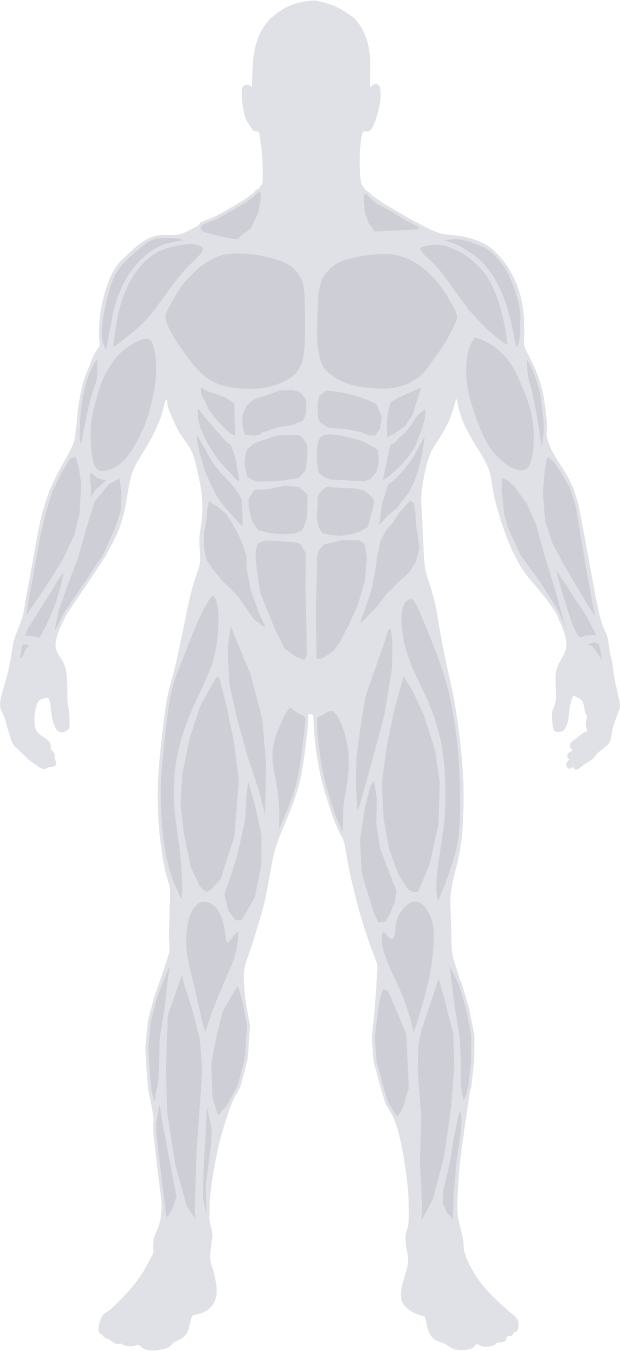
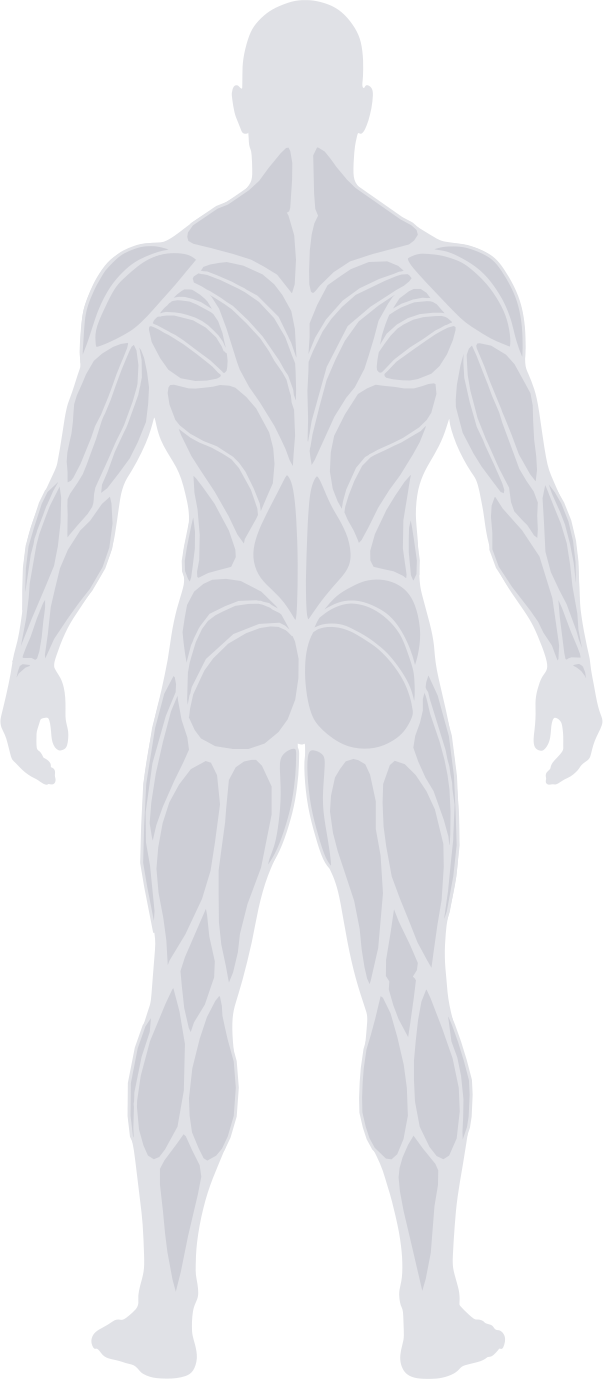
Shadow Boxing works the shoulders and triceps hardest, with the core, chest, biceps, and forearms pitching in. As cardio, though, the bigger demand is on your heart and lungs rather than any one muscle.
What equipment do I need for Shadow Boxing?
None. Shadow Boxing is done with your body alone, so a little floor space is all it takes.
Is Shadow Boxing suitable for beginners?
Yes. Shadow Boxing is rated beginner. Start at a pace you could hold a conversation at, and build the time before you build the intensity.
Can I do Shadow Boxing at home?
Yes, anywhere. There is nothing to buy and nothing to set up, which makes Shadow Boxing one of the movements worth keeping for days you never reach a gym.
How long should I do Shadow Boxing for?
Three to six rounds of three minutes with a minute of rest between them, the same shape as a boxing bout. Keep the hands up and the feet moving for the whole round.
What are good alternatives to Shadow Boxing?
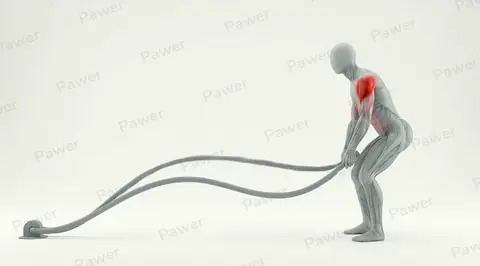
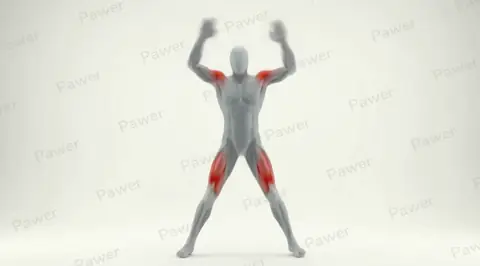
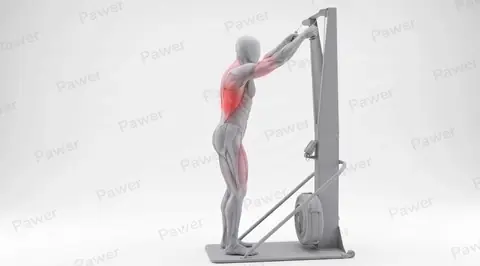
Battle Ropes, Man Maker, and Ski Erg train the same primary muscles as Shadow Boxing. Pick whichever one suits the equipment in front of you.
Similar exercises
By muscle
Every exercise is mapped to the muscles it trains. Browse by what you want to build.
By equipment
A full gym, a pair of dumbbells, or nothing at all: browse by what you have.