Bicep Exercises
 Anton YefanovUpdated
The best bicep exercises are the dumbbell curl, the barbell curl, the incline dumbbell curl and the hammer curl: a curl you can twist through, a curl you can load heavy, a curl that stretches the biceps, and a neutral-grip curl for the brachialis underneath. A bicep workout built from those four covers every muscle that bends your elbow.
The biceps have two jobs: bending the elbow and turning your palm up. That second job is why curls that rotate the wrist feel different from hammer curls, and why grip matters as much as the weight. The long head also crosses the shoulder, so curling with your arm behind your body stretches it more than curling with your arm in front.
Use the ranked picks for a quick answer, then the anatomy guide, comparison table, sets and reps by goal and sample workouts to build a full plan. If you train with dumbbells, the section on dumbbell bicep exercises shows what each curl adds. Every exercise links to a page with a video and instructions.
Best Bicep Exercises
These curls cover every need, from heavy loading to training at home. Pick two or three that suit your equipment and rotate others in over time.
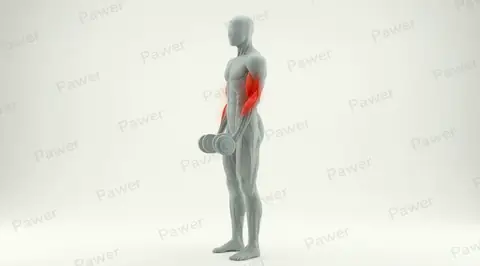
No. 1Best Overall
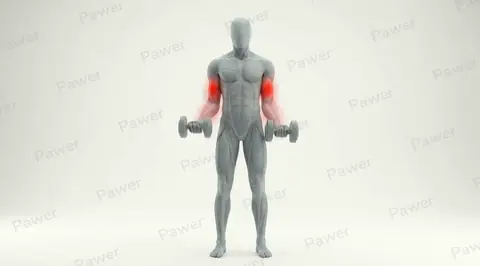
Dumbbell Curl
Dumbbells let each wrist rotate freely, so you can start with a neutral grip and turn your palm up as you curl, training both of the biceps' jobs in one rep. Each arm works on its own, which keeps the stronger side honest. Almost every gym and home setup has dumbbells, so it fits any program.
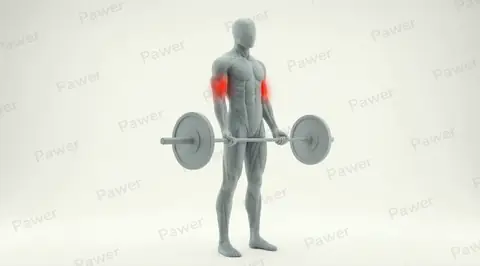
No. 2Best for Heavy Loading
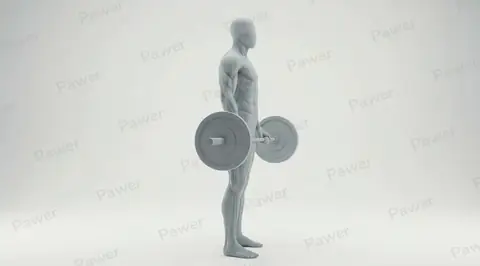
Barbell Curl
Using both hands on one bar lets you lift more total weight than most other curls, which makes progress easy to track. It is the classic biceps mass builder. A straight bar can strain the wrists for some people; if that is you, use an EZ bar with the same technique.
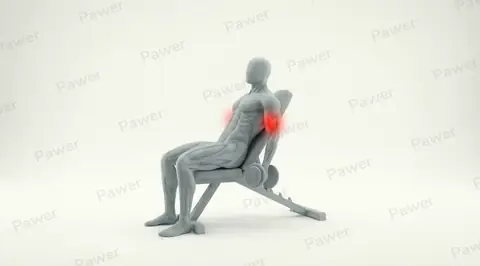
No. 3Best for the Long Head
Dumbbell Incline Curl
Lying back on an incline bench lets your arms hang behind your torso, so the long head is stretched before every rep. That deep stretch is a big reason many coaches rate it among the best curls for size. Use lighter weights than standing curls and keep your shoulders pinned to the bench.
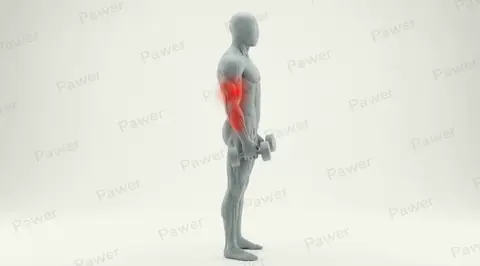
No. 4Best for Arm Thickness
Dumbbell Hammer Curl
The neutral grip puts more of the work on the brachialis and the brachioradialis, the muscles under and beside the biceps. A bigger brachialis pushes the biceps up and out, which makes the arm look thicker from the side. Most people can also hammer curl more weight than they can curl with palms up.
No. 5Best Strict Isolation
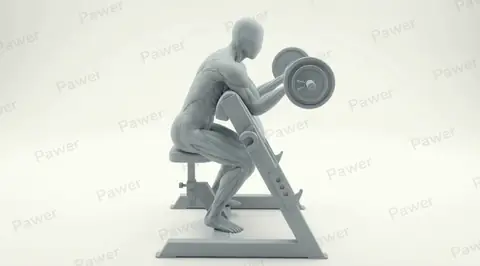
EZ Bar Preacher Curl
The preacher pad locks your upper arms in place, so there is no way to swing the weight up with your back or hips. That makes it an honest test of biceps strength and a great choice when your standing curls get sloppy. Lower all the way down under control, as that bottom range is where the exercise does its best work.
No. 6Best Cable Exercise
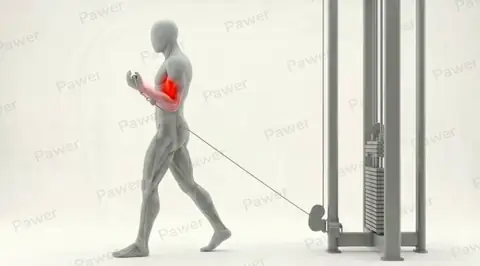
Bayesian Curl
Facing away from a low pulley with your arm behind you keeps the biceps under tension in the stretched position, where free weights go light. The cable also keeps the load on all the way to the top. Train one arm at a time and stand far enough forward that the weight stack lifts before your elbow bends.
No. 7Best at Home
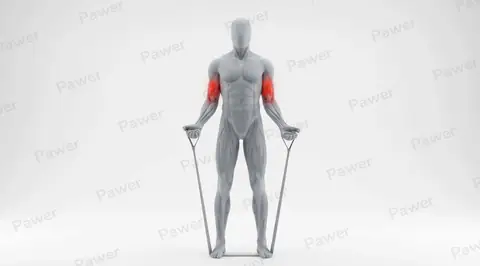
Band Curl
A resistance band is cheap, packs into a bag and gives you a real biceps workout anywhere. The tension rises as the band stretches, so the top of the curl is the hardest part. Stand on the band with both feet for more resistance or one foot for less.
Biceps anatomy: long head, short head and brachialis
The biceps brachii has two heads that share a tendon at the elbow. Both bend the elbow and turn the palm up. The long head runs over the top of the shoulder joint, so it is stretched when your arm is behind your body and slack when your arm is in front. The short head starts lower, on the front of the shoulder blade, and is affected less by arm position.
Two other muscles bend the elbow alongside the biceps. The brachialis lies underneath and works no matter how you hold the weight, so it does relatively more when your palm faces in or down. The brachioradialis runs from the upper arm into the forearm and works hardest with a thumbs-up grip. Every curl trains all of these, but grip and shoulder position shift the emphasis.
| Part | What it does | Best exercises |
|---|---|---|
| Biceps long head | Bends the elbow and turns the palm up; stretched most when the arm is behind the body | Dumbbell Incline Curl, Bayesian Curl, Barbell Drag Curl, Close-Grip Barbell Curl |
| Biceps short head | Bends the elbow and turns the palm up; works hardest with the arms in front of the body | EZ Bar Preacher Curl, Spider Curl, Dumbbell Concentration Curl, Wide-Grip Barbell Curl |
| Brachialis | Bends the elbow in any grip; does relatively more with a neutral or palms-down grip | Dumbbell Hammer Curl, Cross-Body Hammer Curl, EZ Bar Reverse Preacher Curl, Zottman Curl |
| Brachioradialis | Bends the elbow, strongest with a thumbs-up grip; forms the top of the forearm | Cable Rope Hammer Curl, Dumbbell Standing Single Arm Hammer Curl, Zottman Curl, Reverse Grip Barbell Curl |
The best bicep exercises compared
All curls train the same muscles, so the real differences are how much weight you can use, how strict the movement is, and where your arm is. Curls with your arm behind you stretch the long head. Curls with your arm braced in front, such as preacher and spider curls, are the strictest. Curls with your arms at your sides sit in between and allow the heaviest loads.
A complete biceps routine includes one heavier curl, one curl in the stretched position and one neutral-grip curl. Beyond that, choose what you enjoy and can progress on.
| Exercise | Equipment | Difficulty | Best for | Arm position |
|---|---|---|---|---|
| Barbell Curl | Barbell | Intermediate | Heavy loading | At your sides |
| Dumbbell Curl | Dumbbells | Beginner | All-round growth with full supination | At your sides |
| Dumbbell Incline Curl | Dumbbells and incline bench | Beginner | Long head in the stretch | Behind your body |
| Bayesian Curl | Cable | Intermediate | Tension in the stretched position | Behind your body |
| EZ Bar Preacher Curl | EZ bar and preacher bench | Beginner | Strict form with no swing | In front, braced on a pad |
| Spider Curl | Dumbbells and incline bench | Beginner | Short head and a hard top squeeze | In front, hanging down |
| Dumbbell Concentration Curl | One dumbbell and bench | Beginner | Strict single-arm work | In front, braced on your thigh |
| Dumbbell Hammer Curl | Dumbbells | Beginner | Brachialis and forearms | At your sides |
| Cable Bar Curl | Cable and straight bar | Beginner | Constant tension and drop sets | At your sides |
| Band Curl | Resistance band | Beginner | Home and travel | At your sides |
All 26 Bicep Exercises
All 26 bicep exercises in the library, grouped by difficulty. Each one has a video, step-by-step form and the muscles it works.
Beginner Bicep Exercises22
- Band CurlResistance band
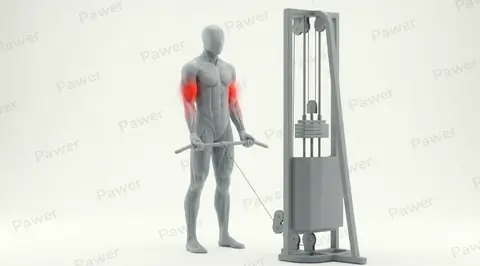 Cable Bar CurlCable
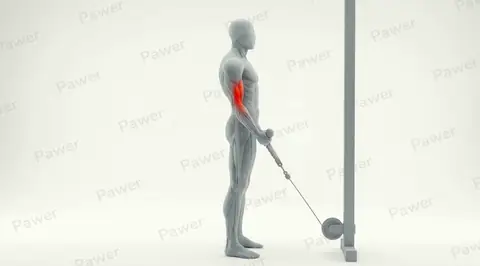 Cable Rope Hammer CurlCable
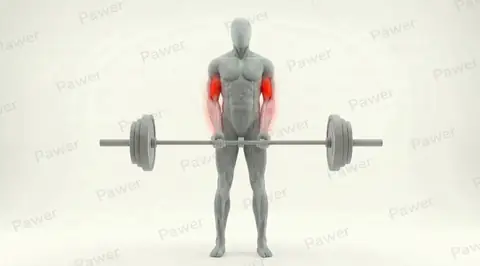 Close-Grip Barbell CurlBarbell
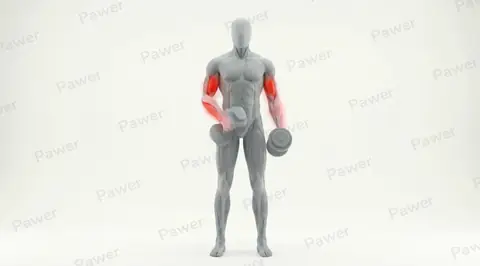 Cross-Body Hammer CurlDumbbell
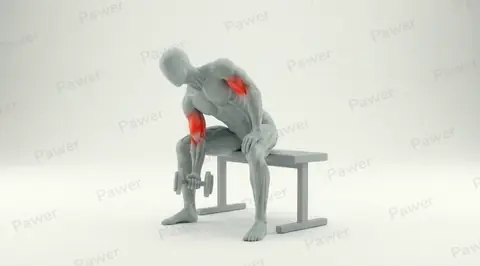 Dumbbell Concentration CurlDumbbell
- Dumbbell CurlDumbbell
- Dumbbell Hammer CurlDumbbell
- Dumbbell Incline CurlDumbbell
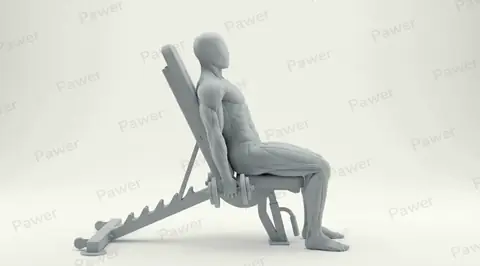 Dumbbell Incline Hammer CurlDumbbell
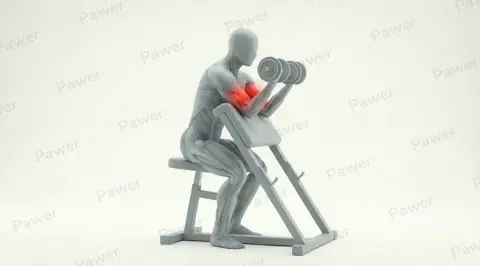 Dumbbell Preacher CurlDumbbell
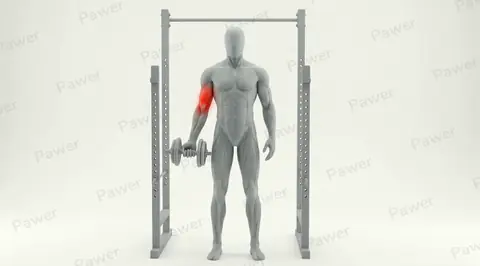 Dumbbell Standing Single Arm CurlDumbbell
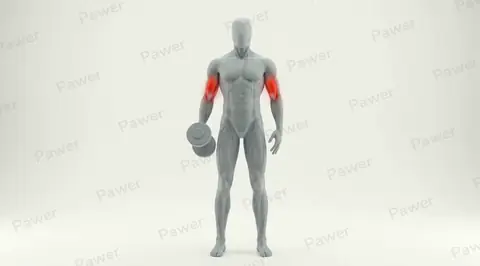 Dumbbell Standing Single Arm Hammer CurlDumbbell
- EZ Bar Preacher CurlBarbell
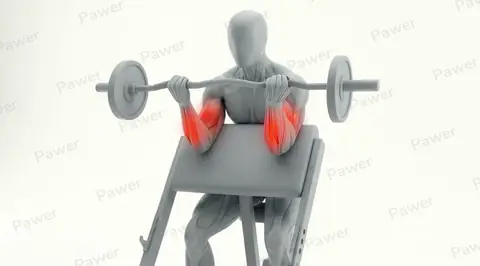 EZ Bar Reverse Preacher CurlBarbell
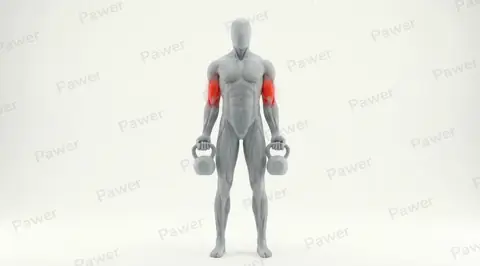 Kettlebell CurlKettlebell
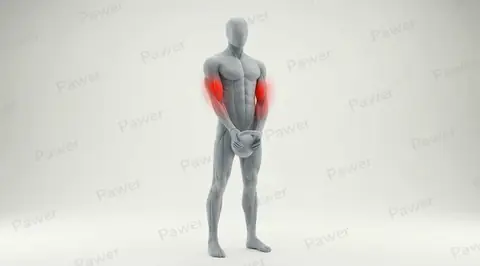 Kettlebell Goblet CurlKettlebell
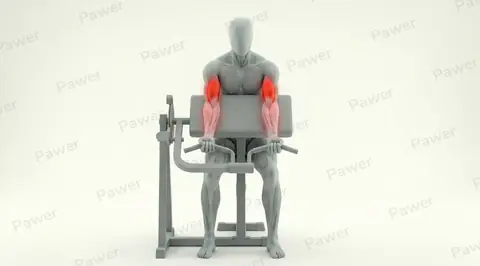 Machine Preacher CurlMachine
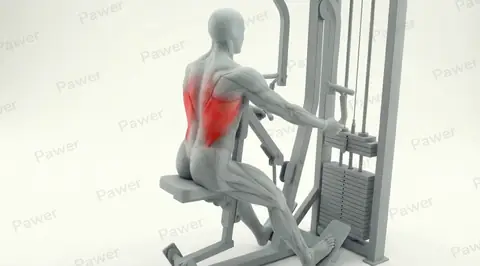 Machine Underhand RowMachine
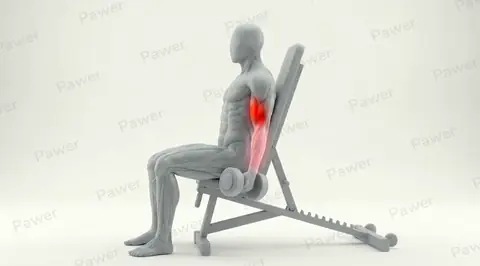 Seated Dumbbell CurlDumbbell
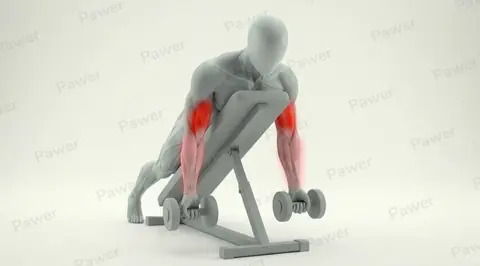 Spider CurlDumbbell
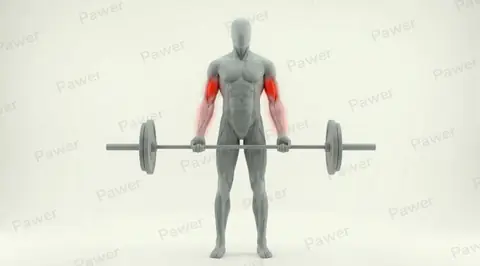 Wide-Grip Barbell CurlBarbell
Intermediate Bicep Exercises4
How to train your biceps: sets, reps and frequency
Your biceps work in every row, pulldown and chin-up, so direct curls add to work they already get on back day. For most lifters, 6 to 12 direct sets per week split across two sessions is enough. If your back training is heavy and your arms are already growing, stay near the low end. If your arms lag, work toward the top before reaching for anything more complicated.
Curls are small, safe movements, so take most sets to within one or two reps of failure. Keep heavier curls in the 6 to 12 range and stretched or cable curls in the 10 to 20 range. Biceps strength climbs slowly, so progress with reps first: add a rep or two each week, and only move up in weight when you hit the top of your range on every set with strict form.
| Goal | Sets | Reps | Rest | Frequency |
|---|---|---|---|---|
| Strength | 3 to 4 sets of heavy curls | 6 to 10 | 2 minutes | 1 to 2 times per week |
| Muscle growth | 6 to 12 direct sets per week | 8 to 15 | 60 to 90 seconds | 2 times per week |
| Arm specialization | 10 to 16 direct sets per week | 8 to 20 | 60 to 90 seconds | 2 to 3 times per week |
| Beginner | 4 to 6 direct sets per week | 10 to 15 | 60 to 90 seconds | 1 to 2 times per week |
Sample bicep workouts: gym, dumbbell and home
Each workout opens with the heaviest curl, follows with a stretched or strict curl, and ends with a neutral grip for the brachialis. Add one to the end of a pull day or pair it with triceps on an arm day. The home workout needs a pull-up bar and a resistance band.
| Workout | Exercise | Sets | Reps | Rest |
|---|---|---|---|---|
| Gym | Barbell Curl | 3 | 6 to 10 | 2 minutes |
| Gym | Bayesian Curl | 3 | 10 to 12 per arm | 60 seconds |
| Gym | Cable Rope Hammer Curl | 2 | 12 to 15 | 60 seconds |
| Dumbbell only | Dumbbell Curl | 3 | 8 to 12 | 90 seconds |
| Dumbbell only | Dumbbell Incline Curl | 3 | 10 to 12 | 90 seconds |
| Dumbbell only | Dumbbell Hammer Curl | 3 | 10 to 12 | 60 seconds |
| Home | Chin Ups | 3 | 1 to 2 short of failure | 2 minutes |
| Home | Band Curl | 4 | 12 to 20 | 60 seconds |
Common biceps training mistakes
Curls look simple, which is exactly why so many people do them in a way that builds less muscle than it could.
- Swinging the weight up. Using your hips and lower back to start the curl moves the load past the hardest part of the rep. Stand tall with your glutes tight, or brace your back against a wall or bench, and lower the weight until you can curl it strictly.
- Letting the elbows drift forward at the top. Bringing your elbows up shifts work to the front delts and gives the biceps a rest at the top. Keep your elbows roughly under your shoulders and stop the curl when your forearm is close to vertical.
- Rushing the lowering phase. Dropping the weight wastes half of every rep. Take about two to three seconds to lower each curl and straighten your arm fully at the bottom.
- Only ever curling with palms up. Supinated curls leave the brachialis and brachioradialis underworked. Add a hammer, Zottman or reverse-grip curl each week for thicker arms and forearms.
- Doing endless sets on top of heavy back training. Rows and pulldowns already tire the biceps. Ten extra sets at low effort build less than four or five hard ones, so cap your volume and push the sets you do.
The best dumbbell bicep exercises
Dumbbells are the most versatile tool for biceps training. You can change your grip, your arm position and your support in seconds, so a pair of dumbbells and an adjustable bench can cover every part of the muscle. Pick one curl from at least two different rows below for a complete dumbbell bicep workout.
| Curl | What it adds | Setup |
|---|---|---|
| Dumbbell Curl | Full supination under the heaviest dumbbell load | Standing, arms at your sides |
| Dumbbell Incline Curl | Stretch on the long head | Lying back on a 45 to 60 degree incline |
| Dumbbell Hammer Curl | Brachialis and forearm work | Standing, palms facing in |
| Dumbbell Preacher Curl | Strict loading at the bottom of the curl | Upper arm braced on a preacher pad or incline bench |
| Spider Curl | Short head and a hard squeeze at the top | Chest down on an incline bench |
| Dumbbell Concentration Curl | Strict single-arm reps with no momentum | Seated, elbow braced on your inner thigh |
| Zottman Curl | Biceps on the way up, forearms on the way down | Standing, rotating the grip at the top |
Frequently asked questions
What is the best bicep exercise?
The standing dumbbell curl is the best all-round choice, because it lets each wrist rotate fully and suits every equipment setup. If you can only do one curl for size, the incline dumbbell curl is a strong alternative because it trains the biceps in a stretched position. In practice, two or three curls with different grips and arm positions beat any single exercise.
How often should I train biceps?
Two direct sessions a week works for most people. The biceps are small and recover quickly from curls, but they also work during every pulling session, so they rarely need more than that. A common setup is a few sets of curls at the end of each pull or upper-body day. Training them three times a week makes sense only when arms are a deliberate priority.
Do chin-ups build biceps?
Yes. The underhand grip puts the biceps in a strong position, and lifting your whole body weight is a heavy load for them. Chin-ups alone will grow beginner arms well. As you advance, the back muscles do most of the work and your biceps rarely reach failure during a set, so adding direct curls usually helps arm size keep improving.
Can you change the shape of your biceps or build a peak?
Not really. The shape of your biceps, including how high the peak sits, depends largely on genetics and where the muscle attaches. What you can change is size, and a bigger muscle shows more of whatever peak you have. Training the long head with incline and drag curls, and building the brachialis with hammer curls, makes the arm look fuller from every angle.
Barbell or dumbbell curls: which is better?
Neither is better; they do slightly different jobs. The barbell lets you lift more total weight, which is useful for strength and progressive overload. Dumbbells let each wrist rotate and each arm work alone, which helps with full supination and evening out a weaker side. Many programs use a barbell curl as the first exercise and dumbbells after it.
Why do my forearms burn more than my biceps when I curl?
Usually your grip is doing too much. Squeezing the handle hard, curling your wrists up, or holding a thick or off-center load like a kettlebell all shift effort toward the forearms. Hold the weight firmly but relaxed, keep your wrist straight, and try a lighter load with a slower lowering phase. Some forearm burn on hammer and reverse curls is normal, since those curls target the forearm muscles.
Biceps exercises by equipment
Narrow the list to what you actually have to train with.