Barbell Bicep Exercises
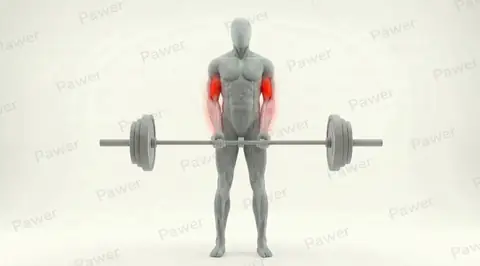
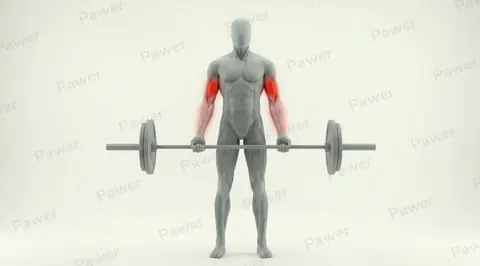
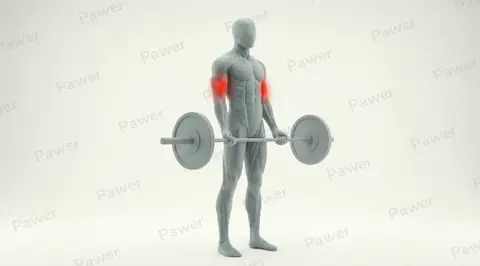
The barbell curl is the heaviest bicep exercise you can do. Both arms work against one bar, so the total load is higher than any dumbbell variation, and that matters because the biceps grow from progressive loading like any other muscle. Grip width changes the emphasis a little. Close grip works the long head on the outside of the arm and wide grip favours the short head, but the main job of every version here is to move weight.
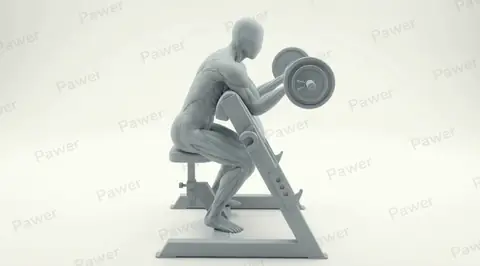
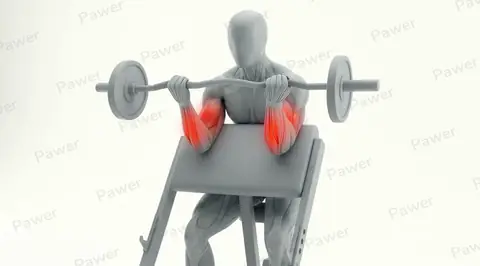
The preacher curl variations do something different. Resting the arms on a pad fixes the shoulder in front of the body, which removes any chance of swinging and puts the hardest part of the rep at the bottom where the bicep is stretched. The reverse-grip preacher curl shifts work onto the brachialis and forearm instead. And the drag curl is the one worth trying if you never feel barbell curls in the bicep: dragging the bar up your torso keeps the elbow travelling back, which takes the front delt out.
Beginner4
Intermediate2
Other equipment for Biceps
Frequently asked questions
Straight bar or EZ bar for curls?
The EZ bar's angled grip puts the wrist in a half-supinated position that most people find far more comfortable, at the cost of slightly less bicep activation. If straight-bar curls bother your wrists or elbows, the EZ bar is the answer, not a reason to stop curling.
Is it okay to use a little body English on barbell curls?
On the last rep or two of a heavy set, a small amount of hip drive to get past the sticking point is a legitimate technique. As a way to do the whole set it just moves the work to your lower back. If every rep needs a swing, the bar is too heavy.
Close-grip or wide-grip barbell curl?
Close grip biases the long head of the bicep, which runs along the outside of the arm and creates the peak. Wide grip biases the short head on the inside. The difference is modest, and running both across a training block is more useful than agonising over which.