Barbell Curl
Also known as: Barbell Biceps Curl and Standing Barbell Curl
 Anton YefanovUpdated
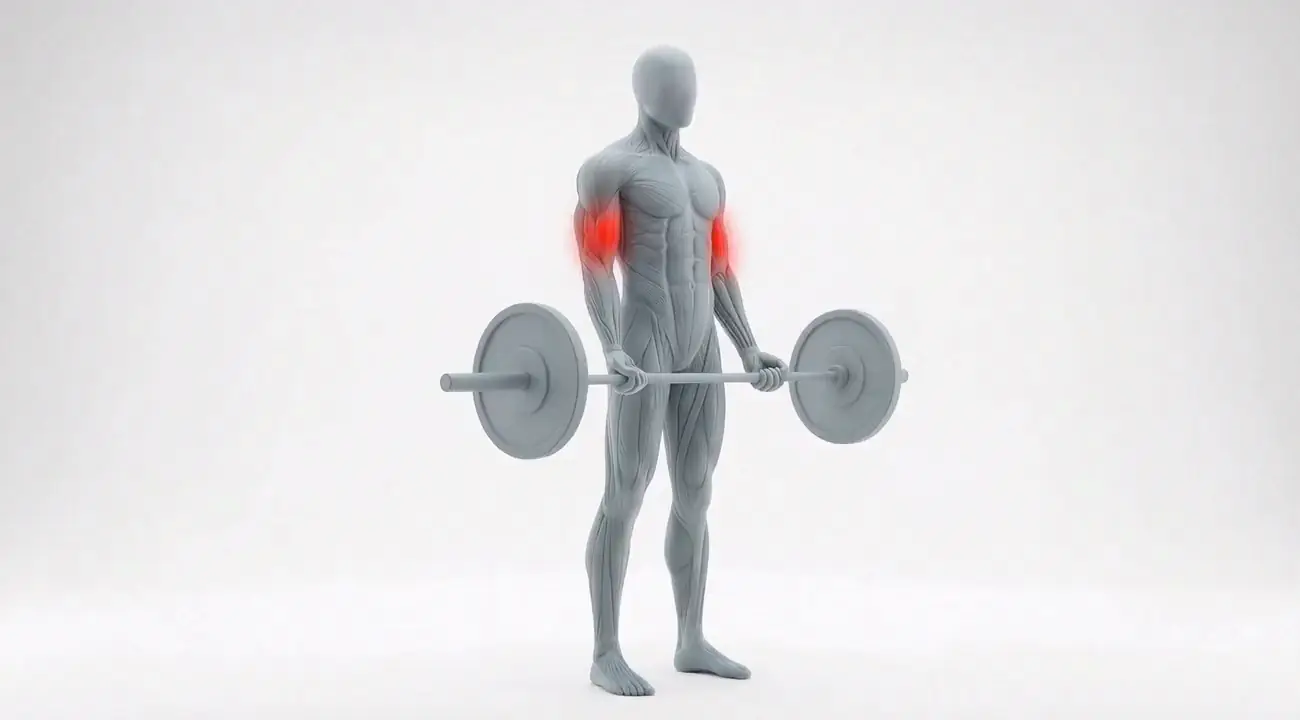
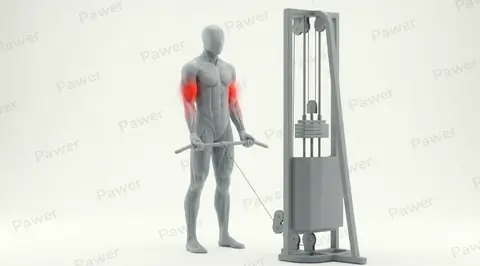
The barbell curl is the most iconic biceps exercise in the gym. Standing with a shoulder-width underhand grip, the lifter curls the bar from full extension to the shoulders using only the biceps, with the elbows pinned at the sides. It allows heavier loading than dumbbells and keeps tension on both arms evenly through the full range.
How to do the Barbell Curl
- Stand tall with feet shoulder-width apart, gripping the bar underhand at shoulder width with arms fully extended.
- Pin your elbows to your sides and brace your core to stop your torso from swinging back.
- Curl the bar upward by bending only at the elbows, keeping the upper arms locked in place.
- Squeeze the biceps hard at the top with the bar near the front of the shoulders.
- Lower the bar slowly over 2 to 3 seconds, fighting the bar all the way back to full extension.
- Pause at the bottom in a fully straight-arm position, then repeat for clean controlled reps.
Muscles worked
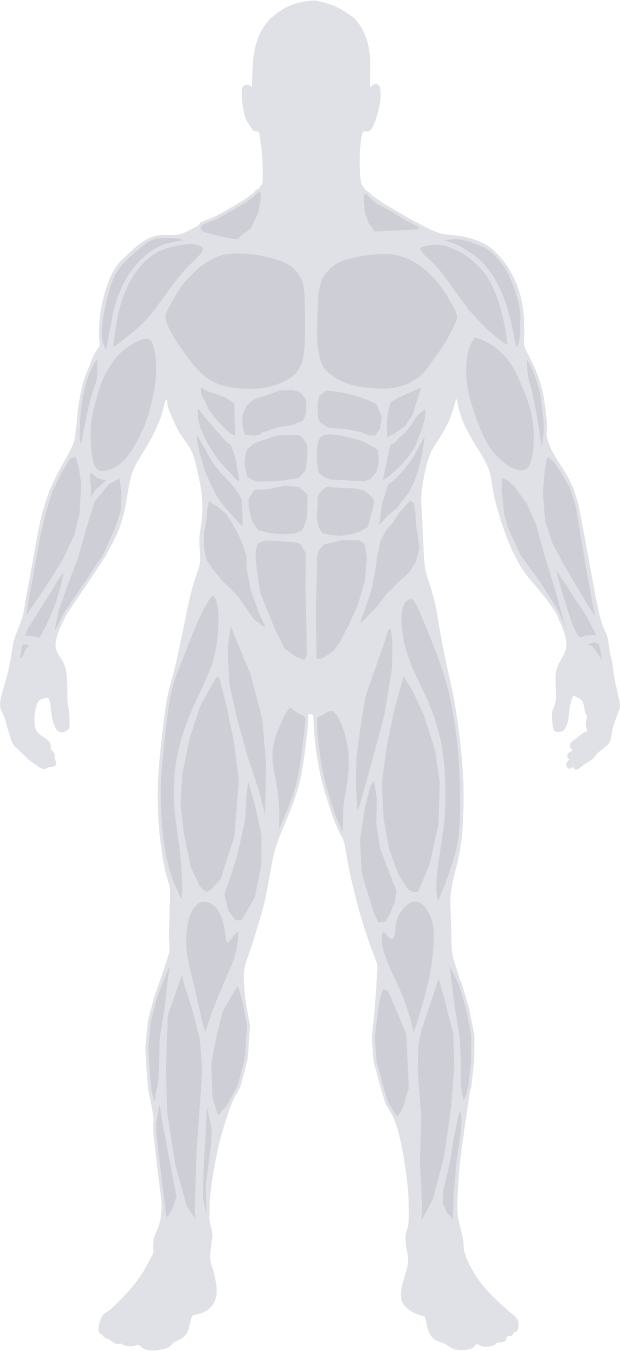
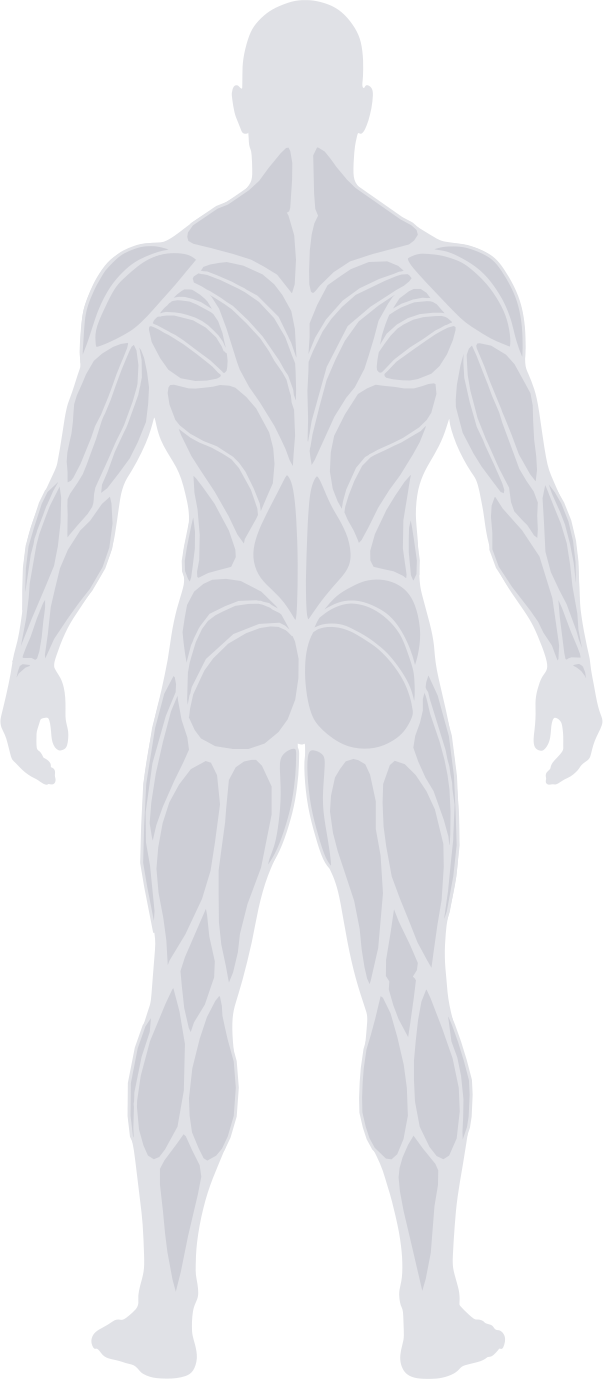
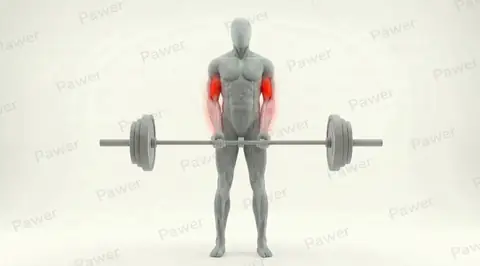
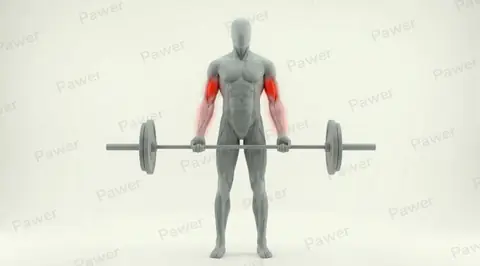
The barbell curl works the biceps, along with the brachialis underneath them, by bending the elbow against a fixed bar. With the elbows pinned to your sides, elbow flexion is the only movement, and because the bar holds your hands palms up, the biceps work in their strongest position.
The biceps work hardest in the middle of the rep, when your forearms are parallel to the floor and the bar is furthest from the elbow. They are also under stretch at the bottom, which is why pausing at full extension and lowering over two to three seconds matters. A shoulder-width grip loads both heads of the biceps evenly. The forearm flexors grip the bar, but swinging your torso back is what steals work from the biceps, so brace your core and keep it still.
- Primary:
- Biceps
Why train it
- Builds biceps size and strength with a heavier load than dumbbells allow.
- Trains both arms together for balanced symmetrical growth.
- Reinforces strict elbow flexion mechanics that carry over to all curls.
Common mistakes
- Swinging the torso to throw the bar up, which transfers work from the biceps to the lower back.
- Drifting the elbows forward at the top, which turns the curl into a partial front raise.
- Cutting the range short and not extending the arms fully at the bottom of each rep.
- Gripping the bar too wide, which shifts tension off the biceps and stresses the wrists.
Frequently asked questions
Barbell curl or dumbbell curl: which is better?
Both build the biceps well. The barbell lets you lift a bit more and add weight in small steps, which makes progress easy to track. The dumbbell curl lets each arm work on its own and your wrists turn freely, which many people's elbows prefer. Use the one you can progress on, or rotate them.
Is a straight bar or an EZ bar better for curls?
The EZ bar is kinder to the wrists and elbows, because the angled grip lets your hands turn in slightly. The straight bar turns your palms fully up, which works the biceps very slightly more. If straight bar curls make your wrists or elbows ache, the EZ bar is the easy fix, and you lose almost nothing.
Are barbell curls bad for your elbows?
Not for most people, but a straight bar locks your wrists in one position, and some elbows do not like that. If your forearms or inner elbows ache, switch to an EZ bar or dumbbells, take a slightly wider grip, and stop swinging. Heavy, jerky reps are the usual cause of curl elbow pain.
How much should you be able to barbell curl?
A strict curl of around half your bodyweight is a solid standard for men with a couple of years of training, and around a third of bodyweight for women. Strict means no swinging, elbows by your sides, and a full range. Most people overestimate their curl because their reps include body swing.
Is it OK to swing on barbell curls?
A little body movement on the last rep or two is fine for experienced lifters, but it should not be how you do the set. Swinging shifts the work onto your hips and lower back, and the biceps miss the hardest part of the lift. Lower the weight until you can curl it with your elbows still.
What equipment do I need for the Barbell Curl?
Only a barbell. Nothing beyond that is required to run the movement the way it is described above.
Is the Barbell Curl suitable for beginners?
With some training behind you. The Barbell Curl is rated intermediate, which means the setup matters as much as the effort. It is a reasonable first month goal rather than a first session one, and the alternatives below are the easier way in.
Can I do the Barbell Curl at home?
Yes, if you own a barbell. That is the whole requirement, and it is the reason this one travels well between a home setup and a gym floor.
How many sets and reps of the Barbell Curl should I do?
Three to four sets of 10 to 15 reps. Isolation work responds to reps and a controlled tempo rather than load, so stop each set a rep or two short of failure and keep the weight honest.
What are good alternatives to the Barbell Curl?
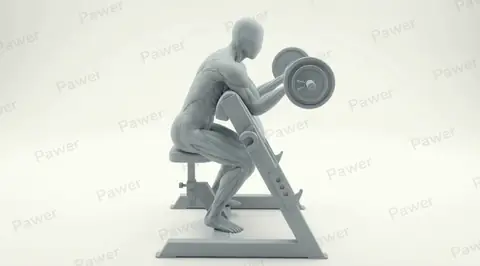
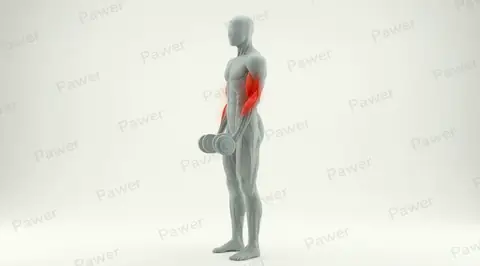
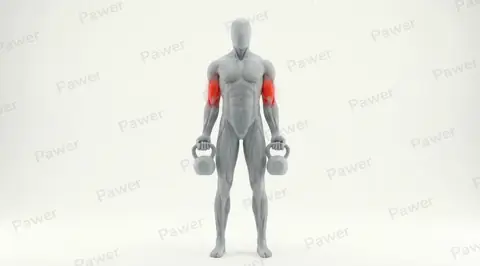
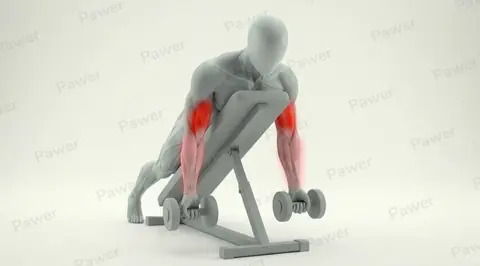
Bayesian Curl, Zottman Curl, and Kettlebell Curl train the same primary muscles as the Barbell Curl. Pick whichever one suits the equipment in front of you.
Work out your Barbell Curl weights
Estimate your max from a recent set, then find the weight for your next one.
- One Rep Max CalculatorTurn a recent set into an estimated max. Compare Epley, Brzycki and Lombardi, then read off your training percentages and every rep max from 2RM to 12RM.
- RPE CalculatorRate a set by effort, get an estimated max, and read off the weight for your next target. Includes a full RPE chart of percentages by reps and effort.
- Barbell Plate CalculatorSee which plates go on each side of the bar for any weight, using only what your gym stocks. Count a loaded bar, add collars, and switch bars.
- Warm-Up CalculatorGet every warm-up set for your working weight, with reps, rest and the plates per side. Ramps for work sets, heavy singles, meets and 5x5 programs.
Similar exercises
By muscle
Every exercise is mapped to the muscles it trains. Browse by what you want to build.
By equipment
A full gym, a pair of dumbbells, or nothing at all: browse by what you have.