Machine Exercises
 Anton YefanovUpdated
The best machine exercises are the leg press, the hack squat, the machine chest press and the chest-supported row: gym machines let you load every major muscle heavily on a guided path, with no spotter and very little technique to learn first. Add a leg curl, a lateral raise machine and an assisted pull-up and you can build a complete machine workout for the whole body.
Machines are good at three things. They remove balance from the equation, so the target muscle can work to the end of a hard set. They make loading simple and repeatable, which makes progress easy to track. And they isolate muscles that free weights train poorly, such as the hamstrings in a leg curl or the quads in a leg extension. What they give up is the stabilizing work and the free movement path that barbells and dumbbells demand.
Below you will find the best machine exercises for each muscle, how machines compare with free weights, how to set a machine up, sets and reps for each goal, sample workouts and a guide to the cardio machines. Every exercise links to a video with instructions.
Best Machine Exercises
These eight machine exercises give the most return in a typical commercial gym. Together they cover legs, chest, back, shoulders and glutes, and every one is beginner friendly.
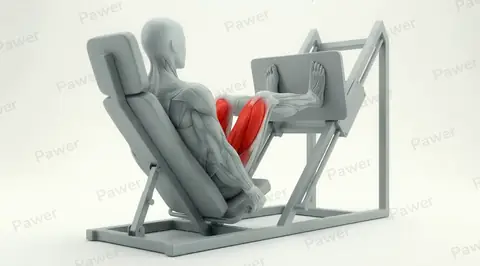
No. 1Best Overall
Machine Leg Press
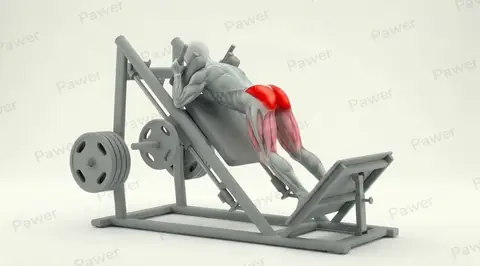
The leg press lets you load the quads and glutes heavily with your back supported, so your legs, not your lower back or balance, decide when the set ends. It suits beginners learning to push hard and experienced lifters adding leg volume after squats. Lower until your knees are well bent but your hips stay on the pad.
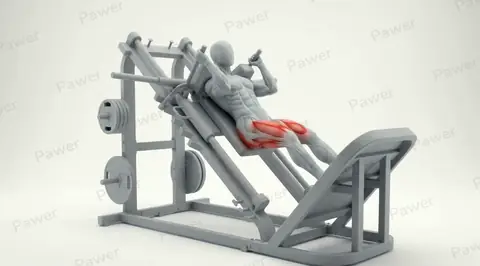
No. 2Best for Quads
Machine Hack Squat
The hack squat holds your back against an angled sled so the quads take the load through a deep squat. With the balance demand removed, it is one of the best quad builders in the gym. Place your feet lower on the platform for more quad emphasis and control the descent.
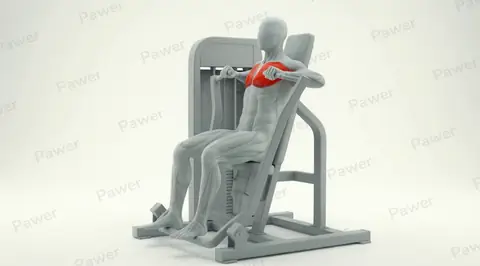
No. 3Best for Beginners
Machine Chest Press
The seated chest press trains the chest, front delts and triceps on a fixed path that is almost impossible to get badly wrong. You can push close to failure safely without a spotter. Set the seat so the handles line up with the middle of your chest.
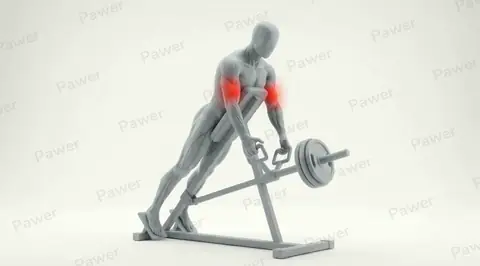
No. 4Best for Back Thickness
Chest-Supported T-Bar Row
Lying on the chest pad takes your lower back out of the row, so the lats, mid-back and traps can be loaded hard without a hip hinge to hold. It is plate-loaded, which makes small jumps easy. Let the shoulder blades spread at the bottom and pull your elbows past your torso at the top.
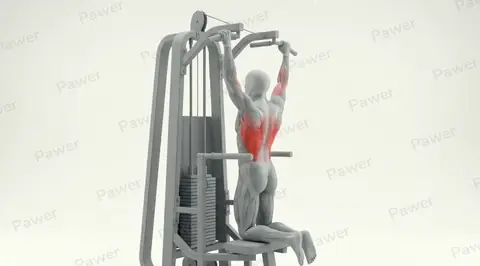
No. 5Best Pull-Up Builder
Machine Assisted Pull Up
The counterweight takes off part of your bodyweight so you can train the full pull-up range for real reps. Reduce the assistance over time and you will be building toward unassisted pull-ups. The more weight you select, the easier it gets, which is the reverse of most machines.
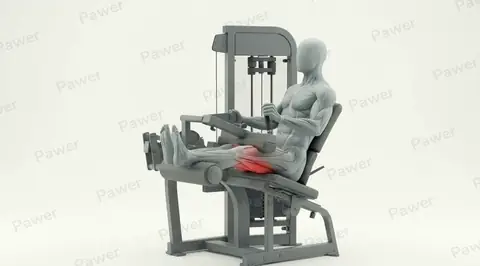
No. 6Best for Hamstrings
Seated Leg Curl
Sitting with the hips bent puts the hamstrings at a longer length than lying flat, which makes the seated leg curl an excellent hamstring builder. It isolates knee flexion, a job no squat or deadlift trains well. Line your knees up with the machine's pivot and lock the thigh pad down firmly.
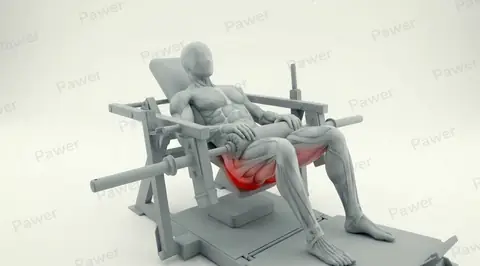
No. 7Best for Glutes
Machine Hip Thrust
The machine hip thrust loads hip extension through a lap pad, keeping the glutes under tension at the top where they work hardest. It skips the awkward barbell setup, so you can spend your effort on the reps. Tuck your chin and finish each rep with the hips fully extended, not the lower back arched.
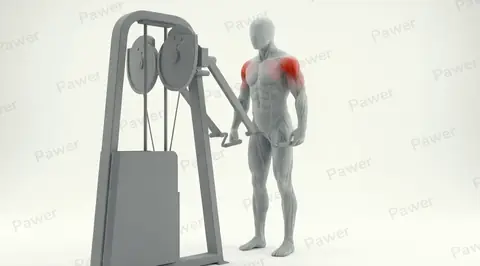
No. 8Best Shoulder Isolation
Machine Lateral Raise
The lateral raise machine isolates the side delts with fixed pads, so there is no swinging and the load stays even across the range. It is the easiest way to add shoulder width with strict reps. Raise to about shoulder height and lead with your elbows.
Best machine exercises for each muscle group
Machines cover every major muscle, and they are strongest for the legs, where a gym's leg press, hack squat, leg curl and leg extension give you options free weights cannot match. Back, chest and shoulder machines are almost as good. The core is the weak spot: a crunch machine works, but planks, carries and hanging raises usually belong alongside it.
| Muscle | Best exercises | Why |
|---|---|---|
| Quads | Machine Hack Squat, Pendulum Squat / V-Squat, Machine Leg Extension | Deep, supported squats plus direct knee extension isolation |
| Hamstrings | Seated Leg Curl, Lying Leg Curl | Leg curls train knee flexion, which hip hinges barely load |
| Glutes | Machine Hip Thrust, Machine Leg Press, Machine Hip Abduction | Heavy hip extension and direct abduction for the upper glutes |
| Chest | Machine Chest Press, Incline Machine Chest Press, Machine Pec Fly | Pressing for load, an incline path for the upper chest and a fly for isolation |
| Back | Machine Pulldown, Chest-Supported T-Bar Row, Hammer Strength Iso-Lateral Row | Vertical and horizontal pulls with the torso supported, so the back gives out before the lower back does |
| Shoulders | Machine Lateral Raise, Reverse Pec Deck, Smith Machine Seated Overhead Press | Side delt and rear delt isolation plus a stable overhead press |
| Arms | Machine Preacher Curl, Machine Tricep Extension | The upper arm is pinned to a pad, so only the elbow moves |
| Calves | Standing Calf Raise (Machine), Calf Press | Heavy loading with the heels free to drop into a full stretch |
Machines vs free weights vs cables
Machines trade freedom for control. The fixed path means fewer stabilizers work, but it also means the target muscle can be pushed harder before technique breaks down. For building muscle that trade is often worth making; for building strength you can show on a barbell, free weights carry over better because they train the balance and coordination of the lift itself.
Choose machines when you are new and want to train hard right away, when you want to isolate a specific muscle, when you are training alone without a spotter, or when fatigue late in a session makes free-weight technique unreliable. A strong program often uses one or two free-weight lifts first and machines for the rest.
| Equipment | Strength potential | Muscle building | Beginner friendly | Home friendly | Cost |
|---|---|---|---|---|---|
| Machines | Moderate to high | High | Very high | Poor | Gym membership |
| Barbell | Highest | High | Moderate, needs coaching | Needs a rack and space | High |
| Dumbbells | Moderate to high | High | High | Good with an adjustable pair | Moderate |
| Cables | Moderate | High, especially for isolation | High | Poor | Gym membership |
| Bodyweight | High for upper body, limited for legs | Good | High | Excellent | Free |
All 63 Machine Exercises
All 63 machine exercises in the library, grouped by difficulty. Each one has a video, step-by-step form and the muscles it works.
Beginner Machine Exercises52
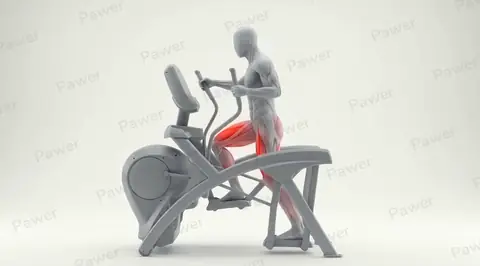 Arc TrainerMachine
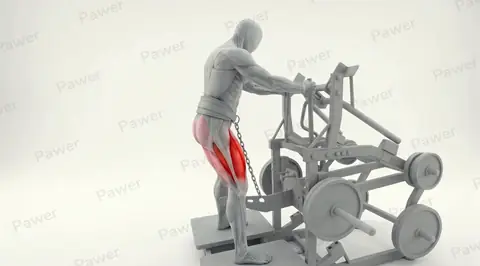 Belt SquatMachine
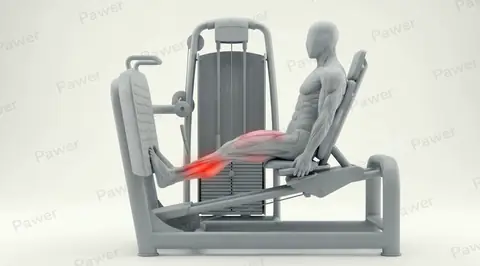 Calf PressMachine
- Chest-Supported T-Bar RowMachine
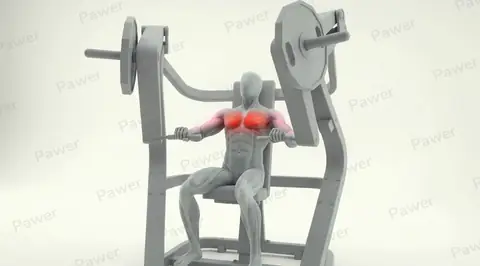 Decline Machine Chest PressMachine
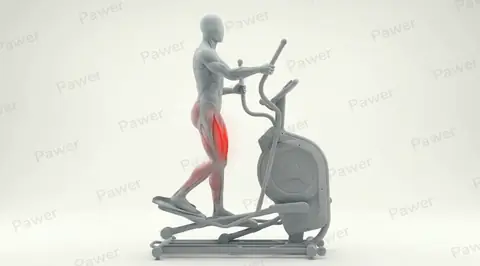 EllipticalMachine
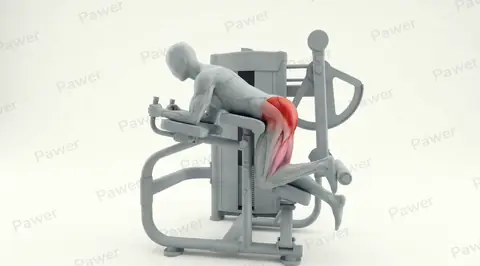 Glute Kickback MachineMachine
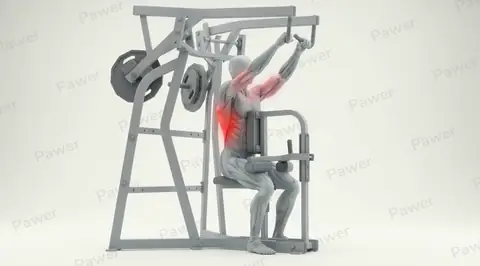 Hammer Strength High RowMachine
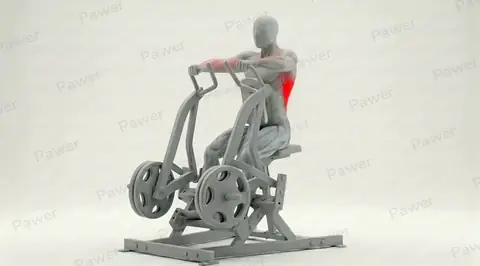 Hammer Strength Iso-Lateral RowMachine
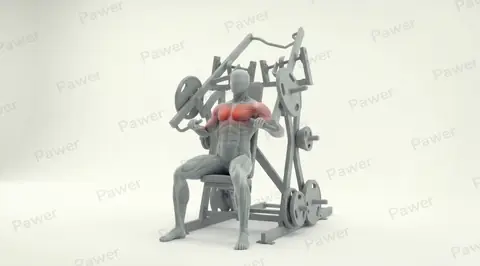 Incline Machine Chest PressMachine
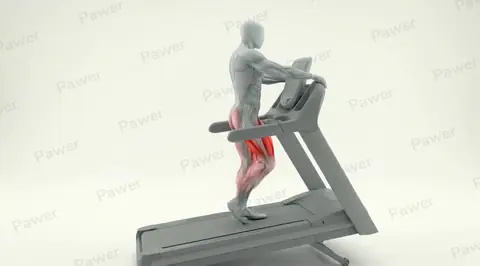 Incline Treadmill WalkMachine
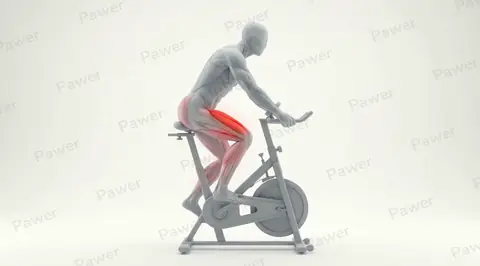 Indoor Cycling (Spin Bike)Machine
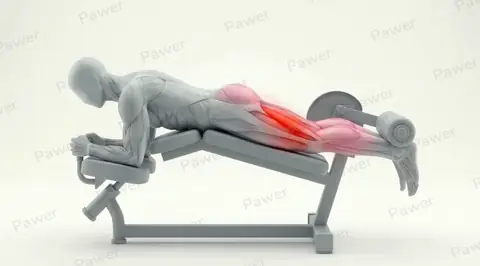 Lying Leg CurlMachine
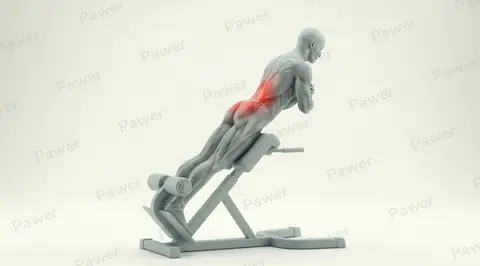 Machine 45 Degree Back ExtensionMachine
- Machine Assisted Pull UpMachine
- Machine Chest PressMachine
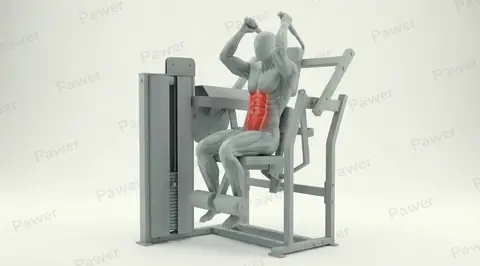 Machine CrunchMachine
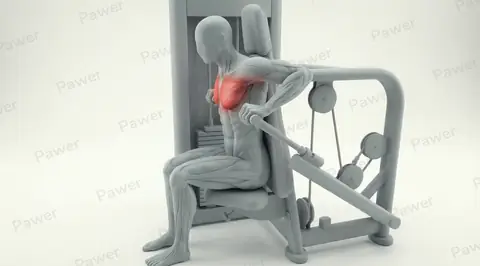 Machine DipsMachine
- Machine Hack SquatMachine
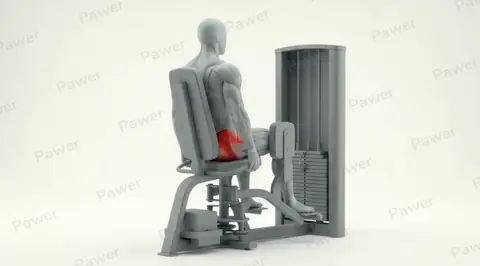 Machine Hip AbductionMachine
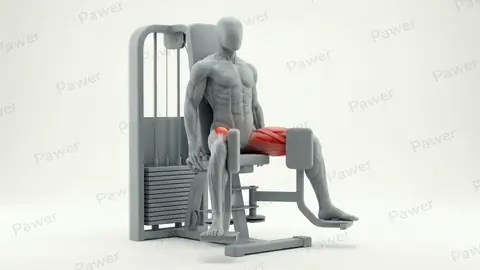 Machine Hip AdductionMachine
- Machine Hip ThrustMachine
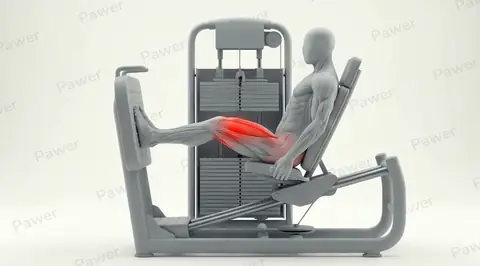 Machine Horizontal Leg PressMachine
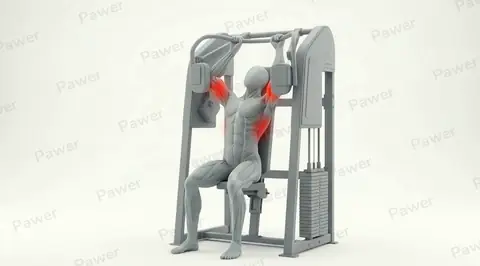 Machine Lat PulloverMachine
- Machine Lateral RaiseMachine
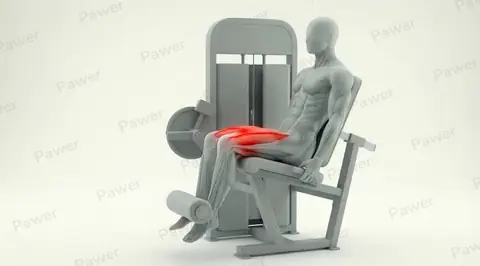 Machine Leg ExtensionMachine
- Machine Leg PressMachine
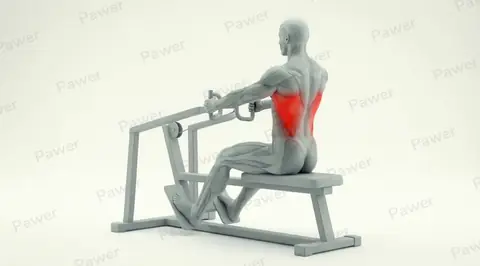 Machine Neutral RowMachine
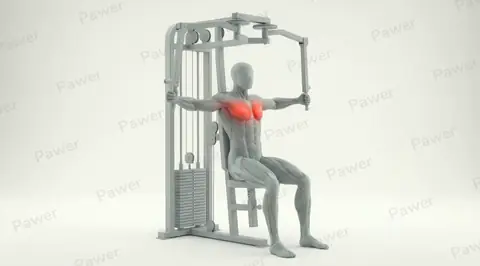 Machine Pec FlyMachine
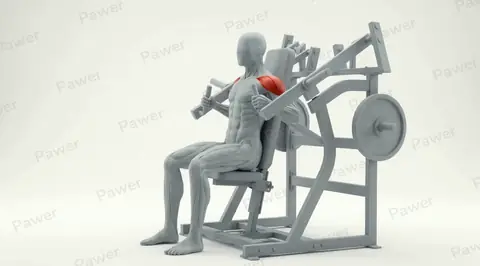 Machine Plate Loaded Front Military PressMachine
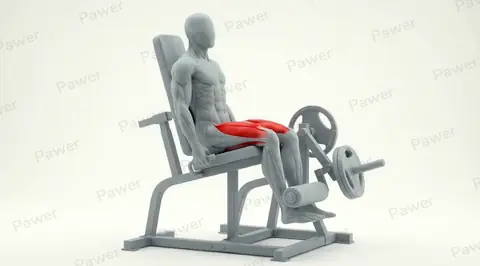 Machine Plate Loaded Leg ExtensionMachine
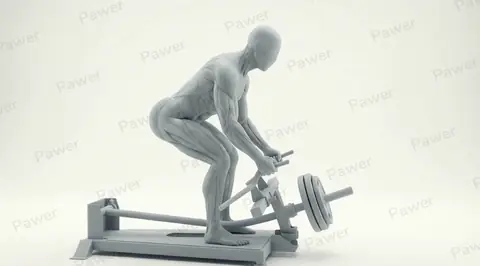 Machine Plate Loaded T Bar RowMachine
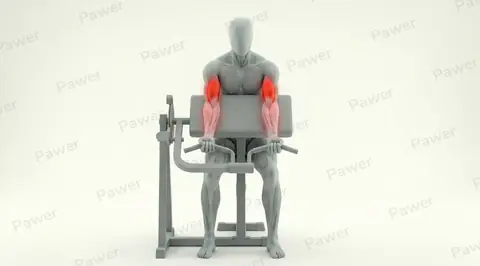 Machine Preacher CurlMachine
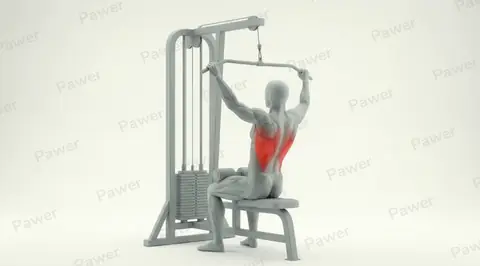 Machine PulldownMachine
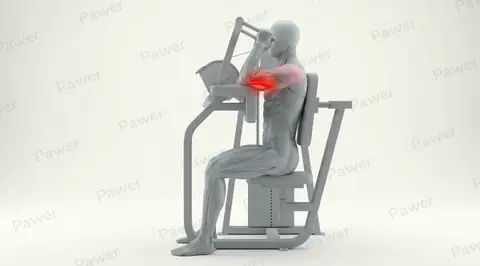 Machine Tricep ExtensionMachine
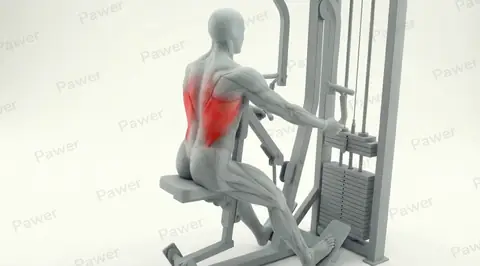 Machine Underhand RowMachine
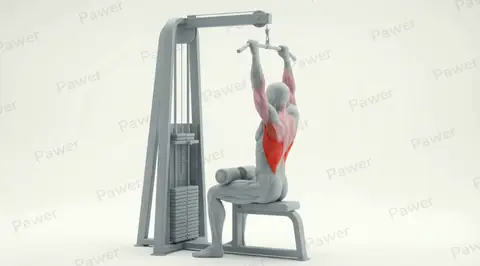 Narrow PulldownMachine
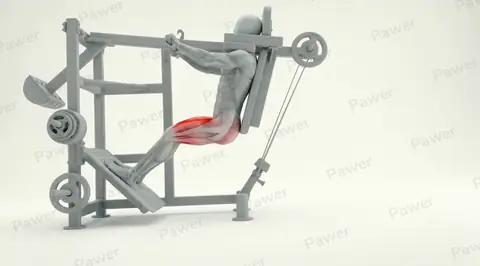 Pendulum Squat / V-SquatMachine
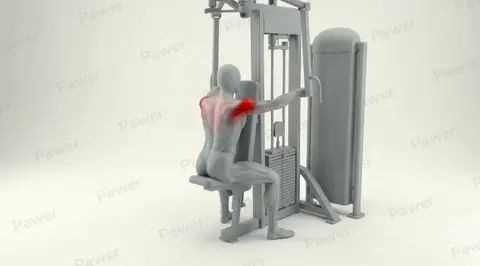 Reverse Pec DeckMachine
- Seated Leg CurlMachine
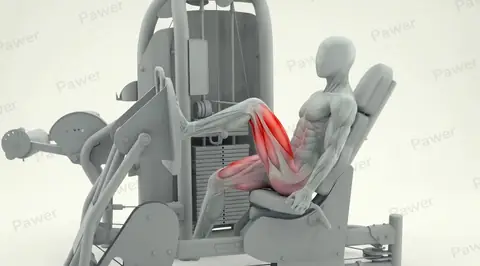 Single-Leg PressMachine
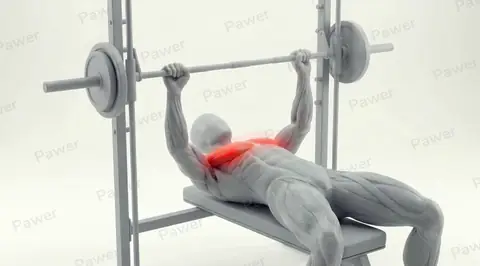 Smith Machine Bench PressMachine
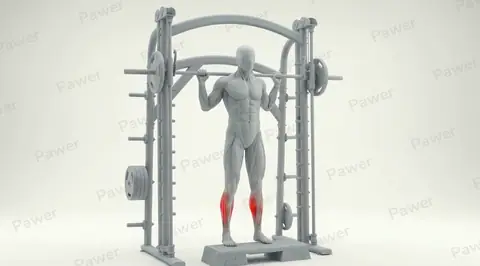 Smith Machine Calf RaiseMachine
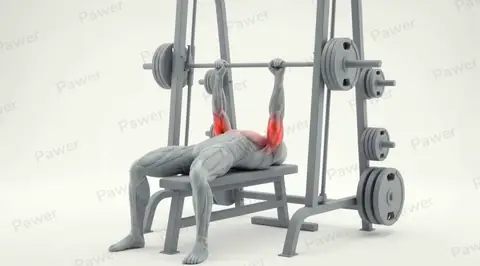 Smith Machine Close Grip Bench PressMachine
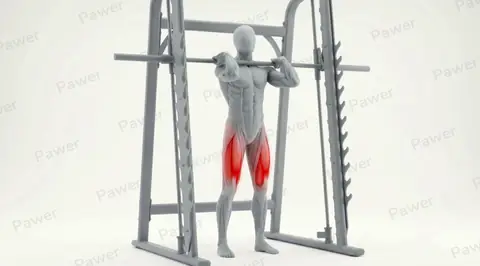 Smith Machine Front SquatMachine
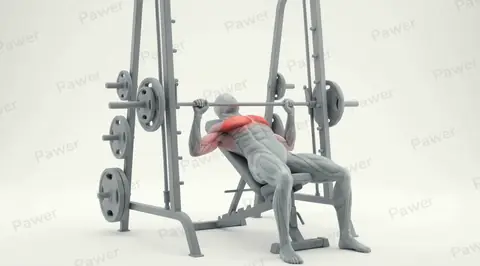 Smith Machine Incline Bench PressMachine
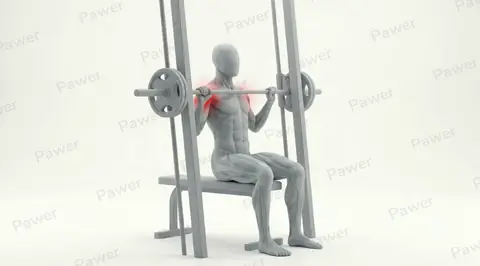 Smith Machine Seated Overhead PressMachine
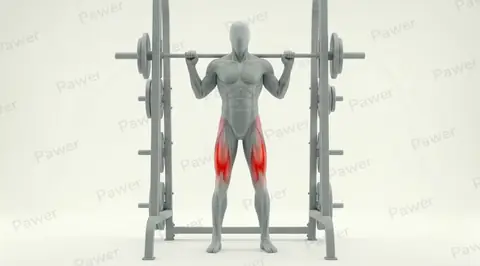 Smith Machine SquatMachine
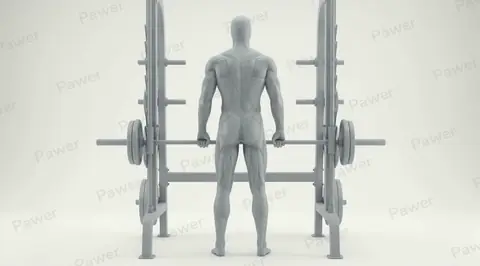 Smith Machine Standing ShrugsMachine
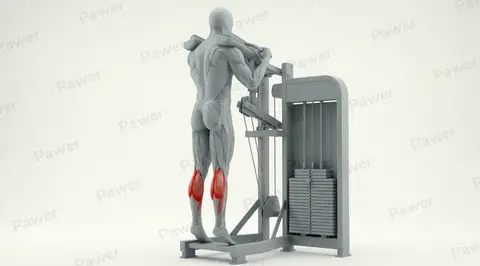 Standing Calf Raise (Machine)Machine
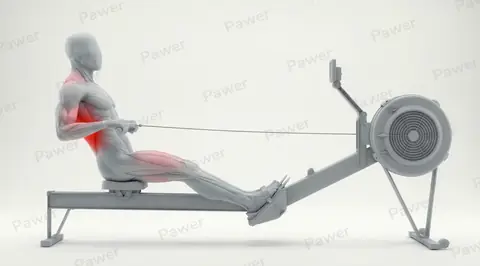
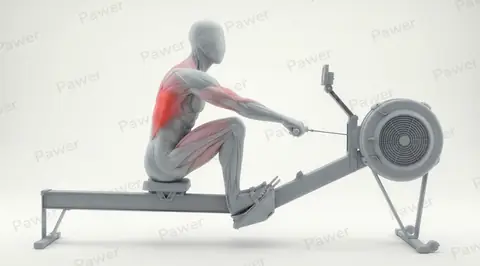 Steady-State Rowing MachineMachine
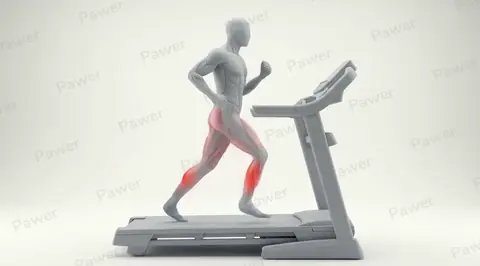 Treadmill RunMachine
Intermediate Machine Exercises11
Getting started with gym machines: setup and choosing a weight
A machine only works well if it fits you. Before the first set, adjust the seat and pads so the joint that moves lines up with the machine's pivot point: your knee with the axis on a leg extension or leg curl, your elbow on a preacher curl. On presses and rows, set the seat so the handles sit at mid-chest. Many machines also have a start-position lever; set it so you begin in a comfortable stretch, not a forced one.
To choose a weight, do one warm-up set of about 15 easy reps with a light pin, then add load until you find a weight you can move for your target reps with two or three left in reserve. Write down the seat and pad settings along with the weight, because most machines have numbered adjustments and the same setting next time keeps your progress honest.
| Machine type | How it works | Examples | Setup tip |
|---|---|---|---|
| Selectorized (pin) | A weight stack loaded with a pin; quick to change | Machine Chest Press, Machine Pulldown, Seated Leg Curl | Change weight by moving the pin; increments are fixed, so progress reps before load |
| Plate-loaded | Weight plates on lever arms or a sled; heavier and smoother | Machine Leg Press, Chest-Supported T-Bar Row, Hammer Strength Iso-Lateral Row | Load both sides evenly and note the empty sled or arm weight differs between models |
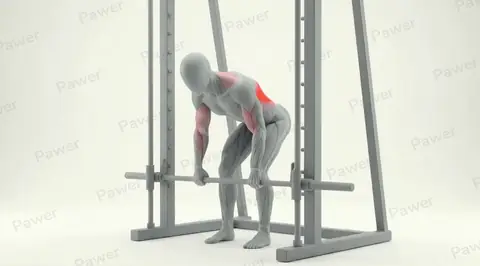
| Smith machine | A barbell fixed on vertical rails, with safety hooks at each notch | Smith Machine Squat, Smith Machine Bench Press, Smith Machine Incline Bench Press | Set the safety stops just below your lowest point and position your body to suit the fixed bar path |
Machine workout sets and reps: programming for muscle and strength
Because a machine holds the movement path for you, it is one of the safest places to take sets close to failure, which is where most of the muscle-building stimulus is. Most muscles respond well to about 10 to 20 hard sets a week, spread over two sessions. Put your heaviest compound machines, such as the leg press, hack squat and chest press, early in the session while you are fresh.
Progress with double progression: stay on a weight until you hit the top of your rep range on every set, then add the next plate or pin and start again at the bottom of the range. Keep the seat settings identical from week to week, or the numbers will not mean anything.
| Goal | Sets | Reps | Rest | Frequency |
|---|---|---|---|---|
| Strength: leg press, hack squat, Smith presses | 3 to 5 | 4 to 8 | 2 to 3 minutes | 2 sessions per muscle per week |
| Muscle building: compound machines | 3 to 4 | 6 to 12 | 90 seconds to 2 minutes | 2 sessions per muscle per week |
| Muscle building: isolation machines | 2 to 4 | 10 to 20 | 60 to 90 seconds | 2 sessions per muscle per week |
| Cardio machines | One steady piece, or 6 to 10 intervals | 20 to 45 minutes steady, or 30 to 60 second hard efforts | Equal to double the work time between intervals | 2 to 4 sessions per week |
Sample machine workouts: upper body, lower body and beginner full body
Run the upper and lower workouts on alternate days, four sessions a week, for a complete machine-only program. The beginner full-body workout uses the simplest machines in most gyms; do it two or three times a week, adding a set to each exercise after the first month. Finish any of them with ten minutes on a cardio machine if you want extra conditioning.
| Workout | Exercise | Sets | Reps | Rest |
|---|---|---|---|---|
| Upper body | Machine Chest Press | 3 | 6 to 10 | 2 minutes |
| Upper body | Chest-Supported T-Bar Row | 3 | 8 to 12 | 2 minutes |
| Upper body | Machine Pulldown | 3 | 8 to 12 | 90 seconds |
| Upper body | Incline Machine Chest Press | 2 | 10 to 12 | 90 seconds |
| Upper body | Machine Lateral Raise | 3 | 12 to 15 | 60 seconds |
| Upper body | Reverse Pec Deck | 2 | 12 to 15 | 60 seconds |
| Upper body | Machine Preacher Curl | 2 | 10 to 15 | 60 seconds |
| Upper body | Machine Tricep Extension | 2 | 10 to 15 | 60 seconds |
| Lower body | Machine Hack Squat | 4 | 6 to 10 | 2 to 3 minutes |
| Lower body | Seated Leg Curl | 3 | 8 to 12 | 90 seconds |
| Lower body | Machine Hip Thrust | 3 | 8 to 12 | 90 seconds |
| Lower body | Machine Leg Extension | 3 | 12 to 15 | 60 seconds |
| Lower body | Standing Calf Raise (Machine) | 3 | 10 to 15 | 60 seconds |
| Lower body | Machine Crunch | 3 | 10 to 15 | 60 seconds |
| Beginner full body | Machine Leg Press | 3 | 10 to 12 | 2 minutes |
| Beginner full body | Machine Chest Press | 3 | 10 to 12 | 90 seconds |
| Beginner full body | Machine Pulldown | 3 | 10 to 12 | 90 seconds |
| Beginner full body | Lying Leg Curl | 2 | 10 to 12 | 60 seconds |
| Beginner full body | Machine Neutral Row | 2 | 10 to 12 | 60 seconds |
| Beginner full body | Machine Crunch | 2 | 12 to 15 | 60 seconds |
Common machine training mistakes
Machines are forgiving, but they are not foolproof. These errors are the most common in any gym and the easiest to fix.
- Skipping the seat adjustment. A machine set for someone else puts the load in the wrong place and can strain the joint. Spend thirty seconds lining your joints up with the pivot and the handles with your chest.
- Piling on weight and cutting the range. Quarter reps on the leg press with every plate in the gym build less muscle than full reps with a sensible load. Lower until the muscle is fully stretched, as long as your hips and back stay on the pad.
- Letting the hips curl off the leg press seat. Going deeper than your hips allow rounds your lower back under load. Stop each rep just before your tailbone starts to lift.
- Snapping the joints into lockout. Slamming the knees straight on a leg press or the elbows on a chest press takes the load off the muscle. Push to a controlled finish, short of a hard snap, then reverse.
- Treating the Smith machine like a free barbell. The bar runs on a fixed track, so copying your free-weight foot and body position can feel wrong. Adjust your stance and bench position until the bar path suits your joints.
- Rushing the lowering phase. Letting the stack drop and bounce wastes half of every rep. Lower over two to three seconds and never let the plates touch between reps.
Cardio machines compared: treadmill, bike, rower and more
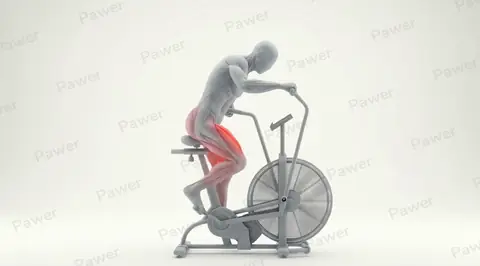
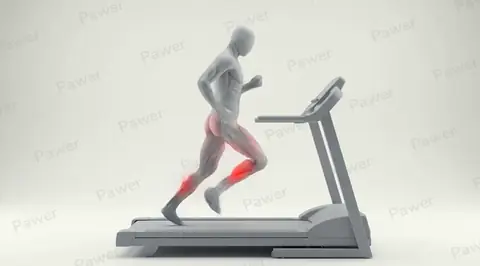
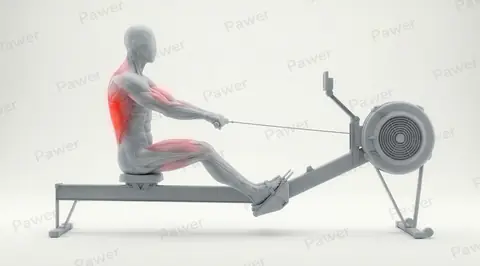
Cardio machines are part of the machine family too, and the right one depends on your joints, your goal and what you enjoy enough to repeat. Lower-impact machines like the bike, elliptical and rower let you build fitness with less pounding than running. The rower, ski erg and assault bike also involve the upper body, which makes them strong choices for intervals.
| Machine | Impact | Main muscles | Best for |
|---|---|---|---|
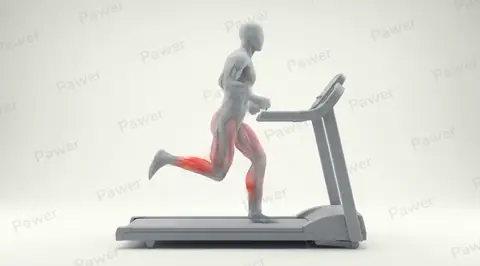
| Treadmill Run, Incline Treadmill Walk | High when running, low when walking | Quads, glutes, calves | Running fitness, or easy incline walking for daily activity |
| Indoor Cycling (Spin Bike) | Low | Quads, glutes | Long steady sessions and structured intervals |
| Steady-State Rowing Machine, Rowing Intervals | Low | Legs, back, arms | Full-body conditioning, if you learn the leg, hip, arm stroke order |
| Elliptical | Very low | Quads, glutes | Easy cardio for beginners and recovery days |
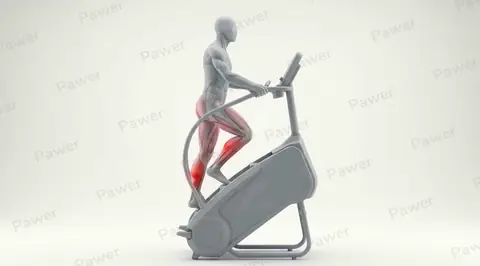
| Stair Climber | Low to moderate | Glutes, quads, calves | Hard steady work for the legs and lungs |
| Assault Bike | Low | Legs, shoulders, arms | Short, very hard intervals |
| Ski Erg | Low | Back, core, triceps | Upper-body conditioning and intervals |
Frequently asked questions
Can you build muscle using only machines?
Yes. Muscles respond to tension and effort, not to whether the weight is on a cable, a lever or a barbell. A program of leg presses, hack squats, presses, rows, pulldowns and isolation machines, taken close to failure and progressed over time, builds muscle very effectively. Many bodybuilders rely heavily on machines for exactly this reason.
Are machines safer than free weights?
Machines lower some risks: there is nothing to balance, nothing to drop on yourself and no need for a spotter. They do not make injury impossible, though. A poorly adjusted seat, an excessive load or a forced range can still strain a joint. Set the machine up for your body, use a controlled tempo and machines are a very low-risk way to train hard.
Do machines build real strength?
They build real muscle and real strength in the muscles they train. What they build less is skill in free-weight lifts, because balancing a barbell is a skill of its own. If your goal is a bigger squat or bench press, practice those lifts and use machines for extra volume. For general strength and health, machines are entirely sufficient.
Is the Smith machine bad?
No, it is just different. The fixed bar path removes the balance demand, which makes it a stable tool for squats, presses and rows when you want to push close to failure without a spotter. The trade-off is that the path may not match your natural movement, so take time to position your feet and bench until it feels right.
Which machines should a beginner start with?
Start with the machines that cover the big movements: a leg press, a chest press, a pulldown or assisted pull-up, a seated row and a leg curl. Those five train most of the body. Once you are comfortable, add isolation machines for the shoulders, arms and glutes, and consider learning one or two free-weight lifts alongside them.
How do I know if a machine is set up correctly?
The moving joint should line up with the machine's pivot, which is often marked with a colored dot or sticker. The handles should start in a position you can reach without straining, and you should feel the target muscle working rather than a joint. If a rep pinches or the pads shift on your body, adjust the seat or pads and try again.
Machine exercises by muscle group
Pick the muscle you came to train, and see only the Machine work for it.