Steady-State Rowing Machine
 Anton YefanovUpdated
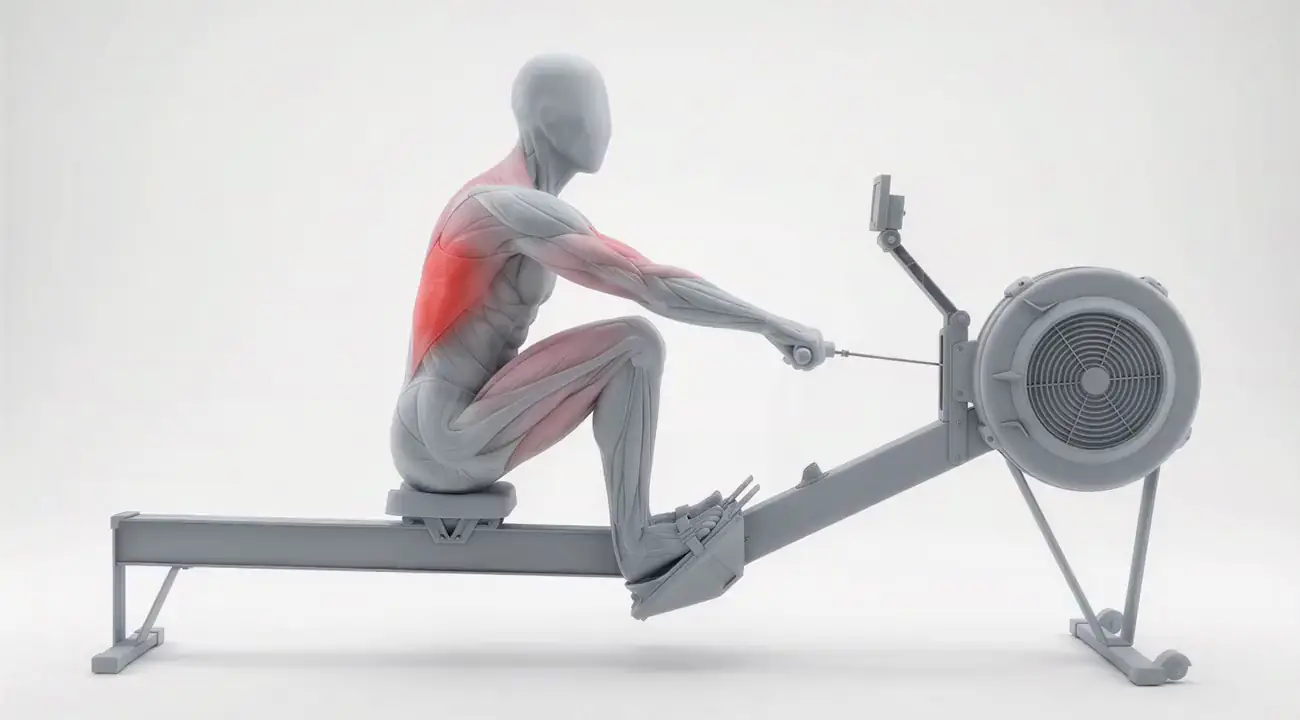
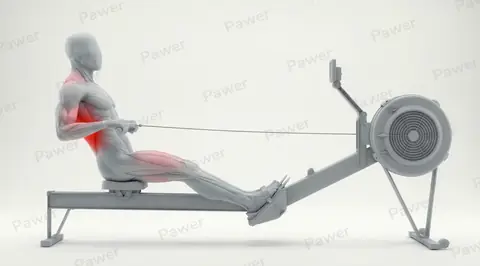
Steady-state rowing is the base version of the stroke: catch, drive, finish, recovery, repeated at a rate you can hold for the whole session. A workable starting rate is sixteen to twenty-two strokes per minute, with the recovery taking about twice as long as the drive. The legs push first, the back swings open, the arms finish, and the pattern reverses on the way back to the catch.
Steady-state work is continuous effort held below lactate threshold, and a sensible build runs from about ten minutes toward thirty, which makes the erg an easy entry point.
How to do the Steady-State Rowing Machine
- Strap your feet in so the strap crosses the ball of the foot, and set a moderate damper.
- Come to the catch with shins vertical, arms straight, and the shoulders slightly ahead of the hips.
- Push the legs down while the arms stay straight and the back holds its angle.
- Once the legs are nearly flat, swing the back open and draw the handle to the bottom of the ribs.
- Extend the arms away, hinge the torso forward, then bend the knees and slide back to the catch.
- Repeat at a rate you can sustain, taking about twice as long on the recovery as on the drive.
Muscles worked
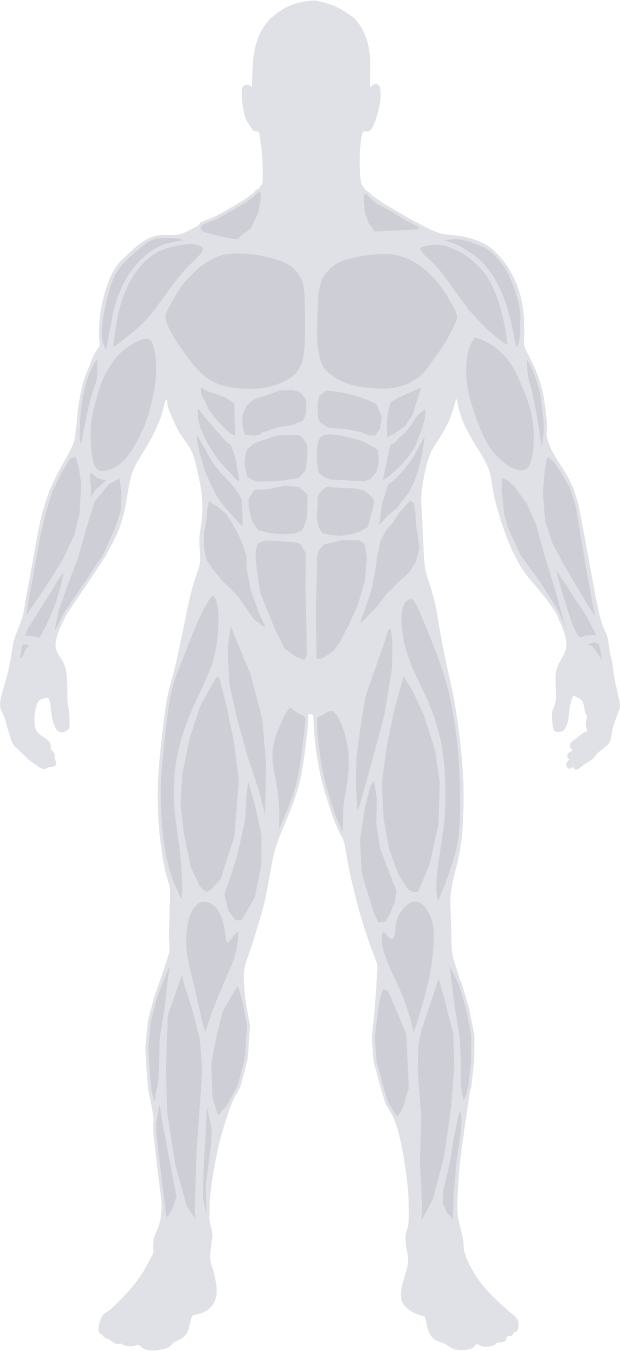
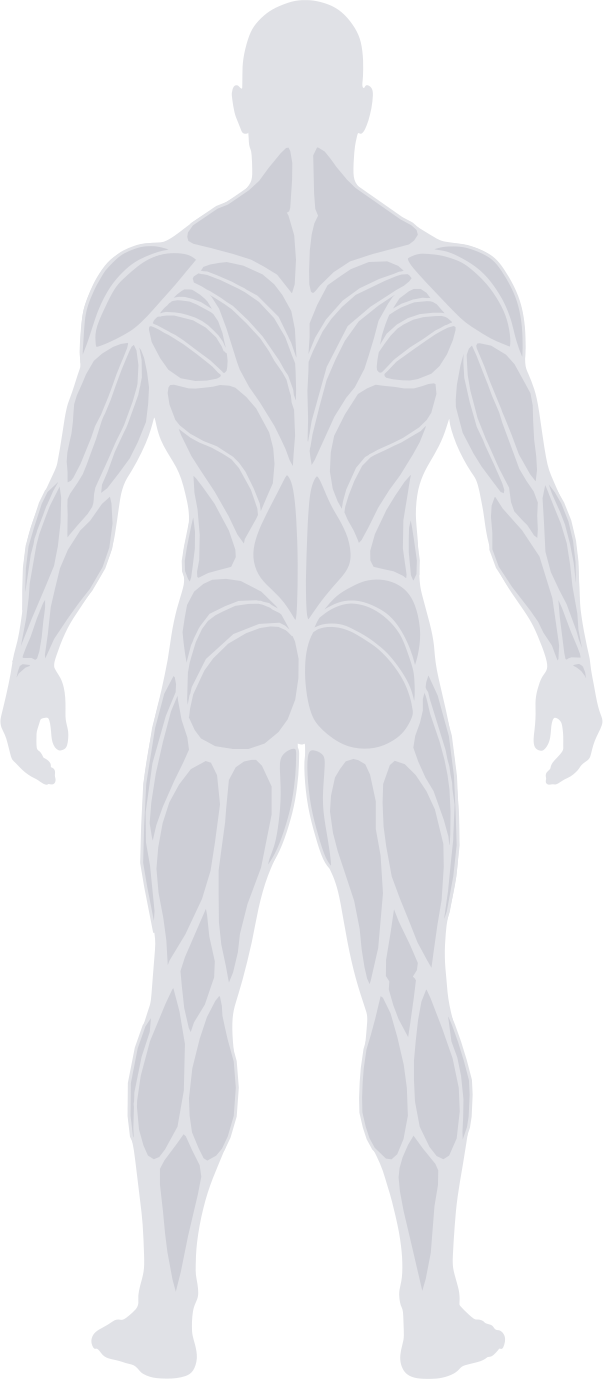
- Secondary:
- Glutes, Hamstrings, Biceps, and Core
Why train it
- Builds aerobic base below lactate threshold with no impact loading on the joints.
- Recruits legs, trunk and upper body in one continuous pattern, unlike leg-only cardio machines.
- Rewards a repeatable rhythm, which makes it easy to hold a target pace for long pieces.
Common mistakes
- Pushing the legs and leaning back at once, which is inefficient and loads the lower back.
- Recovering as fast as you drive, which cuts the next stroke short and raises the rate for no extra pace.
- Pulling the handle high to the collarbone, which puts the finish above the strong line of the ribs.
- Setting the damper at maximum, which turns a rhythmic aerobic piece into slow heavy pulling.
Frequently asked questions
What muscles does the Steady-State Rowing Machine work?
The Steady-State Rowing Machine works the quads and back hardest, with the glutes, hamstrings, biceps, and core pitching in. As cardio, though, the bigger demand is on your heart and lungs rather than any one muscle.
What equipment do I need for the Steady-State Rowing Machine?
Only a rowing machine. Nothing beyond that is required to run the movement the way it is described above.
Is the Steady-State Rowing Machine suitable for beginners?
Yes. The Steady-State Rowing Machine is rated beginner. Start at a pace you could hold a conversation at, and build the time before you build the intensity.
Can I do the Steady-State Rowing Machine at home?
Yes, if you own a rowing machine. That is the whole requirement, and it is the reason this one travels well between a home setup and a gym floor.
How long should I do the Steady-State Rowing Machine for?
20 to 45 minutes at a pace you could hold a conversation at, two or three times a week. Add time before you add speed or resistance.
What are good alternatives to the Steady-State Rowing Machine?
Man Maker, Rowing Intervals, and Hiking train the same primary muscles as the Steady-State Rowing Machine. Pick whichever one suits the equipment in front of you.
Work out your Steady-State Rowing Machine weights
Estimate your max from a recent set, then find the weight for your next one.
- One Rep Max CalculatorTurn a recent set into an estimated max. Compare Epley, Brzycki and Lombardi, then read off your training percentages and every rep max from 2RM to 12RM.
- RPE CalculatorRate a set by effort, get an estimated max, and read off the weight for your next target. Includes a full RPE chart of percentages by reps and effort.
Similar exercises
By muscle
Every exercise is mapped to the muscles it trains. Browse by what you want to build.
By equipment
A full gym, a pair of dumbbells, or nothing at all: browse by what you have.