Chest Exercises
 Anton YefanovUpdated
The best chest exercises are the barbell bench press, the incline dumbbell press, parallel bar dips and a cable fly: one heavy flat press, one incline press for the upper chest, one deep bodyweight press, and one fly that loads the pecs in a long stretch. Built around those four, a chest workout covers the whole muscle and gives you years of room to progress.
Your chest is mostly the pectoralis major, a fan-shaped muscle that pushes your arms forward and pulls them across your body. Its fibers run at different angles, so the bench angle and the path of your arms change which part works hardest. That is why the best chest workouts mix flat and incline pressing with fly work instead of repeating the bench press for every set.
Start with the ranked picks below, then use the anatomy guide, the comparison table, the sets and reps by goal and the sample workouts to build your own plan. Every exercise links to its own page with a video and step-by-step instructions.
Best Chest Exercises
These are the chest exercises worth building a program around, ranked by how much they give most lifters. Each one covers a different need, so pick by your goal and your equipment.
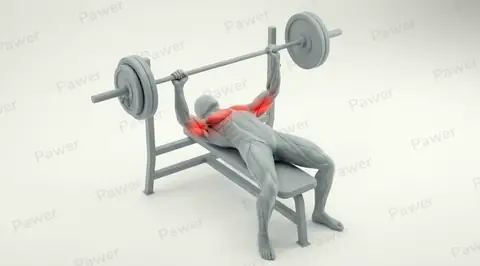
No. 1Best Overall
Barbell Bench Press
No chest exercise lets you handle more weight or progress as steadily over months and years. It trains the whole pec along with the triceps and front delts, and it is the easiest press to track because small jumps in load are always available. Use a spotter or safety arms once your sets get close to failure.
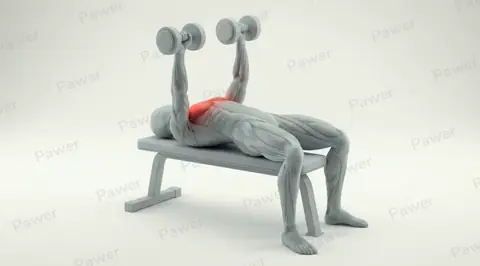
No. 2Best for Muscle Growth
Dumbbell Bench Press
Dumbbells let your hands travel lower and come closer together at the top than a barbell allows, so the chest works through a longer range. Each arm has to carry its own load, which keeps a stronger side from taking over. It is also easy to bail out of safely when training alone.
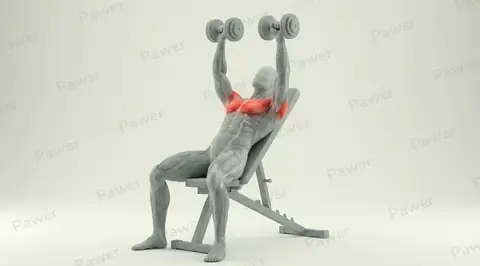
No. 3Best for Upper Chest
Dumbbell Incline Bench Press
Setting the bench to roughly 30 to 45 degrees shifts more of the work to the upper (clavicular) fibers, the part most lifters find hardest to develop. The dumbbells give a deep stretch at the bottom without the bar stopping on your chest. Make it the first or second lift of most chest days.
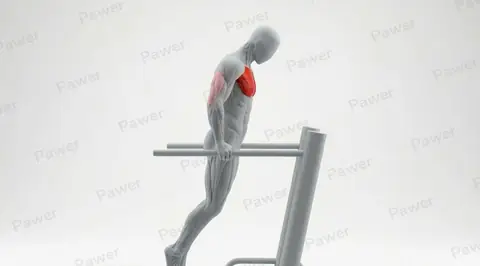
No. 4Best Bodyweight Mass Builder
Parallel Bar Dips
Dips load the lower chest and triceps through a deep range using nothing but your body weight, and you can add a belt or dumbbell once sets of 12 come easily. Leaning your torso forward puts more of the load on the chest. They demand shoulder control, so build up with the machine version if a full rep is not there yet.
No. 5Best at Home
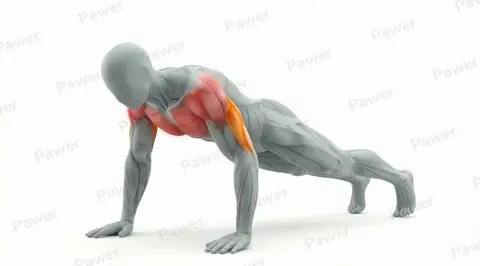
Push Up
The push-up trains the same pressing pattern as the bench press with zero equipment, and it scales from beginner to advanced by changing hand or foot height. Your shoulder blades move freely, which many people find more comfortable than pressing on a bench. Treat it as real training by keeping a rigid body line and touching your chest to the floor.
No. 6Best Isolation Exercise
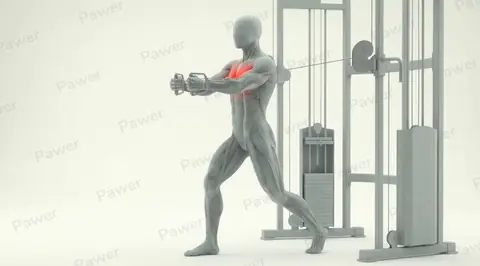
Cable Pec Fly
Cables keep tension on the chest from the stretched position all the way to the squeeze, where a dumbbell fly goes slack. It trains the pec's main job (bringing the arms across the body) without the triceps limiting the set. Moving the pulleys high or low lets the same station target the lower or upper chest.
No. 7Best for Beginners
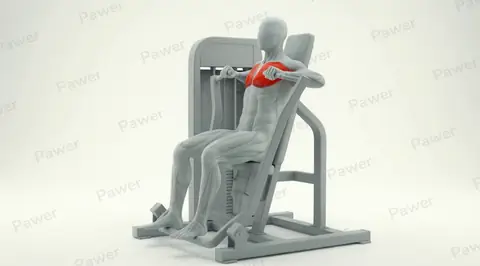
Machine Chest Press
The guided path removes the balance demands of free weights, so a new lifter can focus on pushing hard with good shoulder position from the first session. You can take sets close to failure safely without a spotter. Experienced lifters use it too, as a second press after the heavy free-weight work.
Chest anatomy: upper, middle and lower pecs
The pectoralis major has two heads. The clavicular head runs from your collarbone and forms the upper chest. The much larger sternal head runs from your breastbone and lower ribs and forms the middle and lower chest. Both attach to the upper arm, so their shared job is bringing your arm across your body and rotating it inward. Underneath sits the pectoralis minor, a small muscle that pulls the shoulder blade forward and down.
Every press and fly trains the whole pec, so you cannot fully isolate the upper or lower chest. What you can do is shift the emphasis. Pressing or flying upward on an incline biases the upper fibers. Pressing downward on a decline, or dipping, biases the lower fibers. Flat pressing and standard flyes sit in the middle and hit the bulk of the muscle.
| Part | What it does | Best exercises |
|---|---|---|
| Upper chest (clavicular head) | Raises the arm forward and up, and brings it across the body at shoulder height or above | Dumbbell Incline Bench Press, Barbell Incline Bench Press, Cable Low-to-High Fly, Decline Push Up |
| Middle chest (sternal head) | Brings the arm across the body and rotates it inward; the main driver of flat pressing | Barbell Bench Press, Dumbbell Bench Press, Cable Pec Fly, Machine Pec Fly |
| Lower chest (lower sternal fibers) | Pulls the arm down and across the body from a raised position | Parallel Bar Dips, Decline Barbell Bench Press, Cable High-to-Low Fly, Dumbbell Decline Bench Press |
| Pectoralis minor | Pulls the shoulder blade forward and down, steadying it during presses and dips | Parallel Bar Dips, Push Up |
The best chest exercises compared
Choose your main press by goal. If you want the strongest possible bench, the barbell is the priority because it allows the heaviest loads. If muscle size is the goal, dumbbells and machines are just as effective and often more comfortable, because they offer a longer range and a safer way to train close to failure.
After the main press, add one incline movement and one fly or dip, and you have covered every part of the chest. Machines and cables earn their place late in a workout, when you are tired and stability is the weak link rather than the chest itself.
| Exercise | Equipment | Difficulty | Best for | Range of motion |
|---|---|---|---|---|
| Barbell Bench Press | Barbell and bench | Intermediate | Maximal strength and heavy loading | Moderate: the bar stops at your chest |
| Dumbbell Bench Press | Dumbbells and bench | Beginner | Muscle growth and evening out sides | Long: hands can travel below chest level |
| Dumbbell Incline Bench Press | Dumbbells and incline bench | Beginner | Upper chest size | Long |
| Barbell Incline Bench Press | Barbell and incline bench | Intermediate | Heavy upper chest work | Moderate |
| Parallel Bar Dips | Dip bars | Intermediate | Lower chest and triceps with body weight | Long, with a deep stretch at the bottom |
| Push Up | None | Beginner | Home training and high-rep work | Moderate: chest to floor |
| Machine Chest Press | Chest press machine | Beginner | Learning to press and safe sets to failure | Set by the machine |
| Smith Machine Incline Bench Press | Smith machine | Beginner | Upper chest without a spotter | Moderate |
| Cable Pec Fly | Cable station | Beginner | Isolation with constant tension | Long, loaded at both ends |
| Dumbbell Chest Fly | Dumbbells and bench | Beginner | Loading the chest in the stretch | Long, but light at the top |
All 47 Chest Exercises
All 47 chest exercises in the library, grouped by difficulty. Each one has a video, step-by-step form and the muscles it works.
Beginner Chest Exercises30
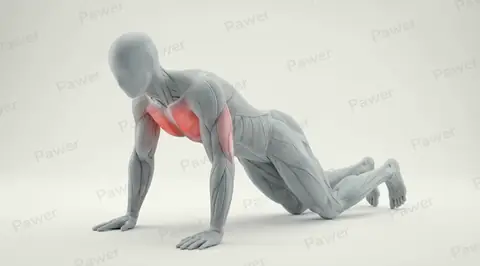 Bodyweight Knee Push UpsBodyweight
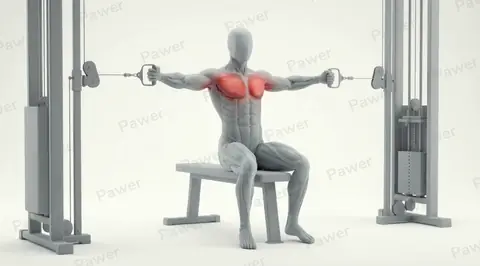 Cable Bench Chest FlyCable
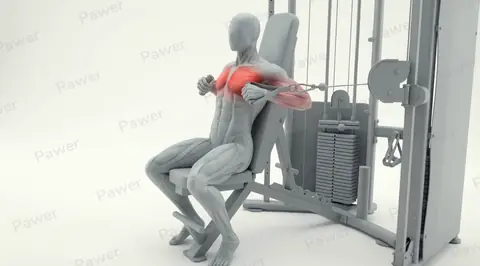 Cable Bench PressCable
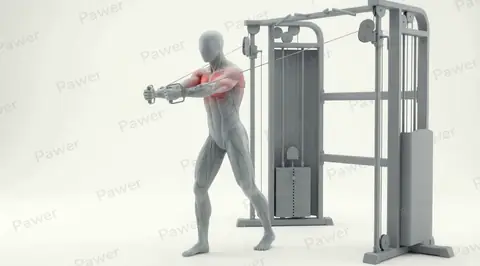 Cable Chest PressCable
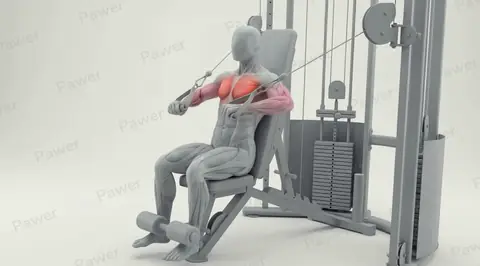 Cable Decline Bench PressCable
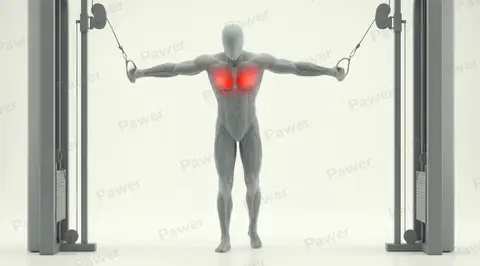 Cable High-to-Low FlyCable
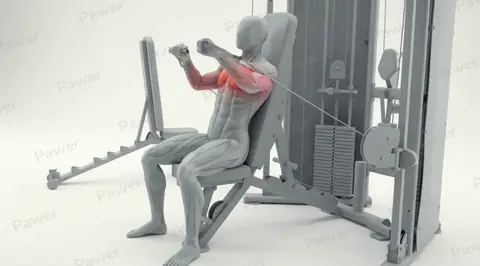 Cable Incline Bench PressCable
- Cable Pec FlyCable
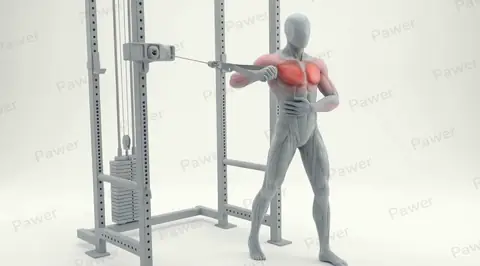 Cable Standing Single Arm Chest PressCable
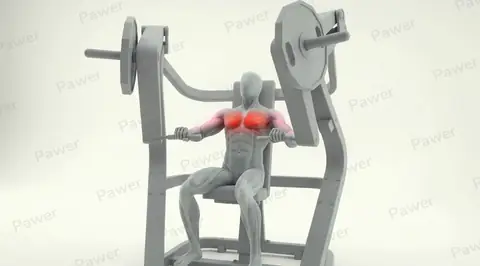 Decline Machine Chest PressMachine
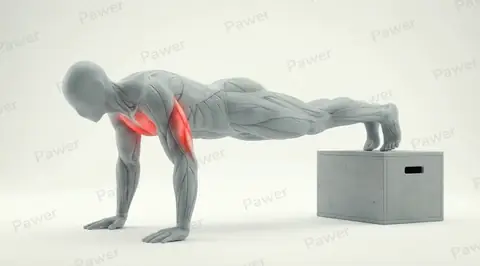 Decline Push UpBodyweight
- Dumbbell Bench PressDumbbell
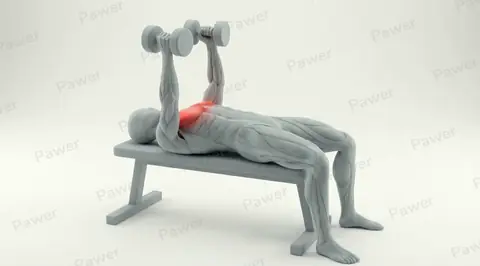 Dumbbell Chest FlyDumbbell
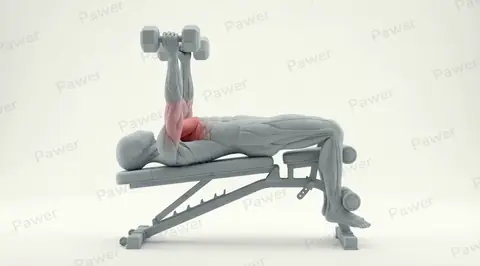 Dumbbell Decline Bench PressDumbbell
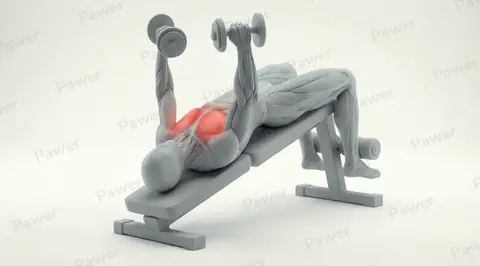 Dumbbell Decline Chest FlyDumbbell
- Dumbbell Incline Bench PressDumbbell
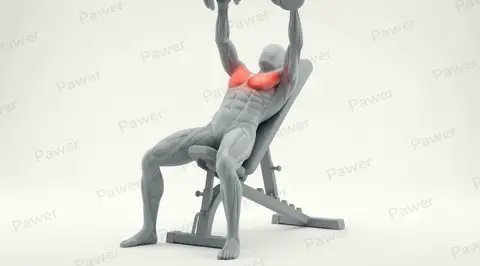 Dumbbell Incline Chest FlyDumbbell
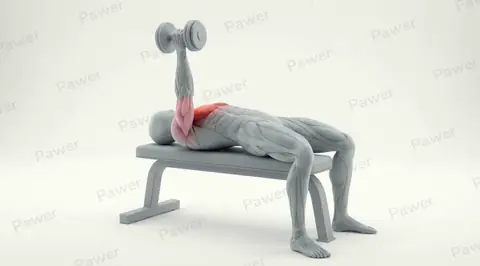 Dumbbell Single Arm Chest PressDumbbell
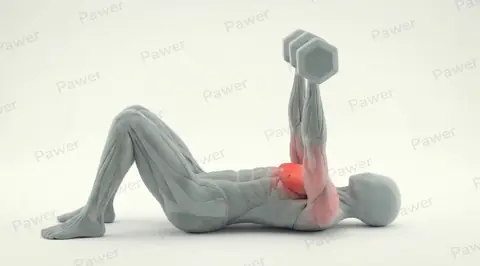 Floor PressDumbbell
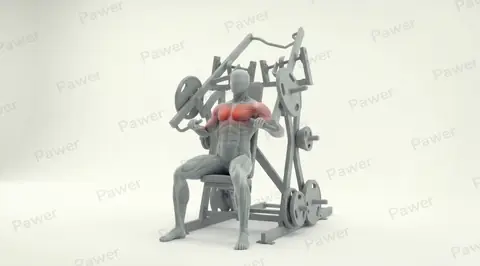 Incline Machine Chest PressMachine
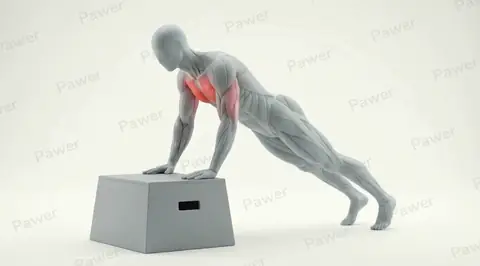 Incline Push UpBodyweight
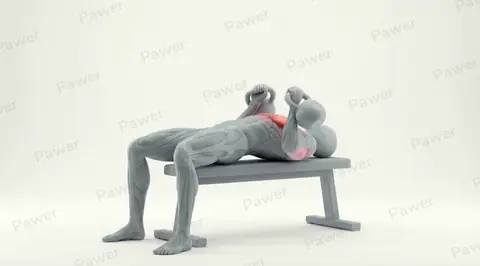 Kettlebell Bench PressKettlebell
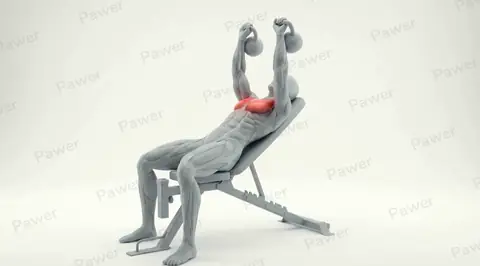 Kettlebell Incline Bench PressKettlebell
- Machine Chest PressMachine
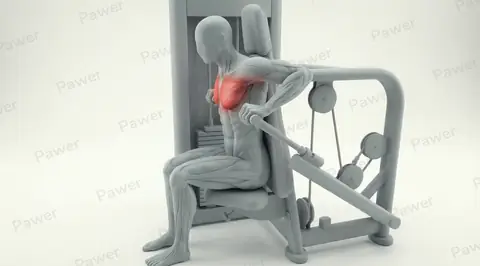 Machine DipsMachine
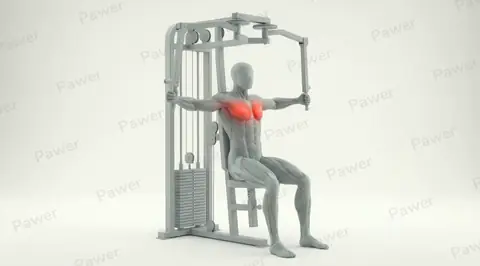 Machine Pec FlyMachine
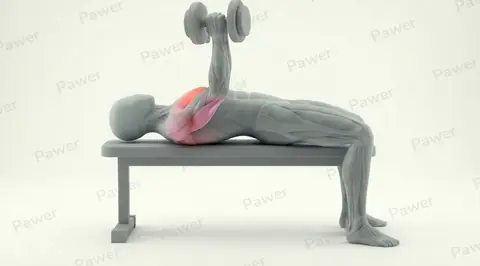 Neutral-Grip Dumbbell Bench PressDumbbell
- Push UpBodyweight
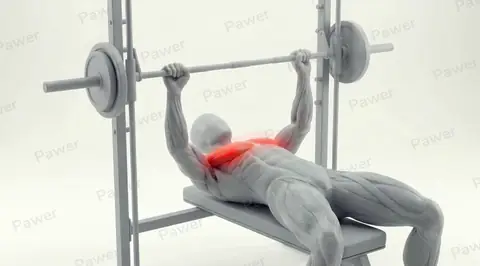 Smith Machine Bench PressMachine
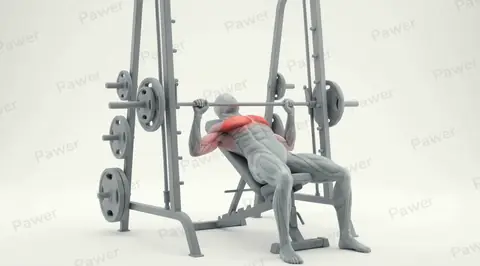 Smith Machine Incline Bench PressMachine
Intermediate Chest Exercises15
- Barbell Bench PressBarbell
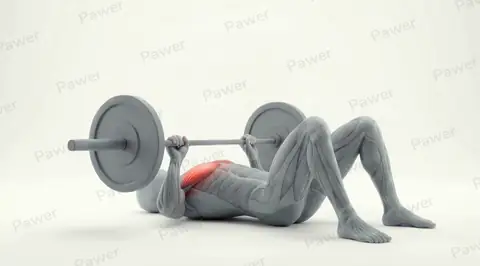 Barbell Floor PressBarbell
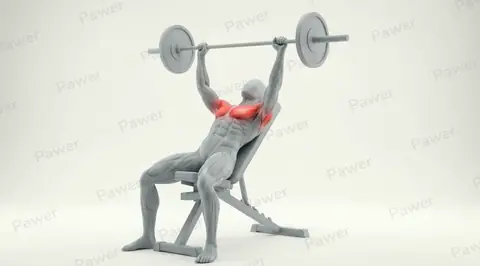 Barbell High Incline Bench PressBarbell
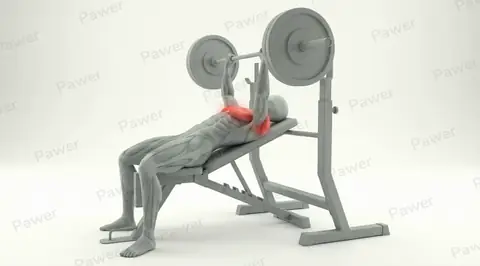 Barbell Incline Bench PressBarbell
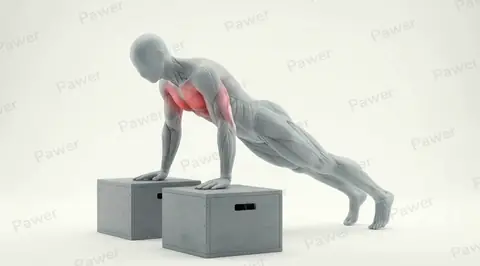 Bodyweight Elevated Push UpBodyweight
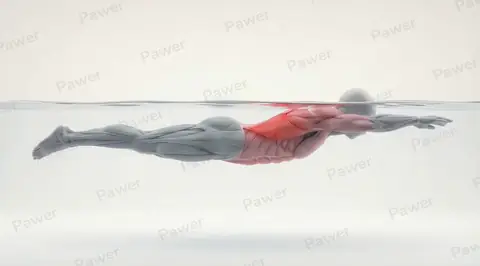 Breaststroke SwimBodyweight
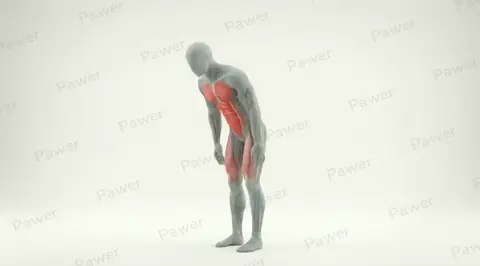 BurpeeBodyweight
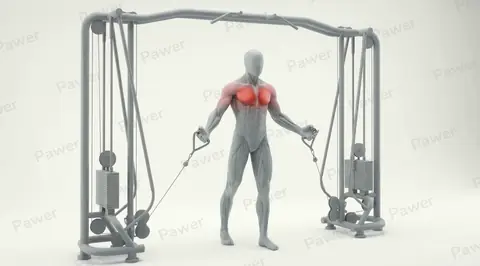 Cable Low-to-High FlyCable
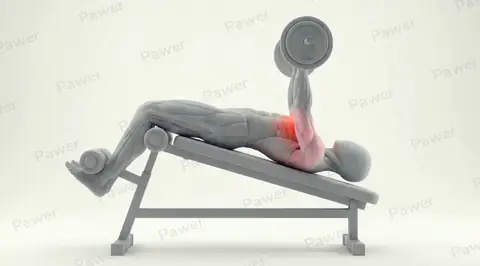 Decline Barbell Bench PressBarbell
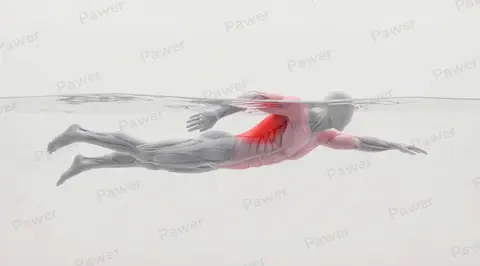 Freestyle SwimBodyweight
- Parallel Bar DipsBodyweight
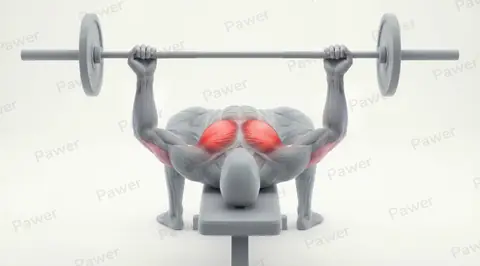 Reverse-Grip Barbell Bench PressBarbell
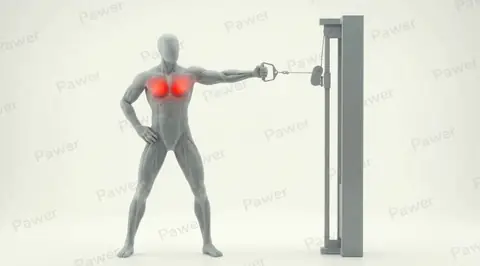 Single-Arm Cable FlyCable
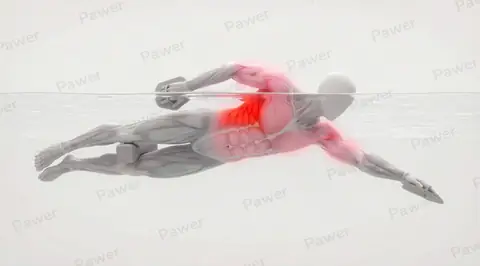 Swim Pull DrillBodyweight
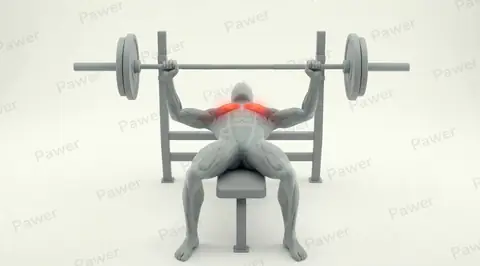 Wide-Grip Barbell Bench PressBarbell
Advanced Chest Exercises2
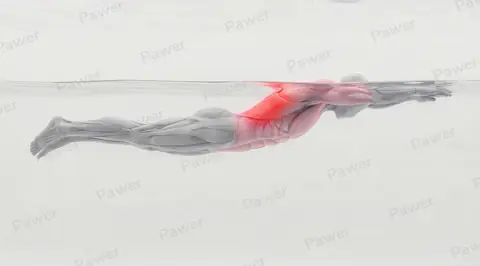
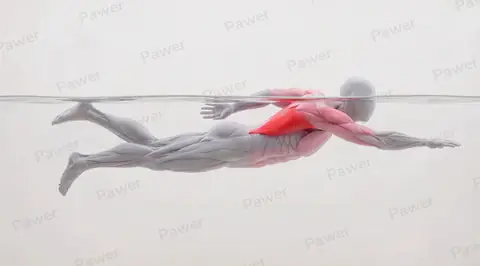
How to train your chest: sets, reps and frequency
For muscle growth, most lifters do well with 10 to 20 hard sets of chest work per week, split over two sessions. A hard set ends with only one to three good reps left in the tank. Beginners grow on the lower end of that range, so start near 10 sets and add more only when progress stalls. Remember that presses also train your triceps and front delts, which matters when you plan those muscles.
Put your heaviest press first, while you are fresh, and work in lower rep ranges there. Use higher reps for flyes and machine work later in the session. To progress, use double progression: pick a rep range such as 8 to 12, add reps each week until you hit the top of the range on every set, then add the smallest available weight and work back up.
| Goal | Sets | Reps | Rest | Frequency |
|---|---|---|---|---|
| Strength | 3 to 5 per press | 3 to 6 | 2 to 4 minutes | 2 to 3 times per week |
| Muscle growth | 10 to 20 per week | 6 to 15 | 90 seconds to 3 minutes | 2 times per week |
| Beginner | 8 to 12 per week | 8 to 12 | 1 to 2 minutes | 2 times per week |
| Muscular endurance | 2 to 4 per exercise | 15 to 30 | 30 to 90 seconds | 2 to 3 times per week |
Sample chest workouts for the gym, home and beginners
Each workout pairs a main press with an angle change and a finisher. Run one of them twice a week, or use it as the chest portion of a push or upper-body day. The home workout needs only the floor and a bench or step, plus dumbbells if you have them.
| Workout | Exercise | Sets | Reps | Rest |
|---|---|---|---|---|
| Gym | Barbell Bench Press | 4 | 5 to 8 | 2 to 3 minutes |
| Gym | Dumbbell Incline Bench Press | 3 | 8 to 12 | 2 minutes |
| Gym | Parallel Bar Dips | 3 | 8 to 12 | 2 minutes |
| Gym | Cable Pec Fly | 3 | 12 to 15 | 60 to 90 seconds |
| Home | Decline Push Up | 3 | 6 to 15 | 90 seconds |
| Home | Push Up | 3 | 1 to 2 short of failure | 90 seconds |
| Home | Floor Press | 3 | 10 to 15 | 90 seconds |
| Home | Incline Push Up | 2 | As many as possible | 60 seconds |
| Beginner | Machine Chest Press | 3 | 10 to 12 | 90 seconds |
| Beginner | Dumbbell Incline Bench Press | 3 | 10 to 12 | 90 seconds |
| Beginner | Machine Pec Fly | 2 | 12 to 15 | 60 seconds |
Common chest training mistakes
Most stalled chest progress comes down to setup and effort, not exercise choice.
- Pressing with loose shoulders. If your shoulders roll forward off the bench, the front delts take over and the pecs lose tension. Before you unrack, pull your shoulder blades back and down, keep a slight arch, plant your feet and hold that position for the whole set.
- Flaring the elbows straight out to the sides. A T shape between upper arms and torso puts the shoulder in a weak, stressful position. Tuck your elbows partway so your arms and torso form more of an arrow shape, and lower the bar to your mid or lower chest.
- Cutting the range of motion. Bouncing the bar or stopping halfway down lets you lift more but skips the stretched part of the rep where the chest works hardest. Lower under control until the bar or dumbbells reach your chest, then press.
- Only ever flat benching. The flat press trains the middle of the chest well and leaves the upper chest behind. Make at least one press or fly each week an incline movement.
- Turning flyes into presses. Going too heavy on flyes makes your elbows bend and straighten through the rep, which turns the exercise into a sloppy press. Keep a fixed soft bend in the elbows and pick a weight you can control through a deep stretch.
- Spreading effort across too many exercises. Five chest movements done at half effort build less than three done close to failure. Choose three or four exercises, log the weights and reps, and beat them over time.
How to build your chest at home without a gym
Push-ups build a real chest as long as you keep them hard. The trick is to progress the variation, not just the rep count: once you can do about 20 clean reps of one version, move to the next. Elevating your feet shifts more work to the upper chest and makes each rep heavier, while raising your hands does the opposite.
If you own a pair of dumbbells, the floor press adds loaded pressing without a bench. Slow the lowering phase to about three seconds and pause on the floor when the weights start to feel light.
| Level | Exercise | Move on when |
|---|---|---|
| 1 | Bodyweight Knee Push Ups | You can do 3 sets of 15 with chest to floor |
| 2 | Incline Push Up | You can do 3 sets of 15 with hands on a low step |
| 3 | Push Up | You can do 3 sets of 20 with a rigid body line |
| 4 | Decline Push Up | You can do 3 sets of 15 with feet on a bench |
| 5 | Floor Press | Add weight once you hit the top of your rep range |
Frequently asked questions
What is the best chest exercise?
For most people it is the barbell bench press, because it allows the heaviest loads and the most predictable progress. That said, no single lift covers everything. The bench press emphasizes the middle of the chest, so pairing it with an incline press and a fly or dip will build a fuller chest than any one exercise on its own. If the barbell bothers your shoulders, the dumbbell bench press is an equally good main lift.
How many times a week should I train chest?
Twice a week suits most people. Splitting your weekly sets over two sessions keeps the quality of each set high and gives the muscle a fresh stimulus every few days. Once a week can work if you are short on time, but it is harder to fit enough good sets into one session. Advanced lifters chasing bench press strength sometimes press three times a week with lighter technique days.
Can you build a big chest with push-ups alone?
Yes, up to a point. Push-ups train the chest through the same pattern as the bench press, and harder variations such as feet-elevated push-ups keep the challenge high for a long time. The limit is load: once you can do 30 or more reps, each set becomes more of an endurance test. At that stage add a weighted vest, slow the tempo, or start pressing dumbbells.
Is incline or flat bench better for the chest?
You want both. The flat bench lets you lift more and trains the large middle and lower part of the pec. The incline puts more of the work on the upper chest, which flat pressing tends to leave underdeveloped. A simple plan is to alternate which one comes first in each of your two weekly sessions. Keep the incline at about 30 to 45 degrees, because steeper angles turn it into a shoulder press.
Do dips work the chest or the triceps?
Both, and your torso angle decides the split. Leaning forward with your elbows drifting slightly out puts more of the work on the lower chest. Staying upright with your elbows close to your sides shifts it toward the triceps. For chest work, lean forward and lower until your shoulders are just below your elbows. Stop short of that depth if the front of your shoulder feels pinched.
Why is my chest not growing even though my bench press is going up?
A rising bench press can come from better technique, a bigger arch and stronger triceps and shoulders rather than a bigger chest. If your pecs are lagging, add sets where the chest is clearly the limiting factor: deep dumbbell presses, flyes through a full stretch, and slow lowering phases. Check your weekly volume too. Fewer than about 10 hard sets per week is often too little to keep growing.
Chest exercises by equipment
Narrow the list to what you actually have to train with.