Floor Press
 Anton YefanovUpdated
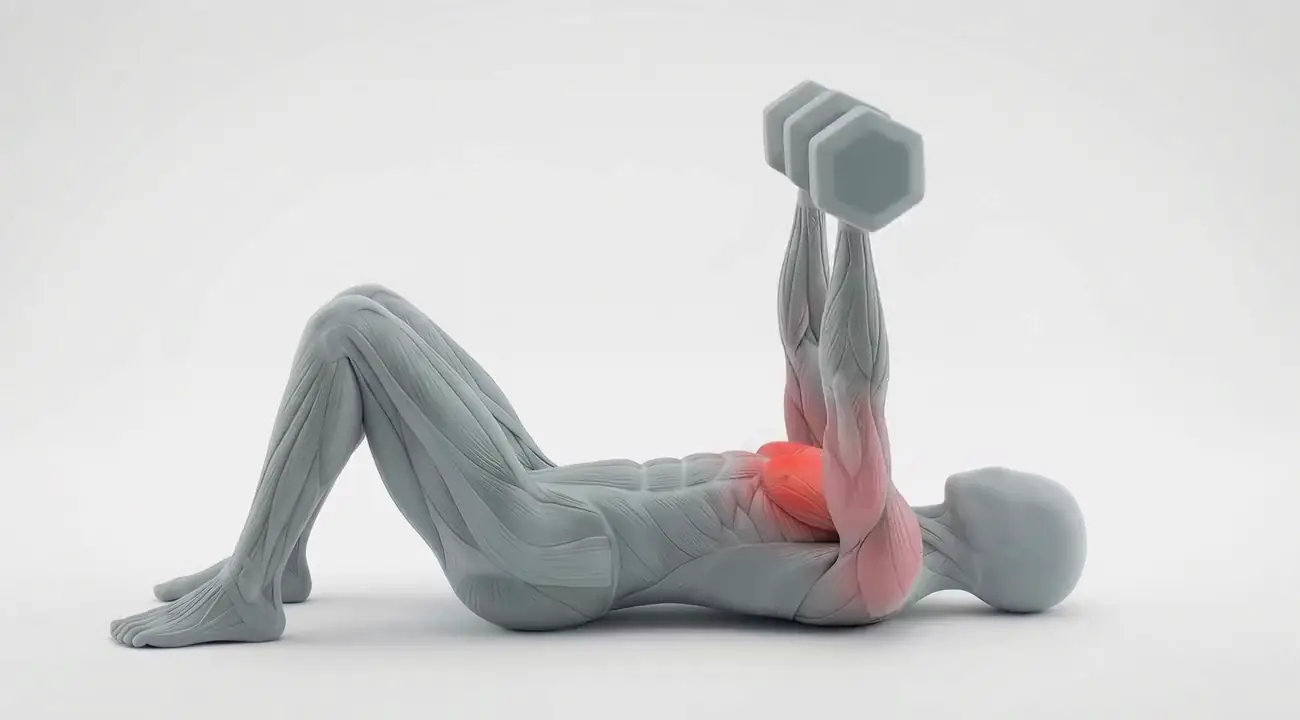
The floor press is a horizontal press performed lying on the ground rather than a bench. The floor stops the upper arms partway down, which removes the deepest and most demanding part of the shoulder range. That shortened path shifts a larger share of the work onto the triceps while the chest still drives the press, and it makes the movement workable for lifters who find full-depth benching uncomfortable. Leg drive is unavailable because the hips stay flat, so the upper body produces the lift on its own.
How to do the Floor Press
- Sit on the floor with a dumbbell resting on each thigh and your legs extended.
- Rock back onto your shoulders while bringing the dumbbells to your chest.
- Bend your knees so your feet sit flat on the floor and your lower back stays down.
- Press both dumbbells up over your chest until the arms are almost straight.
- Lower under control until the back of your upper arms touches the floor and pause.
- Press back up without bouncing and repeat for the prescribed reps.
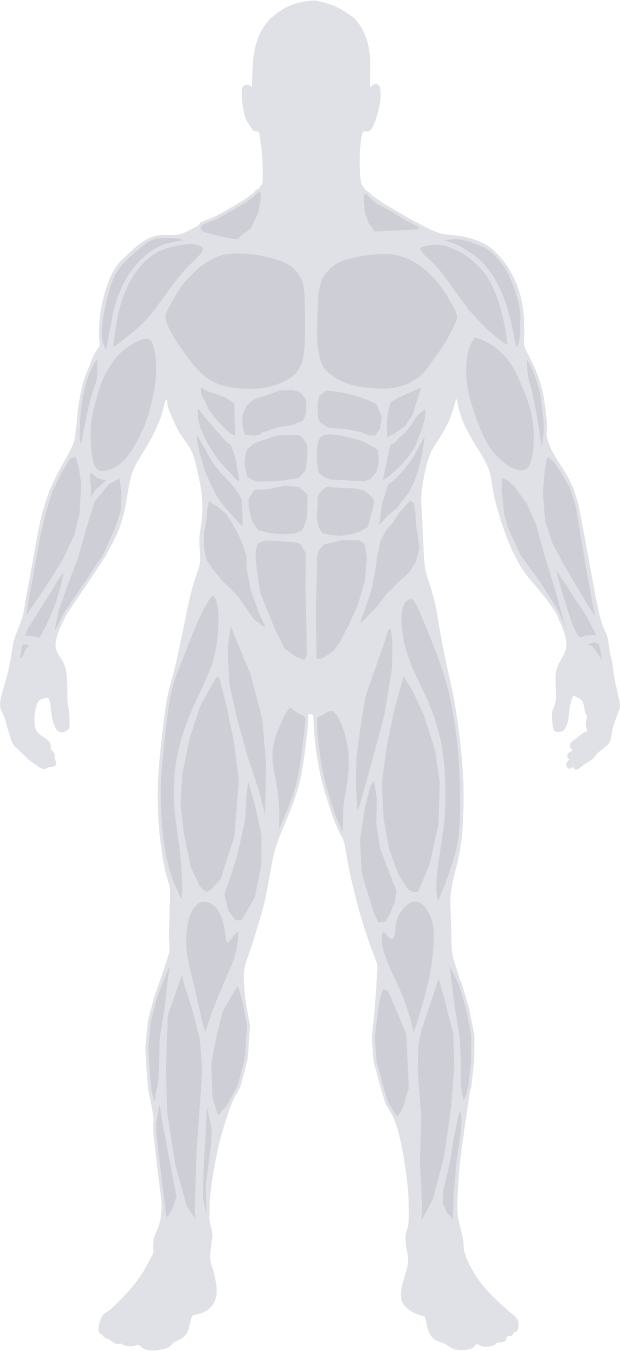
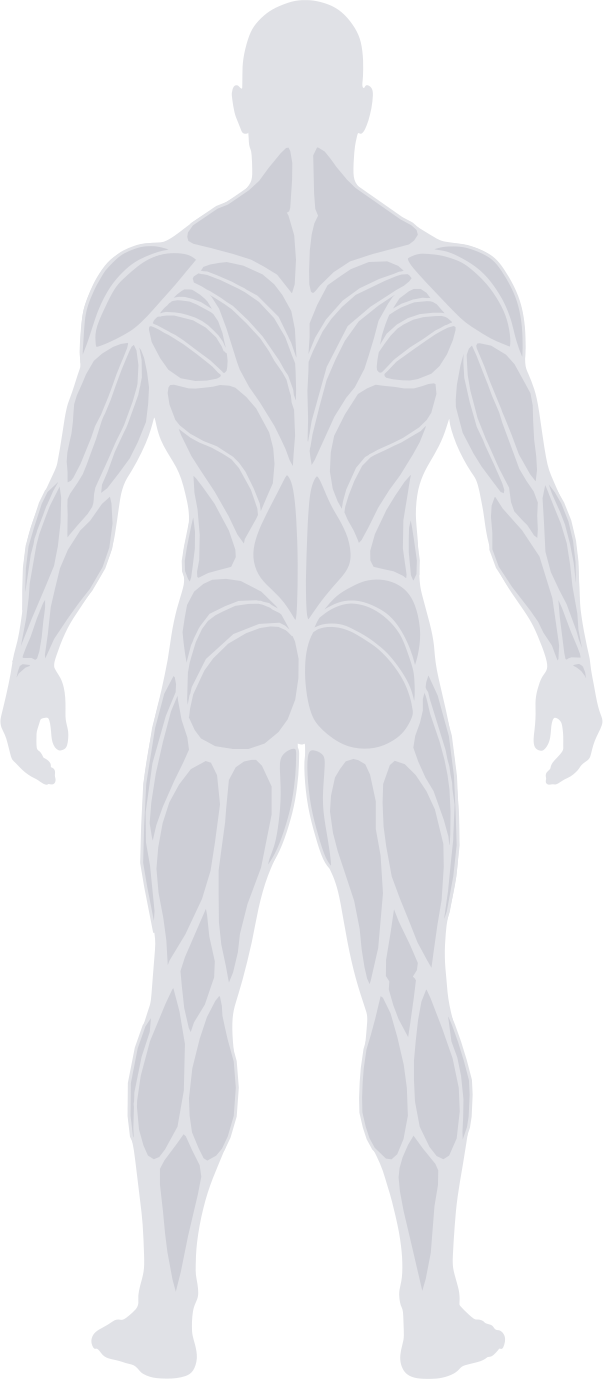
Muscles worked
- Secondary:
- Shoulders
Why train it
- Shortens the pressing range, which suits lifters with shoulder discomfort at full depth.
- Loads the triceps heavily while still training the chest through the available range.
- Needs only dumbbells and floor space, so it works in home and hotel gym settings.
Common mistakes
- Bouncing the elbows off the floor, which loses tension and loads the elbow joint sharply.
- Clashing the dumbbells together at the top, which destabilizes the shoulders under load.
- Locking the elbows out hard each rep, which hands the work from the muscles to the joints.
- Arching the lower back off the floor, which shortens the range and shifts load to the spine.
Frequently asked questions
Is the floor press as good as the bench press?
For the triceps and lockout strength it is excellent, but it works the chest through a shorter range. The floor stops your elbows before your chest is fully stretched, and that stretch matters for chest growth. Use the floor press alongside the bench press, or as a substitute when you have no bench or your shoulders are sore.
Does the floor press help your bench press?
Yes, especially if you fail near the top of the press. The floor press takes away leg drive and the stretch at the bottom, so your triceps and chest have to do all the pressing from a dead stop. Powerlifters use it to build lockout strength.
Is the floor press easier on the shoulders?
Yes, for many people. The floor stops your elbows just below your body, which keeps the shoulder out of the deep stretched position that bothers sore shoulders. That makes it a common choice for training around a shoulder that does not like the bench press.
Should your legs be straight or bent on a floor press?
Either is fine. Bent knees with your feet flat are more stable and comfortable on the lower back. Straight legs take all leg drive out of the lift, so the upper body does all the work. Pick one and keep it the same so you can compare your sessions.
What muscles does the Floor Press work?
The Floor Press trains the chest and triceps as the main targets. Expect the shoulders to take some of the load as well.
What equipment do I need for the Floor Press?
The Floor Press needs a pair of dumbbells. Nothing beyond that is required to run the movement the way it is described above.
Is the Floor Press suitable for beginners?
Yes. The Floor Press is rated beginner: the pattern is quick to pick up and forgiving when a rep drifts. Start light and add weight once the form repeats itself without you thinking about it.
Can I do the Floor Press at home?
Yes, if you own a pair of dumbbells. That is the whole requirement, and it is the reason this one travels well between a home setup and a gym floor.
How many sets and reps of the Floor Press should I do?
Three to five sets of 6 to 12 reps. Sit at the lower end with heavier weight when you are chasing strength, and at the upper end when you are chasing size.
What are good alternatives to the Floor Press?
Bench Dips, Cable Bench Press, and Decline Machine Chest Press train the same primary muscles as the Floor Press. Pick whichever one suits the equipment in front of you.
Work out your Floor Press weights
Estimate your max from a recent set, then find the weight for your next one.
- One Rep Max CalculatorTurn a recent set into an estimated max. Compare Epley, Brzycki and Lombardi, then read off your training percentages and every rep max from 2RM to 12RM.
- RPE CalculatorRate a set by effort, get an estimated max, and read off the weight for your next target. Includes a full RPE chart of percentages by reps and effort.
Similar exercises
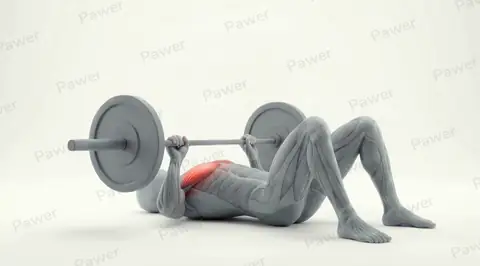 Barbell Floor PressBarbell
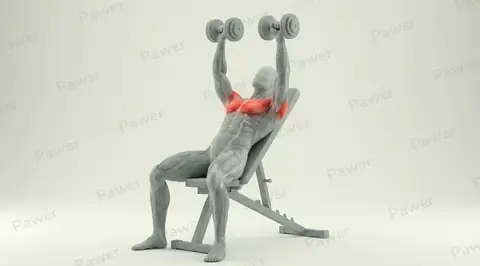 Dumbbell Incline Bench PressDumbbell
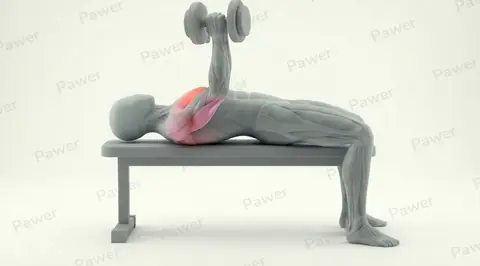 Neutral-Grip Dumbbell Bench PressDumbbell
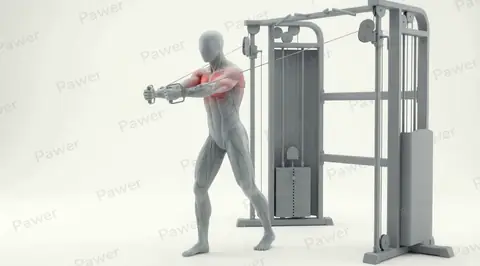 Cable Chest PressCable
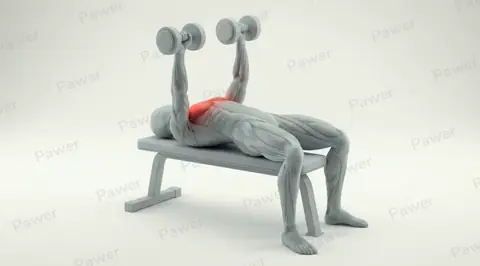 Dumbbell Bench PressDumbbell
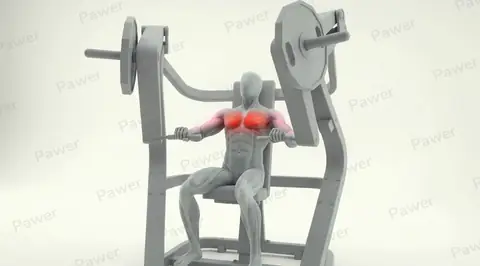 Decline Machine Chest PressMachine
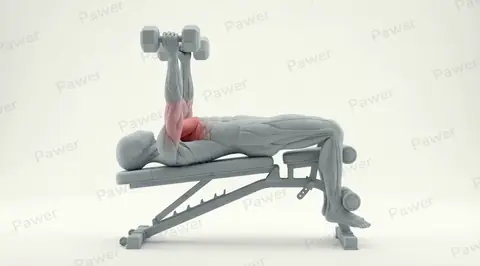 Dumbbell Decline Bench PressDumbbell
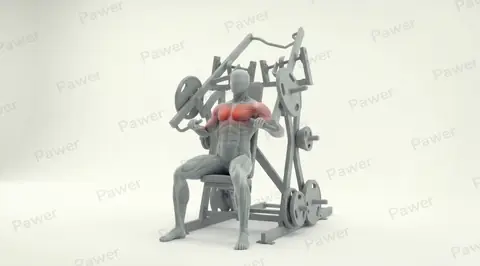 Incline Machine Chest PressMachine
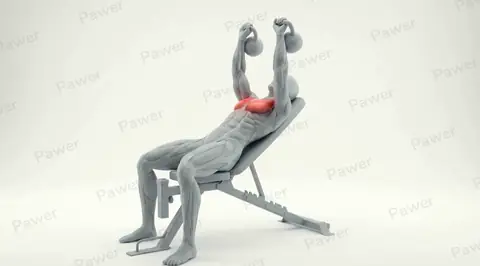 Kettlebell Incline Bench PressKettlebell
 Smith Machine Bench PressMachine
By muscle
Every exercise is mapped to the muscles it trains. Browse by what you want to build.
By equipment
A full gym, a pair of dumbbells, or nothing at all: browse by what you have.