Trap Exercises
 Anton YefanovUpdated
The best trap exercises are the dumbbell shrug, the barbell shrug, the cable 30 degree shrug and the chest-supported dumbbell row. Shrugs build the upper traps that fill in the line from neck to shoulder, while rows train the middle and lower fibers that hold your shoulder blades back and down. A complete traps workout needs both.
The trapezius is a large, kite-shaped muscle that runs from the base of your skull down to the middle of your spine and out to each shoulder blade. It lifts, squeezes and rotates the shoulder blades, which is why it works hard in deadlifts, rows, carries and overhead pressing, not only in shrugs.
Below you will find a ranked shortlist, a breakdown of which exercises for your traps hit which region, a comparison table, sets and reps by goal, three sample workouts and the mistakes that keep traps from growing. Every exercise links to its own page with a video and step-by-step instructions.
Best Trap Exercises
These are the trap exercises worth building a program around, chosen to cover the upper, middle and lower traps across gym and home setups.
No. 1Best Overall
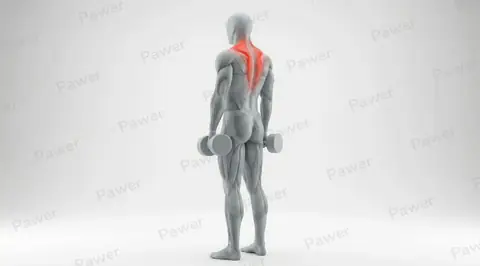
Dumbbell Shrug
Dumbbells hang at your sides, so your hands can travel straight up along the line the upper traps pull without a bar bumping your thighs. It is easy to learn, works with any set of dumbbells, and lets you pause hard at the top. If you only do one shrug, make it this one.
No. 2Best for Heavy Loading
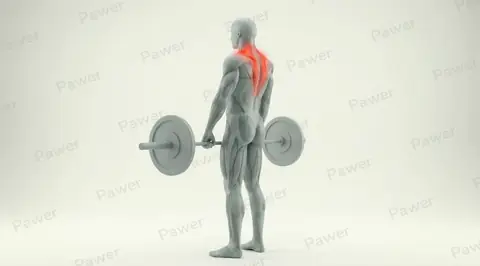
Barbell Shrug
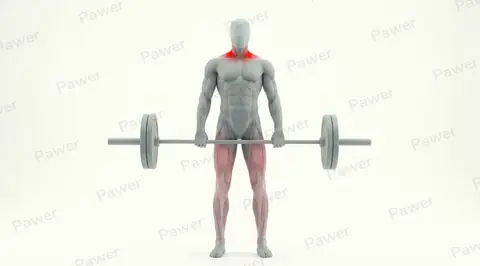
The barbell lets you load the upper traps heavier than any dumbbell rack allows, and small plates make progress easy to track. It suits lifters who already pull heavy and want trap size to match. Use straps once grip becomes the limit.
No. 3Best Neutral-Grip Shrug
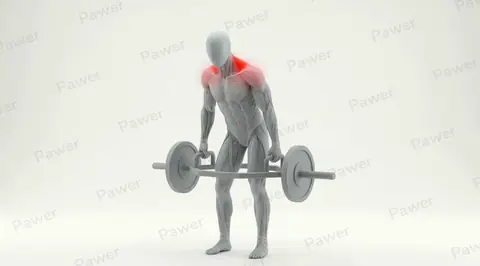
Trap Bar Shrug
The trap bar puts the load in line with your body and your palms facing in, combining the heavy loading of a barbell with the natural hand position of dumbbells. Many lifters find it the most comfortable way to shrug heavy.
No. 4Best Isolation
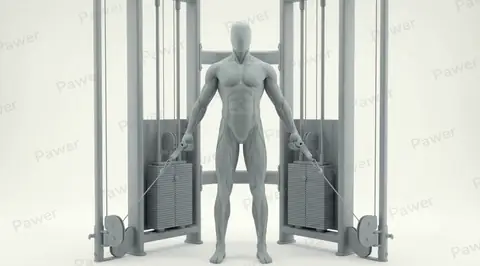
Cable 30 Degree Shrug
Setting the cable at an angle lines the resistance up with the upward and inward direction of the upper trap fibers, and the cable keeps tension on at the bottom where free weights go slack. It is the best choice for a controlled, high-rep finisher.
No. 5Best for Mid Traps
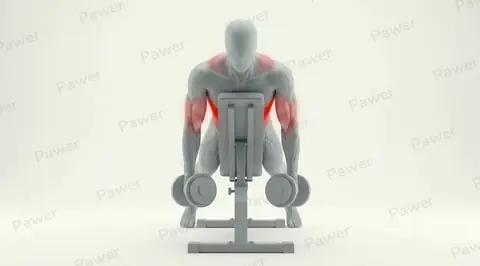
Chest-Supported Dumbbell Row
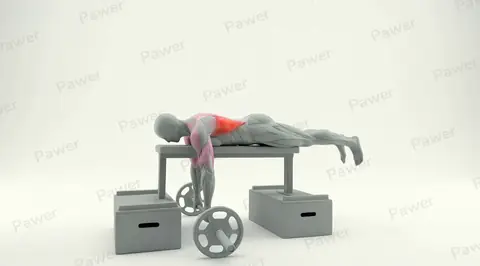
Lying on an incline bench removes the hip hinge and any body swing, so you can finish every rep by squeezing your shoulder blades together. That end position is exactly what the middle traps do, and the lower back stays unloaded.
No. 6Best Trap Machine
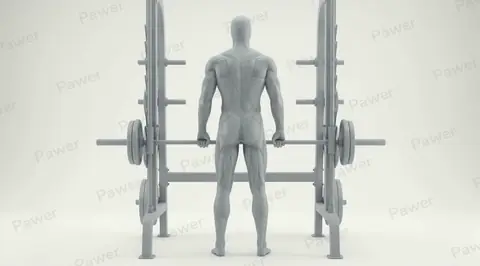
Smith Machine Standing Shrugs
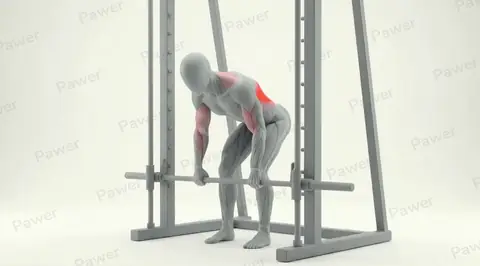
The guided bar path means you can go heavy without worrying about balance, and you can rack the bar at any point by turning your wrists. It is a good option for beginners and for anyone training traps on a machine-heavy gym floor.
No. 7Best for Power
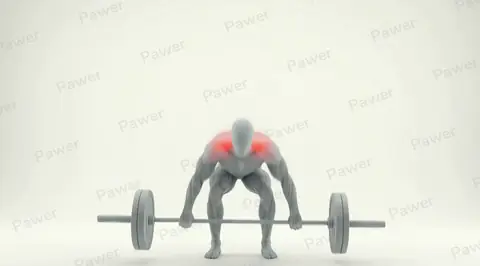
Snatch-Grip High Pull
This wide-grip pull finishes with a violent shrug and the elbows driven high, training the traps to produce force fast alongside the hips and legs. It suits athletes and intermediate lifters who already own a solid deadlift position.
No. 8Best Minimal Equipment
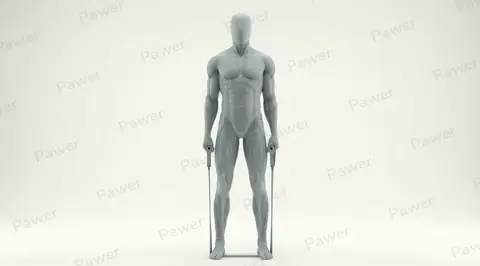
Band Shrug
Standing on a band and shrugging gives the upper traps real work with nothing but a loop of rubber. Tension rises toward the top, which rewards a hard squeeze. It is ideal for travel, home sessions and high-rep warmups.
Trap anatomy: upper, middle and lower traps
Each region of the trapezius runs in a different direction, so each one has a different job. The upper fibers angle up toward the neck and lift the shoulder blades. The middle fibers run horizontally to the spine and pull the shoulder blades together. The lower fibers angle down toward the mid-back and pull the shoulder blades down. Upper and lower fibers also work together to rotate the shoulder blades upward every time you lift your arms overhead.
That is why shrugs alone leave gaps. Shrugs train elevation, which is mainly upper trap work. Rows where you finish with the shoulder blades squeezed together train the middle traps, and pulls that drive the elbows down, plus overhead pressing, bring in the lower traps. Heavy pulls from the floor load the whole muscle as it holds your shoulder blades in place.
| Part | What it does | Best exercises |
|---|---|---|
| Upper traps | Elevates the shoulder blades (shrugging), helps rotate them upward, extends and tilts the neck | Dumbbell Shrug, Barbell Shrug, Cable 30 Degree Shrug, Neck Extension |
| Middle traps | Pulls the shoulder blades together (retraction) | Chest-Supported Dumbbell Row, Wide-Grip Seated Cable Row, Seal Row, Inverted Row |
| Lower traps | Pulls the shoulder blades down and helps rotate them upward when the arms go overhead | Hammer Strength High Row, Cable Rope Face Pulls, Barbell Overhead Press |
| Whole trapezius | Holds the shoulder blades in place under heavy load | Barbell Deadlift, Barbell Rack Pull, Snatch Pull, Kettlebell Farmers Carry |
The best trap exercises compared
Choose your main shrug by what you have and what feels best on your shoulders: dumbbells for the most natural path, a barbell or trap bar for the heaviest loads, a cable or Smith machine for control. Then add one row that ends with a full squeeze of the shoulder blades, because that covers the middle traps that shrugs miss.
Heavier pulls such as rack pulls and high pulls are best treated as strength or power work that also builds the traps, not as a replacement for direct shrugging. If you already deadlift and row each week, a few hard sets of shrugs on top is often all your upper traps need.
| Exercise | Equipment | Difficulty | Best for | Region emphasis |
|---|---|---|---|---|
| Dumbbell Shrug | Dumbbells | Beginner | Natural path, any gym or home | Upper traps |
| Barbell Shrug | Barbell | Beginner | Heaviest loading | Upper traps |
| Trap Bar Shrug | Trap bar | Beginner | Heavy loads with a neutral grip | Upper traps |
| Cable 30 Degree Shrug | Cable | Beginner | Constant tension, high reps | Upper traps |
| Smith Machine Standing Shrugs | Smith machine | Beginner | Stable heavy sets | Upper traps |
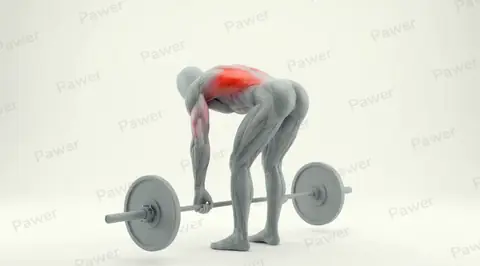
| Barbell Rack Pull | Barbell | Beginner | Heavy holds and overall back thickness | Whole trapezius |
| Snatch-Grip High Pull | Barbell | Intermediate | Explosive power | Upper traps |
| Chest-Supported Dumbbell Row | Dumbbells and bench | Beginner | Strict rows with no lower back load | Middle traps |
| Wide-Grip Seated Cable Row | Cable | Beginner | Upper back with elbows flared | Middle traps |
| Inverted Row | Bodyweight | Beginner | Training without weights | Middle traps |
All 30 Trap Exercises
All 30 trap exercises in the library, grouped by difficulty. Each one has a video, step-by-step form and the muscles it works.
Beginner Trap Exercises20
- Band ShrugResistance band
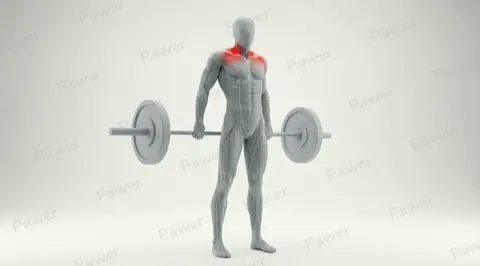 Barbell Behind The Back 30 Degree ShrugBarbell
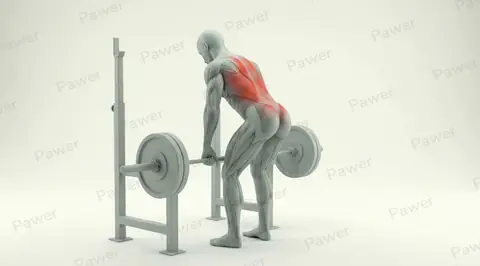 Barbell Rack PullBarbell
- Barbell ShrugBarbell
- Cable 30 Degree ShrugCable
- Chest-Supported Dumbbell RowDumbbell
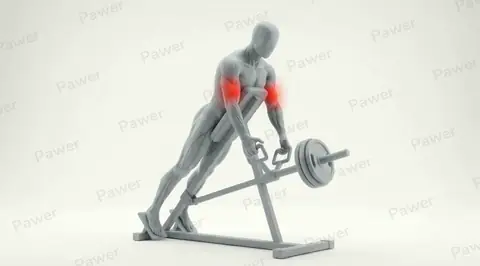 Chest-Supported T-Bar RowMachine
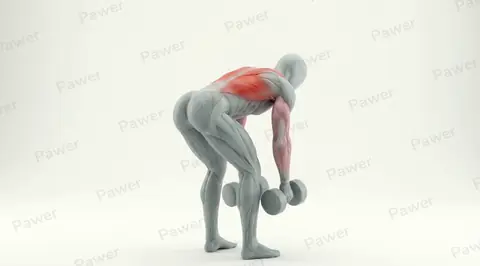 Dumbbell Row BilateralDumbbell
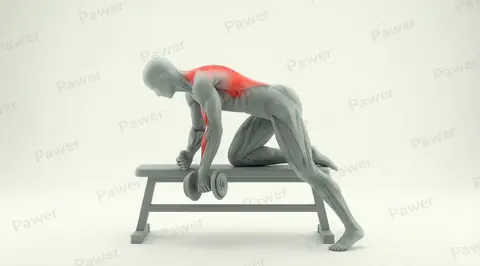 Dumbbell Row UnilateralDumbbell
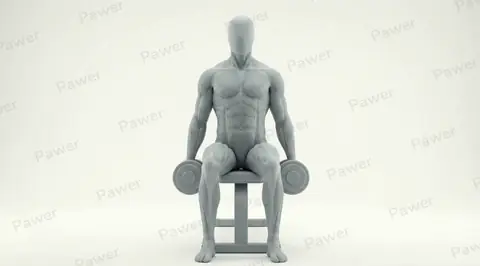 Dumbbell Seated ShrugDumbbell
- Dumbbell ShrugDumbbell
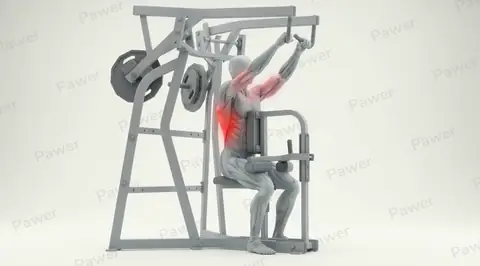 Hammer Strength High RowMachine
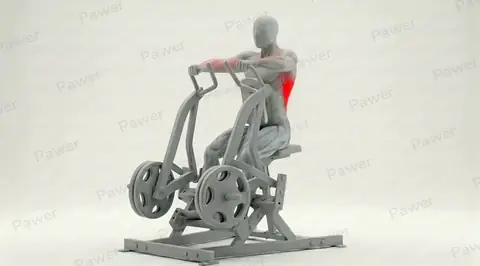 Hammer Strength Iso-Lateral RowMachine
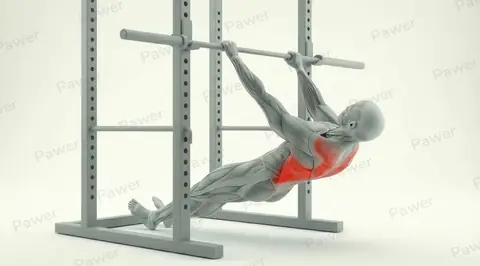 Inverted RowBodyweight
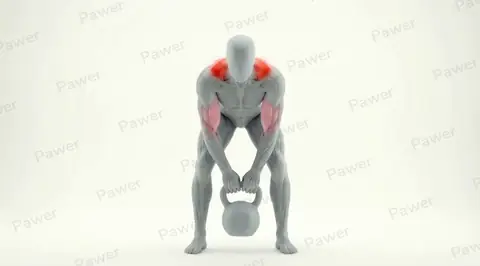 Kettlebell Row (Single)Kettlebell
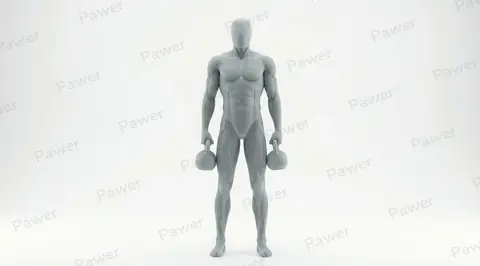 Kettlebell ShrugKettlebell
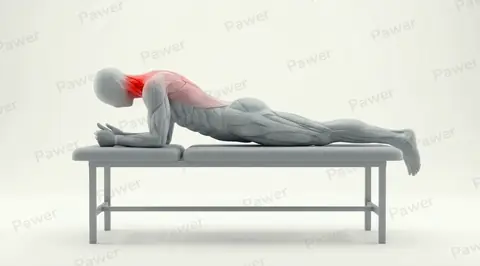 Neck ExtensionBodyweight
- Smith Machine Standing ShrugsMachine
- Trap Bar ShrugBarbell
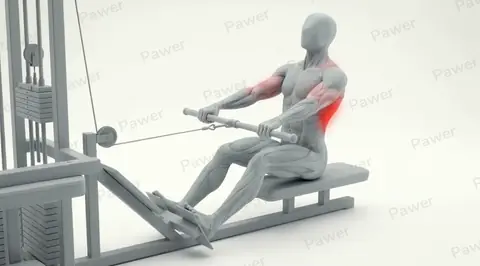 Wide-Grip Seated Cable RowCable
Intermediate Trap Exercises9
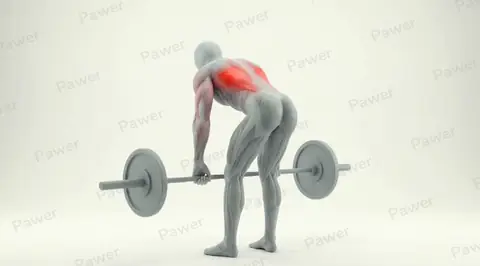
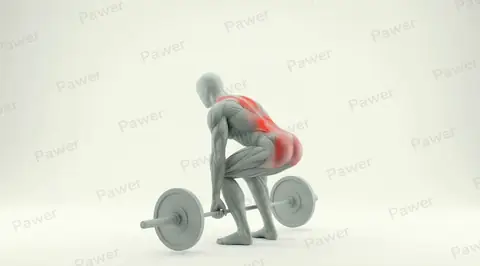
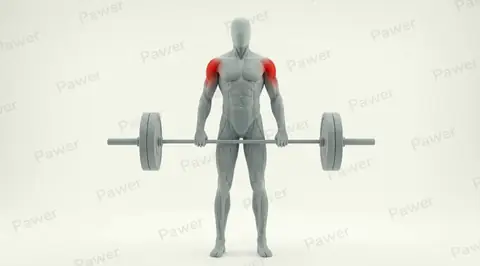
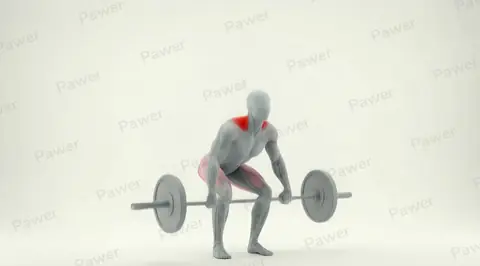
Advanced Trap Exercises1
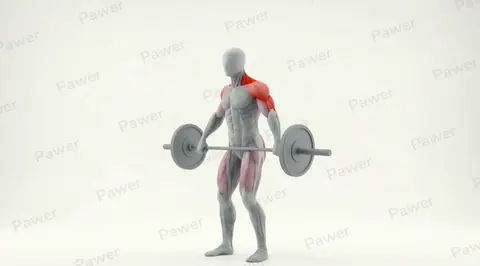
How to train your traps: sets, reps and frequency
Traps respond well to moderate and high reps with a deliberate hold at the top. For muscle growth, most shrugs work best in the 8 to 15 rep range, and higher reps up to 20 suit cables and bands. Pause for one to two seconds at the top of every shrug and lower under control; a fast bounce turns the set into momentum.
Count the work your traps already get. Deadlifts, rows and carries all train them, so most lifters do well with roughly 6 to 12 direct sets per week on top of that, landing within the usual 10 to 20 hard sets per muscle per week. Split it across two or three sessions, since traps recover quickly. Progress by adding reps until you hit the top of your range with a full pause, then add weight and start again at the bottom.
| Goal | Sets | Reps | Rest | Frequency |
|---|---|---|---|---|
| Muscle size | 3 to 4 per exercise | 8 to 15 (up to 20 on cables) | 60 to 120 seconds | 2 to 3 times per week |
| Strength | 3 to 5 | 5 to 8 | 2 to 3 minutes | 2 times per week |
| Power | 3 to 5 | 2 to 5 explosive reps | 2 to 3 minutes | 1 to 2 times per week |
| Beginner | 2 to 3 | 10 to 15 | 60 to 90 seconds | 2 times per week |
| Posture and endurance | 2 to 3 | 12 to 20 | 45 to 60 seconds | 2 to 3 times per week |
Sample trap workouts for the gym and home
Each workout can stand alone or be added to the end of a pull or back day. If you add it to a day that already includes heavy deadlifts or rows, drop the row and keep the shrugs. Log your weights and reps each session so you know when it is time to go heavier; Pawer tracks this for you if you want a record.
| Workout | Exercise | Sets | Reps | Rest |
|---|---|---|---|---|
| Gym workout | Barbell Shrug | 4 | 8 to 12 | 90 seconds |
| Gym workout | Chest-Supported T-Bar Row | 3 | 8 to 12 | 90 seconds |
| Gym workout | Cable 30 Degree Shrug | 3 | 12 to 15 | 60 seconds |
| Gym workout | Cable Rope Face Pulls | 3 | 12 to 15 | 60 seconds |
| Home workout | Dumbbell Shrug | 4 | 10 to 15 | 60 seconds |
| Home workout | Dumbbell Row Bilateral | 3 | 10 to 12 | 90 seconds |
| Home workout | Inverted Row | 3 | 8 to 15 | 90 seconds |
| Home workout | Band Shrug | 2 | 15 to 20 | 45 seconds |
| Beginner workout | Smith Machine Standing Shrugs | 3 | 10 to 15 | 90 seconds |
| Beginner workout | Chest-Supported Dumbbell Row | 3 | 10 to 12 | 90 seconds |
| Beginner workout | Kettlebell Farmers Carry | 3 | 30 to 40 meters | 90 seconds |
Common trap training mistakes
Most stalled traps come down to range, balance and recovery rather than a missing exercise. These are the errors that come up most often.
- Rolling the shoulders in circles at the top of a shrug. The traps lift the shoulder blades straight up, so rolling adds nothing but stress on the joint; shrug up toward your ears and lower straight down.
- Loading so heavy the range shrinks to a twitch. If your shoulders barely move, the weight is too heavy. Lift your shoulders as high as they will go, pause, and accept a lighter weight to get there.
- Training only the upper traps. Shrugs ignore the middle and lower fibers that pull the shoulder blades back and down. Add a row with a full squeeze or a face pull every week.
- Letting grip end the set. Shrugs and rack pulls often fail at the hands before the traps are tired. Use lifting straps on your heaviest sets and train grip separately.
- Pushing the head forward and craning the neck. Jutting the chin shifts the work and strains the neck. Keep your head neutral, eyes forward and chest tall throughout the rep.
- Piling on direct volume without counting heavy pulling. If you deadlift, row and carry hard, your traps are already busy. Start with a few direct sets and add more only if they keep recovering well.
How to work your traps at home
You do not need a barbell to build your traps. A pair of dumbbells covers the essentials: the dumbbell shrug or the dumbbell seated shrug for the upper traps, and the bilateral or single-arm dumbbell row for the middle traps. Kettlebells work the same way through the kettlebell shrug and the single kettlebell row.
With no weights at all, a resistance band handles shrugs, and a sturdy bar set around hip height lets you do inverted rows, which train the middle traps with your bodyweight. Loaded carries are an underrated option too: walking with heavy weights in your hands makes the traps work hard just to keep your shoulders from being pulled down.
| Equipment | Upper traps | Middle traps |
|---|---|---|
| Dumbbells | Dumbbell Shrug, Dumbbell Seated Shrug | Dumbbell Row Unilateral, Dumbbell Row Bilateral |
| Kettlebells | Kettlebell Shrug, Kettlebell Farmers Carry | Kettlebell Row (Single) |
| Band or bodyweight | Band Shrug, Neck Extension | Inverted Row |
Frequently asked questions
What is the best exercise for traps?
The dumbbell shrug is the best single exercise for most people because it lets the upper traps work through their natural path with a full range and a hard pause at the top. It is not complete on its own, though. Pair it with a row that ends with the shoulder blades squeezed together so the middle and lower traps get trained as well.
How often should I train traps?
Two to three times per week works well for most lifters. Traps recover quickly and already work during deadlifts, rows and carries, so spreading a modest amount of direct work over several sessions tends to beat one long trap day. A few sets of shrugs at the end of two or three workouts is a simple way to do it.
Can you build traps without shrugs?
Yes, to a point. Heavy deadlifts, rack pulls, high pulls, carries and rows all build the traps, and many strong lifters have thick traps without much shrugging. Shrugs are still the most direct way to load the upper traps through their full range, so if upper trap size is your goal, they are the fastest route.
Do deadlifts work your traps?
Yes. During a deadlift the traps contract hard to keep your shoulder blades from being pulled forward and down by the bar. The work is mostly isometric, which builds strength and thickness, but the muscle does not move through its range. That is why lifters who deadlift heavy still benefit from adding shrugs and rows.
Should you roll your shoulders when you shrug?
No. The upper traps lift the shoulder blades straight up, so rolling forward or backward at the top adds no extra trap work and puts the shoulder joint under load at awkward angles. Shrug straight up toward your ears, pause, and lower straight down.
Is there a machine for traps?
Several machines work well. The Smith machine shrug lets you load the upper traps heavily on a fixed path, and a cable stack set low gives you constant tension for angled shrugs. Plate-loaded high rows and chest-supported T-bar rows cover the middle and lower traps. Some gyms also have a dedicated shrug machine, which works much like a trap bar.
Traps exercises by equipment
Narrow the list to what you actually have to train with.