Smith Machine Bent-Over Row
 Anton YefanovUpdated
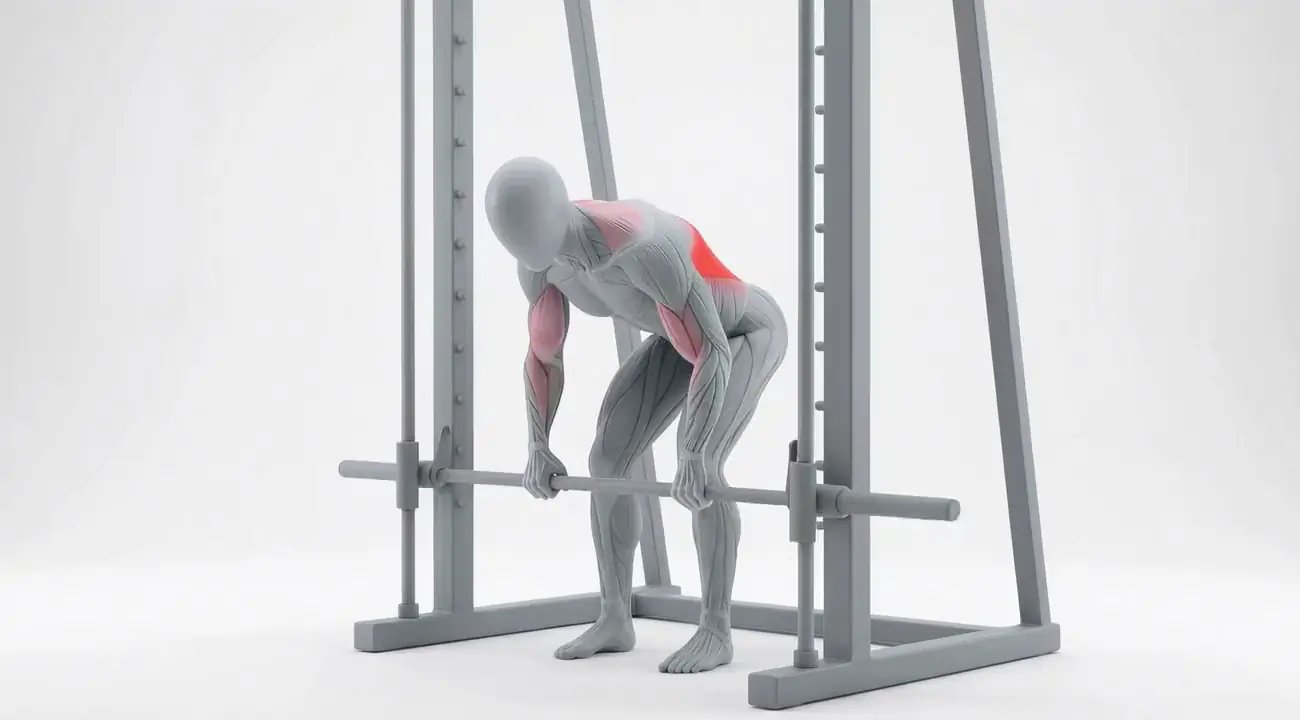
The Smith machine bent-over row keeps the barbell on rails, so the bar path is decided for you and the work goes into pulling rather than balancing. You hold a hip hinge with a flat back and row the bar to the lower ribs, which loads the upper back and lats with the biceps and rear deltoids assisting. The hinge itself is not free: the lumbar erectors and abs hold the trunk against the load, and free bent-over rowing was measured as the highest lumbar spine load among common rowing variations, so back position stays the limiting factor even on a machine.
How to do the Smith Machine Bent-Over Row
- Set the Smith machine bar to the lowest catch height and load it.
- Face the bar and take an overhand grip a little wider than your shoulders.
- Unlock the bar, push your hips back with soft knees, and set a flat back.
- Let the bar hang just below your knees, then pull it up to your lower ribs.
- Squeeze your shoulder blades together at the top and keep the torso still.
- Lower the bar along the rails to straight arms and repeat.
Muscles worked


Why train it
- Fixed bar path removes the balance task and keeps rowing lines consistent.
- Trains upper back and lats together in one loaded horizontal pull.
- Easy to load in small steps for progression on machine-only floors.
Common mistakes
- Standing up as you row, which shortens the range and moves the lift to the hips.
- Letting the lower back round under load, which concentrates stress on the lumbar spine.
- Bouncing the bar at the bottom, which replaces back tension with momentum.
- Pulling high to the chest with flared elbows, which drops the lats out of the movement.
Frequently asked questions
What muscles does the Smith Machine Bent-Over Row work?
The Smith Machine Bent-Over Row trains the back and traps as the main targets. Expect the biceps, shoulders, and core to take some of the load as well.
What equipment do I need for the Smith Machine Bent-Over Row?
Only a machine. Nothing beyond that is required to run the movement the way it is described above.
Is the Smith Machine Bent-Over Row suitable for beginners?
With some training behind you. The Smith Machine Bent-Over Row is rated intermediate, which means the setup matters as much as the effort. It is a reasonable first month goal rather than a first session one, and the alternatives below are the easier way in.
Can I do the Smith Machine Bent-Over Row at home?
Only if your home setup runs to a machine. Most do not, so this is usually a gym movement. The alternatives below cover the same muscles with kit you are more likely to have.
How many sets and reps of the Smith Machine Bent-Over Row should I do?
Three to five sets of 6 to 12 reps. Pulling responds well to a full stretch at the top, so pick a load you can control all the way out rather than one you have to heave.
What are good alternatives to the Smith Machine Bent-Over Row?
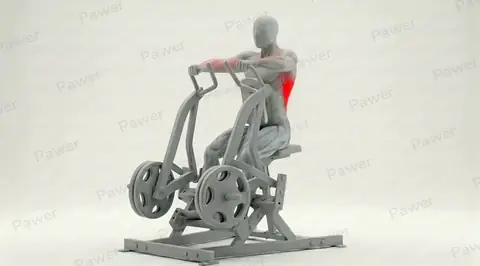
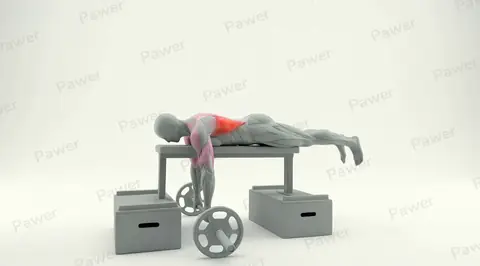
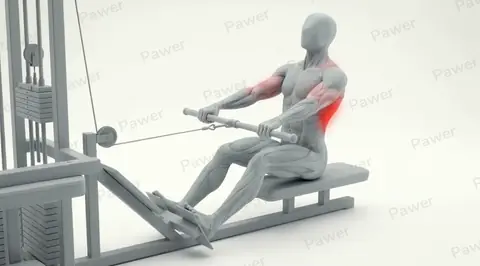
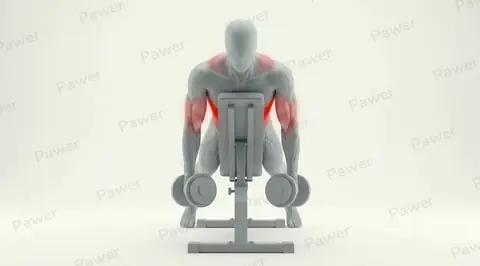
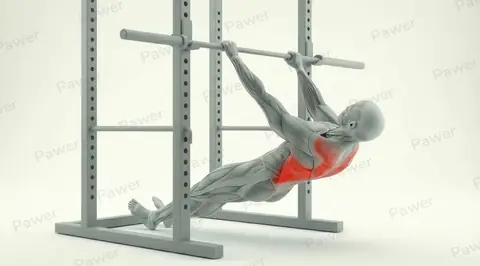
Barbell Bent Over Row - Overhand, Chest-Supported Dumbbell Row, and Inverted Row train the same primary muscles as the Smith Machine Bent-Over Row. Pick whichever one suits the equipment in front of you.
Work out your Smith Machine Bent-Over Row weights
Estimate your max from a recent set, then find the weight for your next one.
- One Rep Max CalculatorTurn a recent set into an estimated max. Compare Epley, Brzycki and Lombardi, then read off your training percentages and every rep max from 2RM to 12RM.
- RPE CalculatorRate a set by effort, get an estimated max, and read off the weight for your next target. Includes a full RPE chart of percentages by reps and effort.
Similar exercises

By muscle
Every exercise is mapped to the muscles it trains. Browse by what you want to build.
By equipment
A full gym, a pair of dumbbells, or nothing at all: browse by what you have.