Barbell Exercises
 Anton YefanovUpdated
The best barbell exercises are the barbell squat, the deadlift, the bench press, the overhead press and the barbell row. These five compound lifts build more total-body strength than any other set of movements, and almost every established strength program is built around them.
The barbell's advantage is load. Both hands share one bar, the weight sits balanced across your body, and plates let you add as little as a few pounds at a time, so you can lift heavier and progress more precisely than with any other free weight. Its weaknesses are just as clear: it needs a rack and space, the big lifts take practice to learn, and it cannot isolate smaller muscles like the side delts.
This page covers the barbell exercises to prioritize, the best barbell lifts for each muscle, how barbells compare with other equipment, how to start safely, and how to program sets and reps. It finishes with sample barbell workouts for beginners and intermediate lifters.
Best Barbell Exercises
These eight lifts cover every major muscle group and form the core of nearly every barbell program. Most lifters should learn the first five before anything else.
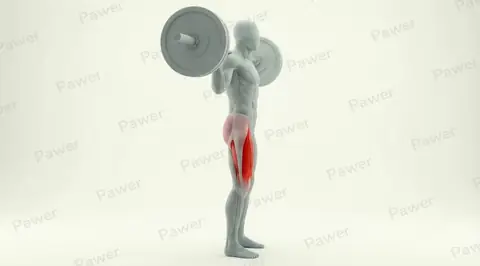
No. 1Best Overall
Barbell Squat
The back squat loads the quads and glutes more heavily than any other leg exercise, and it improves the bracing and trunk strength that every other heavy lift depends on. It is the benchmark of lower-body strength for good reason. Learn it in a rack with the safety arms set, and add weight in small steps.
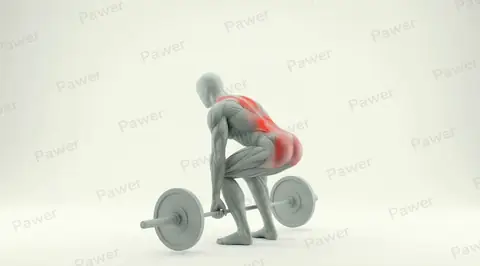
No. 2Best for Total Strength
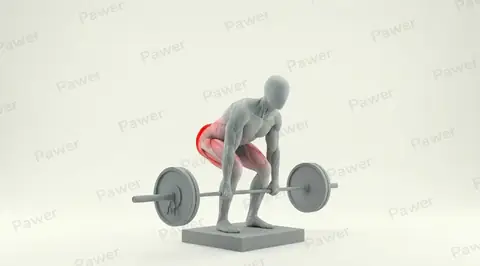
Barbell Deadlift
Nothing lets you pick up more weight. The deadlift trains the whole back of the body at once, from your grip and traps down through the glutes and hamstrings, while the core works to hold your spine in position. A few heavy sets a week go a long way, since it is demanding to recover from.
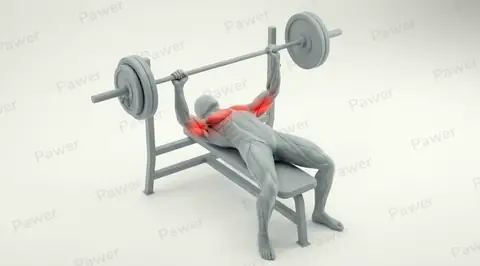
No. 3Best for Chest
Barbell Bench Press
The bench press is the heaviest way to train the chest, with the triceps and front shoulders helping. Its fixed bar lets you load it heavier than a pair of dumbbells, which makes it the standard upper-body strength lift. Always bench inside a rack with safeties or with a spotter.
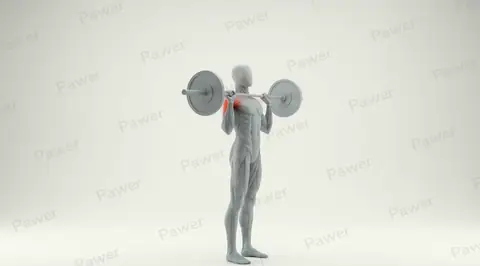
No. 4Best for Shoulders
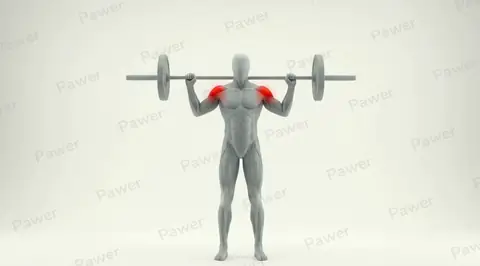
Barbell Overhead Press
Pressing a bar from your shoulders to lockout while standing builds the shoulders and triceps and demands a hard brace from the glutes and trunk. It moves less weight than the bench press, so progress comes in small jumps. It is the best single test of upper-body pressing strength without a bench.
No. 5Best for Back
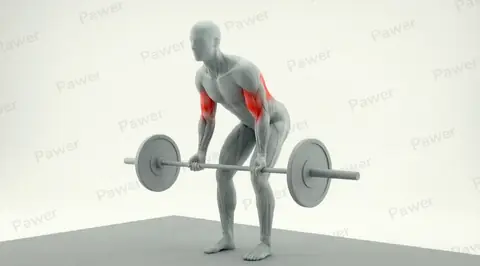
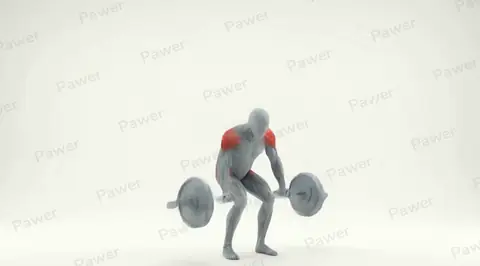
Barbell Bent Over Row
Rowing from a hinged position builds the lats, mid back and biceps, and holding that position strengthens the hips and lower back as well. It balances all the pressing in a barbell program. Keep your torso angle steady instead of standing up as the set gets hard.
No. 6Best for Beginners
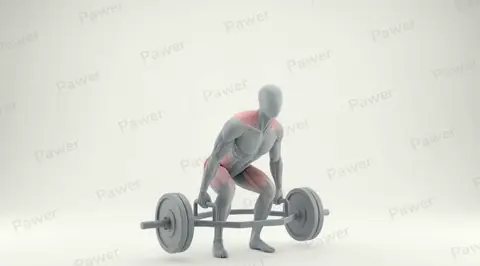
Trap Bar Deadlift
Standing inside a hexagonal bar keeps the weight in line with your body, and the raised neutral handles make the starting position easier to reach. The result is a deadlift that is simpler to learn and loads the quads more than the straight-bar version, alongside the glutes and hamstrings. Many coaches start new lifters here.
No. 7Best for Hamstrings
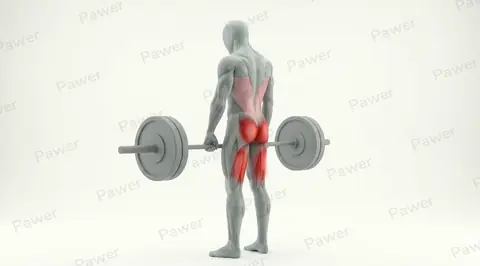
Barbell Romanian Deadlift
Lowering the bar along your thighs with the knees barely bent stretches the hamstrings under load, which makes the Romanian deadlift one of the best hamstring builders there is. It also teaches the hip hinge that the deadlift and row rely on. Lower only as far as your back stays flat.
No. 8Best for Glutes
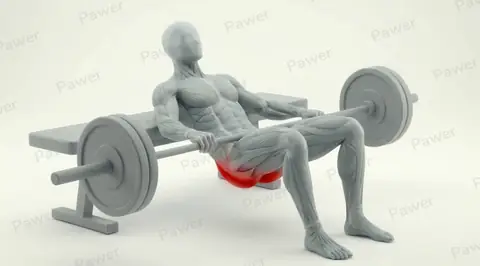
Barbell Hip Thrust
With your upper back on a bench and the bar across your hips, the glutes drive you into full hip extension against a heavy load. It trains the glutes hardest at the top, where squats and deadlifts are easiest, so it complements them well. Use a bar pad for comfort.
The best barbell exercises for each muscle group
A barbell trains the big muscle groups better than anything else, because those muscles can handle heavy loads. The table lists the best barbell options for each one.
The muscles a barbell misses are the ones that need light, precise isolation: the side and rear delts and the calves. There is also no barbell version of a vertical pull. Most programs fill those gaps with dumbbells, cables or pull-ups after the main barbell lifts.
| Muscle | Best exercises | Why |
|---|---|---|
| Quads | Barbell Squat, Front Squat, Barbell Split Squat | Heavy squatting is the most direct way to build quad strength; the front squat shifts even more work to the quads |
| Glutes | Barbell Hip Thrust, Barbell Split Squat | Heavy hip extension with the glutes as the main driver |
| Hamstrings | Barbell Romanian Deadlift, Barbell Stiff Leg Deadlifts | Hinging with straighter knees loads the hamstrings through a long stretch |
| Back | Barbell Bent Over Row, Pendlay Row, Seal Row, Meadows Row | Rows let you load the lats and mid back heavily; the seal row removes the lower back entirely |
| Traps | Barbell Shrug, Barbell Deadlift, Trap Bar Shrug | Holding very heavy loads works the traps hard, and shrugs isolate them |
| Chest | Barbell Bench Press, Barbell Incline Bench Press | The heaviest chest presses; the incline shifts work toward the upper chest |
| Shoulders | Barbell Overhead Press, Landmine Press | Strict overhead strength, plus a landmine option for shoulders that dislike pressing straight overhead |
| Triceps | Barbell Close Grip Bench Press, JM Press | A narrower grip lets you load the triceps with heavier weights than any isolation move |
| Biceps | Barbell Curl, EZ Bar Preacher Curl | Both arms share the load, so you can curl heavier than with dumbbells |
| Whole body (power) | Hang Power Clean, Power Clean - no overhead press | Explosive pulls train the legs, hips and traps to produce force quickly |
Barbell vs dumbbells, machines, cables and kettlebells
Choose the barbell when strength is your priority, when you want a simple way to measure progress for years, or when you compete in powerlifting or weightlifting. Its ability to add small amounts of weight is what lets beginners make steady progress week after week.
Dumbbells and cables are better for single-arm and single-leg work, isolation, and for lifters whose shoulders or wrists dislike a fixed bar. Machines are easier to learn and to push safely near failure. In practice, the best programs combine them: one or two heavy barbell lifts first in a session, then dumbbells, cables or machines for the rest.
| Equipment | Heaviest loads | Small weight increments | Single-side work | Space and setup | Learning curve |
|---|---|---|---|---|---|
| Barbell | Highest | Yes, with small plates | Limited: split squats, lunges and landmine work | Needs a rack, bench, plates and room for a long bar | Moderate to high |
| Dumbbells | High, capped by your heaviest pair | Coarse: one dumbbell size at a time | Excellent | Compact | Low |
| Machines | Moderate to high | Set by the weight stack | Available on some machines | Gym only | Lowest |
| Cables | Moderate | Set by the weight stack | Excellent | Gym only | Low |
| Kettlebells | Moderate | Coarse: large jumps between bells | Good | Most compact | Moderate for swings and get-ups |
All 64 Barbell Exercises
All 64 barbell exercises in the library, grouped by difficulty. Each one has a video, step-by-step form and the muscles it works.
Beginner Barbell Exercises13
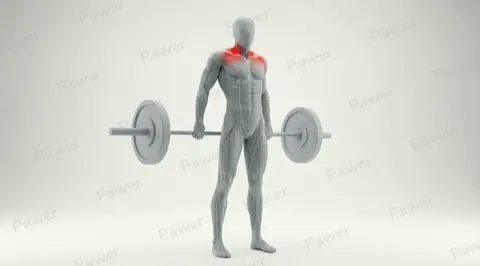 Barbell Behind The Back 30 Degree ShrugBarbell
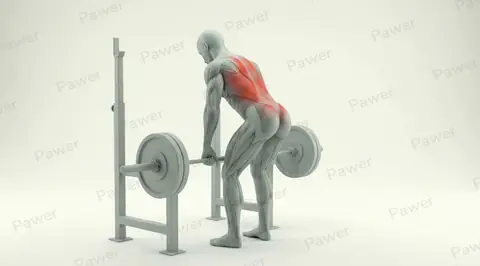 Barbell Rack PullBarbell
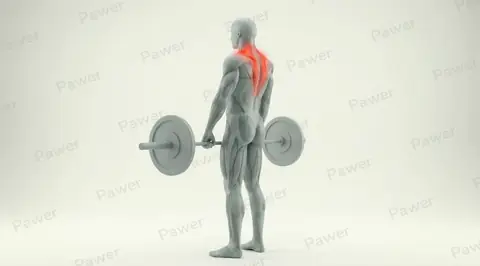 Barbell ShrugBarbell
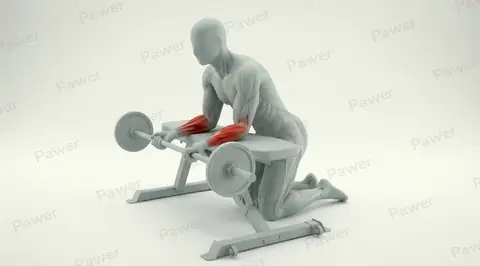 Barbell Wrist CurlBarbell
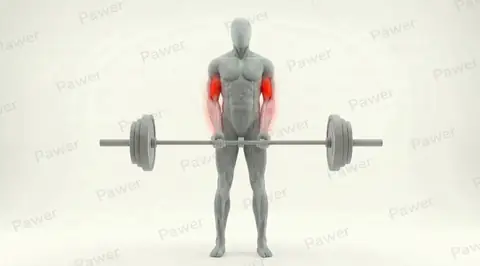 Close-Grip Barbell CurlBarbell
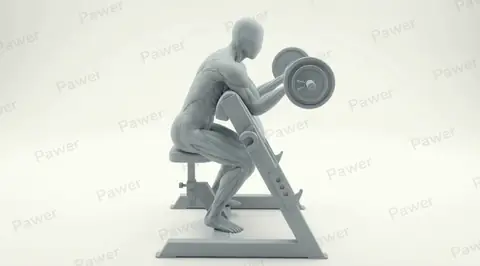 EZ Bar Preacher CurlBarbell
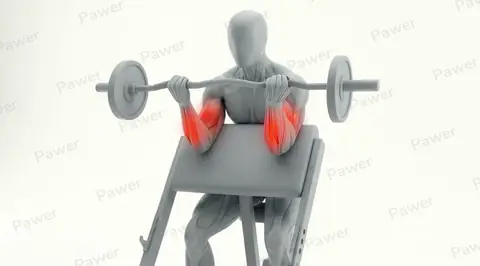 EZ Bar Reverse Preacher CurlBarbell
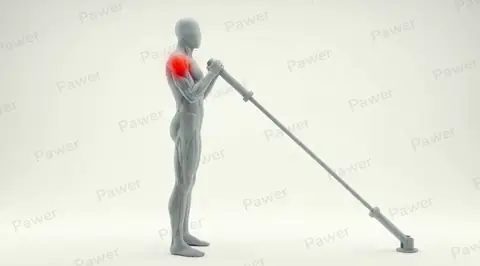 Landmine PressBarbell
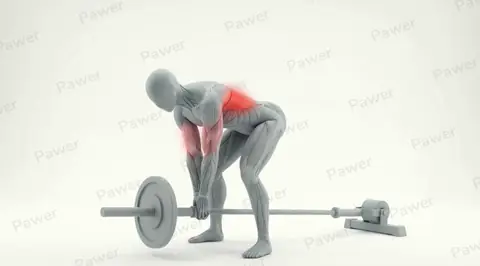 Landmine T Bar RowsBarbell
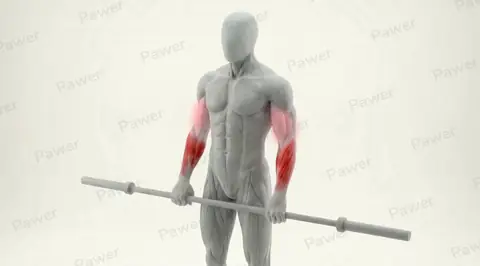 Reverse Grip Barbell CurlBarbell
- Trap Bar DeadliftBarbell
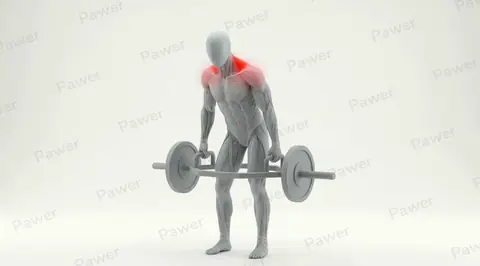 Trap Bar ShrugBarbell
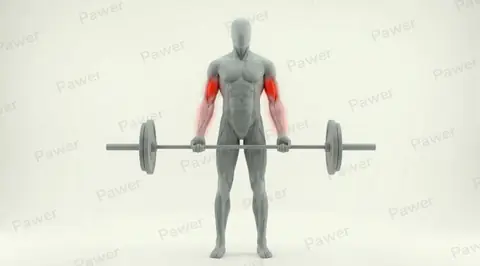 Wide-Grip Barbell CurlBarbell
Intermediate Barbell Exercises42
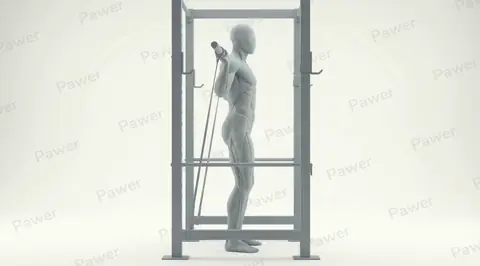 Barbell Banded Back SquatBarbell
- Barbell Bench PressBarbell
- Barbell Bent Over RowBarbell
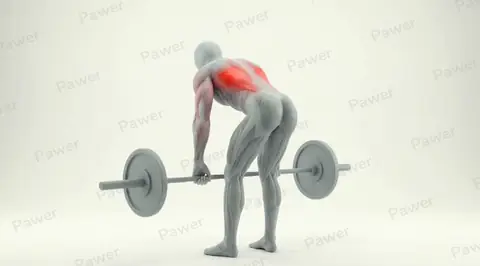 Barbell Bent Over Row - OverhandBarbell
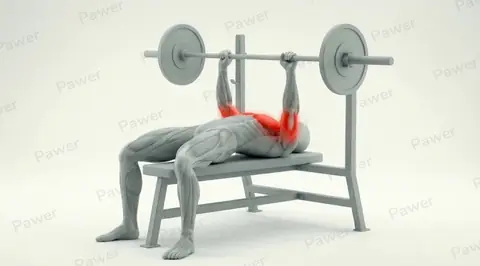 Barbell Close Grip Bench PressBarbell
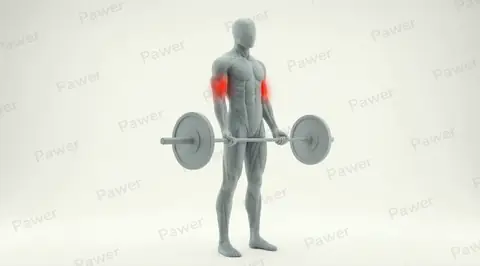 Barbell CurlBarbell
- Barbell DeadliftBarbell
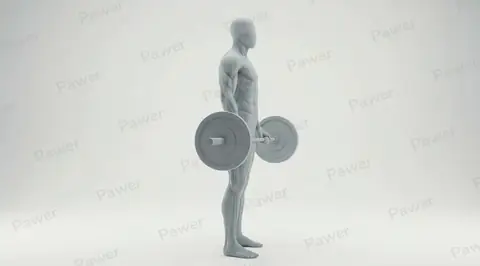 Barbell Drag CurlBarbell
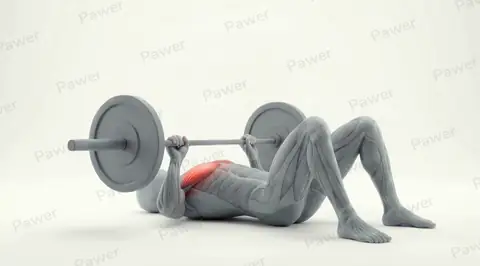 Barbell Floor PressBarbell
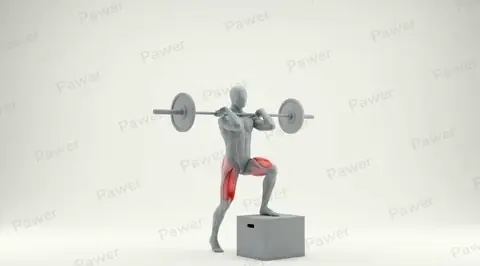 Barbell Front Rack Step Up Knee DriveBarbell
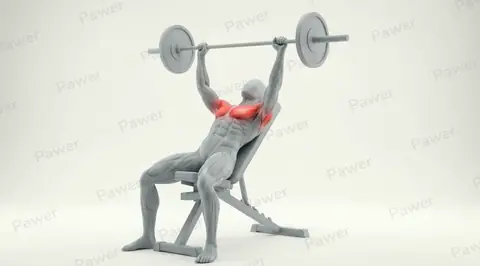 Barbell High Incline Bench PressBarbell
- Barbell Hip ThrustBarbell
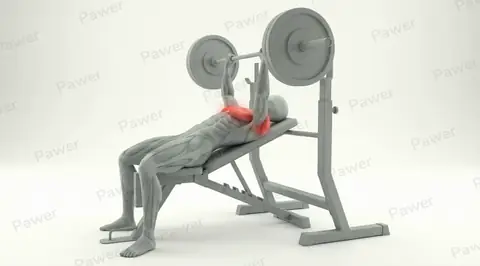 Barbell Incline Bench PressBarbell
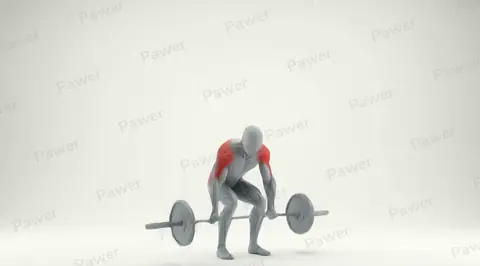 Barbell Muscle SnatchBarbell
- Barbell Overhead PressBarbell
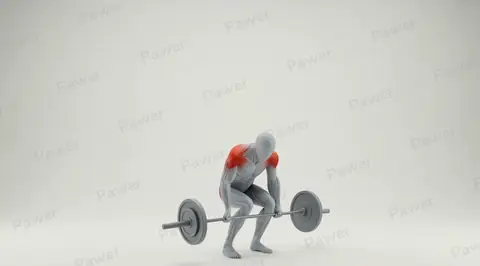 Barbell Power SnatchBarbell
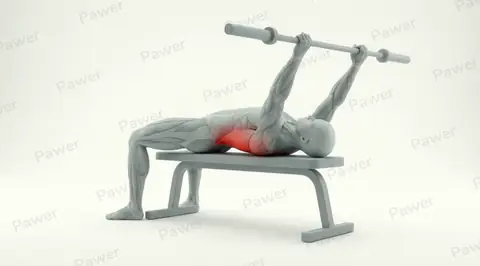 Barbell PulloverBarbell
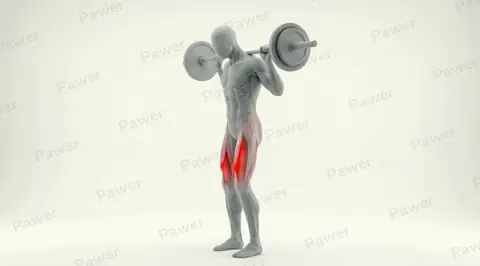 Barbell Reverse LungeBarbell
- Barbell Romanian DeadliftBarbell
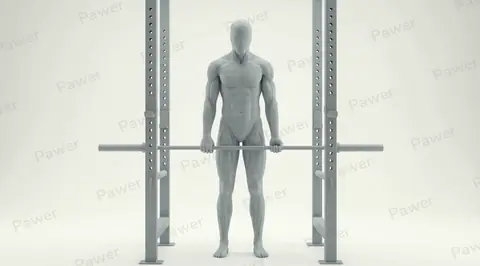 Barbell Spinal Jefferson CurlBarbell
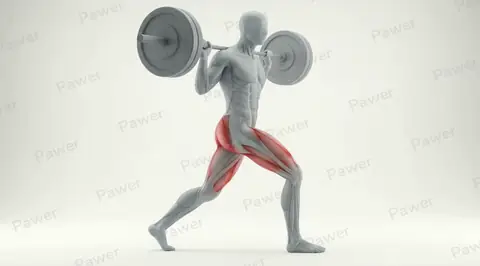 Barbell Split SquatBarbell
- Barbell SquatBarbell
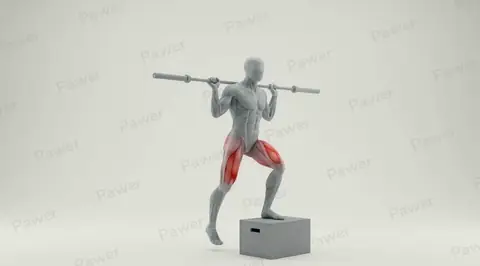 Barbell Step Up Knee DriveBarbell
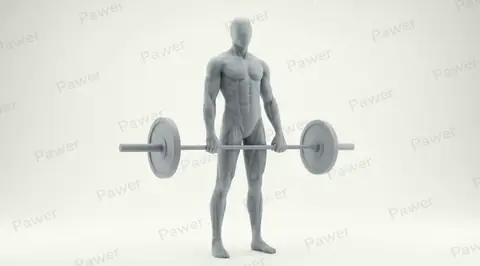 Barbell Stiff Leg DeadliftsBarbell
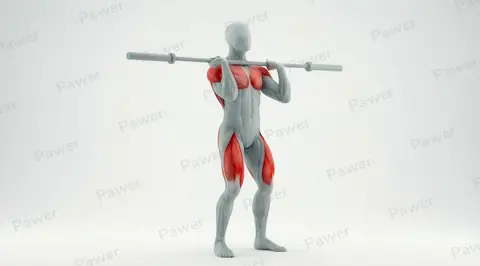 Barbell ThrusterBarbell
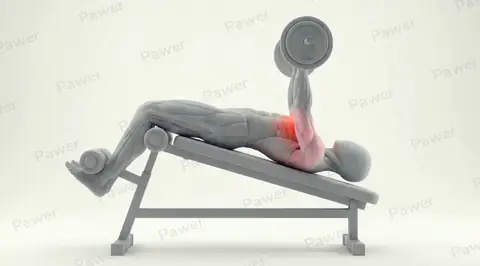 Decline Barbell Bench PressBarbell
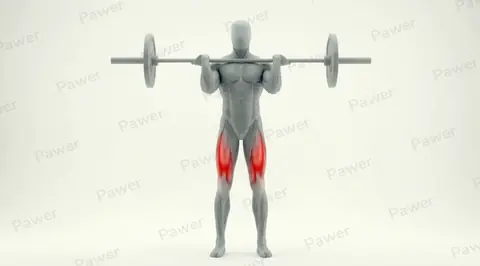 Front SquatBarbell
 Hang CleanBarbell
 Hang Power CleanBarbell
 Meadows RowBarbell
 Pendlay RowBarbell
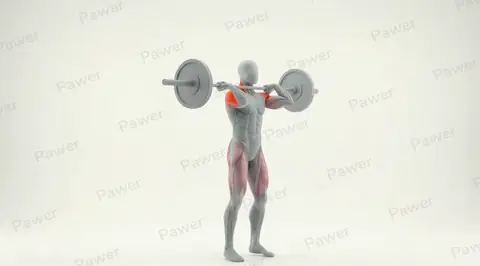 Push JerkBarbell
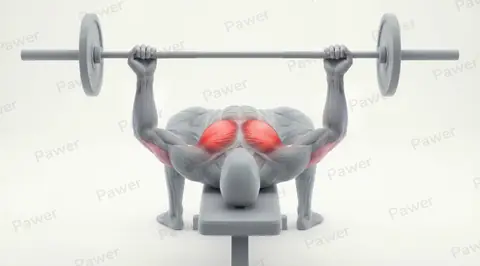 Reverse-Grip Barbell Bench PressBarbell
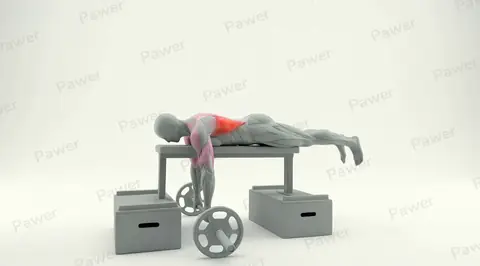 Seal RowBarbell
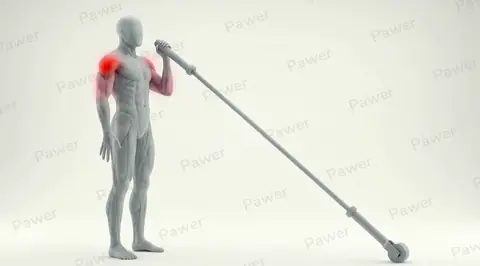 Single-Arm Landmine PressBarbell
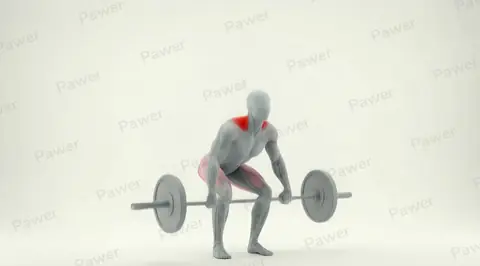 Snatch PullBarbell
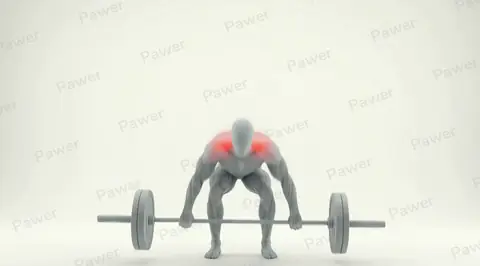 Snatch-Grip High PullBarbell
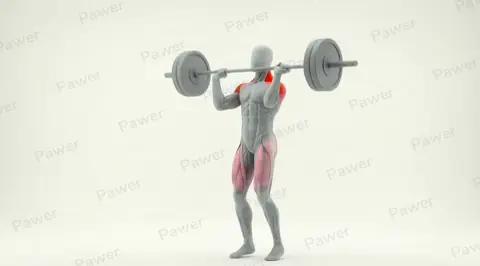 Split JerkBarbell
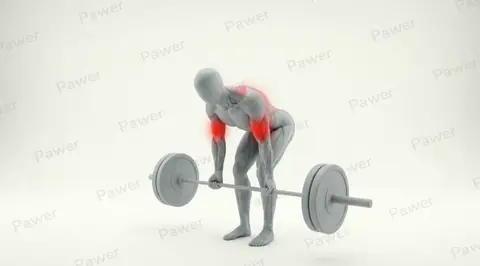 Underhand Barbell RowBarbell
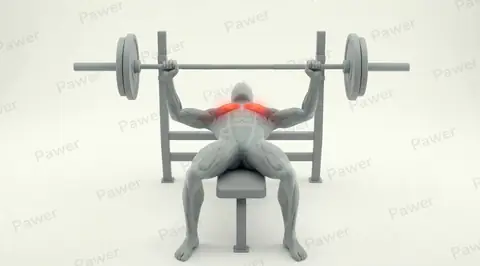 Wide-Grip Barbell Bench PressBarbell
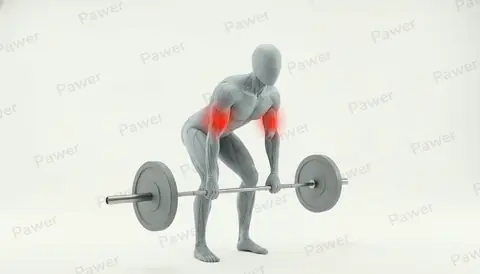 Yates RowBarbell
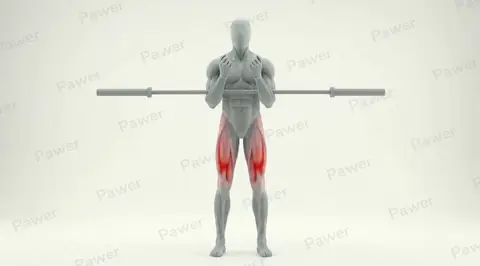 Zercher SquatBarbell
Advanced Barbell Exercises9
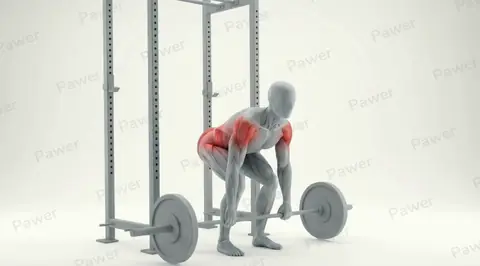
Getting started with the barbell: bars, plates and safety
A standard Olympic barbell weighs 45 pounds (20 kg) and takes plates with a 2 inch hole. Many gyms also have a 35 pound (15 kg) bar with a thinner grip, plus specialty bars like the EZ curl bar and the trap bar, whose weights vary by model. Learn every lift with the empty bar first, then add weight once the movement looks the same on every rep. For the deadlift, use bumper plates or raise the bar on blocks so it starts at the height a full-size plate would give it, even when the weight is light.
Safety comes from setup. Squat and bench inside a power rack with the safety arms set just below the lowest point of the rep, so a failed rep lands on the arms instead of on you. Put collars on the bar for every working set. If you bench without a rack, use a spotter.
| Lift | Where to start | Adding weight early on |
|---|---|---|
| Barbell Squat | Empty bar, in a rack with safeties | 5 to 10 pounds per session while form holds |
| Barbell Deadlift | Light load with the bar at standard plate height | 5 to 10 pounds per session while your back stays flat |
| Barbell Bench Press | Empty bar, in a rack with safeties | About 5 pounds per session |
| Barbell Overhead Press | Empty bar, or a lighter bar if the empty one is too heavy | 2.5 to 5 pounds per session, using small plates |
| Barbell Bent Over Row | Empty bar | About 5 pounds per session |
How to program barbell training: sets, reps and progression
Beginners can add weight to the main lifts every session for weeks or months. This is linear progression, and it only works because a barbell lets you add small amounts. When you miss reps at the same weight two or three sessions in a row, reduce the load a little, build back up, and then move to adding weight weekly instead of every session.
Warm up with ramp sets: the empty bar for a set or two, then three or four progressively heavier sets with fewer reps each, before your first working set. Leave one to three reps in reserve on most working sets and save true maximal efforts for occasional tests. Rest fully between heavy sets, since rushing them costs more performance than it saves time.
| Goal | Sets | Reps | Rest | Frequency |
|---|---|---|---|---|
| Beginner strength | 3 | 5 | 3 to 5 minutes | 3 full-body sessions per week |
| Maximal strength | 3 to 5 | 1 to 5 | 3 to 5 minutes | Each main lift 1 to 3 times per week |
| Muscle growth | 3 to 4 | 6 to 12 | 2 to 3 minutes | Each muscle twice a week, about 10 to 20 hard sets per muscle weekly |
| Power (Olympic lifts) | 3 to 6 | 1 to 3 | 2 to 3 minutes | 2 to 3 times per week |
Barbell workouts for beginners and intermediate lifters
Beginners should alternate Workout A and Workout B three times a week (A, B, A one week, then B, A, B the next), adding weight each session as described above. Once progress slows, move to the upper and lower days, training each twice a week over four sessions. Use the top of each rep range to decide when to add weight. A training log, such as Pawer, makes it easy to see exactly what you lifted last time.
| Workout | Exercise | Sets | Reps | Rest |
|---|---|---|---|---|
| Workout A (beginner) | Barbell Squat | 3 | 5 | 3 minutes |
| Workout A (beginner) | Barbell Bench Press | 3 | 5 | 3 minutes |
| Workout A (beginner) | Barbell Bent Over Row | 3 | 8 | 2 minutes |
| Workout B (beginner) | Barbell Squat | 3 | 5 | 3 minutes |
| Workout B (beginner) | Barbell Overhead Press | 3 | 5 | 3 minutes |
| Workout B (beginner) | Barbell Deadlift | 1 | 5 | After warm-up sets |
| Lower (intermediate) | Barbell Squat | 4 | 4 to 6 | 3 minutes |
| Lower (intermediate) | Barbell Romanian Deadlift | 3 | 6 to 8 | 2 to 3 minutes |
| Lower (intermediate) | Barbell Split Squat | 3 | 8 per side | 2 minutes |
| Lower (intermediate) | Barbell Hip Thrust | 3 | 8 to 10 | 2 minutes |
| Upper (intermediate) | Barbell Bench Press | 4 | 4 to 6 | 3 minutes |
| Upper (intermediate) | Pendlay Row | 4 | 6 to 8 | 2 minutes |
| Upper (intermediate) | Barbell Overhead Press | 3 | 6 to 8 | 2 to 3 minutes |
| Upper (intermediate) | Barbell Close Grip Bench Press | 3 | 8 to 10 | 2 minutes |
| Upper (intermediate) | Barbell Curl | 3 | 8 to 12 | 90 seconds |
Common barbell mistakes and how to fix them
Barbell mistakes matter more than most, because the loads are heavier. Nearly all of them are fixed by patience and setup rather than by more effort.
- Adding weight faster than your technique improves. If reps start to look different from your warm-ups, the jump was too big. Use small increments and film a set from the side now and then to check your positions.
- Lifting without safeties or collars. Set the safety arms for every squat and bench session, and collar the bar on every working set so plates cannot slide off one side.
- Not bracing before each rep. Take a big breath into your belly, tighten your midsection as if about to be pushed, then move. Bracing once at the start of a set and losing it by rep three is a common cause of form breakdown.
- Letting the bar drift away from you. In the squat and deadlift, the bar should travel in a fairly straight line over the middle of your foot. If it swings forward, slow down and keep it close to your body.
- Skipping warm-up sets. Jumping straight to your working weight leaves you stiff and unprepared. Ramp up with the empty bar and a few lighter sets first.
- Only doing the big lifts. Squats, presses and deadlifts leave gaps in the side and rear delts, calves and single-leg strength. Add a few dumbbell, cable or single-leg exercises after your main lifts.
Frequently asked questions
How much does a barbell weigh?
A standard men's Olympic barbell weighs 45 pounds (20 kg) and is about 7 feet long. The women's Olympic bar weighs 35 pounds (15 kg) and has a slightly thinner grip. EZ curl bars, trap bars and the short fixed-weight barbells in gym racks vary by model, so check the label or weigh one. Always count the bar when you log your lifts.
Are barbells better than dumbbells for building muscle?
Not necessarily. Muscle growth depends on hard sets close to failure and steady progress, which both tools provide. Barbells make it easier to load heavy compound lifts and add weight in small steps, while dumbbells allow a longer range of motion and independent arms. For muscle size, a mix works best: heavy barbell lifts for the big muscles, then dumbbell work for the rest.
What barbell exercises should a beginner start with?
Start with the squat, bench press, overhead press, deadlift and bent-over row. Those five cover every major muscle group and teach the patterns used in nearly all other barbell lifts. If the conventional deadlift feels awkward, the trap bar deadlift is a good substitute while you learn. Leave the Olympic lifts and specialty variations until the basics feel consistent.
Can you build a complete physique with only a barbell?
Mostly. A barbell covers the legs, glutes, back, chest, triceps and biceps very well. What it does poorly is the side and rear delts, the calves, and vertical pulling for the lats. A pull-up bar and a light pair of dumbbells fill those gaps cheaply, which is why most home gyms built around a barbell add both.
Is the trap bar deadlift as good as a regular deadlift?
For most people, yes. It is easier to learn, lets many lifters handle similar or heavier loads, and keeps the weight more in line with your body. The trade-off is that it uses more quads and slightly less hamstring and lower back than the straight bar. Unless you compete in powerlifting, either one is a sound choice.
Do I need a squat rack to train with a barbell?
For squats and bench presses, yes. A rack holds the bar at the right height for you to get under it, and its safety arms let you fail a rep without getting stuck. Without one, you are limited to lifts that start from the floor or the hips: deadlifts, Romanian deadlifts, rows, cleans, curls and hip thrusts. Those still make a solid program.
Barbell exercises by muscle group
Pick the muscle you came to train, and see only the Barbell work for it.