Behind-the-Neck Press
Also known as: Behind the Neck Shoulder Press and Behind the Neck Military Press
 Anton YefanovUpdated
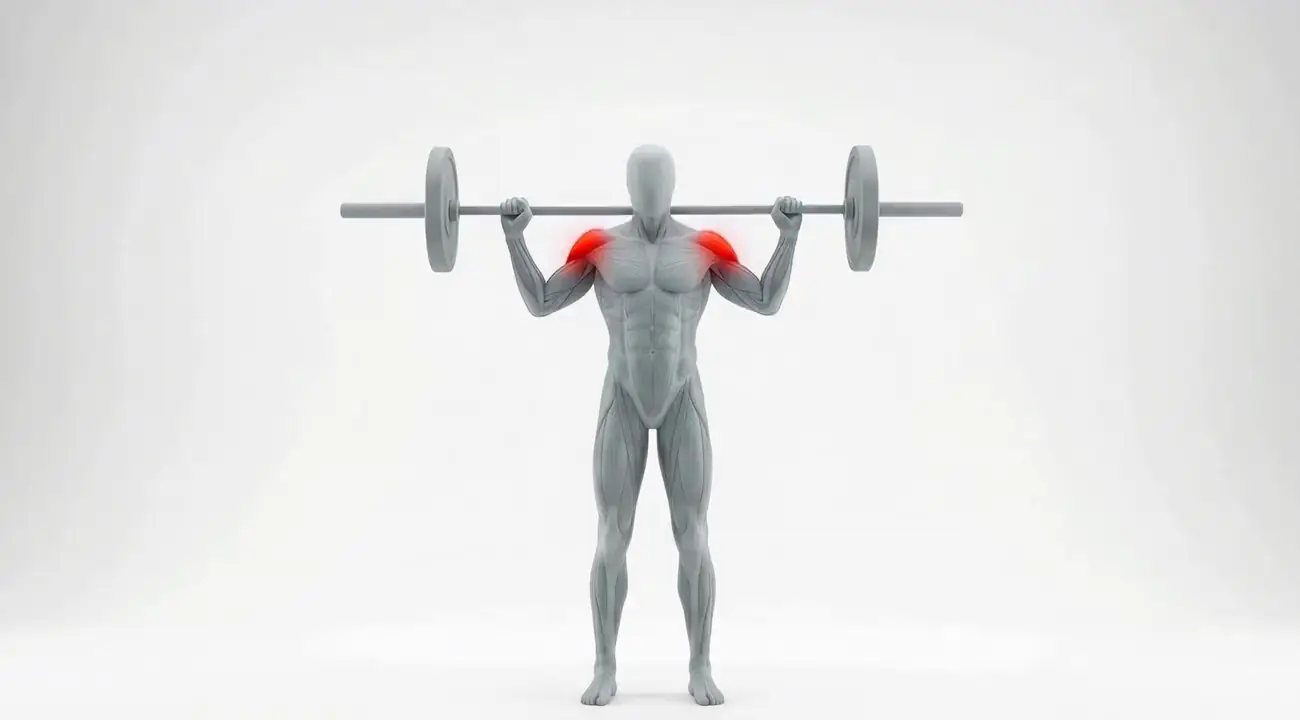
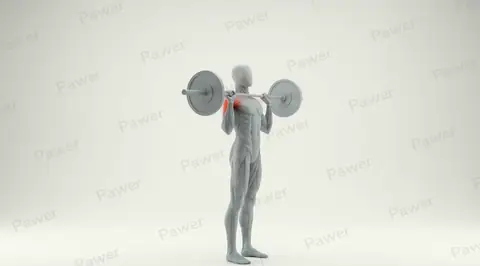
The behind-the-neck press starts with the barbell resting across the upper traps rather than the front of the shoulders. Pressing from there keeps the bar path vertical and biases the lateral deltoid, but it also puts the shoulder into full external rotation and abduction for the entire lift. That position is only safe for lifters who already own the overhead mobility, so the movement is treated as an advanced progression rather than a default shoulder builder. Triceps finish the lockout and the traps and trunk stabilize the load throughout.
How to do the Behind-the-Neck Press
- Set a barbell in a rack just below shoulder height and load a conservative weight.
- Step under the bar and rest it across your upper traps with a grip wider than shoulder width.
- Stand tall, brace your abdominals and glutes, then take two steps back from the rack.
- Press the bar straight overhead, keeping the torso upright and the chin tucked.
- Lock out with the bar over the middle of your head and your ears close to your arms.
- Lower the bar under control back onto the upper traps and repeat only while form holds.
Muscles worked
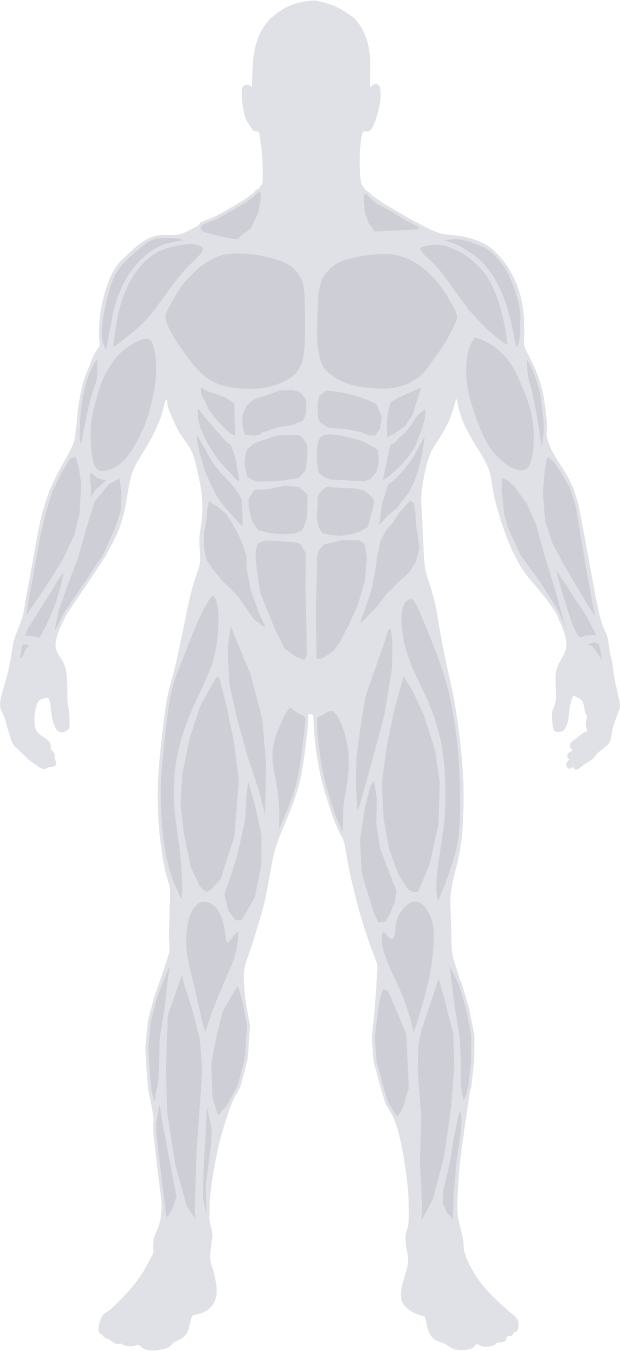
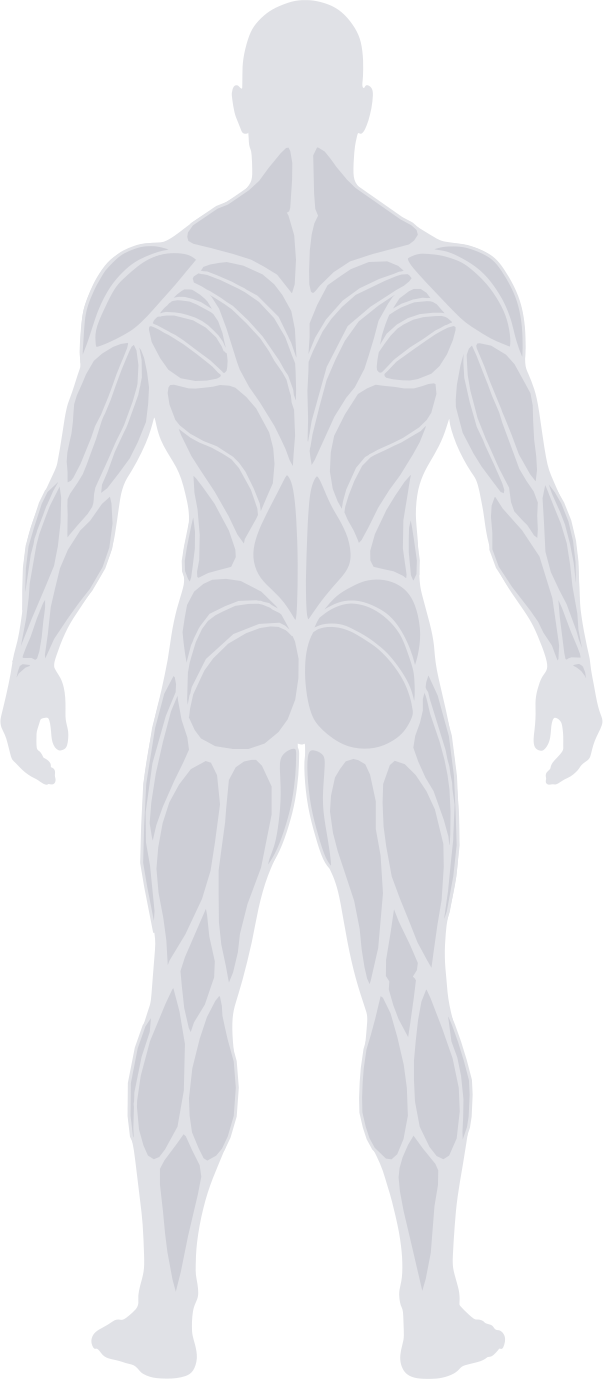
The behind-the-neck press works the shoulders, with the side delts taking a bigger role than in a front press, while the triceps, upper traps and core assist. Starting the bar on your upper traps puts the upper arm out to the side in abduction, so the lateral deltoid drives the first half of the press along with the front delt.
The delts are loaded hardest off the traps, where the arm is fully externally rotated and the bar has the longest way to travel. Past head height, the triceps straighten the elbows to lock the bar out over the middle of your head, and the upper traps rotate the shoulder blades upward so the arm can finish overhead. Your abs and glutes keep the torso upright so you press rather than lean.
- Primary:
- Shoulders
Why train it
- Keeps the bar path vertical, which places steady demand on the lateral deltoid.
- Exposes shoulder and thoracic mobility limits that front pressing can mask.
- Builds overhead stability for lifters who already press comfortably from the front.
Common mistakes
- Attempting the lift without full overhead mobility, which forces the head forward and strains the shoulder.
- Dropping the bar quickly onto the traps, which risks contact with the neck and head.
- Using leg drive, which turns a strict press into a push press and hides a load that is too heavy.
- Leaning back to finish the rep, which shifts the load onto the lower back.
Frequently asked questions
What equipment do I need for the Behind-the-Neck Press?
The Behind-the-Neck Press needs a barbell. Nothing beyond that is required to run the movement the way it is described above.
Is the Behind-the-Neck Press suitable for beginners?
Not as a starting point. The Behind-the-Neck Press is rated advanced: it asks for control under load that only comes from months of easier work, and the cost of a bad rep is higher here than on easier variations. Build up to the Behind-the-Neck Press through the alternatives below.
Can I do the Behind-the-Neck Press at home?
Yes, if you own a barbell. That is the whole requirement, and it is the reason this one travels well between a home setup and a gym floor.
How many sets and reps of the Behind-the-Neck Press should I do?
Three to five sets of 6 to 12 reps. Sit at the lower end with heavier weight when you are chasing strength, and at the upper end when you are chasing size.
What are good alternatives to the Behind-the-Neck Press?
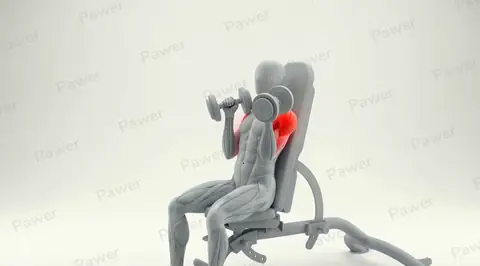
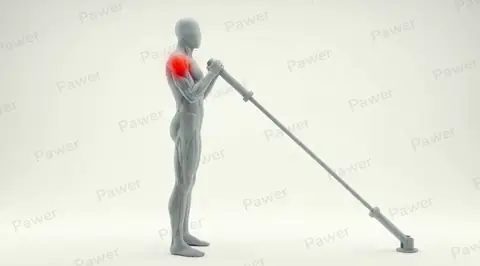
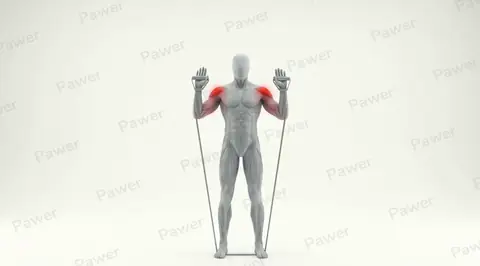
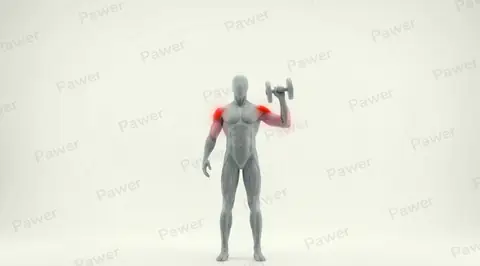
Dumbbell Single Arm Clean And Press, Band Lateral Raise, and Cable Overhead Press train the same primary muscles as the Behind-the-Neck Press. Pick whichever one suits the equipment in front of you.
Work out your Behind-the-Neck Press weights
Estimate your max from a recent set, then find the weight for your next one.
- One Rep Max CalculatorTurn a recent set into an estimated max. Compare Epley, Brzycki and Lombardi, then read off your training percentages and every rep max from 2RM to 12RM.
- RPE CalculatorRate a set by effort, get an estimated max, and read off the weight for your next target. Includes a full RPE chart of percentages by reps and effort.
- Barbell Plate CalculatorSee which plates go on each side of the bar for any weight, using only what your gym stocks. Count a loaded bar, add collars, and switch bars.
- Warm-Up CalculatorGet every warm-up set for your working weight, with reps, rest and the plates per side. Ramps for work sets, heavy singles, meets and 5x5 programs.
Similar exercises
By muscle
Every exercise is mapped to the muscles it trains. Browse by what you want to build.
By equipment
A full gym, a pair of dumbbells, or nothing at all: browse by what you have.