Calf Exercises
 Anton YefanovUpdated
The best calf exercises are the standing calf raise, the seated calf raise and the single-leg calf raise, done through a full range with a pause at the bottom. Between them they train both calf muscles: the gastrocnemius, which works hardest with your knee straight, and the soleus underneath it, which takes over more of the work when the knee is bent.
Your calves point your foot and push you off the ground every time you walk, run or jump, so they are used to constant, light work. Growing them takes heavier loads, deep stretches and hard sets, not just more steps. That is why so many people walk all day and still have calves that never change.
Below you will find our top picks, a comparison of the main calf raises, sets and reps for size and strength, and sample calf workouts for the gym and for home. All 15 exercises for your calves in the library are listed on this page, each with a video and instructions.
Best Calf Exercises
A good calf workout needs one straight-knee raise and one bent-knee raise. These eight cover both, plus options for home, heavy loading and athletic training.
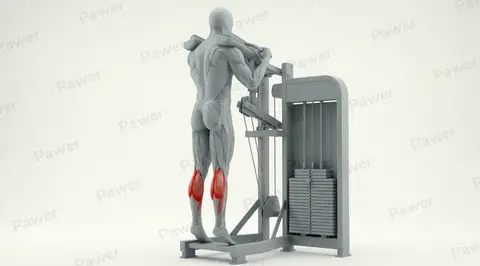
No. 1Best Overall
Standing Calf Raise (Machine)
The standing calf machine loads the calves through the shoulders with the knees straight, which puts the gastrocnemius in its strongest position. The platform lets your heels drop well below your toes for a full stretch, and the weight stack makes progression simple. If your gym has one, build your calf training around it.
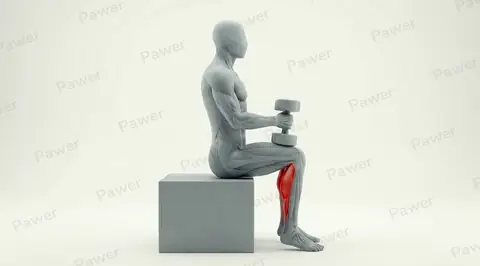
No. 2Best for Soleus
Seated Calf Raise
With your knees bent and a dumbbell across your thighs, the gastrocnemius is slackened and the soleus does more of the work. The soleus makes up much of the calf's bulk and is easy to undertrain, so this is the essential partner to any standing raise. Elevate your toes on a plate or step so the heels can drop.
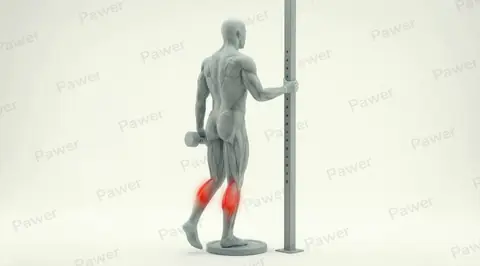
No. 3Best with Dumbbells
Dumbbell Single Leg Calf Raise
Standing on one leg on a step with a dumbbell in the same-side hand loads each calf hard without any machine. Working one side at a time exposes and fixes imbalances, and your free hand on a wall keeps you steady so the calf can work to failure. It is the best home calf exercise if you own a dumbbell.
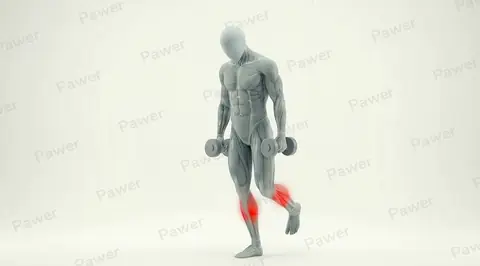
No. 4Best No-Equipment Option
Single-Leg Standing Calf Raise
Doing calf raises on one leg doubles the load compared with two, which is enough to challenge most people with bodyweight alone. Use a step so the heel drops below the toes and the calf works through its full ankle range. When 20 slow reps feel easy, hold a weight.
No. 5Best for Heavy Loading
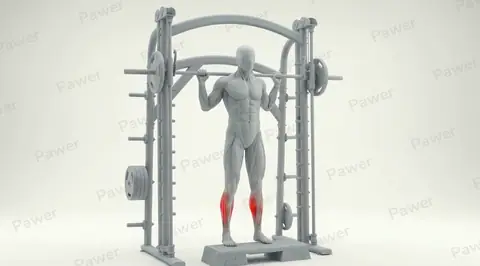
Smith Machine Calf Raise
The Smith machine lets you load a standing calf raise very heavy with the bar guided on a fixed path, so balance is not the limiting factor. Stand on a plate or block to get your heels below the platform. It is the best substitute when your gym has no dedicated calf machine.
No. 6Best Without Spinal Loading
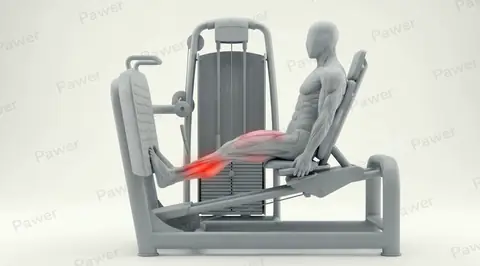
Calf Press
Pressing the leg press plate with only the balls of your feet trains the calves with the knees near straight and no weight on your shoulders. It suits anyone whose back is already tired from squats or deadlifts. Keep the safety stops in place and the knees softly locked.
No. 7Best Deep Stretch
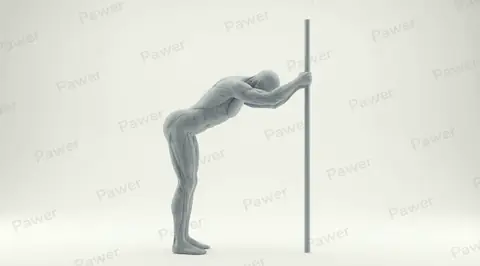
Bodyweight Donkey Calf Raise
Bending forward at the hips with straight legs puts the gastrocnemius under a strong stretch at the bottom of each rep. It is an old-school calf builder that needs nothing but a step and something to lean on. Slow, full reps here make the calves work hard even without added weight.
No. 8Best for Athletic Calves
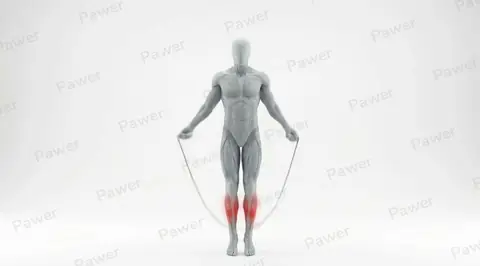
Jump Rope
Skipping rope trains the calves to absorb and return force quickly through the ball of the foot. It builds the springy, reactive calf strength that running and jumping rely on and doubles as conditioning. Use it alongside slow raises, not instead of them, if size is your goal.
Calf anatomy: gastrocnemius and soleus
The gastrocnemius is the visible, two-headed muscle that forms the diamond shape at the back of your lower leg. It crosses both the knee and the ankle, so it pulls hardest when the knee is straight and loses much of its leverage when the knee is bent. Standing raises, donkey raises and leg press calf presses all keep the knee straight to target it.
The soleus sits underneath and only crosses the ankle, so it works whether your knee is bent or straight. With the knee bent, it carries more of the load, which is why seated raises are the standard soleus exercise. Both muscles join into the Achilles tendon at the heel, which stores and returns elastic energy when you run and jump.
| Part | What it does | Best exercises |
|---|---|---|
| Gastrocnemius (inner and outer heads) | Points the foot and helps bend the knee; strongest with the knee straight | Standing Calf Raise (Machine), Smith Machine Calf Raise, Bodyweight Donkey Calf Raise, Single-Leg Standing Calf Raise |
| Soleus | Points the foot with the knee in any position; does more of the work when the knee is bent | Seated Calf Raise, Dumbbell Single Leg Calf Raise |
| Achilles tendon | Connects both muscles to the heel and stores and returns energy in running and jumping | Jump Rope, Running Intervals |
The best calf exercises compared
Choose one straight-knee raise and one bent-knee raise and you have covered both muscles. The straight-knee options mostly differ in how you load them: a calf machine or Smith machine for heavy gym work, a leg press if you want to keep weight off your spine, or a dumbbell or bodyweight on a step at home.
Knee position matters more than foot angle or equipment. Once that is covered, pick the variation you can load progressively and perform through a full range without bouncing.
| Exercise | Equipment | Difficulty | Best for | Knee position |
|---|---|---|---|---|
| Standing Calf Raise (Machine) | Machine | Beginner | Heavy gastrocnemius work | Straight |
| Smith Machine Calf Raise | Smith machine | Beginner | Heavy raises without a calf machine | Straight |
| Calf Press | Leg press | Beginner | Calf work with no load on the back | Straight |
| Seated Calf Raise | Dumbbell and bench | Beginner | Targeting the soleus | Bent |
| Dumbbell Single Leg Calf Raise | Dumbbell | Beginner | Hard home sets, one side at a time | Straight |
| Single-Leg Standing Calf Raise | Bodyweight | Beginner | Full range with no equipment | Straight |
| Bodyweight Donkey Calf Raise | Bodyweight | Beginner | A deep gastrocnemius stretch | Straight, hips bent |
| Kettlebell Calf Raise | Kettlebell | Beginner | A simple loaded finisher | Straight |
| Jump Rope | Jump rope | Beginner | Springy, reactive calves | Slightly bent |
All 15 Calf Exercises
All 15 calf exercises in the library, grouped by difficulty. Each one has a video, step-by-step form and the muscles it works.
Beginner Calf Exercises11
- Bodyweight Donkey Calf RaiseBodyweight
- Calf PressMachine
- Dumbbell Single Leg Calf RaiseDumbbell
- Jump RopeBodyweight
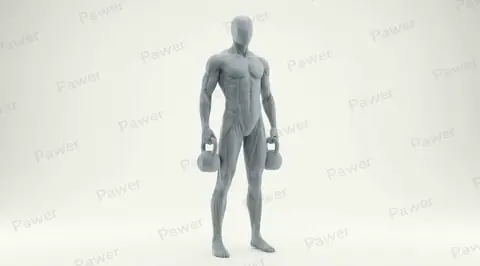 Kettlebell Calf RaiseKettlebell
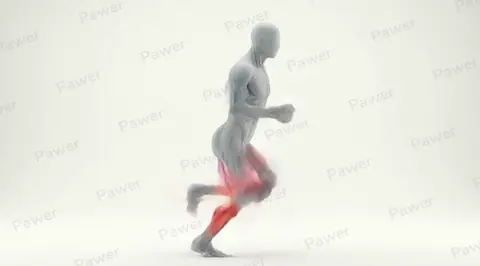
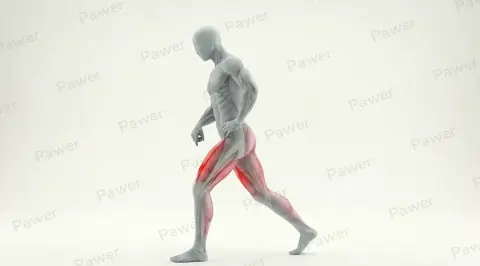 Running CooldownBodyweight
- Seated Calf RaiseDumbbell
- Single-Leg Standing Calf RaiseBodyweight
- Smith Machine Calf RaiseMachine
- Standing Calf Raise (Machine)Machine
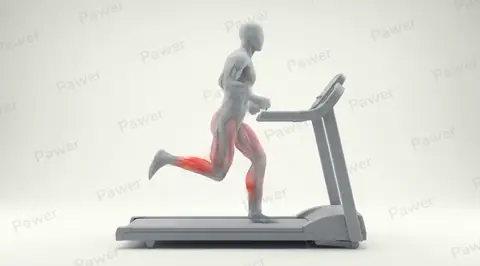
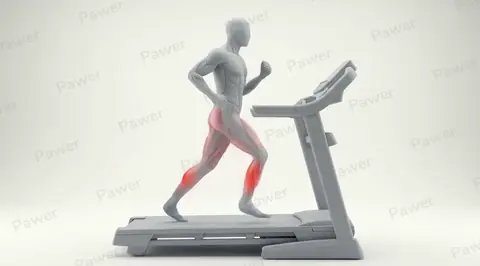 Treadmill RunMachine
Intermediate Calf Exercises3
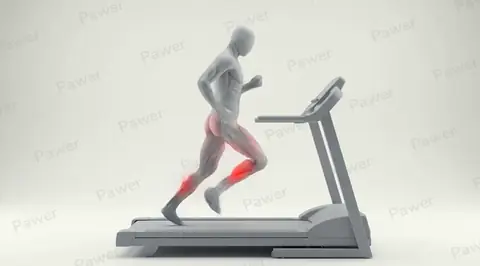
Advanced Calf Exercises1
How to train calves: sets, reps and frequency
For muscle growth, aim for roughly 8 to 16 hard sets of calf work per week, split across 2 or 3 sessions and divided between straight-knee and bent-knee raises. Each set should finish within a rep or two of failure. Calves can take a lot of reps before they burn out, so easy sets of 30 do very little.
Tempo is what makes calf training work. Lower for about 2 seconds, pause for 1 to 2 seconds in the bottom stretch, then rise to the highest point you can reach on the ball of the foot and squeeze. Progress by adding reps within your range, then add weight. Switching from two legs to one is a big jump in load for home training.
| Goal | Sets | Reps | Rest | Frequency |
|---|---|---|---|---|
| Beginner foundation | 2 to 3 per exercise | 12 to 15 | 60 seconds | 2 times per week |
| Calf size | 3 to 4 per exercise | 8 to 15 standing, 12 to 20 seated | 60 to 90 seconds | 2 to 3 times per week |
| Strength | 3 to 5 per exercise | 6 to 10 | 90 seconds to 2 minutes | 2 times per week |
| Endurance for running and hiking | 2 to 3 per exercise | 15 to 25 | 30 to 60 seconds | 2 to 3 times per week |
| Spring and reactivity | 3 to 5 rounds | 30 to 60 seconds of jump rope | 60 to 90 seconds | 2 to 3 times per week |
Sample calf workouts for the gym and home
Each workout pairs straight-knee and bent-knee work. Add it to the end of a leg day or run it as a short session on another day. In the single-leg exercises, do the listed reps on each leg.
| Workout | Exercise | Sets | Reps | Rest |
|---|---|---|---|---|
| Gym | Standing Calf Raise (Machine) | 4 | 8 to 12 | 90 seconds |
| Gym | Seated Calf Raise | 3 | 12 to 15 | 60 seconds |
| Gym | Calf Press | 2 | 15 to 20 | 60 seconds |
| Home | Dumbbell Single Leg Calf Raise | 3 | 8 to 12 per leg | 60 seconds |
| Home | Bodyweight Donkey Calf Raise | 2 | 15 to 20 | 60 seconds |
| Home | Seated Calf Raise | 3 | 12 to 20 | 60 seconds |
| Home | Jump Rope | 3 | 45 seconds | 60 seconds |
| Beginner | Single-Leg Standing Calf Raise | 2 | 8 to 12 per leg | 60 seconds |
| Beginner | Seated Calf Raise | 2 | 12 to 15 | 60 seconds |
| Beginner | Jump Rope | 3 | 30 seconds | 60 seconds |
Common calf training mistakes and how to fix them
Calves have a reputation for being stubborn, but most of the time the problem is how they are trained.
- Bouncing out of the bottom. The Achilles tendon springs you up and the muscle does little, so pause for a second or two in the stretch before every rep.
- Cutting the range short to lift more weight. Lower your heels well below the platform and rise all the way onto the ball of your foot, even if that means a lighter load.
- Only doing standing raises. That undertrains the soleus, so add a seated, bent-knee raise to every calf workout.
- Bending the knees to help on standing raises. That turns the set into a small squat bounce, so keep your knees straight but not jammed and let the ankle do all the moving.
- Rolling onto the outside of the foot at the top. Drive through the big toe and second toe so the ankle rises straight up.
- Leaving calves for one rushed set at the end of leg day. Give them several hard sets, or train them first in a session when they are your priority.
Calf training for runners
Running loads the calves on every stride, which builds endurance but not much size or maximal strength. Runners benefit from adding slow, heavy calf raises once or twice a week, because a stronger calf handles each stride at a lower share of its capacity. Do them after an easy run or on a non-running day, not before a hard session.
The running sessions in this hub load the calves in different ways. Use them to understand where your calves are already working before you add strength sets on top.
| Session | Calf demand | Where it fits |
|---|---|---|
| Long Run | Steady, repeated loading for a long time | Builds calf endurance alongside your aerobic base |
| Tempo Run | Sustained push-off at a faster pace | Pair with heavy raises later in the week, not the day before |
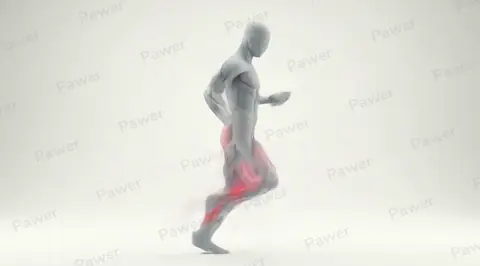
| Running Intervals | Hard, fast push-off on every rep | Treat as a demanding calf day and recover after it |
| Trail Run | Climbing and braking on uneven ground | Expect extra soreness when you first start |
| Treadmill Run | Even, predictable loading | A controlled way to build mileage gradually |
Frequently asked questions
Why are my calves not growing?
The usual reasons are bouncing through partial reps, sets that stop far from failure, and skipping bent-knee work for the soleus. Genetics also play a real part: people with shorter calf muscles and longer Achilles tendons have a harder time building visible size. Use a full stretch, a pause at the bottom, hard sets and progressive load for a few months before judging the results.
How often should you train calves?
Two or three times per week works well for most people. Calf sessions are short and the muscles recover quickly from them, so spreading your weekly sets over several days makes each set better. If you run a lot, count your hardest running sessions as calf work and avoid heavy raises the day before them.
Can you build calves at home without equipment?
Yes, as long as you make the sets hard enough. Single-leg raises on a step load each calf with your full bodyweight, and slow reps with a pause in the stretch make even 10 to 15 reps challenging. Once you can do 20 clean reps per leg, hold a dumbbell, a kettlebell or a loaded backpack to keep progressing.
Are standing or seated calf raises better?
You need both. Standing raises keep the knee straight and train the gastrocnemius in its strongest position, while seated raises bend the knee and shift more of the work to the soleus. If you can only do one, choose the standing raise for overall calf size, but add a seated raise as soon as your schedule allows.
Does running build calf muscle?
Running makes your calves stronger and more enduring, especially if you are new to it, but it rarely adds much size. Each stride uses only a fraction of what the calf can produce, and the sheer number of reps trains endurance more than growth. For bigger calves, add loaded raises in the 8 to 20 rep range alongside your running.
Should your toes point in or out on calf raises?
Keep your feet pointing roughly straight ahead for most sets. Turning the toes in or out may shift a little emphasis between the inner and outer heads of the gastrocnemius, but the difference is small compared with range of motion, load and effort. Use whatever foot position lets you rise through the big toe without the ankle rolling out.
Calves exercises by equipment
Narrow the list to what you actually have to train with.