Kettlebell Calf Raise
 Anton YefanovUpdated
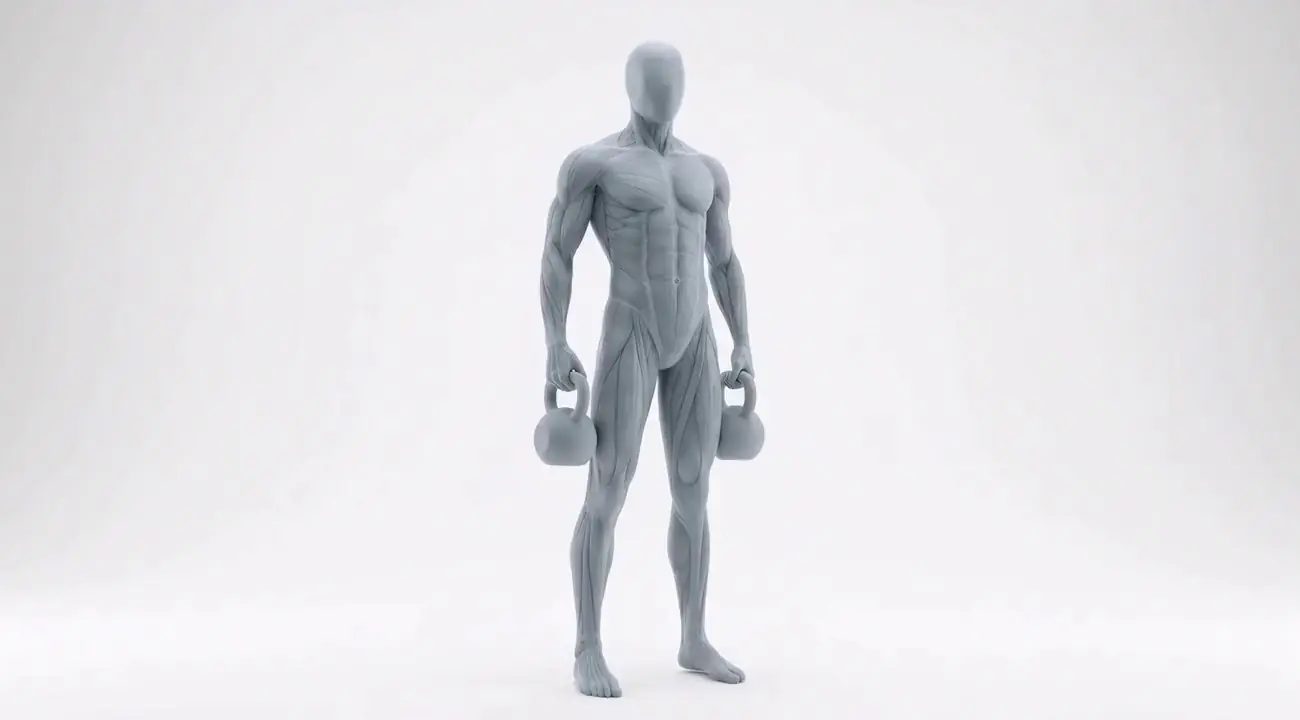
The kettlebell calf raise loads a standing calf raise with a single kettlebell held at the hip or chest. With the heels lifting and lowering through a controlled range, the gastrocnemius and soleus do the work. Adding the kettlebell turns a low-load bodyweight rep into a real strength stimulus that challenges the calves into hypertrophy range.
How to do the Kettlebell Calf Raise
- Stand tall with your feet hip-width apart, holding a kettlebell at your side or in front at chest height.
- Place the balls of your feet on a small step or platform with your heels hanging just off the edge.
- Brace your core and keep your knees soft but straight throughout the entire rep.
- Press up onto the balls of your feet by squeezing your calves and lifting your heels as high as possible.
- Pause for a count at the top with the calves fully contracted and your weight balanced.
- Lower your heels slowly below the platform over 2 to 3 seconds for a deep stretch, then drive back up.
Muscles worked
- Primary:
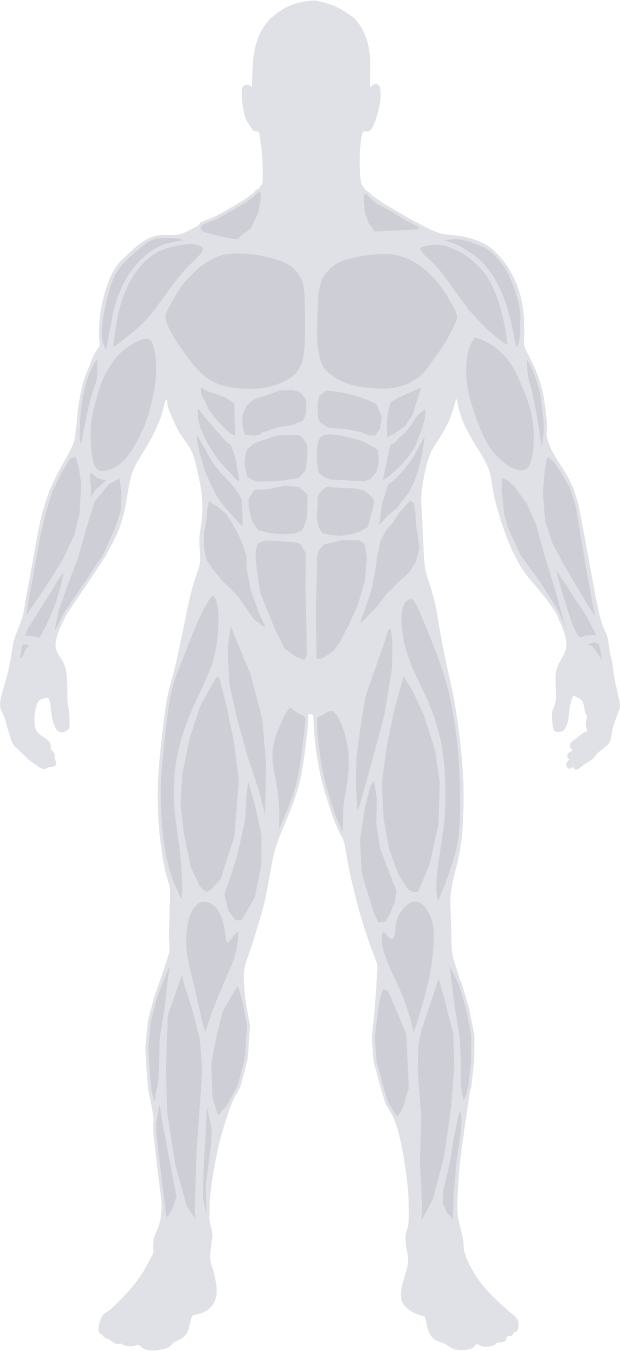
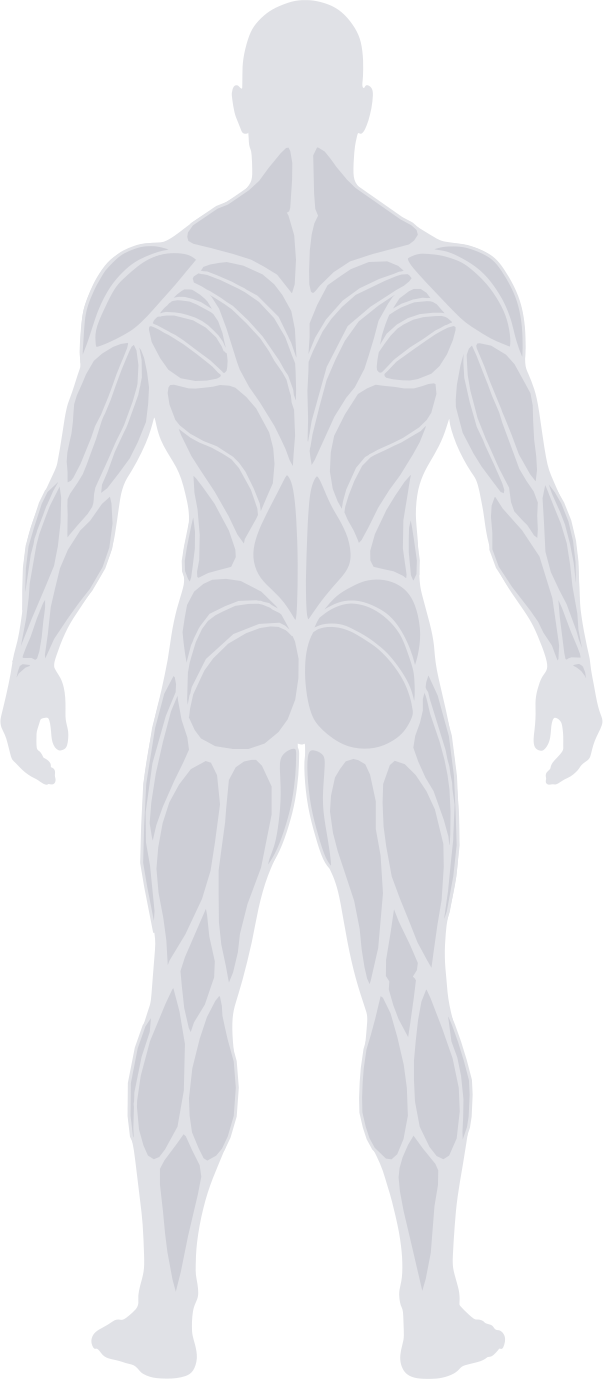
- Calves
Why train it
- Builds calf size and strength with a meaningful loaded stretch.
- Strengthens the ankles for jumping, sprinting, and balance.
- Improves push-off power for runners and athletes.
Common mistakes
- Bouncing through the bottom of each rep, which uses tendon recoil instead of working the calf muscle.
- Cutting the range short at the top, which leaves out the peak contraction where the calves grow.
- Bending the knees mid-rep, which shifts work to the soleus only and reduces the gastrocnemius work.
- Tipping forward at the hips for momentum instead of staying tall and pressing straight up.
Frequently asked questions
What muscles does the Kettlebell Calf Raise work?
The Kettlebell Calf Raise trains the calves, and little else. No other group takes a meaningful share of the load, which is what makes this a clean way to target the calves directly.
What equipment do I need for the Kettlebell Calf Raise?
Only a kettlebell. Nothing beyond that is required to run the movement the way it is described above.
Is the Kettlebell Calf Raise suitable for beginners?
Yes. The Kettlebell Calf Raise is rated beginner: the pattern is quick to pick up and forgiving when a rep drifts. Start light and add weight once the form repeats itself without you thinking about it.
Can I do the Kettlebell Calf Raise at home?
Yes, if you own a kettlebell. That is the whole requirement, and it is the reason this one travels well between a home setup and a gym floor.
How many sets and reps of the Kettlebell Calf Raise should I do?
Three to four sets of 10 to 15 reps. Isolation work responds to reps and a controlled tempo rather than load, so stop each set a rep or two short of failure and keep the weight honest.
What are good alternatives to the Kettlebell Calf Raise?
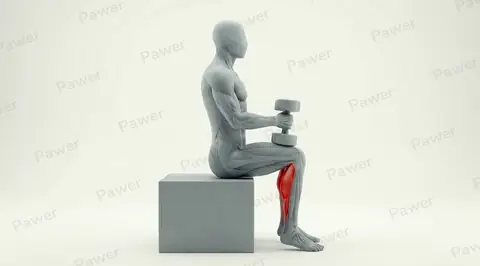
Bodyweight Donkey Calf Raise, Calf Press, and Dumbbell Single Leg Calf Raise train the same primary muscles as the Kettlebell Calf Raise. Pick whichever one suits the equipment in front of you.
Work out your Kettlebell Calf Raise weights
Estimate your max from a recent set, then find the weight for your next one.
- One Rep Max CalculatorTurn a recent set into an estimated max. Compare Epley, Brzycki and Lombardi, then read off your training percentages and every rep max from 2RM to 12RM.
- RPE CalculatorRate a set by effort, get an estimated max, and read off the weight for your next target. Includes a full RPE chart of percentages by reps and effort.
Similar exercises
By muscle
Every exercise is mapped to the muscles it trains. Browse by what you want to build.
By equipment
A full gym, a pair of dumbbells, or nothing at all: browse by what you have.