Barbell Chest Exercises
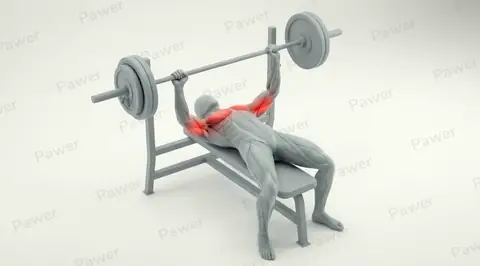
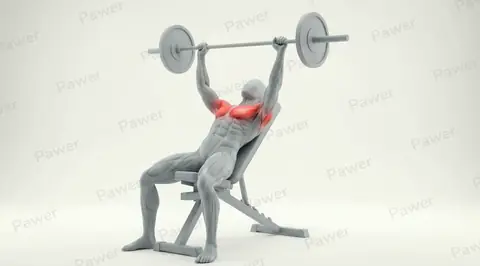
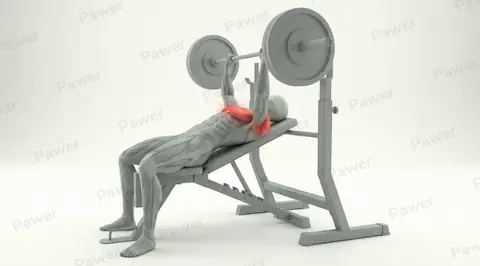
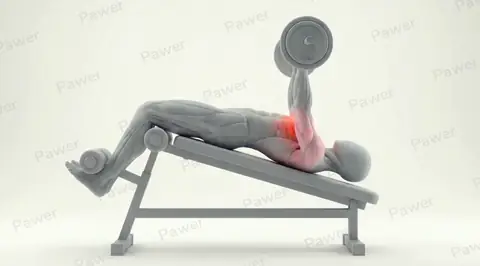
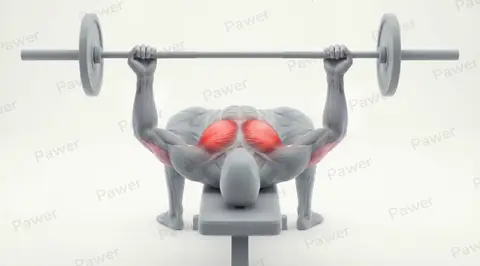
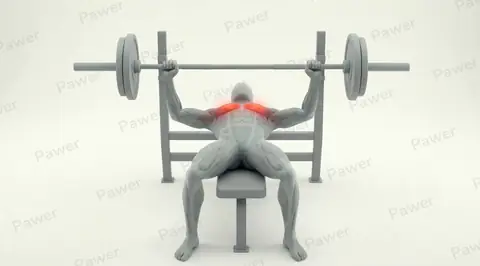
Every barbell chest exercise is a bench press with one variable moved. Change the bench angle and you change which part of the chest does the most work: flat is the middle, incline and high incline shift load to the clavicular head at the top, decline pulls it down and out. Change the grip and you change how much triceps comes along. Wide keeps the load on the pecs, and reverse-grip is an underrated way to hit the upper chest without an incline bench.
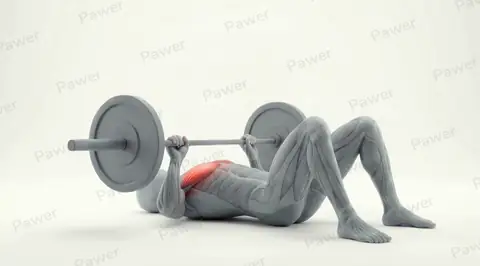
The barbell is here for one reason the other tools cannot match: you can load it heavily and add a small amount of weight week after week. That makes it the best chest exercise for building strength, and the floor press is the variation to know when your shoulders complain, because the floor stops your elbows before they reach end range.
Intermediate7
Other equipment for Chest
Frequently asked questions
Flat or incline barbell bench press for chest?
Both, but if you only do one, flat. Flat bench trains the largest portion of the pec through the longest range and carries the heaviest load. Incline is the accessory that fills in the upper chest, where most lifters are visibly behind.
How wide should my grip be on the bench press?
Wide enough that your forearms are roughly vertical at the bottom of the rep. Wider than that shortens the range and stresses the shoulder; narrower turns it into a triceps exercise. Wide-grip bench is a deliberate variation, not a default.
Why does my bench press hurt my shoulders?
Usually a bar path that drifts toward the collarbone and elbows that flare to ninety degrees. Tuck the elbows closer to forty-five degrees and touch the bar lower on the chest. If it still bothers you, the barbell floor press limits the depth for you.