Cable Chest Exercises
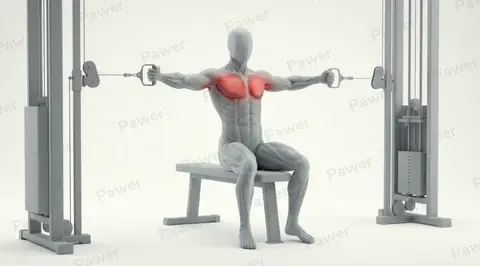
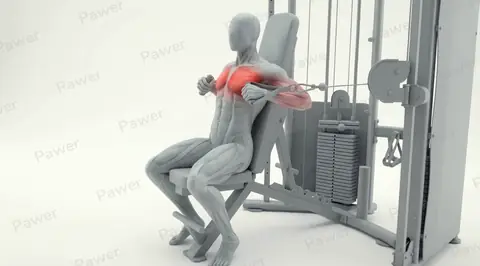
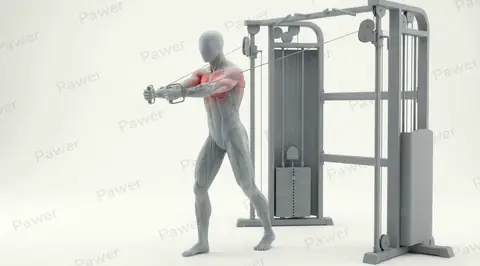
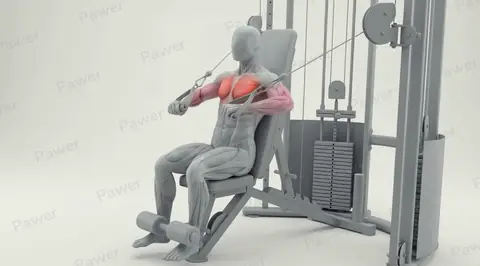
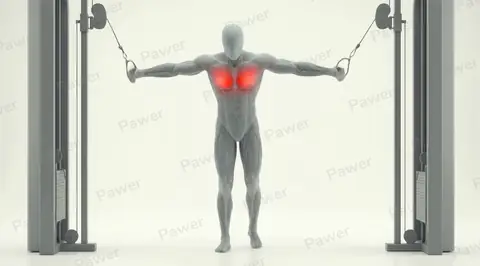
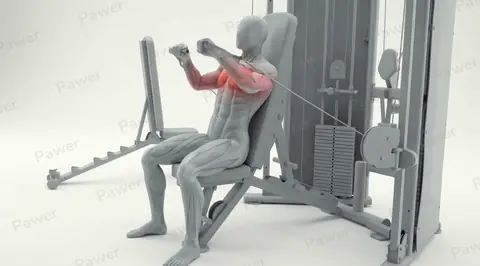
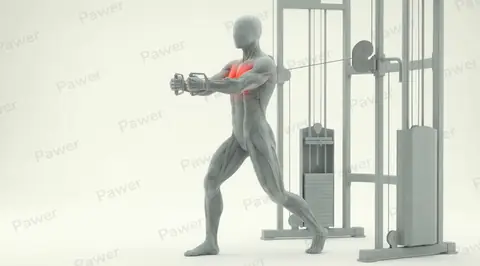
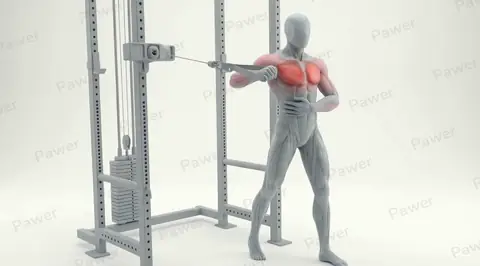
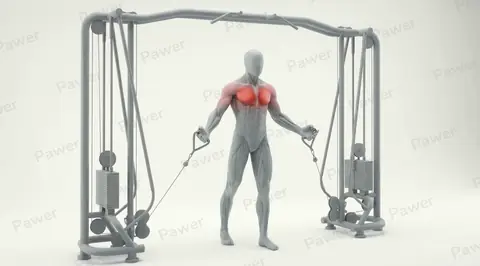
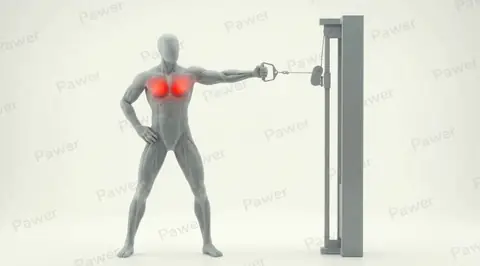
Cables do something neither a dumbbell nor a barbell can: the resistance stays on the chest through the entire rep. At the top of a dumbbell fly the weight is stacked over your shoulders and the pec is barely working. On a cable fly the pull is horizontal, so the hardest part of the movement is exactly where the hands come together and the chest is fully shortened.
Pulley height is the second lever. Low-to-high flyes load the upper chest, high-to-low flyes load the lower and inner pec, and setting the pulleys at chest height gives a straightforward mid-chest fly. That makes cables the most precise chest tool in the gym, and the reason this page has both press and fly variations at every angle.
Beginner8
Intermediate2
Other equipment for Chest
Frequently asked questions
Are cable flyes better than dumbbell flyes?
For the chest, generally yes. A dumbbell fly loses almost all tension at the top of the rep, while a cable keeps pulling the whole way. Dumbbell flyes still win on the stretch at the bottom, so there is a case for doing both.
What pulley height should I use for cable chest exercises?
Low pulleys, pressing up and in, for the upper chest. High pulleys, pressing down and in, for the lower and inner chest. Chest height for a general mid-pec fly. Rotating through all three over a training week covers the whole muscle.
Can cables replace the bench press?
For chest size, largely. For pressing strength, no, because cables do not let you load the heavy low-rep work that builds a bench. Use cables as the main chest builder if strength is not your goal, or as the accessory alongside pressing if it is.