Hang Clean
Also known as: Barbell Hang Clean
 Anton YefanovUpdated
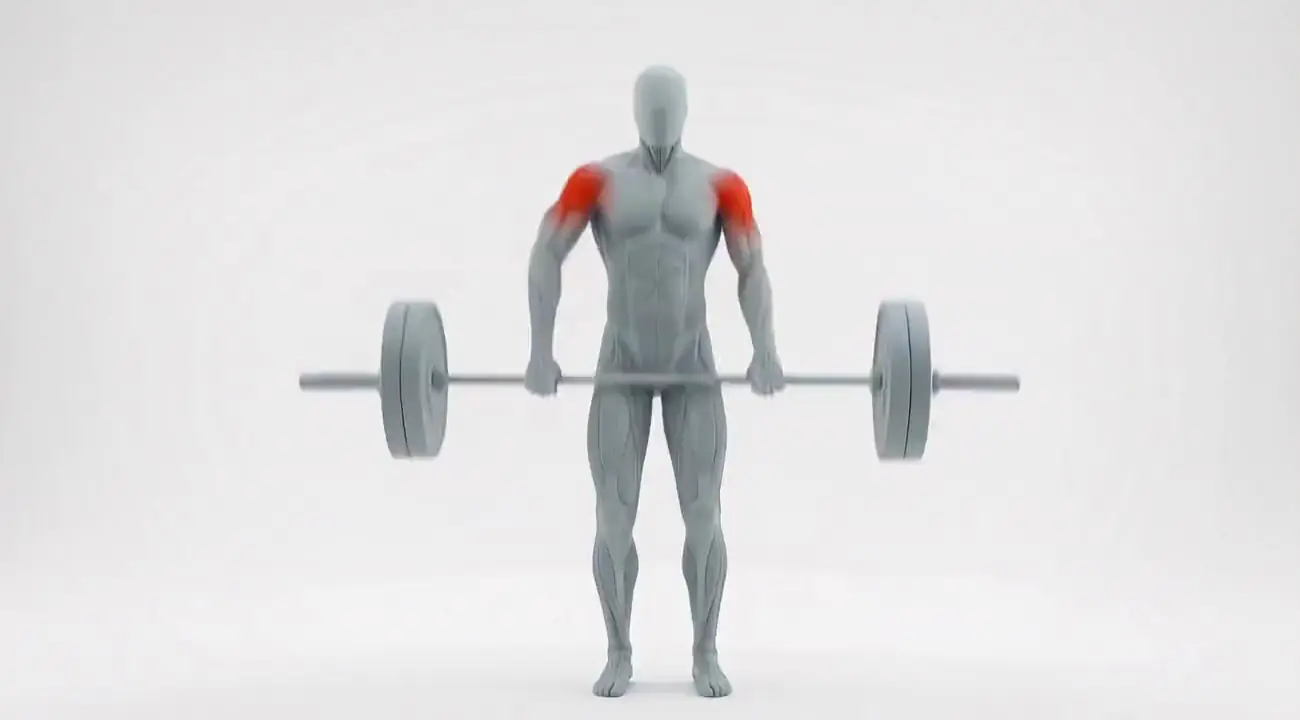
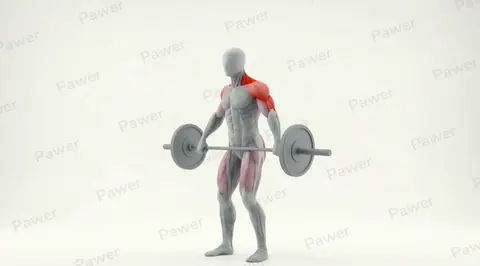
The hang clean starts with the barbell already at mid-thigh, so the lift removes the floor and trains the second pull directly. You hinge to slide the bar down the thighs, then extend the knees and hips violently, shrug the traps and pull the elbows through to rack the bar on the shoulders. The quadriceps, glutes and hamstrings supply the extension while the traps, upper back and spinal erectors finish the pull. Sources differ on whether the quadriceps or the hip extensors lead, so both are treated as primary alongside the traps.
How to do the Hang Clean
- Set your feet at hip to shoulder width and grip the bar just outside your thighs with a double overhand grip.
- Stand tall with the bar against the front of the thighs, chest up and lats engaged.
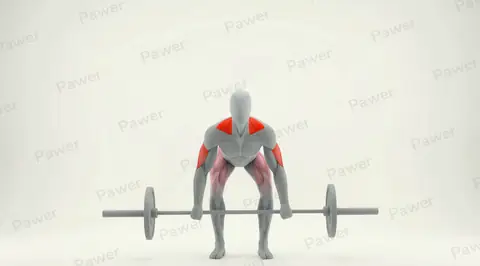
- Push your hips back and slide the bar down to just above the knees, keeping the back angle fixed.
- Drive the floor away and extend the knees and hips violently, keeping the bar in contact with the thighs.
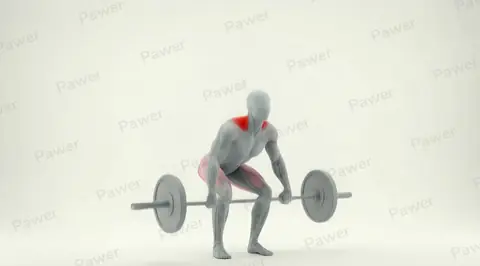
- Shrug the traps and pull your elbows up and around the bar as you drop under it.
- Catch the bar racked on the front of the shoulders, stand up, then lower it back to the hang.
Muscles worked
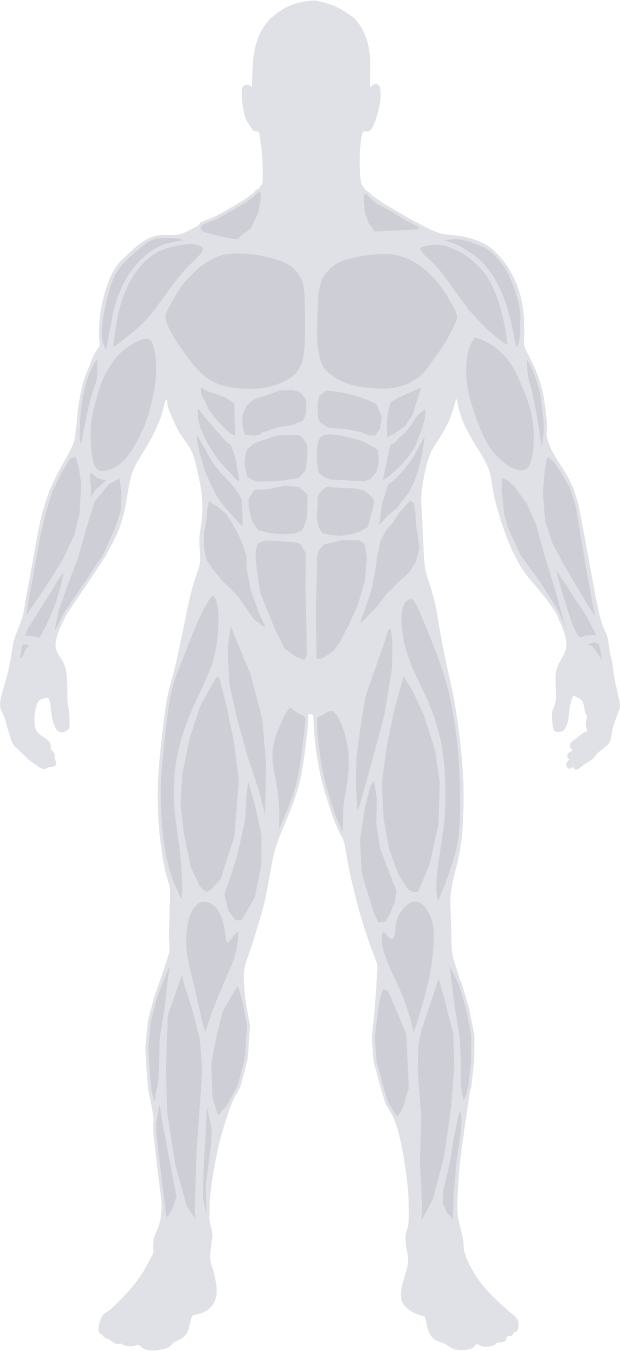
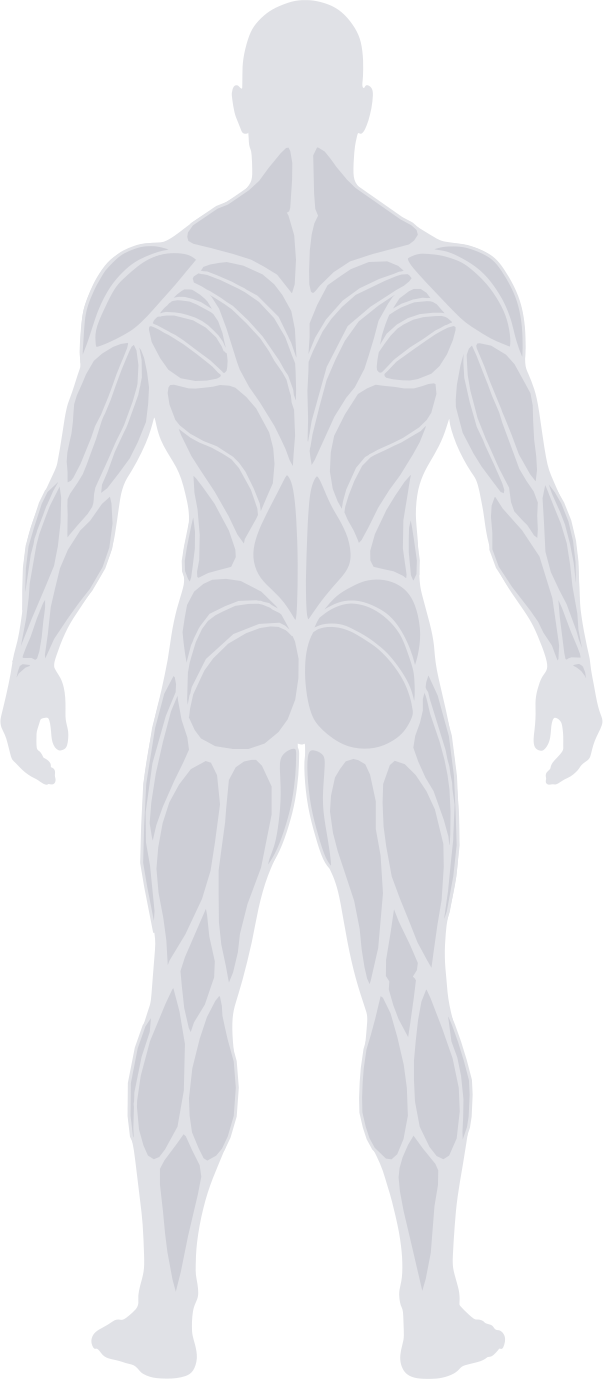
The hang clean works the quads, glutes and traps, with the hamstrings, upper back, shoulders and core supporting the pull and the catch. From the hang, the quads and glutes explosively extend the knees and hips, which is the main source of the bar's upward speed. The hamstrings load during the hinge and help drive the hips through.
The traps take over at the top of the extension, shrugging the bar higher as your body starts to drop under it. The upper back keeps the bar close throughout, and the shoulders pull the elbows around to rack it. Starting from just above the knees removes the floor and makes the second pull the focus. In the catch, the quads absorb the bar in a front squat position, and the core holds your torso upright so the bar stays racked on the shoulders.
- Secondary:
- Hamstrings, Back, Shoulders, and Core
Why train it
- Trains rate of force development through full hip and knee extension.
- Teaches the second pull without the technical load of a floor start.
- Builds trap, upper back and grip strength alongside the leg drive.
Common mistakes
- Pulling early with the arms, which kills bar speed and pushes the bar away from the body.
- Letting the bar drift forward off the thighs, which forces a forward catch and a missed rack.
- Rounding the back during the dip to the knees, which loads the lumbar spine under an explosive effort.
- Catching with low elbows, which drops the bar off the shoulders and puts the load on the wrists.
Frequently asked questions
Hang clean vs power clean: what is the difference?
Where the bar starts. A hang clean starts from standing, with the bar lowered to just above your knees. A power clean starts from the floor. The hang version is easier to learn because it skips the first pull off the floor, and it focuses on the explosive hip drive.
Do hang cleans build muscle?
Some, mostly in the traps, upper back and legs. Their real purpose is power, which means producing force fast. For muscle size, squats, deadlifts and rows work better. Athletes use hang cleans because explosive power carries over to sprinting and jumping.
Do hang cleans make you faster?
They can help. Hang cleans train the hips to extend quickly, the same movement that drives sprinting and jumping. They work best alongside sprint and jump training. On their own, they do not turn into speed automatically.
Are hang cleans bad for your wrists?
They can be if you catch the bar in your hands instead of on your shoulders. Let the bar land on the front of your shoulders with your elbows pointing forward, and let your fingers loosen. Wrist and shoulder flexibility help, and so does stretching your forearms and lats before you train.
What equipment do I need for the Hang Clean?
The Hang Clean needs a barbell. Nothing beyond that is required to run the movement the way it is described above.
Is the Hang Clean suitable for beginners?
With some training behind you. The Hang Clean is rated intermediate, which means the setup matters as much as the effort. It is a reasonable first month goal rather than a first session one, and the alternatives below are the easier way in.
Can I do the Hang Clean at home?
Yes, if you own a barbell. That is the whole requirement, and it is the reason this one travels well between a home setup and a gym floor.
How many sets and reps of the Hang Clean should I do?
Three to five sets of 5 to 8 reps for strength, or 8 to 12 for size. A hinge is heavy on the lower back, so leave a rep in the tank and rest two to three minutes between sets.
What are good alternatives to the Hang Clean?
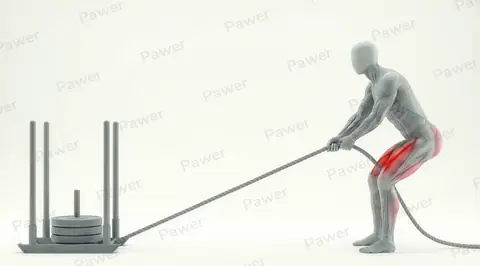
Hang Power Clean, Sled Pull, and Bodyweight Alternating Lateral Lunge train the same primary muscles as the Hang Clean. Pick whichever one suits the equipment in front of you.
Work out your Hang Clean weights
Estimate your max from a recent set, then find the weight for your next one.
- One Rep Max CalculatorTurn a recent set into an estimated max. Compare Epley, Brzycki and Lombardi, then read off your training percentages and every rep max from 2RM to 12RM.
- RPE CalculatorRate a set by effort, get an estimated max, and read off the weight for your next target. Includes a full RPE chart of percentages by reps and effort.
- Barbell Plate CalculatorSee which plates go on each side of the bar for any weight, using only what your gym stocks. Count a loaded bar, add collars, and switch bars.
- Warm-Up CalculatorGet every warm-up set for your working weight, with reps, rest and the plates per side. Ramps for work sets, heavy singles, meets and 5x5 programs.
Similar exercises
By muscle
Every exercise is mapped to the muscles it trains. Browse by what you want to build.
By equipment
A full gym, a pair of dumbbells, or nothing at all: browse by what you have.