Snatch-Grip High Pull
 Anton YefanovUpdated
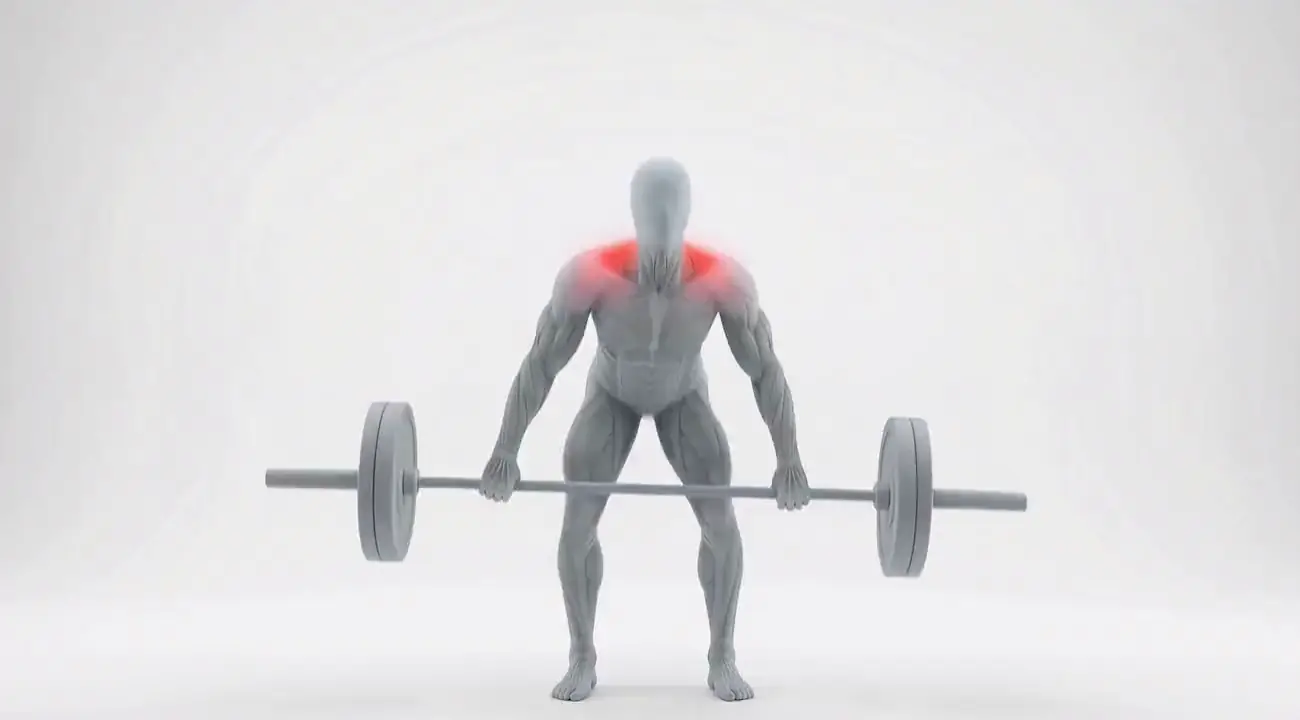
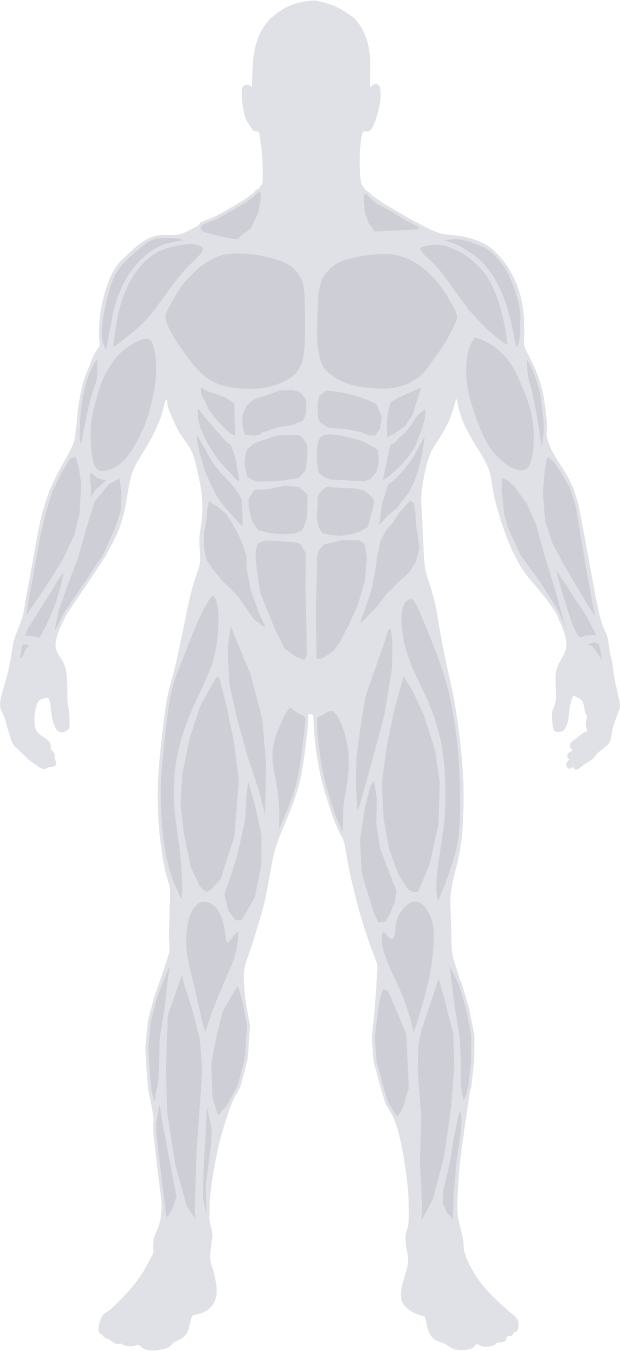
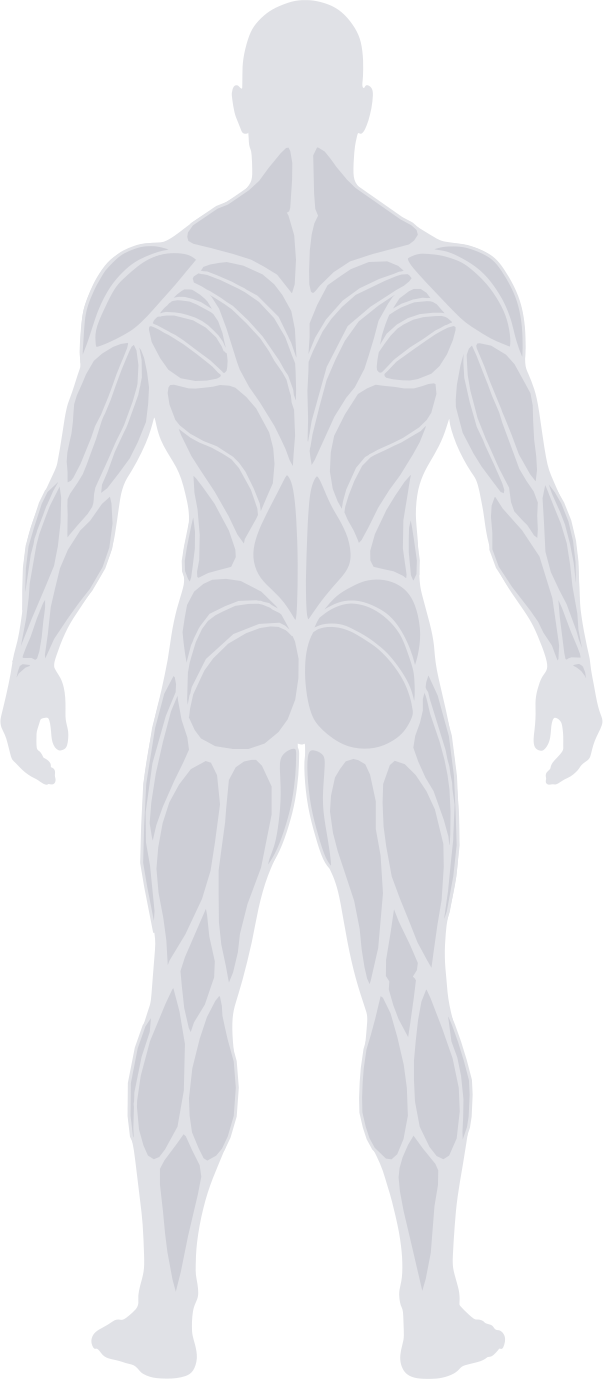
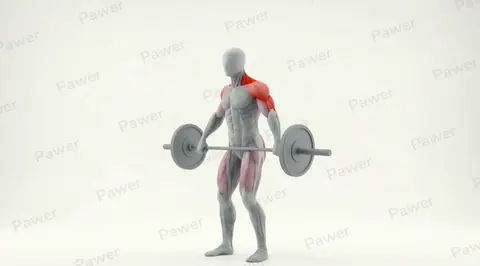
The snatch-grip high pull is a snatch pull with a continued arm pull on the end. You set a wide snatch grip, extend the hips and knees explosively from the power position, shrug hard, then keep pulling so the elbows travel high and outside while the bar stays against the body. It exists to train the timing between the lower-body extension and the arm pull, and it is loaded at roughly seventy to ninety percent of the best snatch so elbow height is not compromised. The traps take the target load, with the glutes, hamstrings, quadriceps, shoulders and upper back supporting.
How to do the Snatch-Grip High Pull
- Take a wide snatch grip on the bar and set your feet at shoulder width with the toes turned out slightly.
- Stand tall, brace your trunk and pull your shoulders back so the lats hold the bar close.
- Dip into the power position by pushing the hips back and letting the bar slide down the thighs.
- Drive through the whole foot and extend the knees and hips explosively.
- Shrug the traps hard, then keep pulling so the elbows rise high and outside the bar.
- Let the bar settle back down the thighs under control and reset for the next rep.
Muscles worked
- Secondary:
- Glutes, Hamstrings, Quads, and Back
Why train it
- Trains the transition from leg and hip extension into the arm pull.
- Builds trap and upper back strength with heavy pulling loads.
- Reinforces a close bar path without needing to catch the lift.
Common mistakes
- Using a clean-width grip, which changes the bar path and the muscle emphasis the lift is named for.
- Bending the elbows before full extension, which cuts the hip drive and lowers the pull height.
- Letting the bar swing away from the body, which turns the pull into an upright row.
- Loading past the point where the elbows can finish high, which defeats the purpose of the variant.
Frequently asked questions
What muscles does the Snatch-Grip High Pull work?
The Snatch-Grip High Pull trains the traps and shoulders as the main targets. Expect the glutes, hamstrings, quads, and back to take some of the load as well.
What equipment do I need for the Snatch-Grip High Pull?
The Snatch-Grip High Pull needs a barbell. Nothing beyond that is required to run the movement the way it is described above.
Is the Snatch-Grip High Pull suitable for beginners?
With some training behind you. The Snatch-Grip High Pull is rated intermediate, which means the setup matters as much as the effort. It is a reasonable first month goal rather than a first session one, and the alternatives below are the easier way in.
Can I do the Snatch-Grip High Pull at home?
Yes, if you own a barbell. That is the whole requirement, and it is the reason this one travels well between a home setup and a gym floor.
How many sets and reps of the Snatch-Grip High Pull should I do?
Three to five sets of 5 to 8 reps for strength, or 8 to 12 for size. A hinge is heavy on the lower back, so leave a rep in the tank and rest two to three minutes between sets.
What are good alternatives to the Snatch-Grip High Pull?
Smith Machine Bent-Over Row, Band High Face Pull, and Cable Bar Face Pull train the same primary muscles as the Snatch-Grip High Pull. Pick whichever one suits the equipment in front of you.
Work out your Snatch-Grip High Pull weights
Estimate your max from a recent set, then find the weight for your next one.
- One Rep Max CalculatorTurn a recent set into an estimated max. Compare Epley, Brzycki and Lombardi, then read off your training percentages and every rep max from 2RM to 12RM.
- RPE CalculatorRate a set by effort, get an estimated max, and read off the weight for your next target. Includes a full RPE chart of percentages by reps and effort.
- Barbell Plate CalculatorSee which plates go on each side of the bar for any weight, using only what your gym stocks. Count a loaded bar, add collars, and switch bars.
- Warm-Up CalculatorGet every warm-up set for your working weight, with reps, rest and the plates per side. Ramps for work sets, heavy singles, meets and 5x5 programs.
Similar exercises
By muscle
Every exercise is mapped to the muscles it trains. Browse by what you want to build.
By equipment
A full gym, a pair of dumbbells, or nothing at all: browse by what you have.