Barbell Trap Exercises
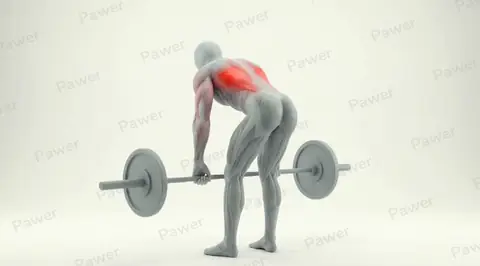
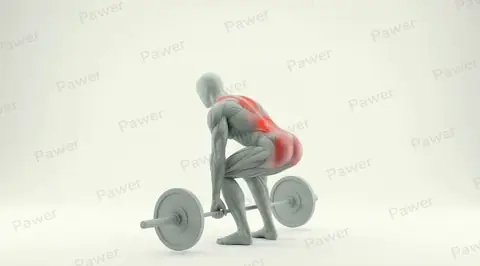
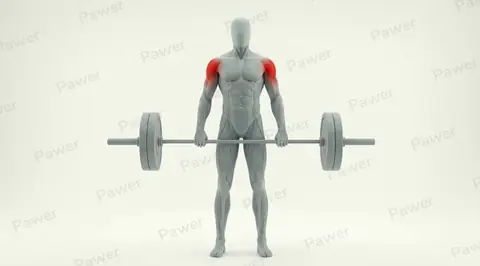
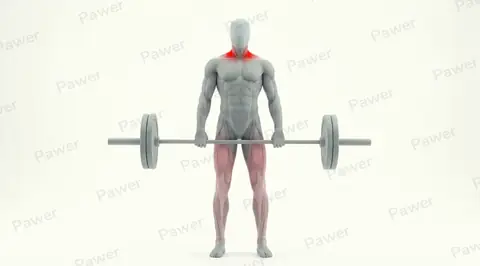
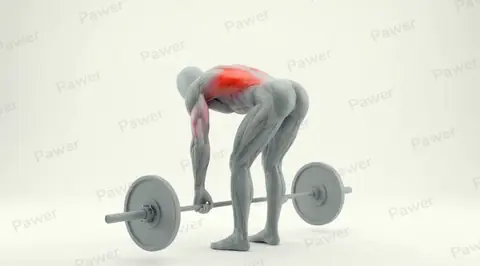
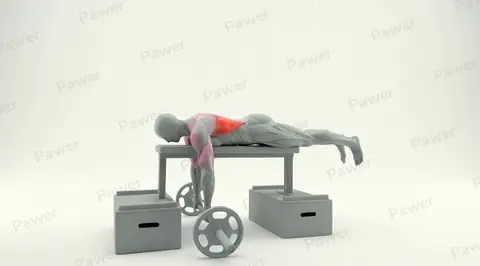
The traps grow from two things: shrugging under heavy load, and holding heavy load while something else moves. Both are on this page. Barbell and trap bar shrugs are the direct work, and the behind-the-back shrug changes the line of pull so the bar travels closer to your centre of mass. Rack pulls let you handle more weight than a full deadlift, which is why they are a trap exercise as much as a back one.
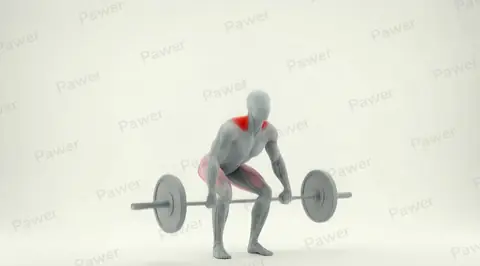
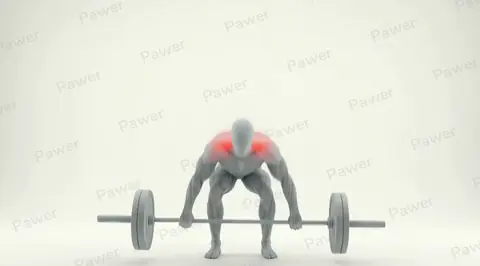
The second group is the explosive pulls: hang cleans, power cleans, snatch pulls and high pulls. The upper traps are what finish the bar's upward travel in every one of them, and they get loaded ballistically in a way no shrug can match. They take more practice than a shrug, but they build the upper back in a way that shows.
Beginner4
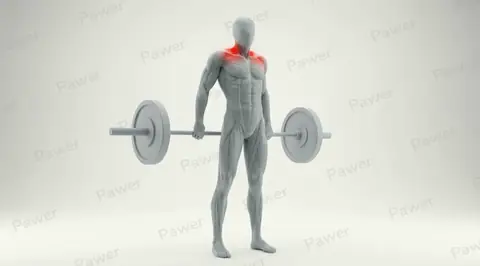
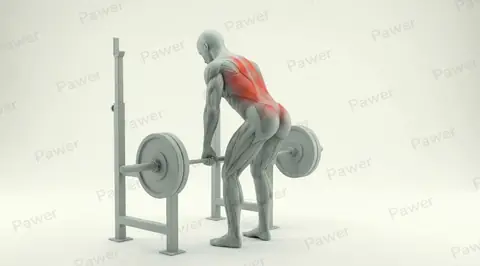
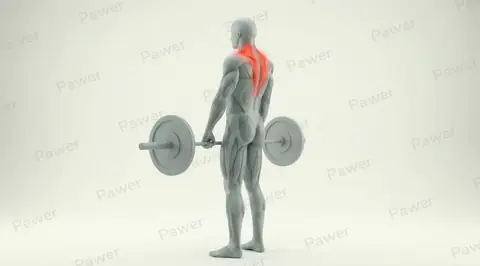
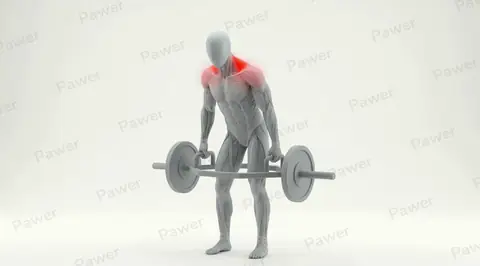
Intermediate8
Advanced1
Other equipment for Traps
Frequently asked questions
Do I need to shrug at the top of a deadlift?
No. Shrugging at lockout adds nothing to the deadlift and puts the shoulder in a poor position under maximum load. The deadlift already trains the traps isometrically for its whole duration. Shrug separately if you want direct work.
How heavy should barbell shrugs be?
Heavy, but not so heavy that the bar stops moving. The traps have a short range, so people load them until the rep becomes an imperceptible twitch. Use a weight you can actually raise and lower deliberately, and hold the top for a second.
Are cleans a good trap exercise?
Very good, provided you can do them. The second pull of a clean is effectively an explosive shrug against a heavy bar. The catch is technical: if the lift is still being learned, the loads stay too light to be a growth stimulus and shrugs will do more.