Machine Trap Exercises
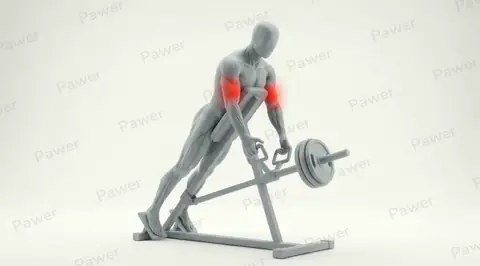
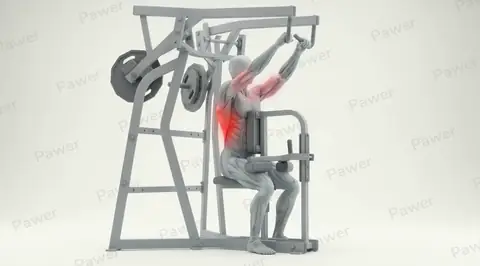
The argument for training traps on a machine is fatigue. Heavy shrugs and rows are limited by grip and by how long your lower back can hold a bent-over position, not by the traps themselves. A chest-supported T-bar row or a Hammer Strength high row removes both constraints, so the set ends when the traps are done rather than when your position falls apart.
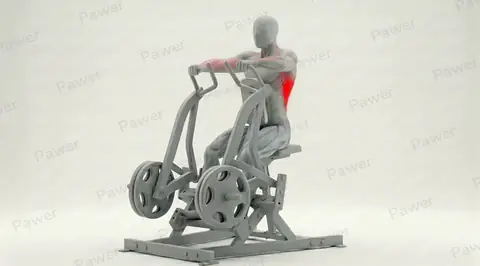
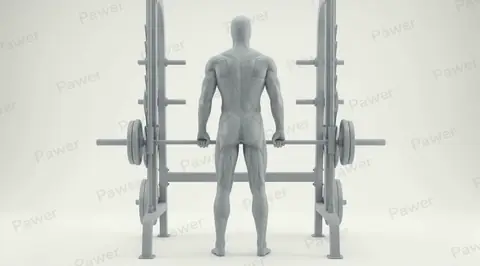
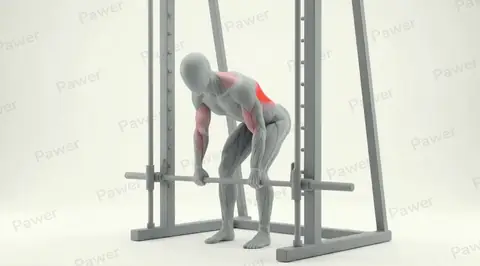
The Smith machine shrug is the loading option: the bar runs on rails, so you can go as heavy as your grip allows without any balance demand, and the safety hooks mean you can rack it the moment the reps stop moving. The high row is the most trap-specific of the group, because pulling toward the upper chest drives the shoulder blade up and back at the same time.
Beginner4
Intermediate1
Other equipment for Traps
Frequently asked questions
Are machine shrugs as good as free-weight shrugs?
For the traps themselves, yes, and often better, because you can load them heavily without the lower back or balance becoming the limiting factor. You lose the stabilising work, which matters less for a muscle trained in such a short range.
What does a high row do that a normal row does not?
Pulling toward the upper chest or chin rather than the waist moves the load from the lats onto the upper traps and rear delts. It is the machine equivalent of a face pull done with serious weight.
Will straps help my trap training?
Yes, more than for almost any other exercise. Trap work is limited by grip long before the traps are tired, and straps let you train the target muscle to actual failure. Keep some grip work elsewhere in the programme.