Dumbbell Trap Exercises
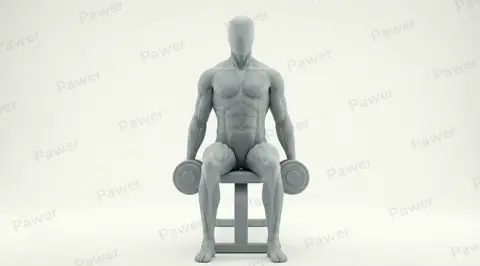
A dumbbell shrug beats a barbell shrug on range. With the weights hanging at your sides rather than in front of your thighs, nothing blocks the shoulders and they can travel further up and further down. The seated version removes any chance of bouncing with the legs, which makes it the stricter of the two.
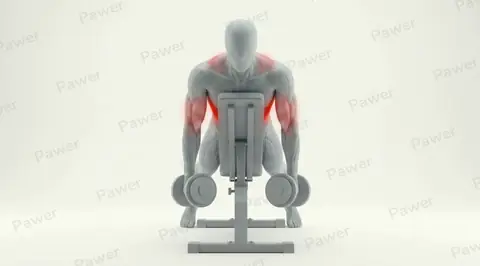
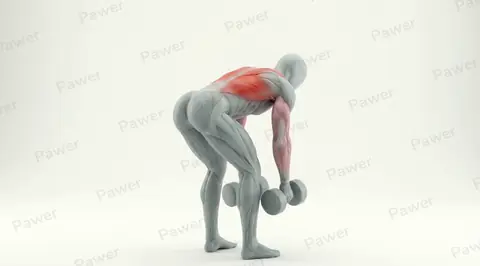
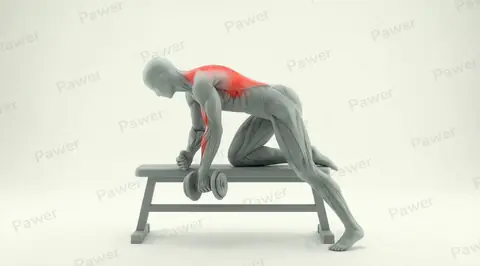
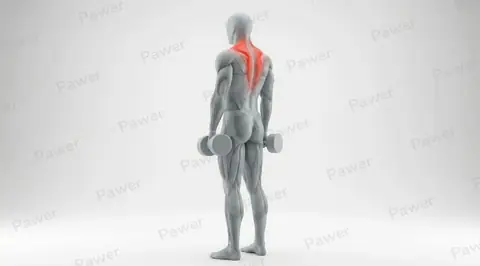
The rows on this page are not a mistake. Any row done with the elbow travelling past the torso loads the middle trapezius heavily as the shoulder blade retracts, which is why the chest-supported dumbbell row and the single-arm row show up under traps as well as back. Shrugs build the upper traps; rows build the middle and lower ones that hold your shoulder blades in place.
Beginner5
Other equipment for Traps
Frequently asked questions
Dumbbell or barbell shrugs?
Dumbbells for range and comfort, barbell for load. The dumbbell version lets the shoulders move through a longer path because the weights are beside you instead of in front. If you can go heavy without shortening the rep, the barbell moves more total weight.
Should I roll my shoulders during a shrug?
No. The traps elevate the shoulder blade. They do not rotate it in a circle. Rolling adds a shear component at the shoulder without adding any trap stimulus. Straight up, pause, straight down.
Why are rows listed as trap exercises?
Because the trapezius is a large sheet covering the upper and middle back, not just the part beside your neck. Retracting the shoulder blade during a row is a middle-trap action, and rows train that region harder than shrugs do.