Barbell Shrug
 Anton YefanovUpdated
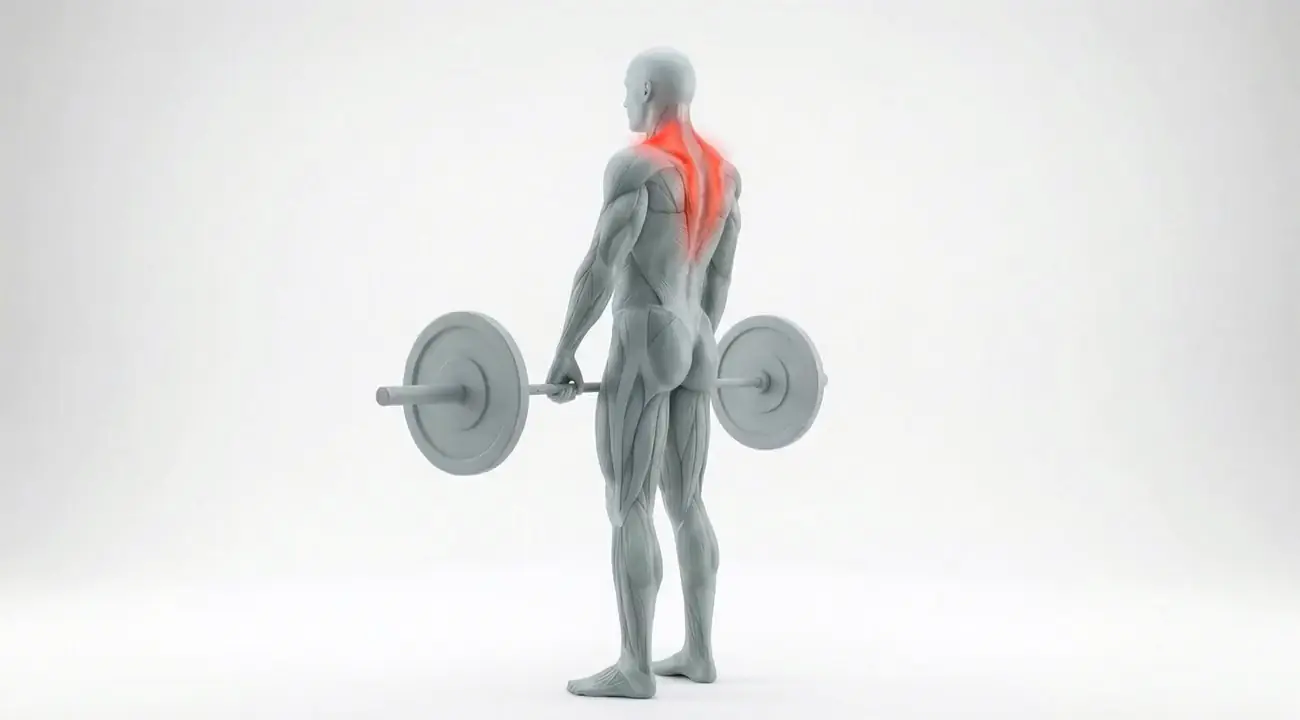
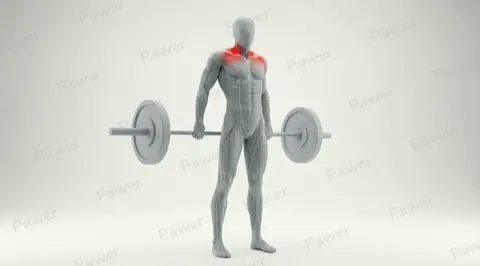
The barbell shrug is the most direct upper-trap exercise in any program. Standing tall with a barbell at the hips, the lifter shrugs the shoulders straight up toward the ears, loading the traps with a heavy isolated contraction. It builds the muscle that gives the upper torso its capped, dense look, and it pairs naturally with rows and deadlifts on any pull day.
How to do the Barbell Shrug
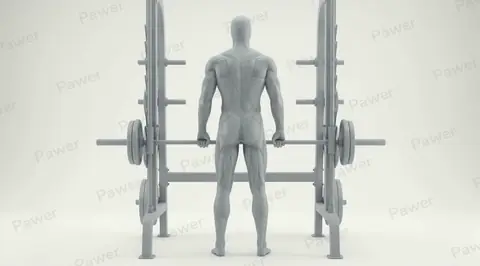
- Stand tall with feet hip-width apart and grip the barbell at the hips with hands shoulder-width apart.
- Pull your shoulders down and back to start in a neutral position with arms fully extended.
- Brace your core and keep the chest up so the torso stays still through the lift.
- Shrug your shoulders straight up toward your ears as high as you can without bending the elbows.
- Pause for a second at the top, squeezing the upper traps hard.
- Lower the bar slowly back to the start over 2 to 3 seconds, keeping tension on the traps.
Muscles worked
- Primary:
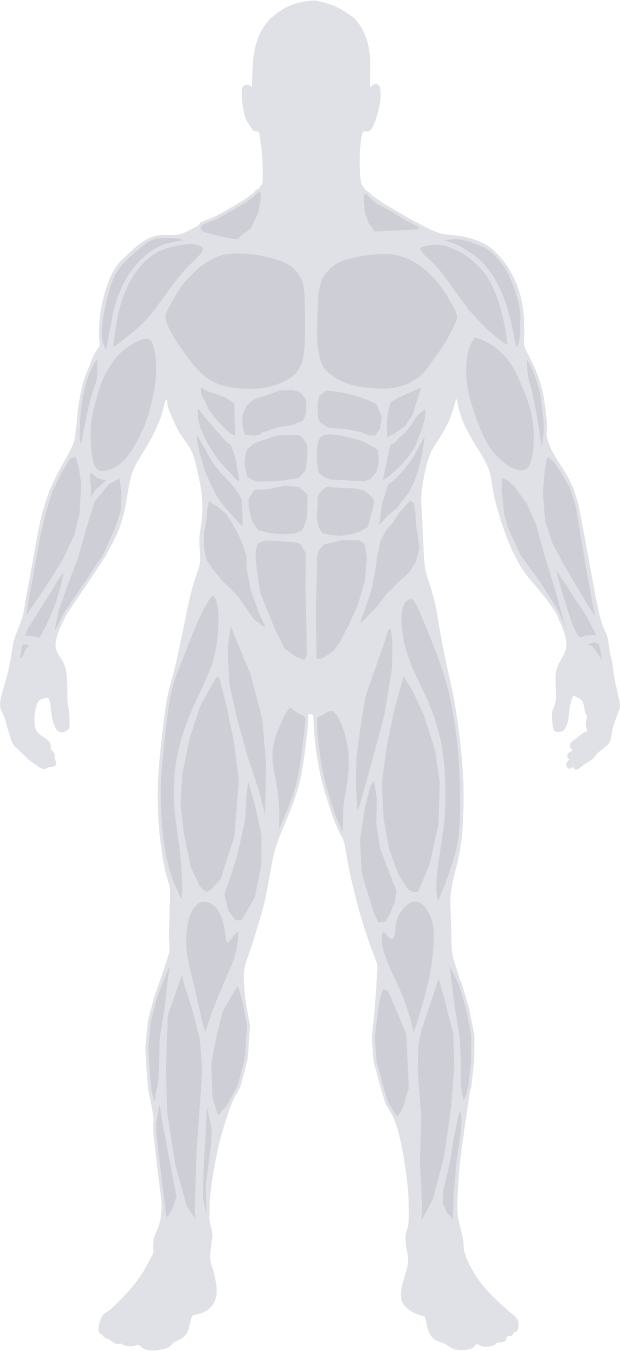
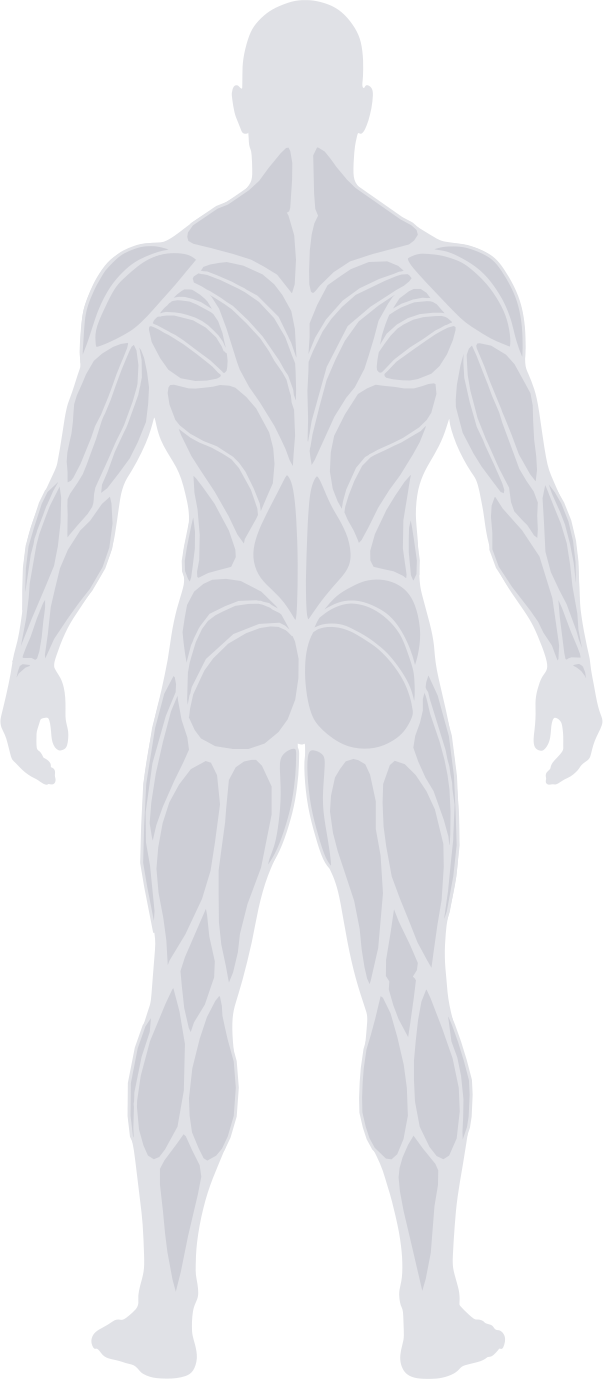
- Traps
Why train it
- Builds upper-trap size for a thicker neck-to-shoulder line.
- Strengthens the shrug pattern that supports heavy carries and deadlifts.
- Strengthens the grip as a side benefit of holding heavy loads.
Common mistakes
- Rolling the shoulders forward and back instead of shrugging straight up, which strains the joints.
- Bending the elbows to help cheat the bar up, which turns the move into a partial upright row.
- Using too much weight and cutting the range short with tiny shrugs that miss the contraction.
- Letting the chin jut forward, which loads the neck instead of the upper traps.
Frequently asked questions
What muscles does the Barbell Shrug work?
The Barbell Shrug trains the traps, and little else. No other group takes a meaningful share of the load, which is what makes this a clean way to target the traps directly.
What equipment do I need for the Barbell Shrug?
Only a barbell. Nothing beyond that is required to run the movement the way it is described above.
Is the Barbell Shrug suitable for beginners?
Yes. The Barbell Shrug is rated beginner: the pattern is quick to pick up and forgiving when a rep drifts. Start light and add weight once the form repeats itself without you thinking about it.
Can I do the Barbell Shrug at home?
Yes, if you own a barbell. That is the whole requirement, and it is the reason this one travels well between a home setup and a gym floor.
How many sets and reps of the Barbell Shrug should I do?
Three to four sets of 10 to 15 reps. Isolation work responds to reps and a controlled tempo rather than load, so stop each set a rep or two short of failure and keep the weight honest.
What are good alternatives to the Barbell Shrug?
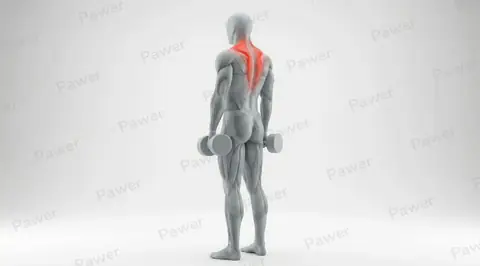
Cable 30 Degree Shrug, Dumbbell Seated Shrug, and Kettlebell Shrug train the same primary muscles as the Barbell Shrug. Pick whichever one suits the equipment in front of you.
Work out your Barbell Shrug weights
Estimate your max from a recent set, then find the weight for your next one.
- One Rep Max CalculatorTurn a recent set into an estimated max. Compare Epley, Brzycki and Lombardi, then read off your training percentages and every rep max from 2RM to 12RM.
- RPE CalculatorRate a set by effort, get an estimated max, and read off the weight for your next target. Includes a full RPE chart of percentages by reps and effort.
- Barbell Plate CalculatorSee which plates go on each side of the bar for any weight, using only what your gym stocks. Count a loaded bar, add collars, and switch bars.
- Warm-Up CalculatorGet every warm-up set for your working weight, with reps, rest and the plates per side. Ramps for work sets, heavy singles, meets and 5x5 programs.
Similar exercises
By muscle
Every exercise is mapped to the muscles it trains. Browse by what you want to build.
By equipment
A full gym, a pair of dumbbells, or nothing at all: browse by what you have.