Barbell Quad Exercises
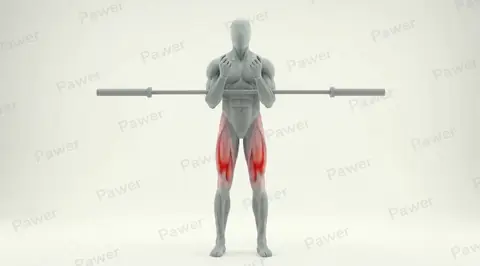
The squat is the centre of this page, and which version you choose decides how much of it is quad work. A front squat or Zercher squat holds the load in front of you and forces an upright torso, which keeps the knees travelling forward and the quads under the most load. A back squat lets the torso lean and shares more of the work with the hips and glutes.
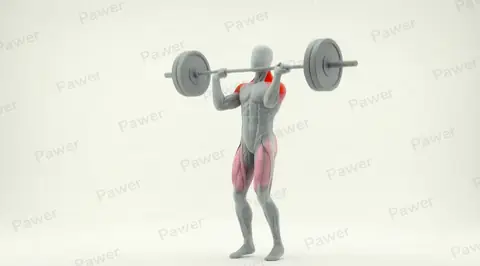
The single-leg barbell work of split squats, reverse lunges and step-ups with a knee drive is the accessory that builds one quad at a time and evens out side-to-side differences. The clean and jerk variations sit here because catching a bar in a front rack position is a loaded front squat under fatigue, and because driving out of the catch is about as much force as a quad will ever produce.
Beginner1
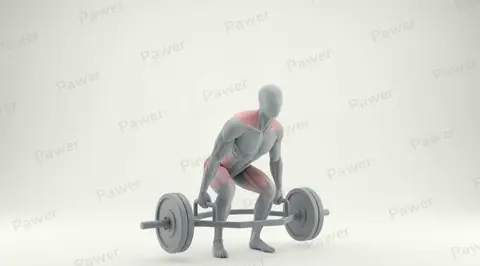
Intermediate13
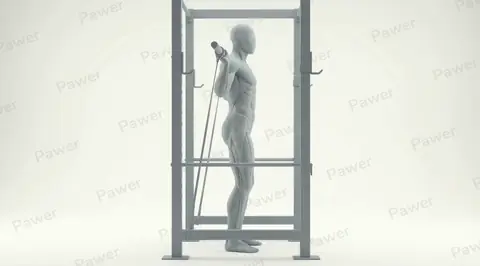 Barbell Banded Back SquatBarbell
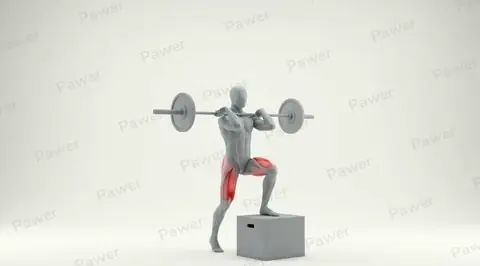 Barbell Front Rack Step Up Knee DriveBarbell
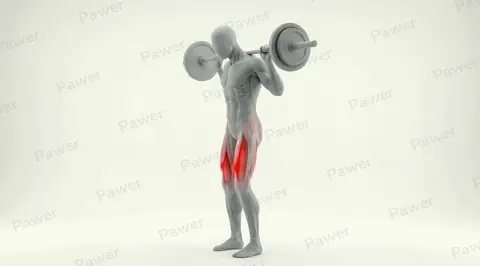 Barbell Reverse LungeBarbell
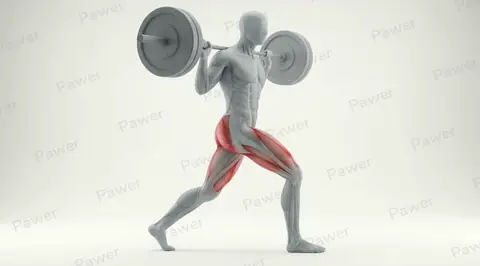 Barbell Split SquatBarbell
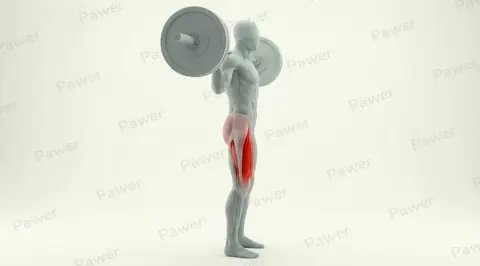 Barbell SquatBarbell
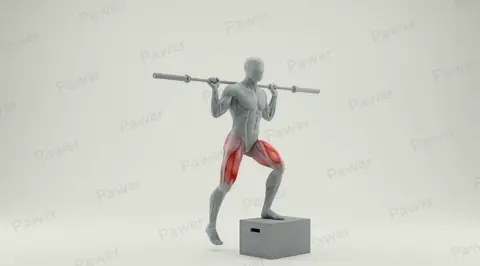 Barbell Step Up Knee DriveBarbell
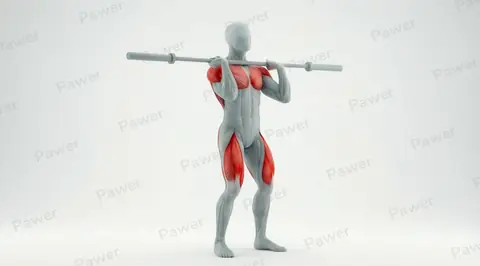 Barbell ThrusterBarbell
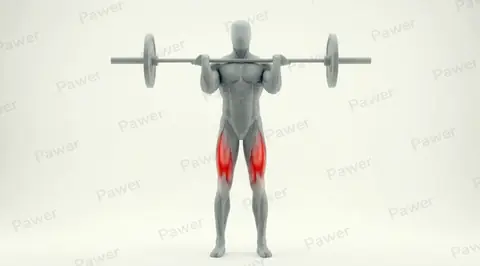 Front SquatBarbell
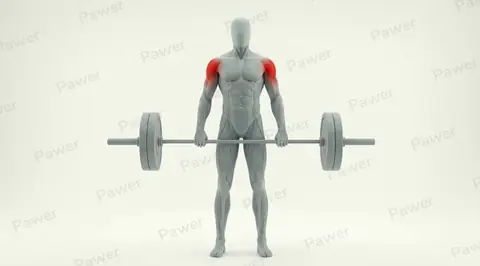 Hang CleanBarbell
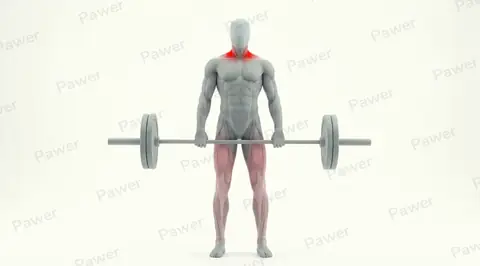 Hang Power CleanBarbell
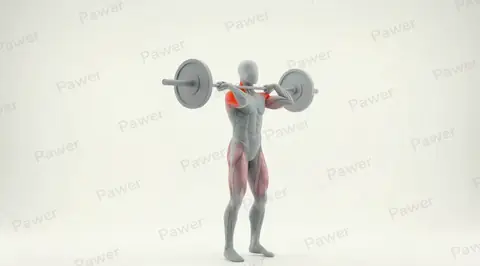 Push JerkBarbell
 Split JerkBarbell
 Zercher SquatBarbell
Advanced3
Other equipment for Quads
Frequently asked questions
Front squat or back squat for quads?
Front squat. Holding the bar on the front of your shoulders forces you to stay upright, which keeps the knees flexed deeply and the quads doing most of the work. You will use less weight than a back squat, and that is expected.
How deep should I squat for quad growth?
As deep as you can go with a neutral spine and heels down. The quads are loaded most in the bottom third of a squat, so cutting the depth removes exactly the range that builds them. If depth is limited, work on ankle and hip mobility rather than adding weight.
Is the Zercher squat worth doing?
It is an excellent quad and upper-back exercise if you can tolerate the bar in your elbow crease. Holding the load that far in front demands an extremely upright torso, so it is about as quad-dominant as a barbell squat gets.