Bodyweight Quad Exercises
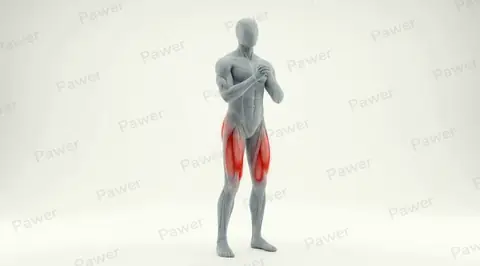
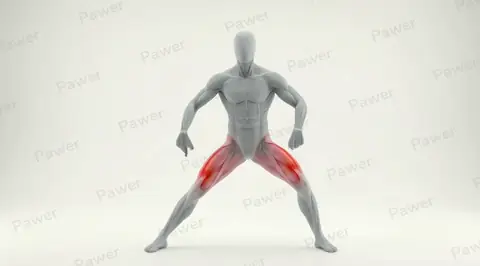
Quad training without weights works by shifting load onto one leg and by changing how long the muscle spends under tension. A two-legged bodyweight squat stops being hard quickly; a Bulgarian split squat, a Cossack squat or a single-leg step-down puts most of your weight through one knee and stays hard for a long time.
Tempo is the other lever. A wall sit and a split squat isometric hold load the quads without any movement at all and are brutally effective for it. A pause squat adds time in the hardest position. And the jumping variations of box jump, jump squat and jumping jack train the quads to produce force quickly, which is a different quality from strength and worth having.
Beginner15
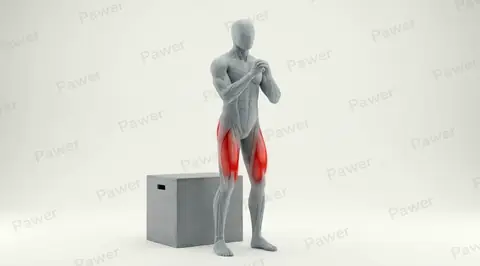 Bodyweight Box SquatBodyweight
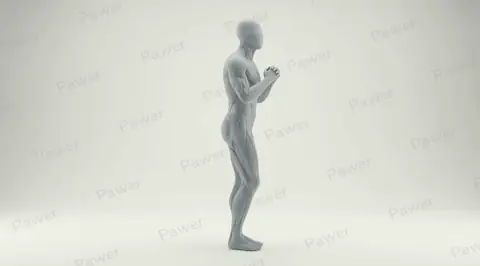 Bodyweight Reverse LungeBodyweight
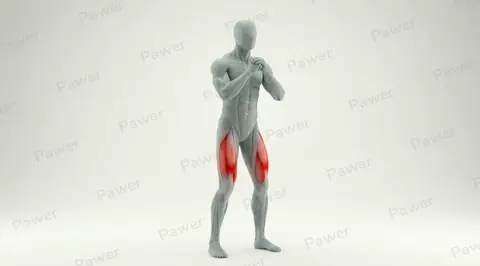 Bodyweight SquatBodyweight
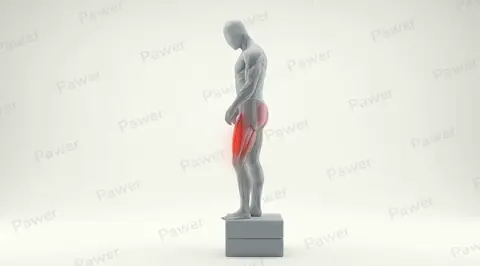
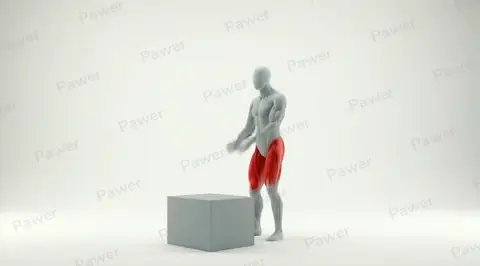 Box JumpBodyweight
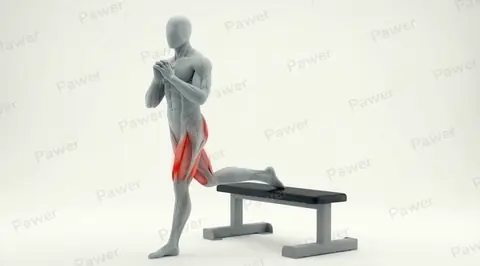 Bulgarian Split SquatBodyweight
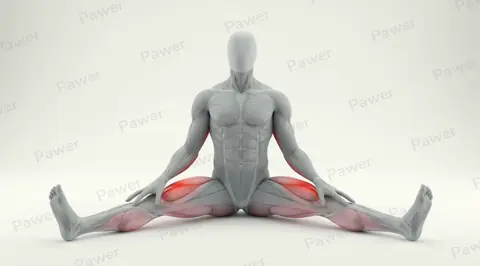 Cycling CooldownBodyweight
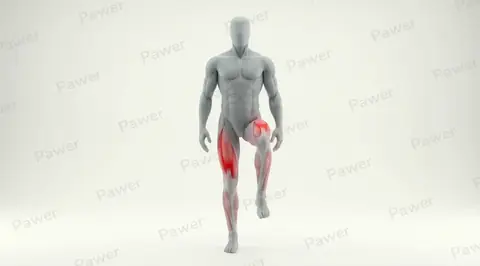 Cycling WarmupBodyweight
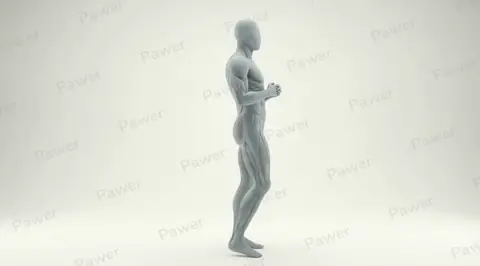 Forward LungeBodyweight
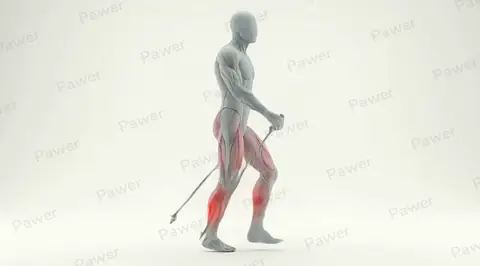 HikingBodyweight
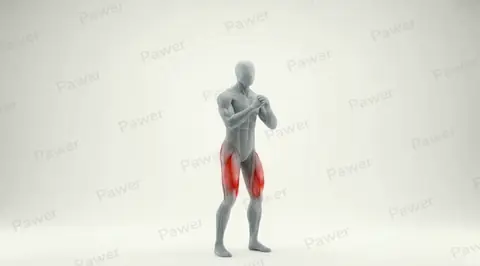 Jump SquatsBodyweight
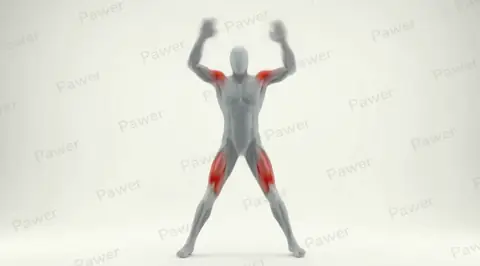 Jumping JackBodyweight
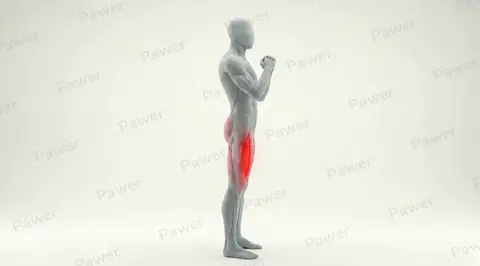 Pause SquatBodyweight
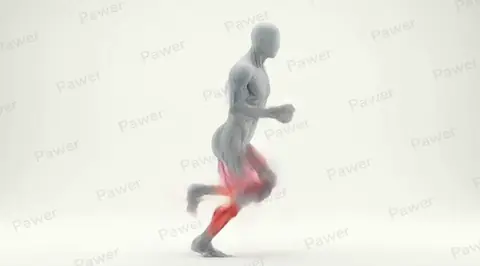
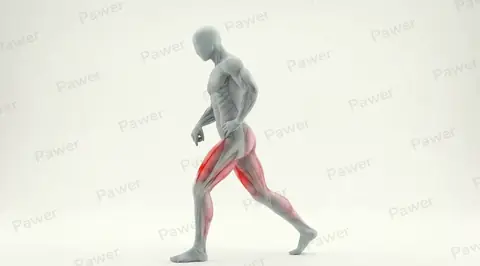 Running CooldownBodyweight
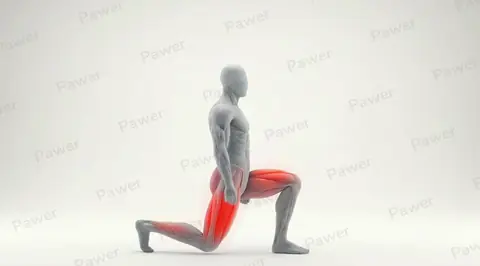 Split Squat Isometric HoldBodyweight
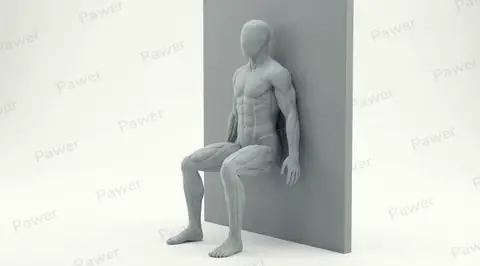 Wall SitBodyweight
Intermediate8
Advanced1
Other equipment for Quads
Frequently asked questions
How do I build quads without weights?
Move to one leg and slow down. Bulgarian split squats, single-leg step-downs and Cossack squats load one quad at a time; adding a three-second descent and a pause at the bottom makes them harder still. Both beat doing more bodyweight squats.
Do wall sits build muscle?
They build quad endurance and some size, especially in beginners, because the muscle is under continuous tension with no rest. They will not build maximum strength, since that needs movement against a heavy load, but they are a genuinely hard quad exercise that needs no equipment.
Are squats or lunges better for quads?
Lunges and split squats load one leg at a time, so they stay challenging with bodyweight where squats do not. A squat with an upright torso is more quad-dominant per rep, but with no weight it is usually too easy to matter.