Bodyweight Squat
 Anton YefanovUpdated
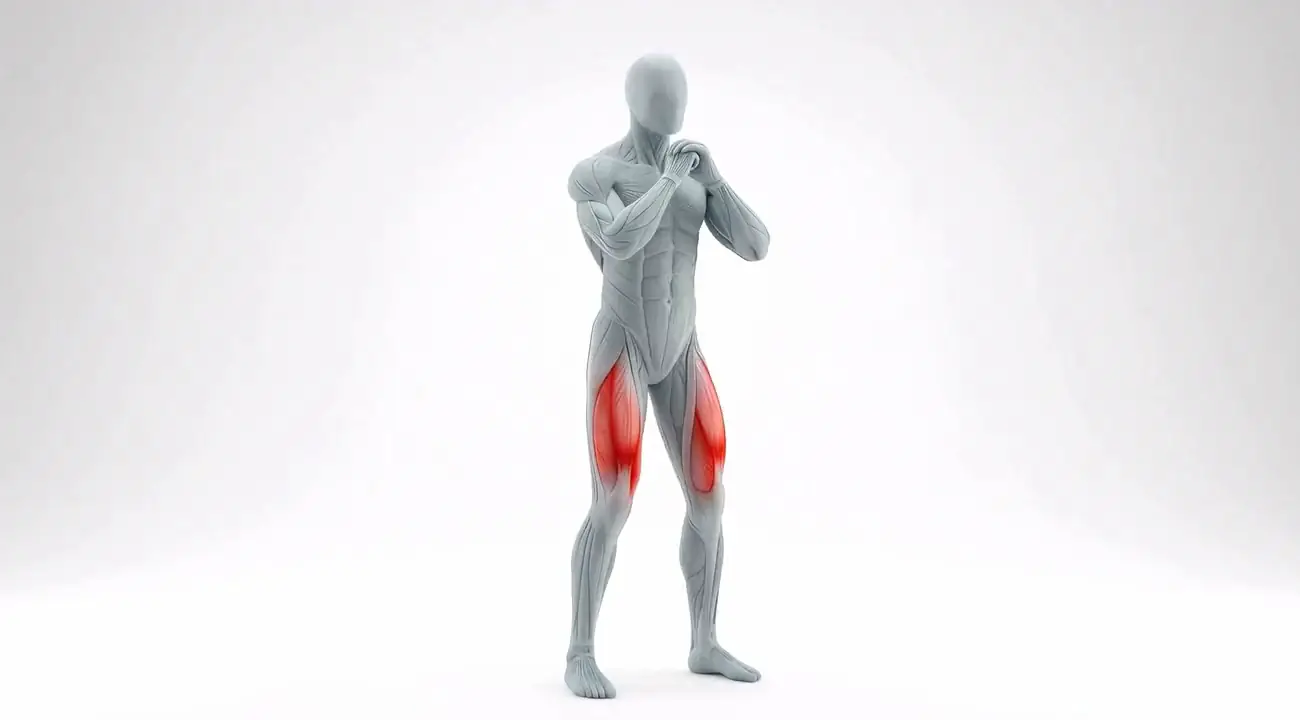
The bodyweight squat is the foundational leg pattern in human movement. By sitting the hips back and down with the chest tall, it trains the quads, glutes, and inner thighs through a full hip-and-knee bend. It is the clearest test of squat mechanics any program can use, and the prerequisite for every loaded squat variation that comes later.
How to do the Bodyweight Squat
- Stand tall with feet shoulder-width apart and your toes pointed slightly outward.
- Brace your core, lift your chest, and extend your arms straight out for balance.
- Sit your hips back and down as if lowering into a chair, keeping your weight in your heels.
- Lower until your thighs are at least parallel to the floor, with knees tracking over your toes.
- Keep your chest tall and your spine neutral throughout the descent, with no rounding at the bottom.
- Drive through your heels to stand back up, squeezing your glutes hard at the top of the rep.
Muscles worked
Why train it
- Builds the quads, glutes, and inner thighs with no equipment.
- Teaches the foundational squat pattern for every loaded variation.
- Improves lower-body mobility and balance in any setting.
Common mistakes
- Letting the knees cave inward, which weakens the squat and loads the knee joint badly.
- Squatting straight down instead of sitting the hips back, which puts all the work on the knees.
- Lifting the heels off the floor at the bottom, which kills balance and reduces glute drive.
- Cutting the depth short and squatting only halfway, which robs the lift of glute and quad work.
Frequently asked questions
Can bodyweight squats build muscle?
Yes, for beginners and in high-rep sets close to failure. Once you can do 30 or more without much effort, they stop being hard enough to build much more. Then make them harder with a slower lowering phase, a pause at the bottom, a backpack, or a single-leg version like the Bulgarian split squat.
How many bodyweight squats should you do a day?
There is no magic number. For building strength, two to four sets of 15 to 25 reps a few times a week is a good start. A daily habit of 20 to 50 squats is fine for mobility and general fitness. Stop each set while your form is still clean.
Are bodyweight squats good for your knees?
Yes, for most people. They strengthen the muscles around the knee without heavy load, and they are a common part of knee rehab. Keep your knees tracking over your toes and squat to a depth you can control. Sitting back to a chair or box is an easier way to start.
Do bodyweight squats burn belly fat?
They burn a few calories, which helps fat loss across your whole body, but no exercise burns fat from one spot. Squats build the large muscles of your legs, and that helps your body use more energy over time. Fat loss itself comes mostly from eating a little less than you burn.
What muscles does the Bodyweight Squat work?
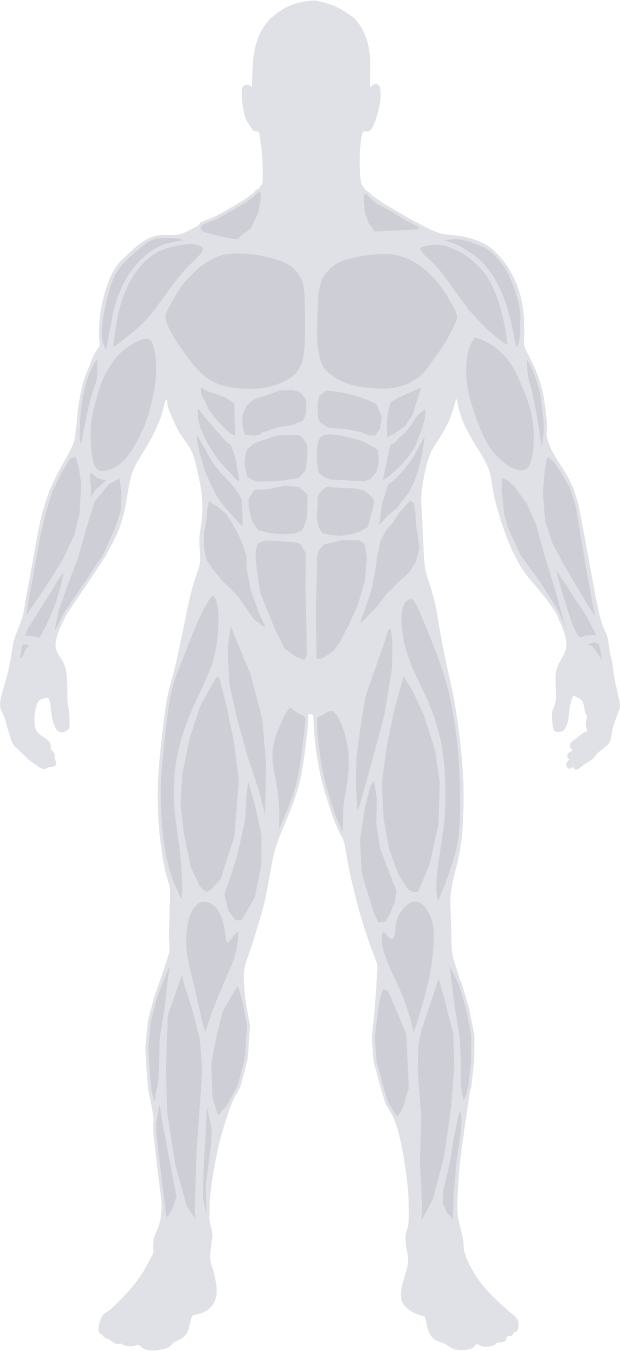
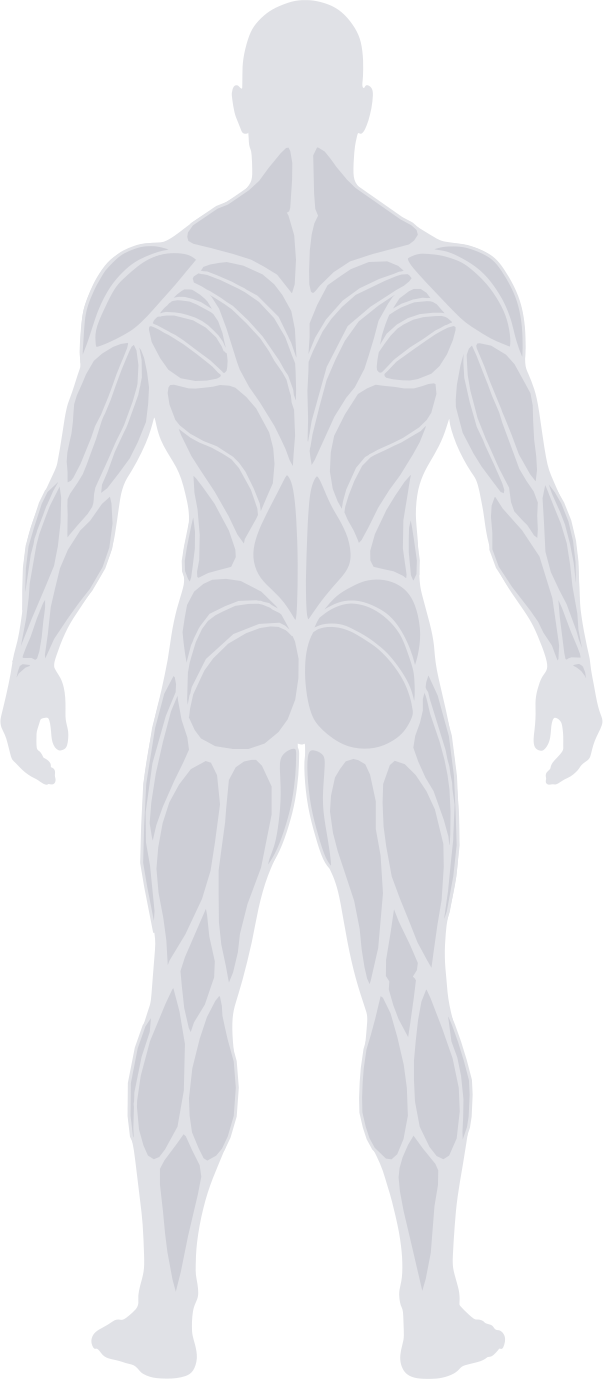
The Bodyweight Squat trains the glutes and quads, and little else. No other group takes a meaningful share of the load, which is what makes this a clean way to target the glutes and quads directly.
What equipment do I need for the Bodyweight Squat?
None. The Bodyweight Squat is a bodyweight movement, so your own weight is the resistance and floor space is the only requirement.
Is the Bodyweight Squat suitable for beginners?
Yes. The Bodyweight Squat is rated beginner: you are the load, so there is no weight to get wrong. Add reps or time only once the position holds from the first of them to the last.
Can I do the Bodyweight Squat at home?
Yes, anywhere. There is nothing to buy and nothing to set up, which makes the Bodyweight Squat one of the movements worth keeping for days you never reach a gym.
How many sets and reps of the Bodyweight Squat should I do?
Three to four sets taken within a rep or two of failure. There is no weight to add here, so progress by slowing the lowering phase, pausing at the hardest point, or moving to a harder variation once you can clear 15 clean reps.
What are good alternatives to the Bodyweight Squat?
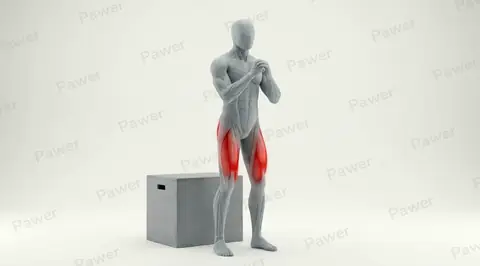
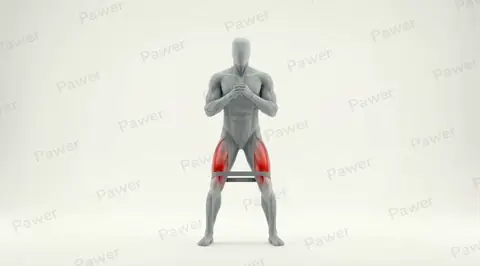
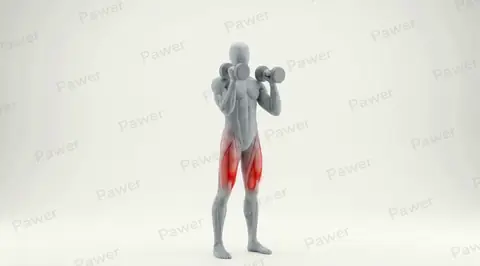
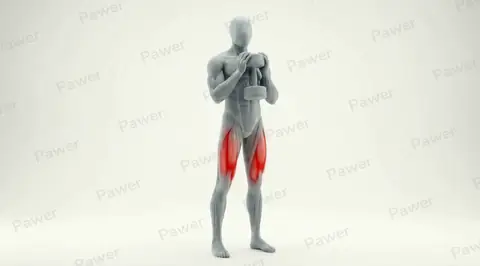
Band Squat, Dumbbell Front Squat, and Machine Leg Press train the same primary muscles as the Bodyweight Squat. Pick whichever one suits the equipment in front of you.
Similar exercises
By muscle
Every exercise is mapped to the muscles it trains. Browse by what you want to build.
By equipment
A full gym, a pair of dumbbells, or nothing at all: browse by what you have.