Bulgarian Split Squat
 Anton YefanovUpdated
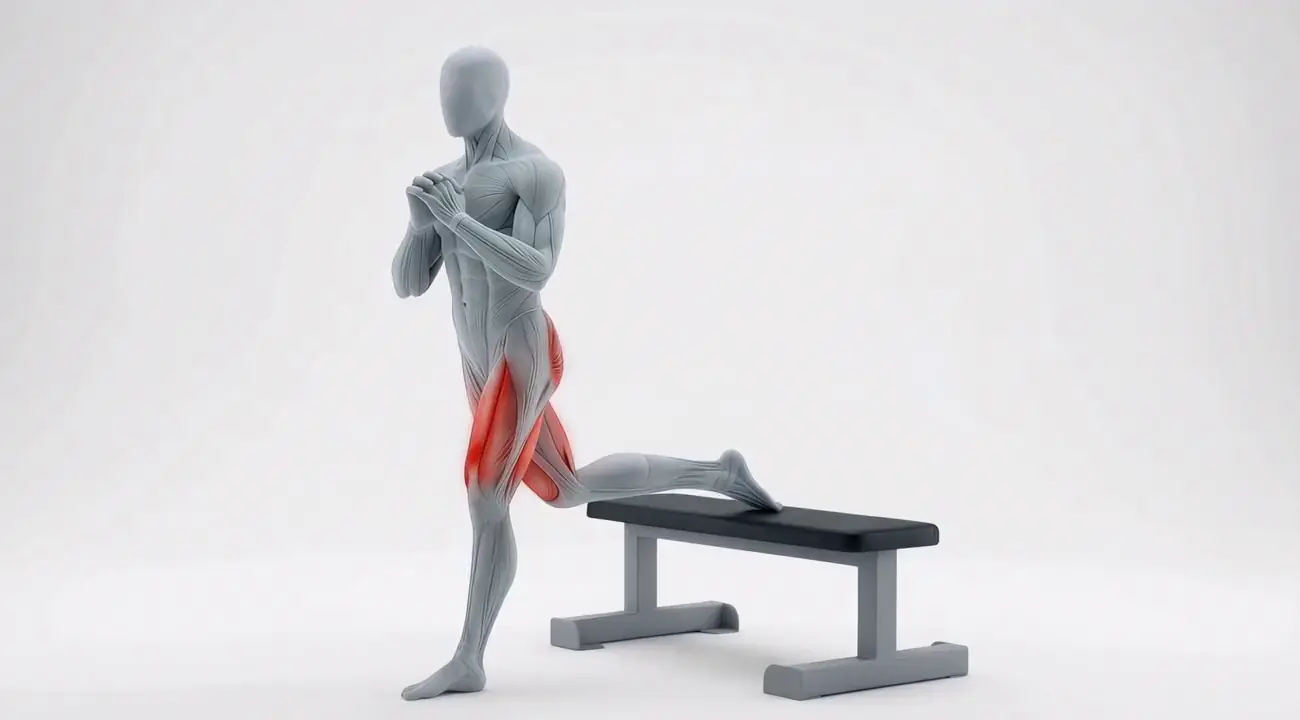
The Bulgarian split squat is the most effective single-leg exercise in lower-body training. By placing the back foot on a bench and sinking into a deep split-stance squat, it loads the front-leg glute and quad through a full range while exposing balance and hip stability gaps that bilateral squats hide. It is brutal, honest, and irreplaceable.
How to do the Bulgarian Split Squat
- Stand a stride-length away from a bench and place the top of your back foot on the bench behind you.
- Square your hips forward and brace your core with your hands on your hips or at your chest.
- Lower your back knee straight down toward the floor while keeping your front shin near vertical.
- Drop until the back knee is just above the ground and the front thigh is roughly parallel to the floor.
- Keep your weight in the front heel and your chest tall throughout the descent.
- Drive through the front heel to push yourself back up, finishing with the front glute squeezed.
Muscles worked
Why train it
- Builds single-leg strength in the glutes, quads, and hamstrings.
- Exposes and corrects left-right strength imbalances.
- Improves hip stability and balance under load.
Common mistakes
- Standing too close to the bench, which shoves the front knee too far forward and loads the joint.
- Letting the front knee cave inward instead of tracking over the foot.
- Pushing off the back foot instead of driving through the front heel. This robs the front leg of work.
- Twisting the hips to compensate for balance instead of staying square, which kills the unilateral training.
Frequently asked questions
Do Bulgarian split squats work the quads or glutes?
Both, and your stance decides which works more. A shorter stance with a more upright torso puts more of the work on the front thigh's quads. A longer stance with a slight forward lean pushes more onto the glutes. Find the setup that matches the muscle you want to train, then keep it the same every session.
How high should the bench be for Bulgarian split squats?
About knee height, or a little lower. Too high and the back hip flexor gets pulled hard, which limits depth and tips you forward. If the stretch at the front of the back hip is what stops you, drop to a lower step before you change anything else.
Why are Bulgarian split squats so hard?
Because one leg carries nearly all your weight while also balancing it, and the stretch at the bottom is deeper than in most leg exercises. That is also why they work so well. Most people find them hard for the first few weeks, then much easier as their balance improves, so start with bodyweight and add load once the reps feel steady.
Can Bulgarian split squats replace squats?
For building muscle, largely yes. They train the same quads and glutes, need much lighter weights, and put far less load on the spine. What they will not do is build a heavy Barbell Squat, so keep the squat if lifting more on it is one of your goals.
Are Bulgarian split squats bad for your knees?
Not when the front foot is far enough forward. Knee pain usually comes from standing too close to the bench, so the front knee shoots far past the toes, or from the knee caving inward. Lengthen the stance a little and keep the knee tracking over the middle of the foot. Many people with knee trouble find them easier than a regular squat.
What muscles does the Bulgarian Split Squat work?
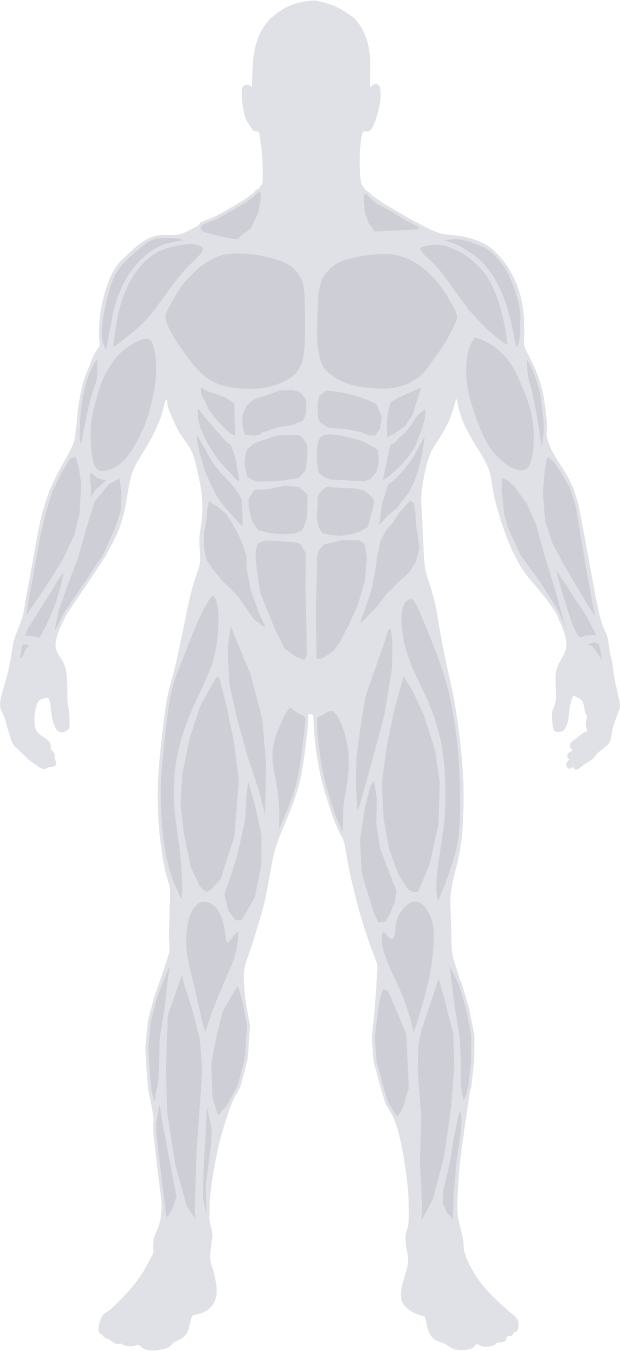
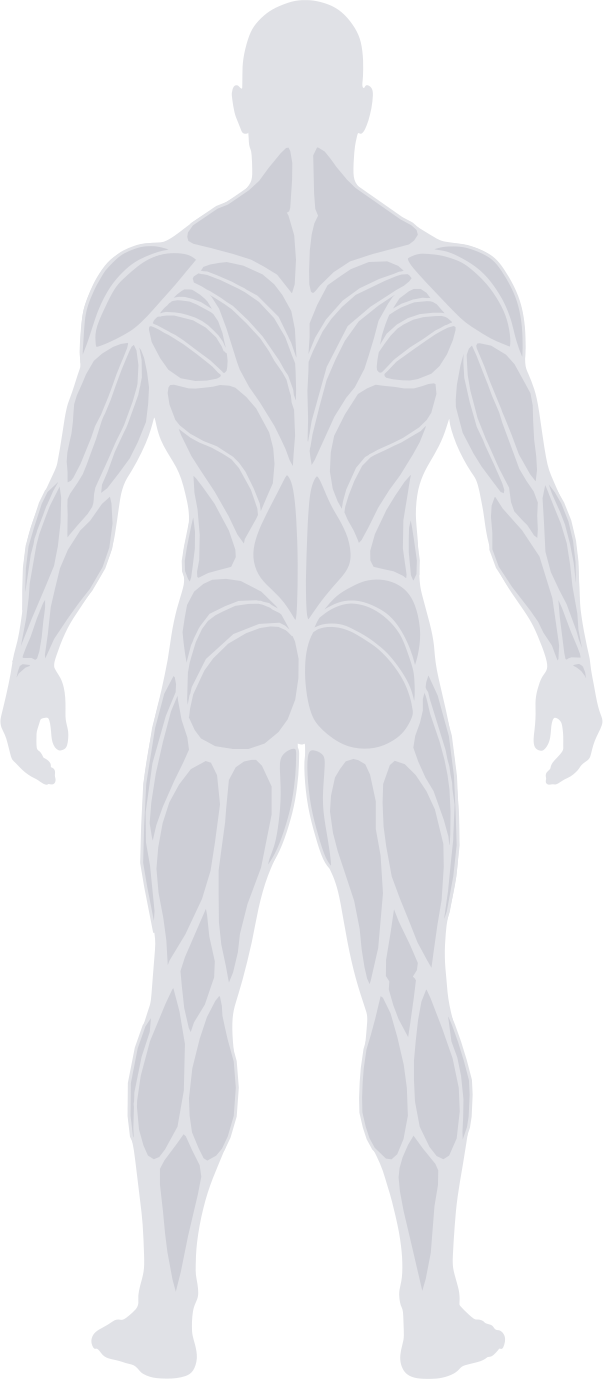
The Bulgarian Split Squat trains the glutes and quads, and little else. No other group takes a meaningful share of the load, which is what makes this a clean way to target the glutes and quads directly.
What equipment do I need for the Bulgarian Split Squat?
Only a bench or step for the rear foot. Your own weight is the resistance, so there is nothing to load.
Is the Bulgarian Split Squat suitable for beginners?
Yes. The Bulgarian Split Squat is rated beginner: you are the load, so there is no weight to get wrong. Add reps or time only once the position holds from the first of them to the last.
Can I do the Bulgarian Split Squat at home?
Yes. All it takes is a bench or step for the rear foot, which most homes can find, so the Bulgarian Split Squat is easy to keep going on days you never reach a gym.
How many sets and reps of the Bulgarian Split Squat should I do?
Three to four sets taken within a rep or two of failure. There is no weight to add here, so progress by slowing the lowering phase, pausing at the hardest point, or moving to a harder variation once you can clear 15 clean reps.
What are good alternatives to the Bulgarian Split Squat?
Dumbbell Goblet Forward Lunge, Kettlebell Assisted Bulgarian Split Squat, and Barbell Split Squat train the same primary muscles as the Bulgarian Split Squat. Pick whichever one suits the equipment in front of you.
Similar exercises
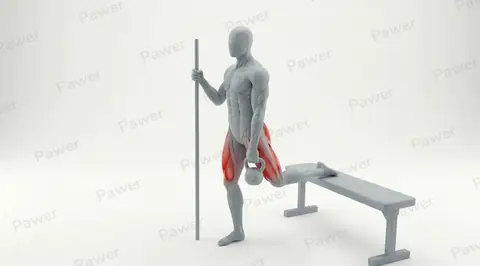 Kettlebell Assisted Bulgarian Split SquatKettlebell
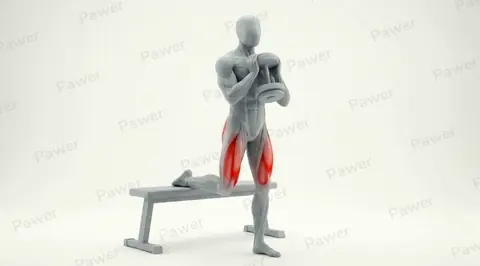 Dumbbell Goblet Bulgarian Split SquatDumbbell
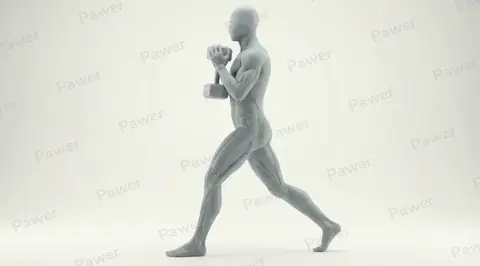 Dumbbell Goblet Split SquatDumbbell
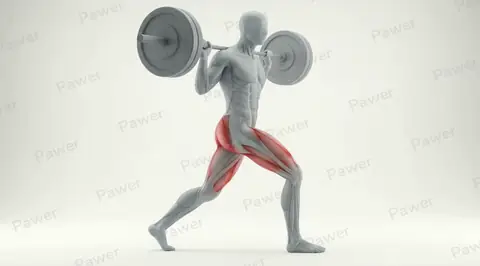 Barbell Split SquatBarbell
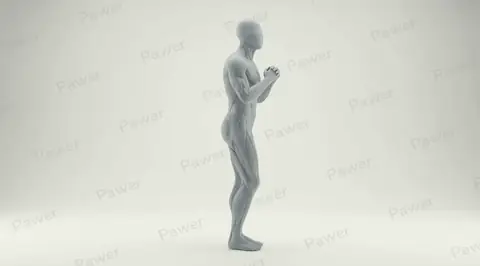 Bodyweight Reverse LungeBodyweight
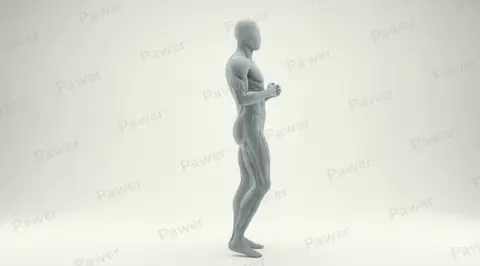 Forward LungeBodyweight
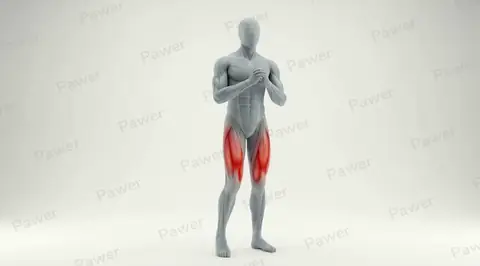 Bodyweight Alternating Lateral LungeBodyweight
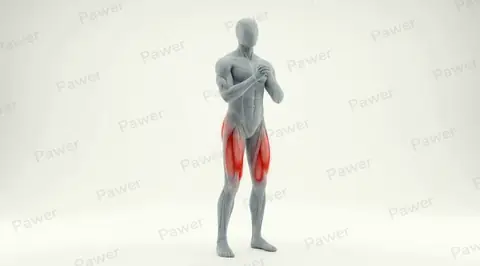 Bodyweight Alternating Reverse LungesBodyweight
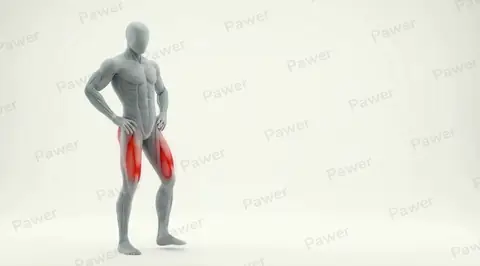 Walking LungeBodyweight
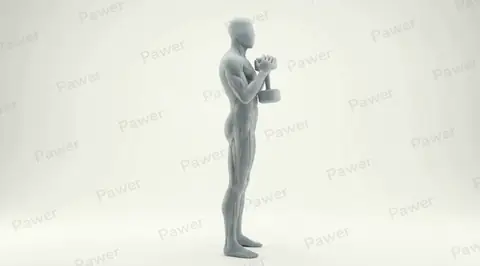 Dumbbell Goblet Forward LungeDumbbell
By muscle
Every exercise is mapped to the muscles it trains. Browse by what you want to build.
By equipment
A full gym, a pair of dumbbells, or nothing at all: browse by what you have.