Walking Lunge
 Anton YefanovUpdated

The walking lunge is a unilateral lower-body exercise where the lifter steps forward into a lunge, then drives off the front foot to bring the back leg through into the next lunge. Each leg works through a full range under load, and the constant forward motion adds a balance and coordination demand that a stationary lunge doesn't have.
How to do the Walking Lunge
- Stand tall with feet hip-width apart, arms relaxed at your sides or hands on your hips.
- Take a long step forward with your right foot and plant it flat on the floor.
- Lower your hips straight down until both knees bend to about 90 degrees.
- Drive through the heel of your front foot to push back up to standing.
- Bring your back leg through and step it forward into the next lunge on the other side.
- Continue alternating sides, walking forward across the floor for the full set.
Muscles worked
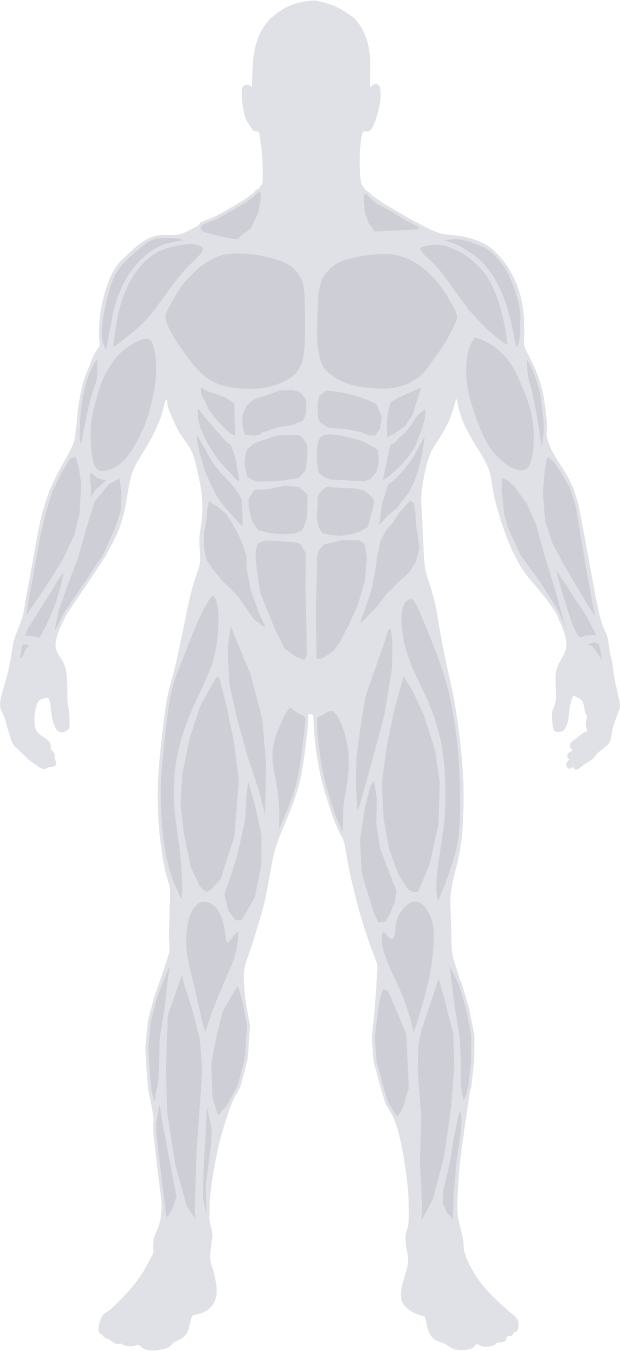
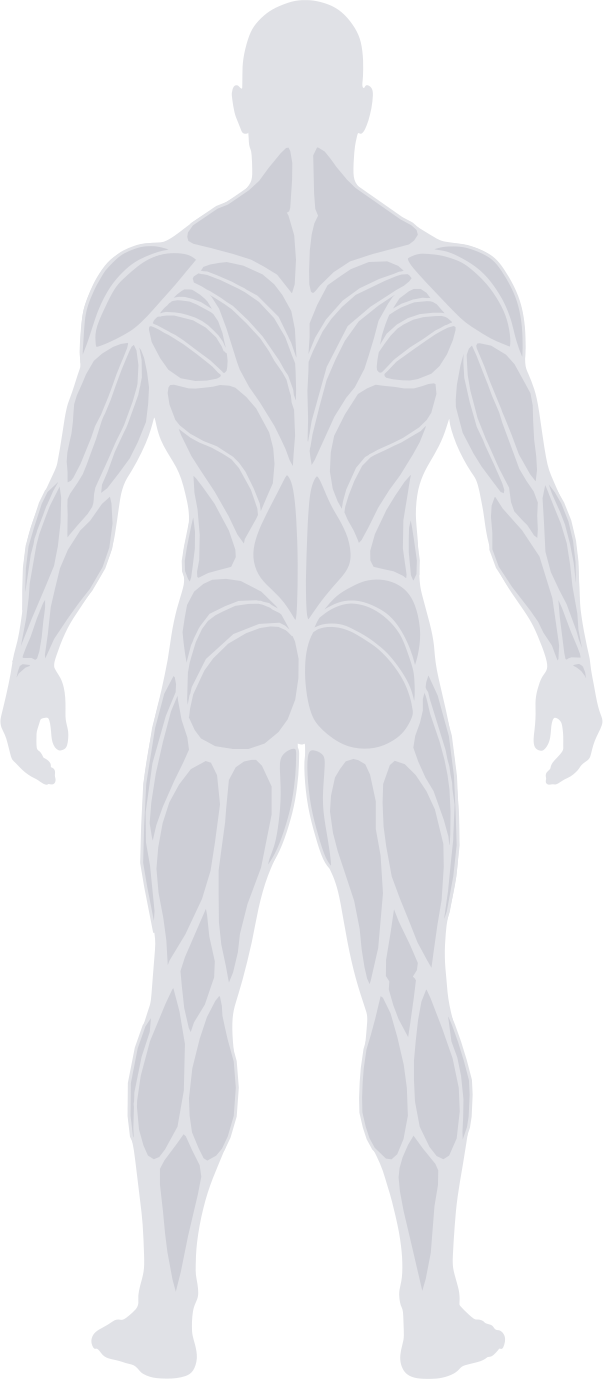
Why train it
- Builds glute and quad size one leg at a time for balanced lower-body strength.
- Trains single-leg balance and stride control that carries over to sport.
- Requires no equipment, making it ideal for home and travel programming.
Common mistakes
- Letting the front knee cave inward, which strains the joint and shifts work off the glutes.
- Stepping too short, which turns the lunge into a quad-only squat without much glute work.
- Letting the torso fall forward over the front knee instead of staying tall.
- Pushing off the toes of the front foot instead of driving through the heel.
Frequently asked questions
Are walking lunges better than stationary lunges?
Not better, just different. Walking lunges add a balance challenge, since you have to control your body moving forward with every step, and they make a good conditioning finisher. Stationary or reverse lunges are easier to control, which makes them better for heavy weights and for anyone with sore knees.
Do walking lunges work the glutes or quads?
Both. A shorter step and an upright torso put more work on the quads. A longer step with a slight lean forward shifts more of it to the glutes. Either way, they train each leg on its own, which helps fix differences between your two sides.
Are walking lunges bad for your knees?
Not when your front knee tracks over your toes and you step far enough forward. Knee pain usually comes from short steps, so the knee shoots far forward, or from the knee caving inward. If walking lunges still hurt, reverse lunges are usually more comfortable.
How many walking lunges should you do?
Two to four sets of 10 to 20 steps in total, or 20 to 40 metres per set. Hold dumbbells once bodyweight sets feel easy. They are tiring for the whole body, so they fit best at the end of a leg session.
What muscles does the Walking Lunge work?
The Walking Lunge trains the glutes and quads, and little else. No other group takes a meaningful share of the load, which is what makes this a clean way to target the glutes and quads directly.
What equipment do I need for the Walking Lunge?
None. The Walking Lunge is a bodyweight movement, so your own weight is the resistance and floor space is the only requirement.
Is the Walking Lunge suitable for beginners?
With some training behind you. The Walking Lunge is rated intermediate, which means the setup matters as much as the effort. It is a reasonable first month goal rather than a first session one, and the alternatives below are the easier way in.
Can I do the Walking Lunge at home?
Yes, anywhere. There is nothing to buy and nothing to set up, which makes the Walking Lunge one of the movements worth keeping for days you never reach a gym.
How many sets and reps of the Walking Lunge should I do?
Three to four sets taken within a rep or two of failure. There is no weight to add here, so progress by slowing the lowering phase, pausing at the hardest point, or moving to a harder variation once you can clear 15 clean reps.
What are good alternatives to the Walking Lunge?
Barbell Split Squat, Dumbbell Alternating Forward Lunge, and Kettlebell Assisted Bulgarian Split Squat train the same primary muscles as the Walking Lunge. Pick whichever one suits the equipment in front of you.
Similar exercises
 Forward LungeBodyweight
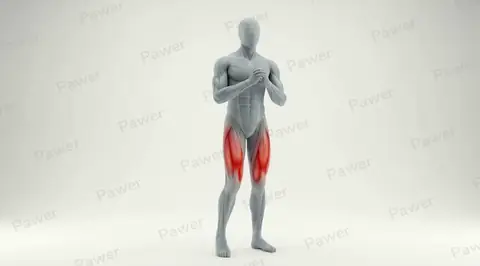 Bodyweight Alternating Lateral LungeBodyweight
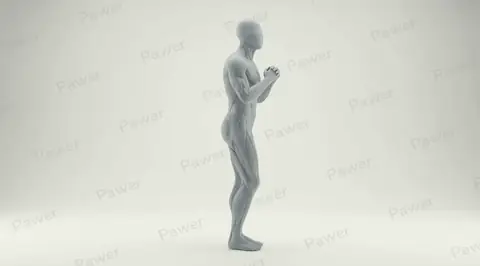 Bodyweight Reverse LungeBodyweight
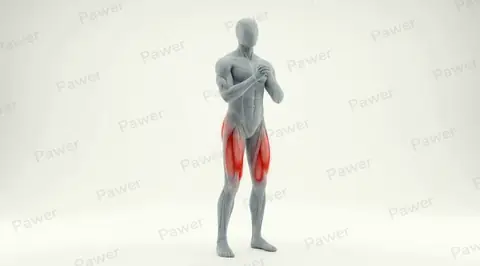 Bodyweight Alternating Reverse LungesBodyweight
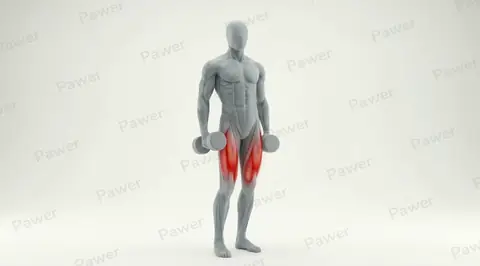 Dumbbell Alternating Forward LungeDumbbell
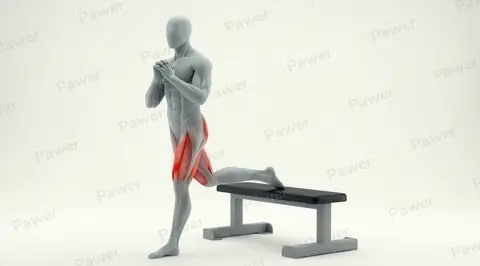 Bulgarian Split SquatBodyweight
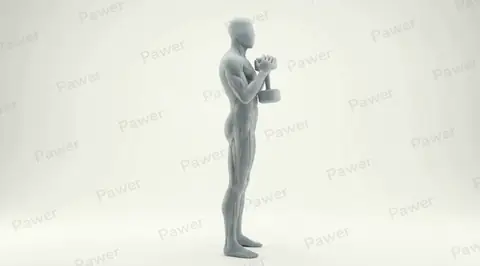 Dumbbell Goblet Forward LungeDumbbell
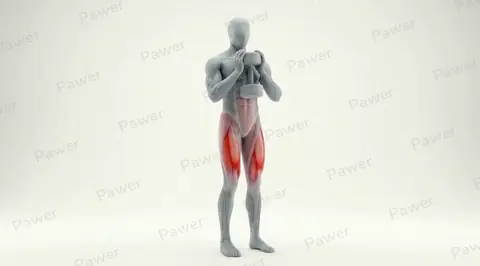 Dumbbell Goblet Reverse LungeDumbbell
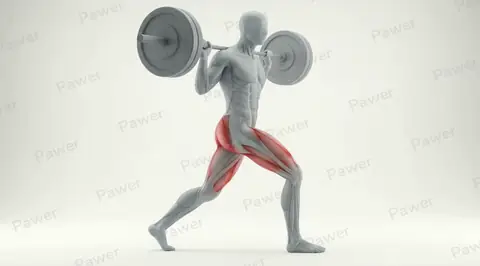 Barbell Split SquatBarbell
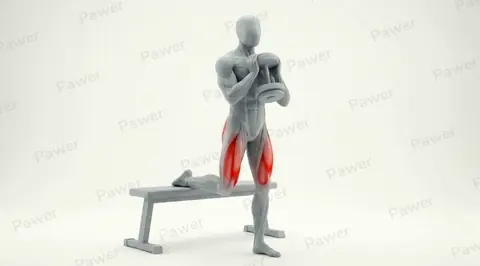 Dumbbell Goblet Bulgarian Split SquatDumbbell
By muscle
Every exercise is mapped to the muscles it trains. Browse by what you want to build.
By equipment
A full gym, a pair of dumbbells, or nothing at all: browse by what you have.