Wall Sit
 Anton YefanovUpdated
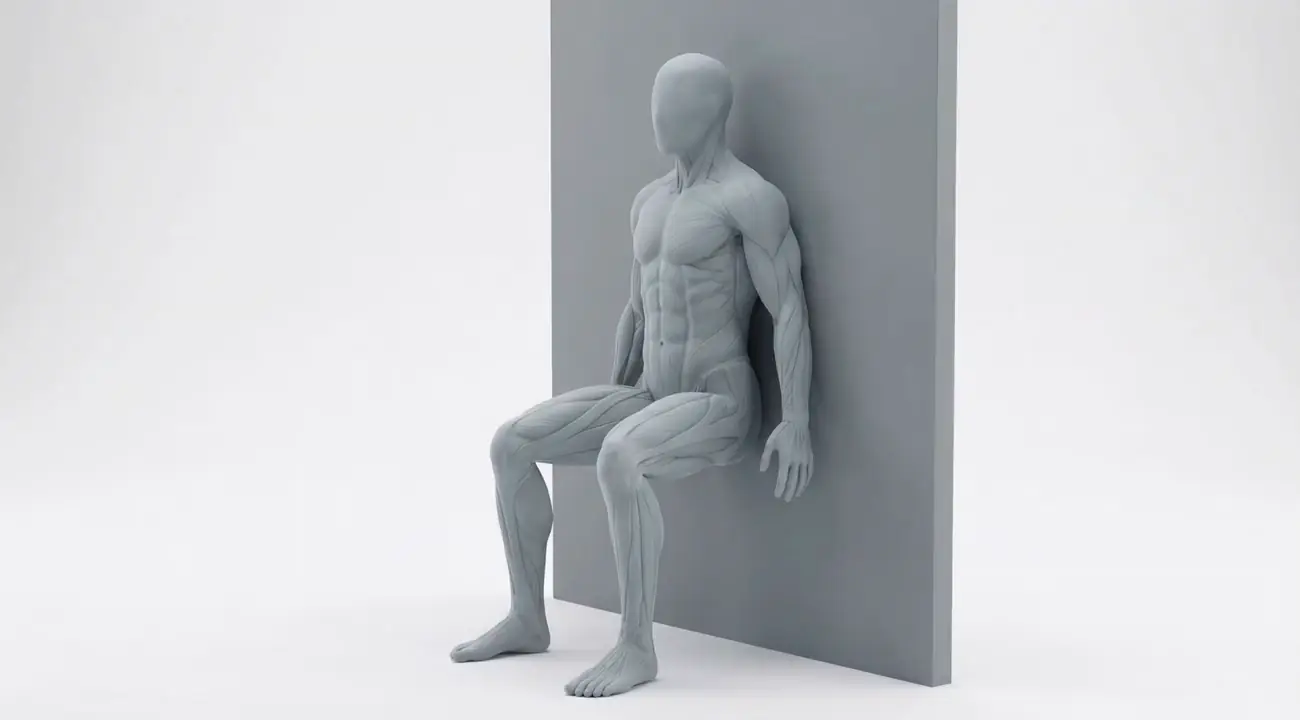
The wall sit is a pure isometric hold that builds quad endurance with zero equipment. Standing with the back flat against a wall, the lifter slides down until the thighs are parallel to the floor, then holds the position for time. There's no movement, no equipment, no excuses. Just the quads burning under sustained tension.
How to do the Wall Sit
- Stand with your back flat against a smooth wall and your feet about two feet out from the wall.
- Slide down the wall by bending the knees until your thighs are parallel to the floor.
- Set your feet roughly shoulder-width apart with your knees stacked over your ankles.
- Press your lower back firmly into the wall and rest your arms relaxed at your sides or out in front.
- Hold the position with steady breathing as the quads burn, keeping the knees in line with the toes.
- Stay in the hold for 30 to 60 seconds, then slowly slide back up the wall to stand.
Muscles worked
- Primary:
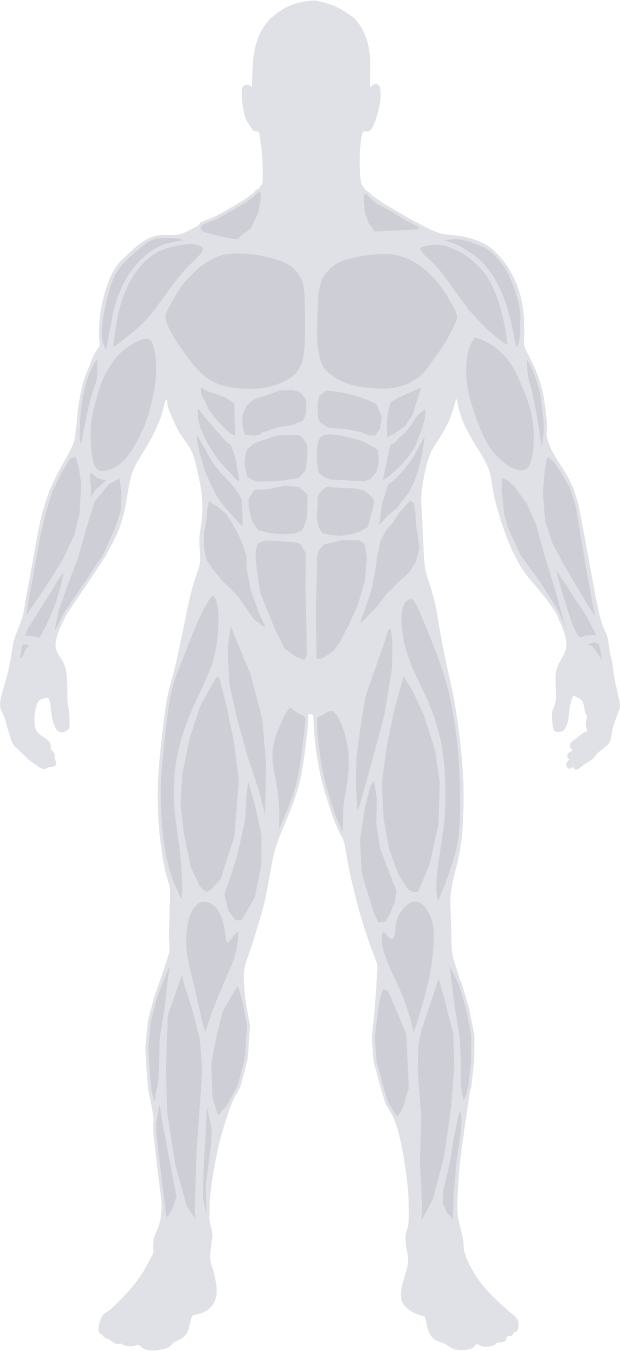
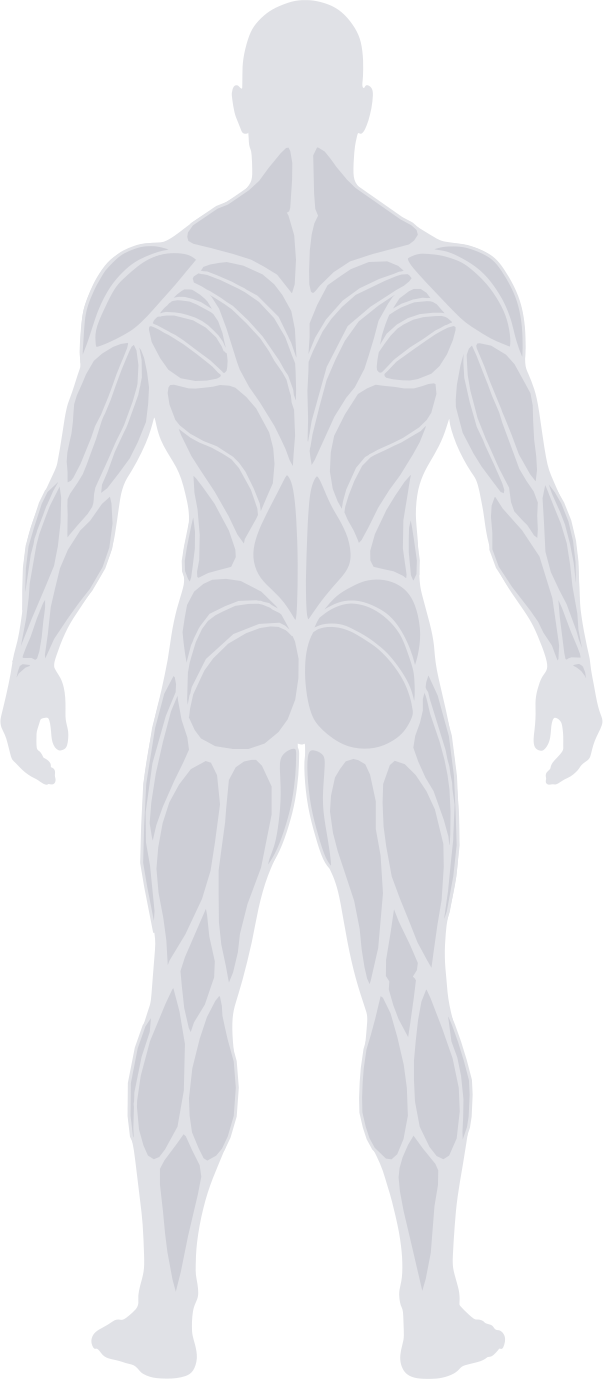
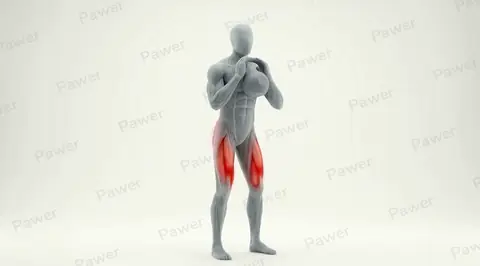
- Quads
Why train it
- Builds quad endurance and isometric strength with no equipment.
- Reinforces a strong knee-over-ankle position under sustained load.
- Trains mental grit and breath control under physical fatigue.
Common mistakes
- Setting the feet too close to the wall so the knees travel far past the toes, which overloads the joint.
- Letting the lower back peel off the wall as fatigue sets in, which removes the quad isolation.
- Letting the knees cave inward as the hold gets hard, which strains the joint.
- Holding the breath to push through the burn, which spikes blood pressure unnecessarily.
Frequently asked questions
Do wall sits lower blood pressure?
The research says yes. A 2023 review of 270 trials found that isometric exercise, where you hold a position, lowered resting blood pressure more than any other type of training. The wall sit had the biggest effect on the top number. The programs studied were usually four rounds of two minutes, with two minutes of rest, three times a week. If you take blood pressure medication, check with your doctor before starting.
Should a wall sit be at 90 degrees?
That is the standard depth, with your thighs parallel to the floor and your knees over your ankles. It is also the hardest part of the range for your quads. If 90 degrees hurts your knees, sit higher, at around 45 to 60 degrees, and lower it a little each week as the position gets comfortable.
Are wall sits bad for your knees?
No, they are often used in knee rehab, because holding still loads the quads without any grinding through the joint. Discomfort usually means your feet are too close to the wall, so your knees push past your toes. Move your feet out until your shins are vertical, and keep your knees in line with your toes.
Can wall sits build muscle?
A little, mostly endurance in your quads. A hold is good for building the ability to keep working through the burn. For real muscle growth, though, you need moving reps with weight that gets heavier over time. Use wall sits as a finisher or on days you have no equipment, not as your main leg exercise.
What muscles does the Wall Sit work?
The Wall Sit trains the quads, and little else. No other group takes a meaningful share of the load, which is what makes this a clean way to target the quads directly.
What equipment do I need for the Wall Sit?
Only a wall. Your own weight is the resistance, so there is nothing to load.
Is the Wall Sit suitable for beginners?
Yes. The Wall Sit is rated beginner: you are the load, so there is no weight to get wrong. Add reps or time only once the position holds from the first of them to the last.
Can I do the Wall Sit at home?
Yes. All it takes is a wall, which most homes can find, so the Wall Sit is easy to keep going on days you never reach a gym.
How many sets and reps of the Wall Sit should I do?
Three to four sets of 10 to 15 reps. Isolation work responds to reps and a controlled tempo rather than load, so stop each set a rep or two short of failure and keep the weight honest.
What are good alternatives to the Wall Sit?
Machine Leg Extension, Band Squat, and Dumbbell Front Squat train the same primary muscles as the Wall Sit. Pick whichever one suits the equipment in front of you.
Similar exercises
By muscle
Every exercise is mapped to the muscles it trains. Browse by what you want to build.
By equipment
A full gym, a pair of dumbbells, or nothing at all: browse by what you have.