Belt Squat
 Anton YefanovUpdated
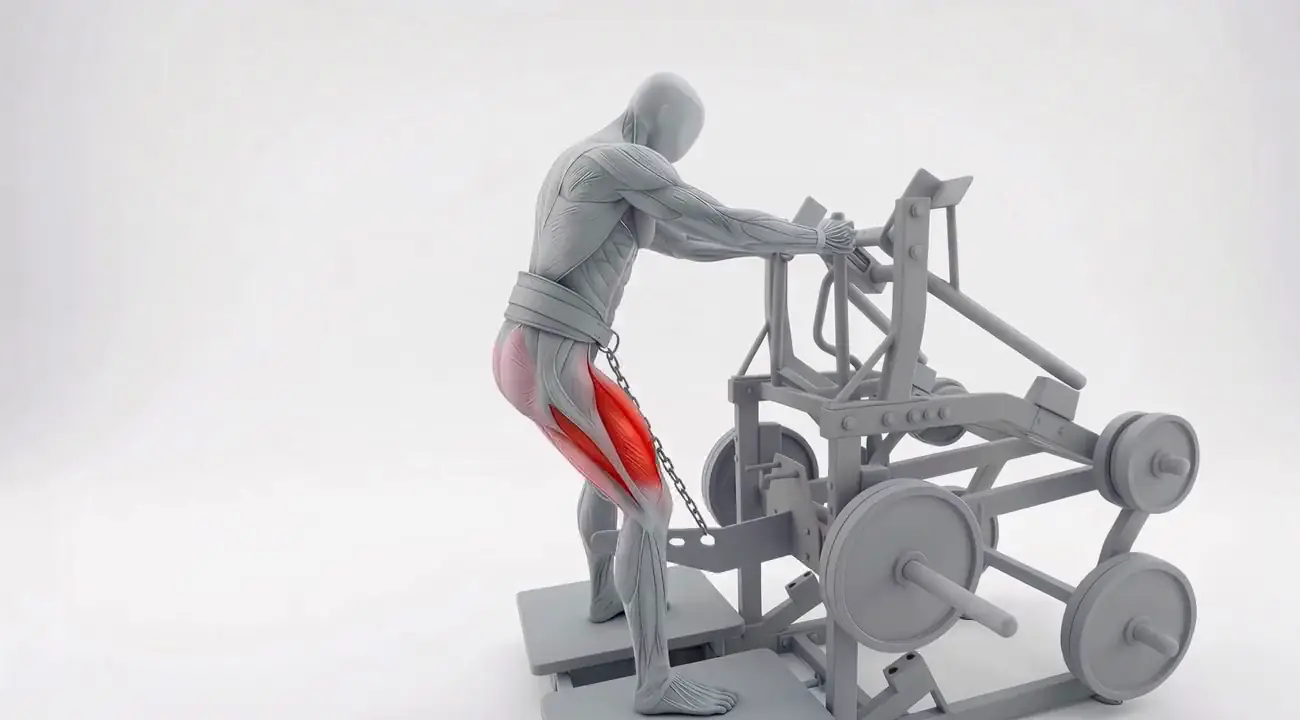
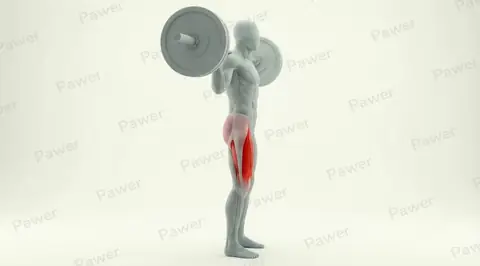
The belt squat hangs the load from a belt worn around the pelvis and attached to a machine, so the weight pulls at the hips rather than compressing the spine. You stand on the platform with the attachment point between your feet, release the safeties, and squat by dropping the hips straight down before driving back up. A kinetic analysis of isometric back squats and belt squats found higher peak forces and knee and ankle moments in the belt squat alongside lower low back moments. The quadriceps do the knee extension with the glutes and hamstrings assisting.
How to do the Belt Squat
- Fasten the hip belt around your pelvis and attach it to the machine.
- Stand on the platform so the attachment point sits directly between your feet.
- Set your feet at about shoulder width with the toes turned out slightly.
- Take the weight, release the safeties and hold the frame lightly for balance.
- Drop your hips straight down until your thighs reach roughly parallel.
- Drive through your whole foot to stand tall and repeat.
Muscles worked
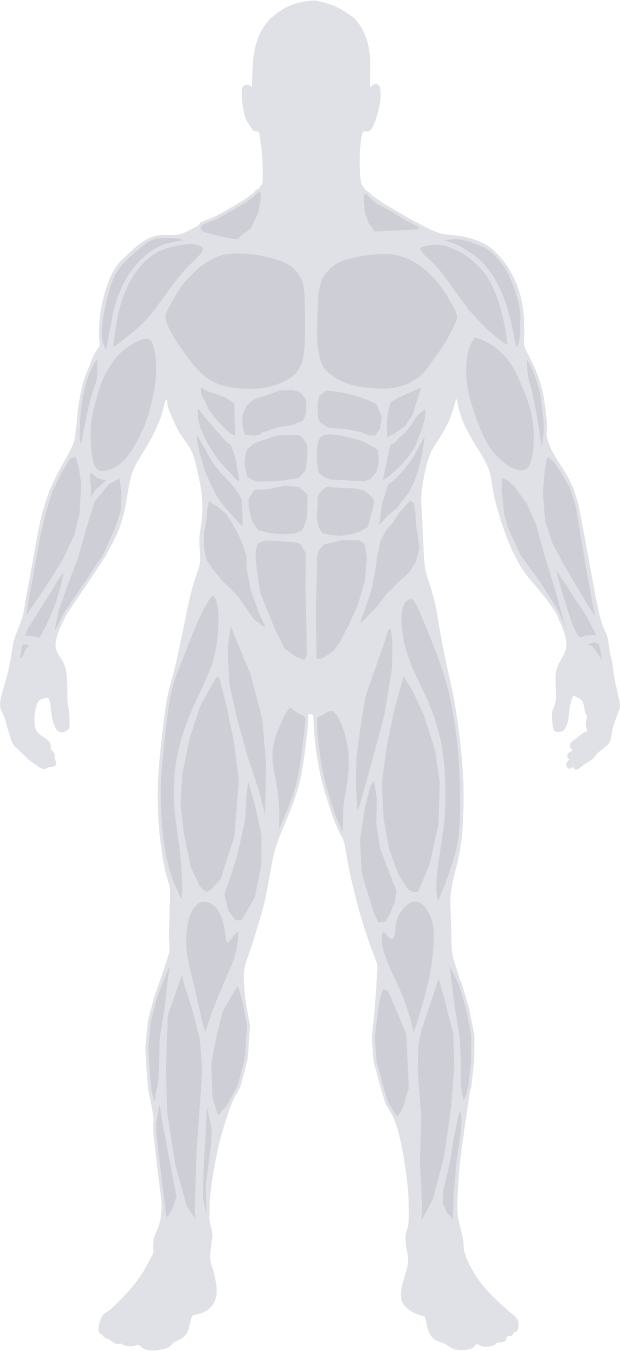
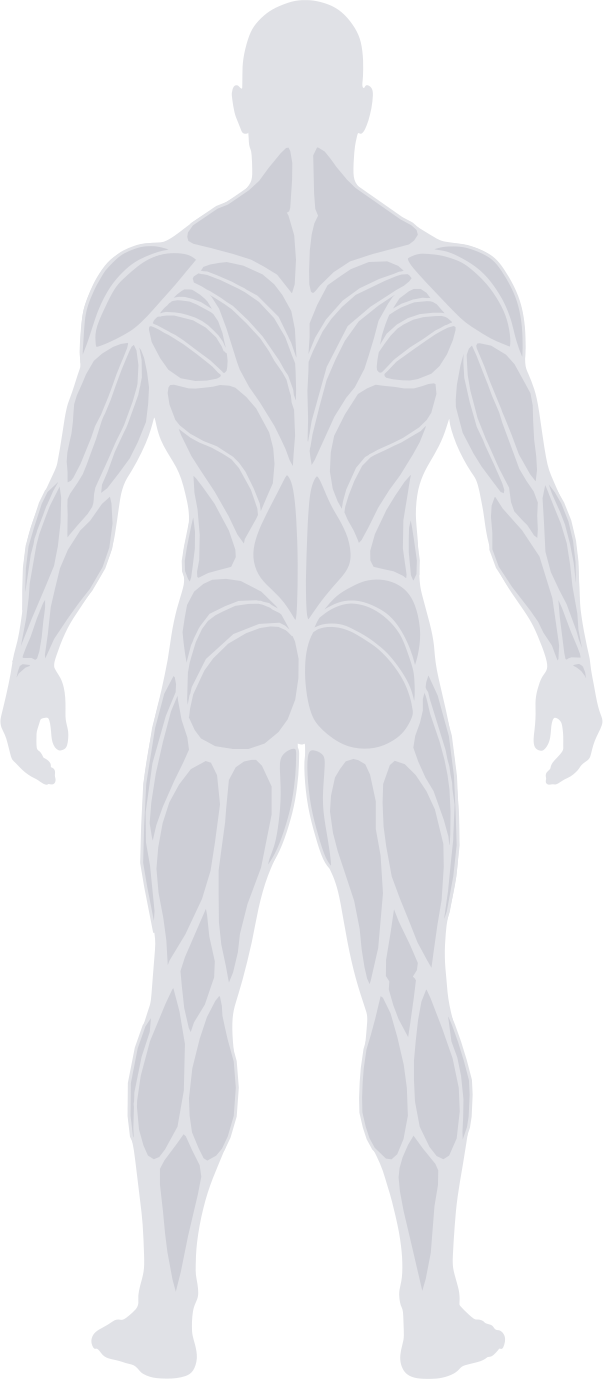
- Primary:
- Quads
- Secondary:
- Glutes, Hamstrings, and Core
Why train it
- Loads the legs hard while keeping low back moments lower than a back squat.
- Removes the shoulder and wrist mobility demand of racking a bar.
- Lets lifters keep squatting when spinal loading has to be limited.
Common mistakes
- Standing off center so the cable pulls to one side, which twists the hips.
- Pulling on the frame with the arms, which quietly removes load from the legs.
- Loading it like a leg press, which overwhelms the belt position and cuts the range short.
- Letting the hips travel backward instead of straight down, which turns it into a hinge.
Frequently asked questions
Belt squat vs barbell squat: which is better?
For building your legs, the belt squat is about as good, and it takes almost all the load off your spine. The barbell squat still builds more full-body strength, core bracing and upper back. Use the belt squat if your back is sore or tired, or to add leg volume without more spinal load.
Does the belt squat decompress your spine?
Not really. It does not stretch your spine, it just leaves it unloaded, because the weight hangs from your hips. That is the main benefit: you can train your legs hard while giving your back a break.
Do belt squats work the glutes?
Yes, especially if you sit back and squat deep. A wider stance and pushing your hips back put more of the work on the glutes. A narrower stance and staying upright shift more onto the quads.
Is the belt squat good for beginners?
Yes, it is one of the easiest squats to learn. You do not need to balance a bar on your back, and the belt holds the weight at your hips, so it is hard to lose your balance forward. Many people use it to learn the squat pattern before moving to the barbell.
What muscles does the Belt Squat work?
The Belt Squat trains the quads as the main target. Expect the glutes, hamstrings, and core to take some of the load as well.
What equipment do I need for the Belt Squat?
The Belt Squat needs a machine. Nothing beyond that is required to run the movement the way it is described above.
Is the Belt Squat suitable for beginners?
Yes. The Belt Squat is rated beginner, and the machine holds the path for you, so there is little to get wrong once the seat and the pin are set.
Can I do the Belt Squat at home?
Only if your home setup runs to a machine. Most do not, so this is usually a gym movement. The alternatives below cover the same muscles with kit you are more likely to have.
How many sets and reps of the Belt Squat should I do?
Three to five sets of 5 to 10 reps. Rest two to three minutes: squats tire the whole body, and a rushed second set is where depth and bracing fall apart.
What are good alternatives to the Belt Squat?
Band Squat, Bodyweight Box Squat, and Dumbbell Front Squat train the same primary muscles as the Belt Squat. Pick whichever one suits the equipment in front of you.
Work out your Belt Squat weights
Estimate your max from a recent set, then find the weight for your next one.
- One Rep Max CalculatorTurn a recent set into an estimated max. Compare Epley, Brzycki and Lombardi, then read off your training percentages and every rep max from 2RM to 12RM.
- RPE CalculatorRate a set by effort, get an estimated max, and read off the weight for your next target. Includes a full RPE chart of percentages by reps and effort.
Similar exercises
By muscle
Every exercise is mapped to the muscles it trains. Browse by what you want to build.
By equipment
A full gym, a pair of dumbbells, or nothing at all: browse by what you have.