Cossack Squat
 Anton YefanovUpdated
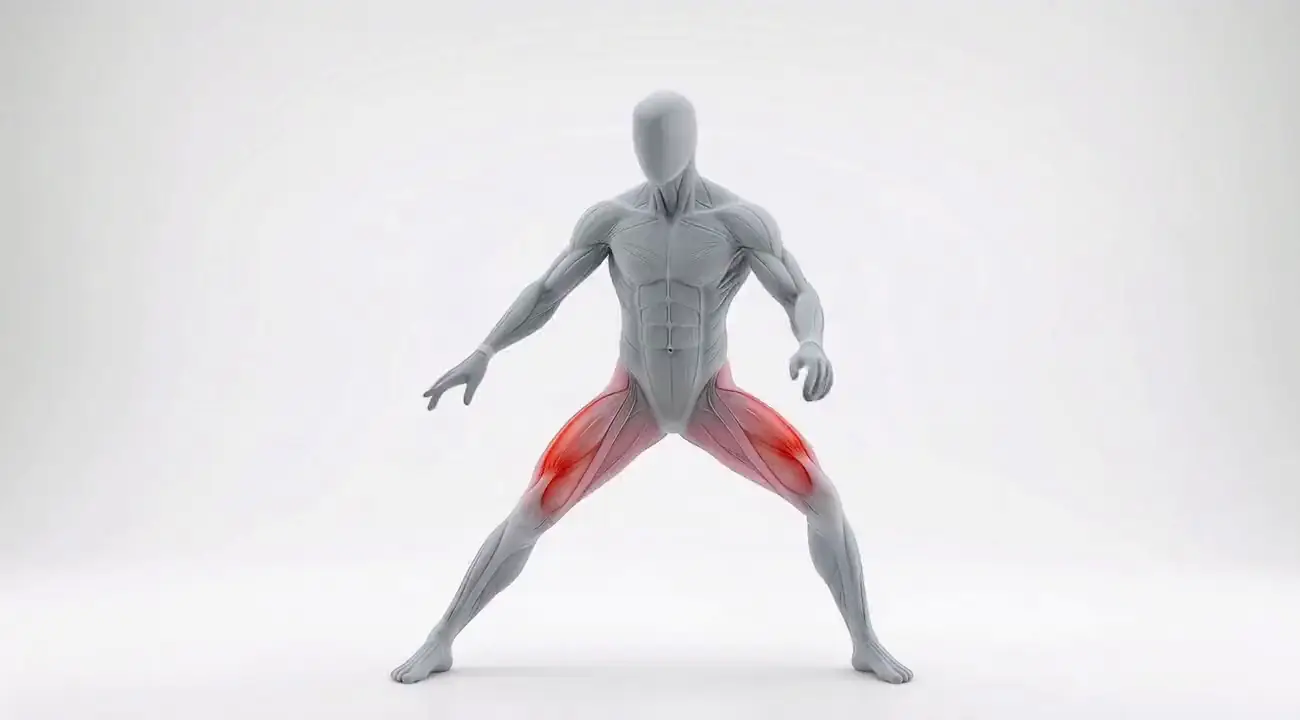
The Cossack squat takes a wide stance and shifts the whole body over one leg. That leg goes into deep hip, knee and ankle flexion while the other stays straight with the foot rolled onto its heel, which puts the inner thigh and hamstring of the extended leg under a long stretch. Because the movement runs side to side rather than front to back, it trains the frontal plane that most leg exercises leave alone. It demands real hip, knee and ankle range, so depth should follow available mobility rather than being forced.
How to do the Cossack Squat
- Stand with your feet well outside shoulder width and toes pointing forward.
- Brace your abdominals and lift your chest tall.
- Shift your weight over one leg and bend that knee, sitting the hips back and down.
- Keep the other leg straight and let its foot roll onto the heel with the toes up.
- Descend only as far as your hips and ankles allow with the loaded heel flat.
- Push through the bent leg to return to center, then repeat on the other side.
Muscles worked
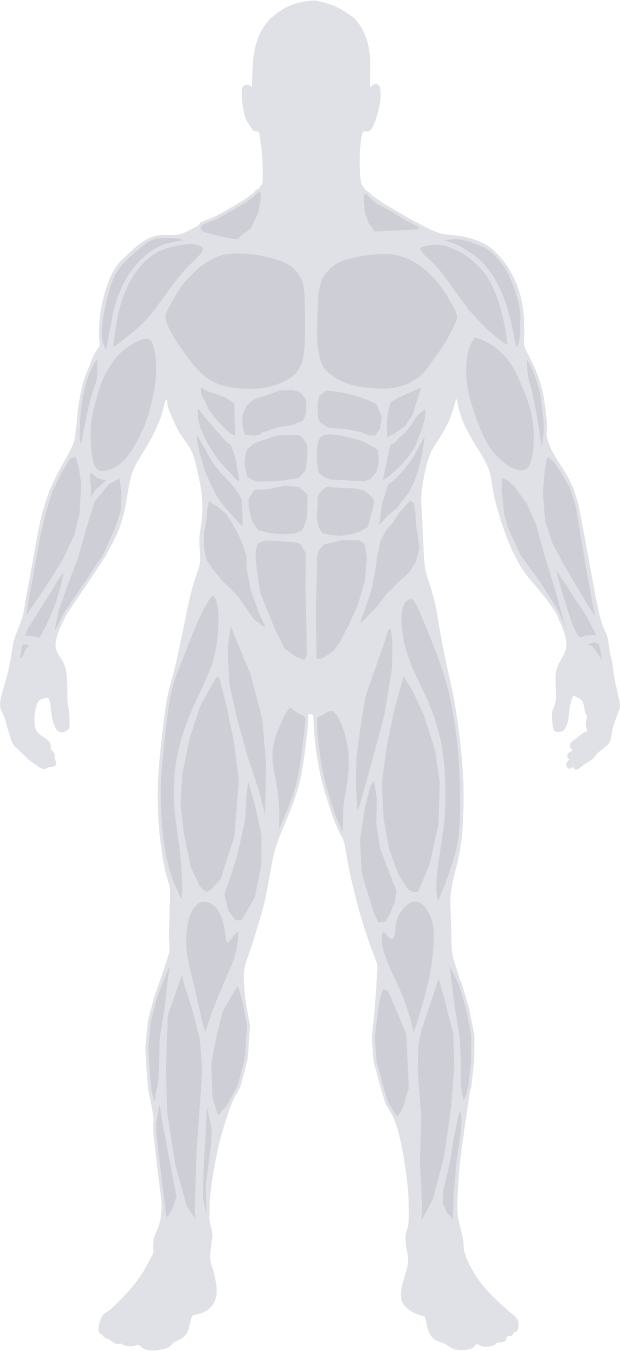
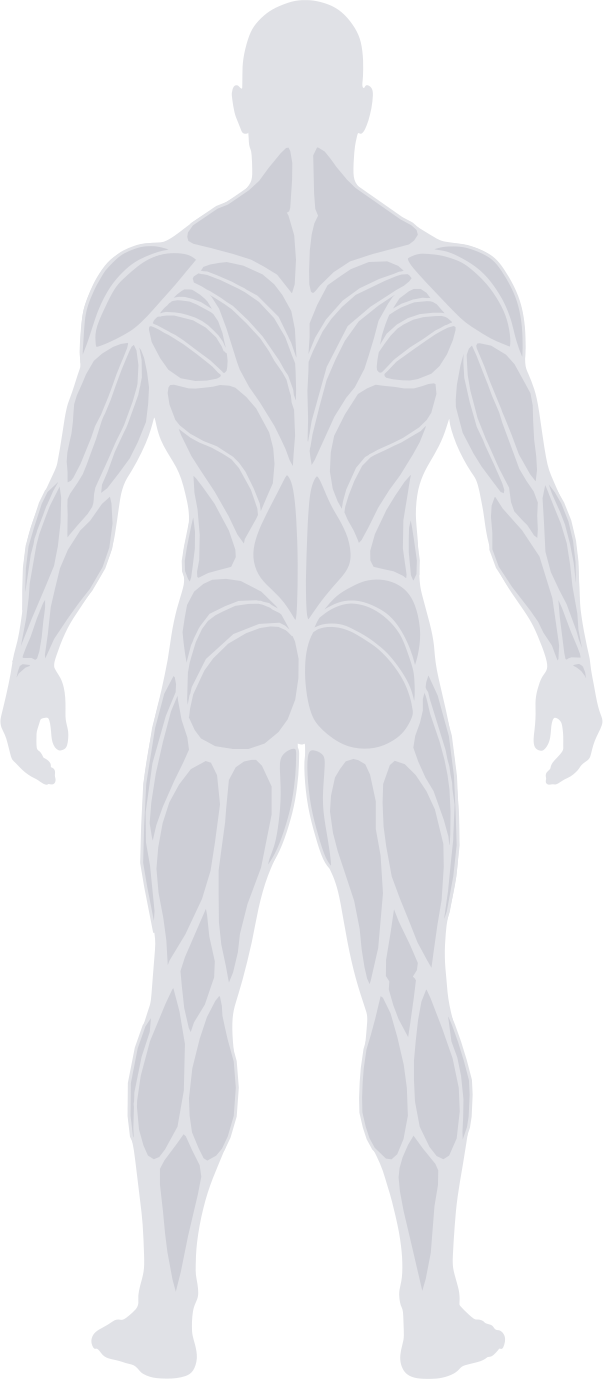
The Cossack squat works the quads and adductors of the bent leg, while the glutes and hamstrings help and the core holds your torso upright. Shifting your weight over one leg sends that knee and hip into deep flexion, so the quads straighten the knee and the adductors pull the thigh back toward the midline as you push back to center.
Both muscles work hardest at the bottom, where the loaded hip is deep and wide and the inner thigh is under the most stretch. The straight leg matters too: with its foot rolled onto the heel, its adductors and hamstring are lengthened, which gives the inner thigh a stretch that front-to-back squats do not. Sitting the hips back brings in more glute, while staying upright with the knee forward keeps the quads in charge. Go only as deep as you can with the loaded heel flat.
- Primary:
- Quads and Adductors
- Secondary:
- Glutes, Hamstrings, and Core
Why train it
- Trains strength in the frontal plane that forward facing leg work misses.
- Loads the adductors and hamstrings of the extended leg through a long stretch.
- Builds hip, knee and ankle range that carries over to every squat pattern.
Common mistakes
- Arching the lower back to reach depth, which loads the lumbar spine instead of the hips.
- Letting the heel of the squatting leg lift, which is an ankle mobility limit, not a strength one.
- Bending the extended leg, which removes the adductor and hamstring stretch.
- Rushing the transition between sides, which loses control at the deepest position.
Frequently asked questions
What equipment do I need for the Cossack Squat?
None. The Cossack Squat is done with your body alone, so a little floor space is all it takes.
Is the Cossack Squat suitable for beginners?
With some care. The Cossack Squat is rated intermediate: it takes the spine or joints further than everyday movement does, so start light and with a small range, and grow both slowly.
Can I do the Cossack Squat at home?
Yes, anywhere. There is nothing to buy and nothing to set up, which makes the Cossack Squat one of the drills worth keeping for days you never reach a gym.
How long should I spend on the Cossack Squat?
Two or three rounds of 30 to 60 seconds, per side where the drill has one. This is daily work, and it does more before a session as a warm-up than it does as a finisher.
What are good alternatives to the Cossack Squat?
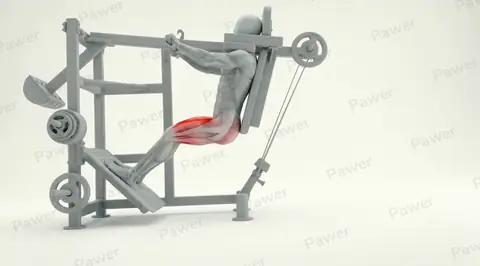
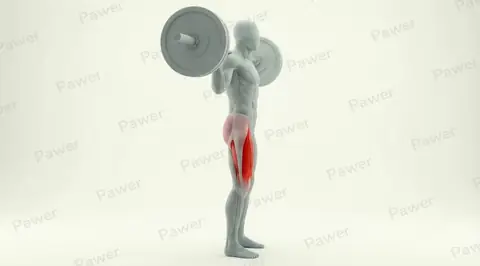
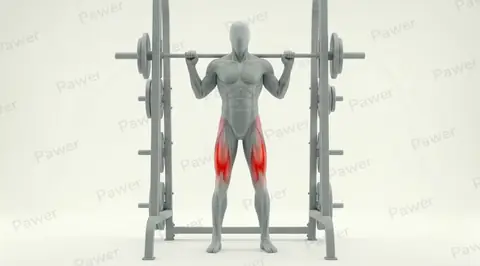
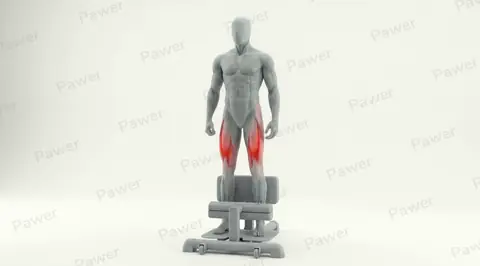
Dumbbell Cossack Squat, Barbell Banded Back Squat, and Sissy Squat train the same primary muscles as the Cossack Squat. Pick whichever one suits the equipment in front of you.
Similar exercises
By muscle
Every exercise is mapped to the muscles it trains. Browse by what you want to build.
By equipment
A full gym, a pair of dumbbells, or nothing at all: browse by what you have.