Sissy Squat
 Anton YefanovUpdated
- Intermediate
- Bench
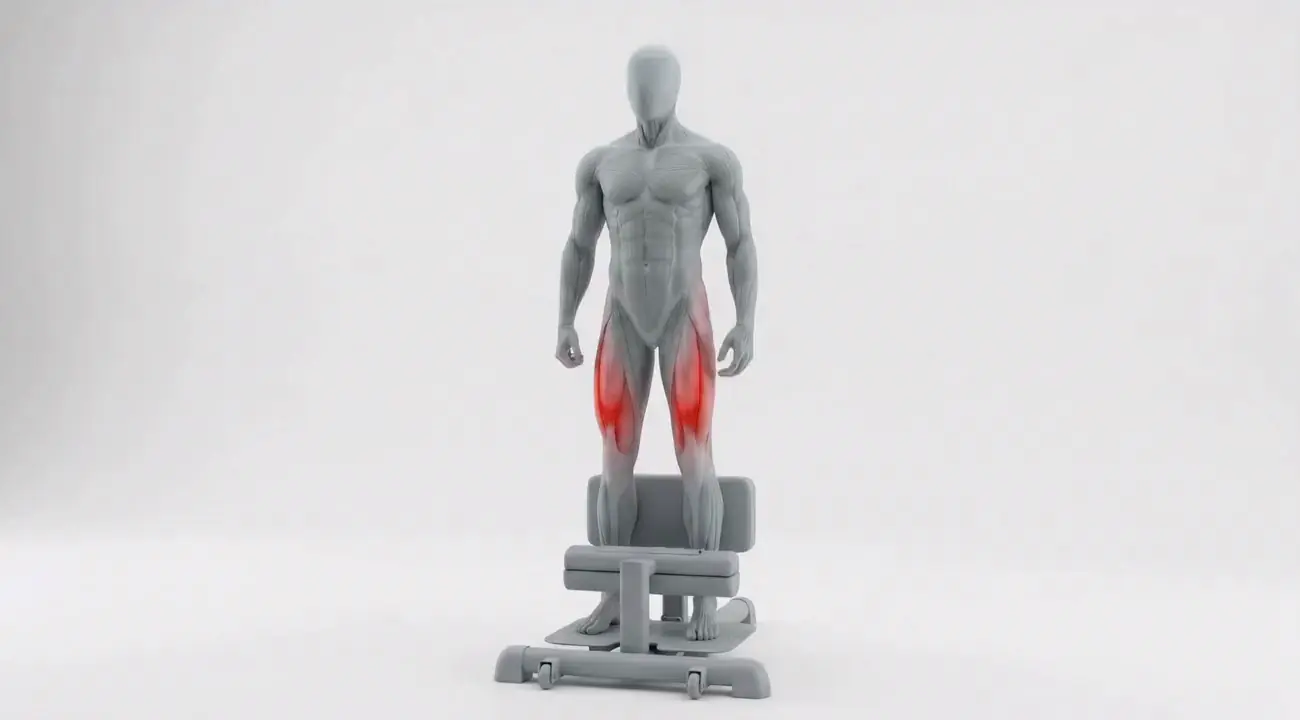
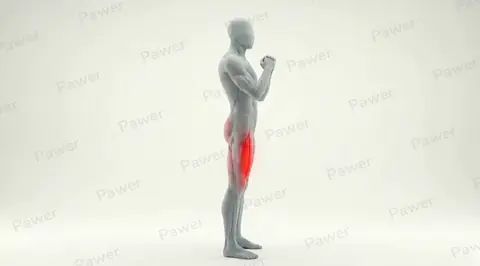
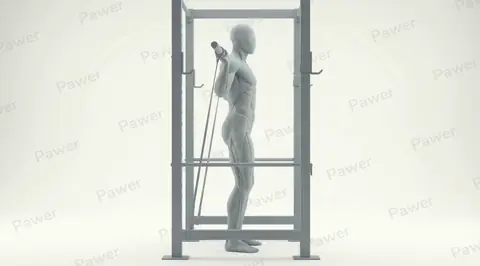
The sissy squat removes the hip hinge from a squat. You rise onto the balls of the feet, keep a straight line from head to knees, and lean back as the knees travel forward, so almost all of the movement happens at the knee joint. That makes the quadriceps the prime mover, with the trunk and calves working to hold the line and the balance. EMG work on knee extension across hip angles shows the four quadriceps heads work together rather than in isolation, so treat this as a quadriceps emphasis exercise rather than a way to single out one head.
How to do the Sissy Squat
- Stand with your feet about shoulder width apart and hold a support with one hand.
- Rise onto the balls of your feet, or place your heels on a two to four inch block.
- Brace your trunk and squeeze your glutes so the hips stay extended.
- Lean back from the knees, letting them travel forward while your torso stays in line with your thighs.
- Descend as far as you can control, keeping the hips from folding backward.
- Press through the balls of your feet to return to standing, then repeat.
Muscles worked
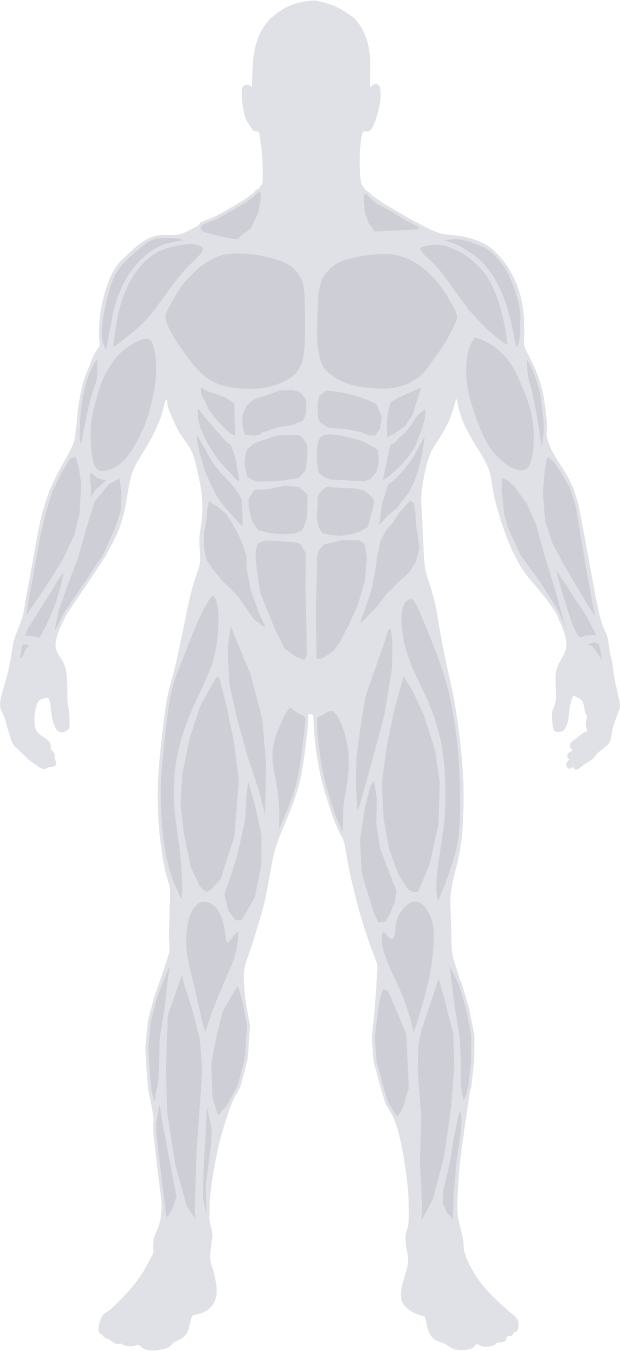
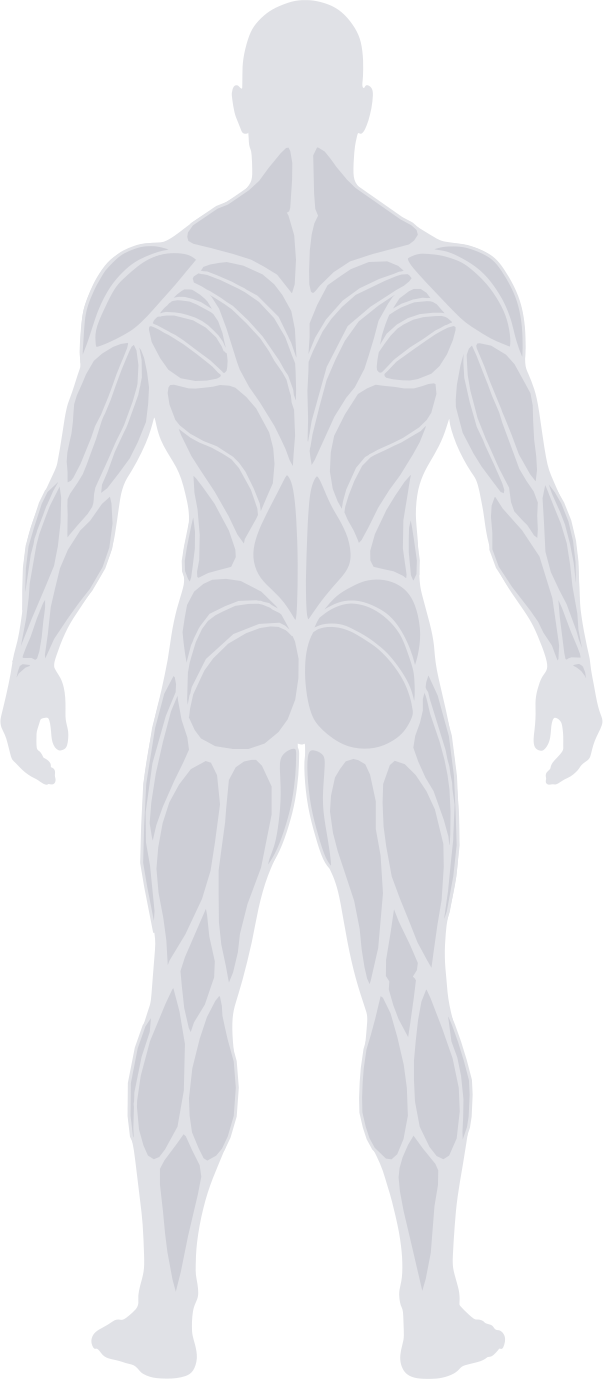
- Primary:
- Quads
Why train it
- Loads the quadriceps hard without a barbell or a machine.
- Trains knee flexion and extension through a long range with the hips held extended.
- Scales by depth alone, so progression needs no extra load.
Common mistakes
- Letting the hips fold backward, which turns the rep into a shallow ordinary squat.
- Arching the lower back to reach depth, which loads the lumbar spine instead of the quadriceps.
- Dropping fast and bouncing at the bottom, which spikes load on the knee with no control.
- Pulling hard on the support hand, which removes the resistance the exercise depends on.
Frequently asked questions
Are sissy squats bad for your knees?
Not when you build up to them slowly. They put a lot of stretch and load on the front of the knee, which is good for strengthening the tendon but too much if you jump straight in. Start holding a post or a rack with a small range, and only go deeper as your knees adapt over a few weeks. Stop if you feel sharp pain.
Can sissy squats replace leg extensions?
Yes. Both isolate the quads, and the sissy squat also stretches the rectus femoris, the quad muscle that crosses the hip, more than a leg extension does. They are a good home option when you have no leg extension machine.
How do you make sissy squats harder?
Hold a weight plate against your chest, slow the lowering phase down to three or four seconds, or pause at the bottom. Using less support from your hands also makes them harder. Add one of these at a time, and only once 15 controlled reps feel easy.
Do sissy squats work the glutes?
Very little. Your hips stay straight while your knees travel forward, so the glutes are not doing much lifting. That is the point of the exercise: it focuses on the quads. For glutes, pair it with a hip thrust or a lunge.
What muscles does the Sissy Squat work?
The Sissy Squat trains the quads as the main target. Expect the core and calves to take some of the load as well.
What equipment do I need for the Sissy Squat?
The Sissy Squat needs a bench. Nothing beyond that is required to run the movement the way it is described above.
Is the Sissy Squat suitable for beginners?
With some training behind you. The Sissy Squat is rated intermediate, which means the setup matters as much as the effort. It is a reasonable first month goal rather than a first session one, and the alternatives below are the easier way in.
Can I do the Sissy Squat at home?
Yes, if you own a bench. That is the whole requirement, and it is the reason this one travels well between a home setup and a gym floor.
How many sets and reps of the Sissy Squat should I do?
Three to five sets of 5 to 10 reps. Rest two to three minutes: squats tire the whole body, and a rushed second set is where depth and bracing fall apart.
What are good alternatives to the Sissy Squat?
Barbell Banded Back Squat, Cossack Squat, and Dumbbell Bulgarian Split Squat train the same primary muscles as the Sissy Squat. Pick whichever one suits the equipment in front of you.
Similar exercises
By muscle
Every exercise is mapped to the muscles it trains. Browse by what you want to build.
By equipment
A full gym, a pair of dumbbells, or nothing at all: browse by what you have.