Wall Ball
 Anton YefanovUpdated
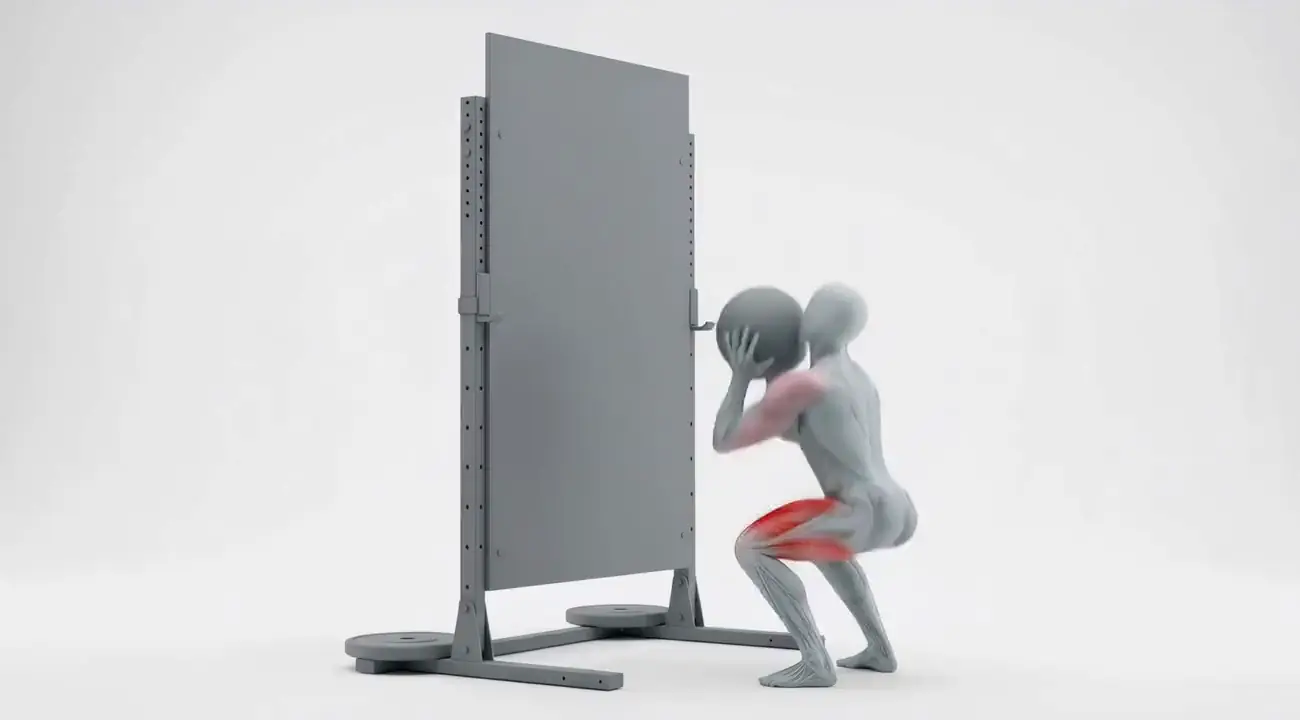
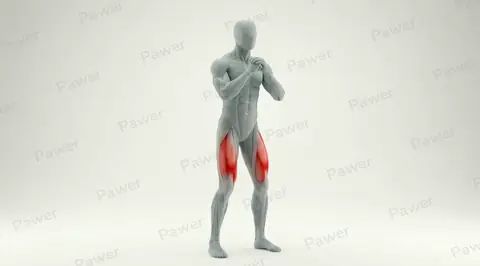
The wall ball links a squat to a throw. You hold a weighted ball at chest height about two feet from the wall, squat until the thighs are at least parallel, then drive up and release the ball toward a target roughly eight to twelve feet high. The catch loads the next repetition. Quadriceps and glutes generate the drive, shoulders and triceps finish the throw, and the trunk holds the torso upright.
Intent changes the prescription. Use a light ball for three to five repetitions for power, a heavier ball for six to eight for strength, and maximum repetitions in thirty seconds for conditioning.
How to do the Wall Ball
- Stand about two feet from the wall with your feet shoulder-width apart and toes slightly turned out.
- Hold the ball at chest height with the elbows tucked under it and your chest tall.
- Squat down until your thighs are at least parallel, keeping the heels flat and the torso upright.
- Drive up hard through the legs and use that momentum to launch the ball at the wall target.
- Extend the arms fully at the top of the throw so the release comes from the whole body.
- Catch the ball on the rebound and absorb it by dropping straight into the next squat.
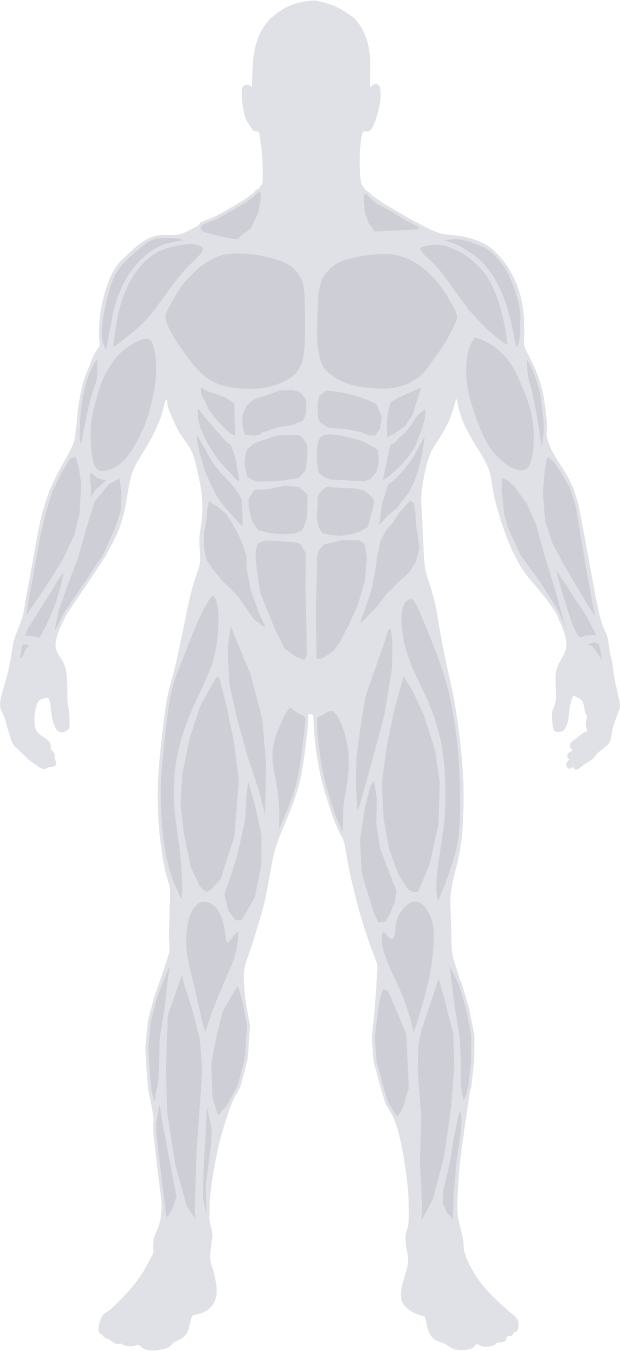
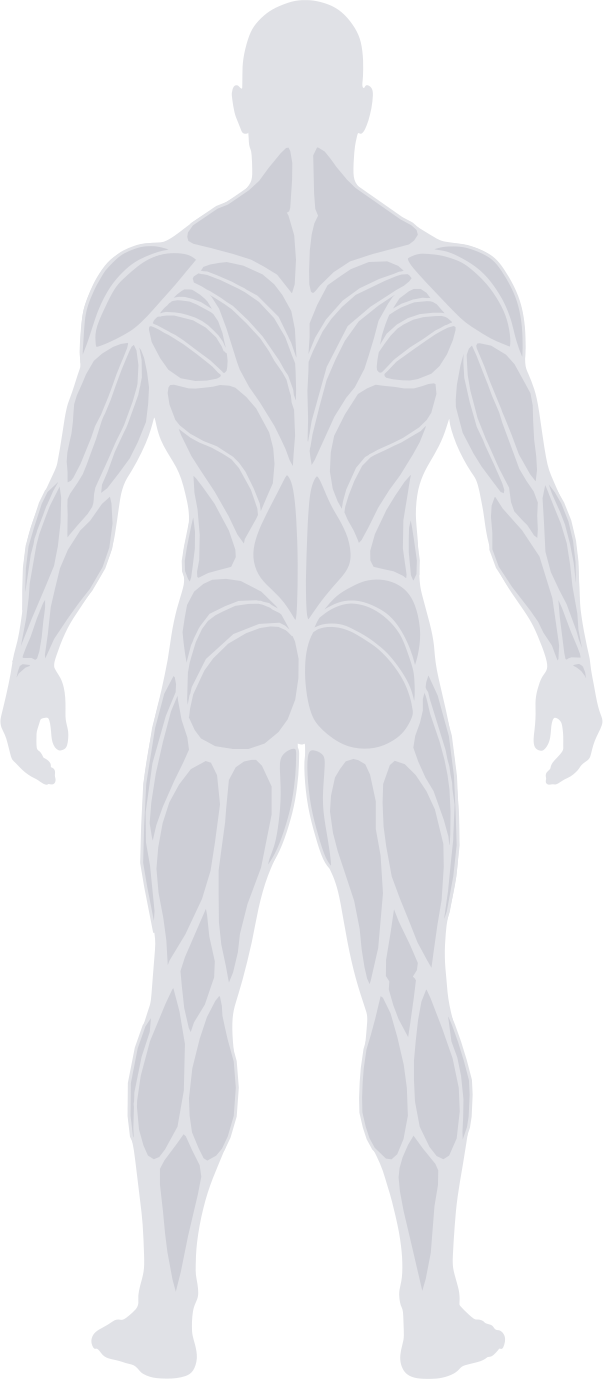
Muscles worked
- Secondary:
- Hamstrings, Core, Triceps, and Calves
Why train it
- Combines a full squat with an explosive overhead throw, training power through the whole chain.
- Raises heart rate quickly, so it doubles as conditioning as well as strength work.
- Improves coordination and throwing accuracy because every repetition has a target to hit.
Common mistakes
- Pressing the ball with the arms alone, which drops the target height and wastes the leg drive.
- Cutting the squat short, which removes most of the power the movement is supposed to generate.
- Catching the ball with straight arms, which sends the impact into the elbows and shoulders.
- Starting with a heavy ball, which breaks the squat pattern before the throw is consistent.
Frequently asked questions
How heavy is a wall ball and how high is the target?
The standard in CrossFit is 9 kg (20 lb) to a 3 m (10 ft) target for men, and 6 kg (14 lb) to 2.7 m (9 ft) for women. HYROX uses 6 kg to 3 m for men and 4 kg to 2.7 m for women, for 100 reps. For training, start with a ball you can throw for 15 reps without missing the target.
How do you get better at wall balls?
Use your legs, not your arms. Squat deep, drive up hard, and let the ball leave your hands as your legs straighten. Catch it high and go straight down into the next squat. Breathe at the top of each throw, and break big sets into chunks before you are exhausted.
Are wall balls bad for your knees?
Not when your knees track over your toes and you squat to a depth you can control. Wall balls involve a lot of reps, so form often breaks down as you tire. If your knees hurt, use a lighter ball and slow down.
Can you slam a wall ball?
It is not a good idea. Wall balls are soft and stitched, and repeated slamming splits the seams. For slams, use a slam ball, which is made of thick rubber and does not bounce.
What muscles does the Wall Ball work?
The Wall Ball trains the quads, glutes, and shoulders as the main targets. Expect the hamstrings, core, triceps, and calves to take some of the load as well.
What equipment do I need for the Wall Ball?
Only a medicine ball and a wall with a target. Nothing beyond that is required to run the movement the way it is described above.
Is the Wall Ball suitable for beginners?
With some training behind you. The Wall Ball is rated intermediate, which means the setup matters as much as the effort. It is a reasonable first month goal rather than a first session one, and the alternatives below are the easier way in.
Can I do the Wall Ball at home?
Only if your home setup runs to a medicine ball and a wall with a target. Most do not, so this is usually a gym movement. The alternatives below cover the same muscles with kit you are more likely to have.
How many sets and reps of the Wall Ball should I do?
Three to five sets of 10 to 20 reps, or a set total such as 50 or 100 split however you need. Pick a ball light enough that every throw still reaches the target.
What are good alternatives to the Wall Ball?
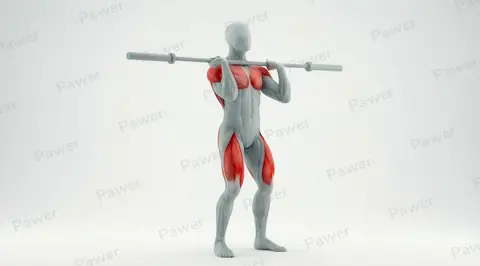
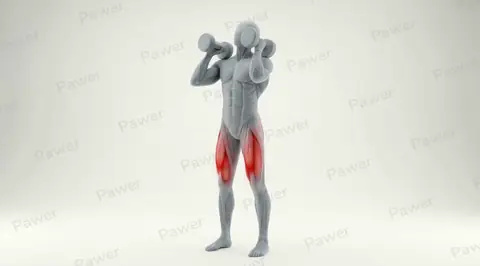
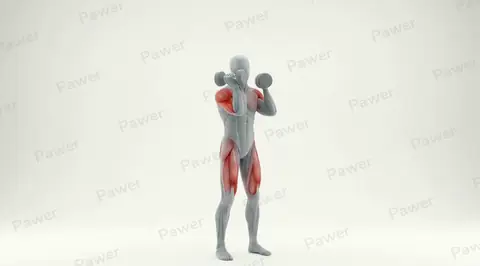
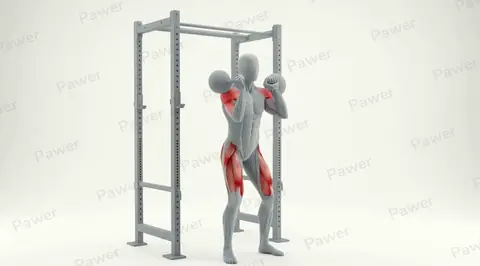
Barbell Thruster, Dumbbell Thruster, and Kettlebell Thruster train the same primary muscles as the Wall Ball. Pick whichever one suits the equipment in front of you.
Similar exercises
By muscle
Every exercise is mapped to the muscles it trains. Browse by what you want to build.
By equipment
A full gym, a pair of dumbbells, or nothing at all: browse by what you have.