Barbell Thruster
 Anton YefanovUpdated
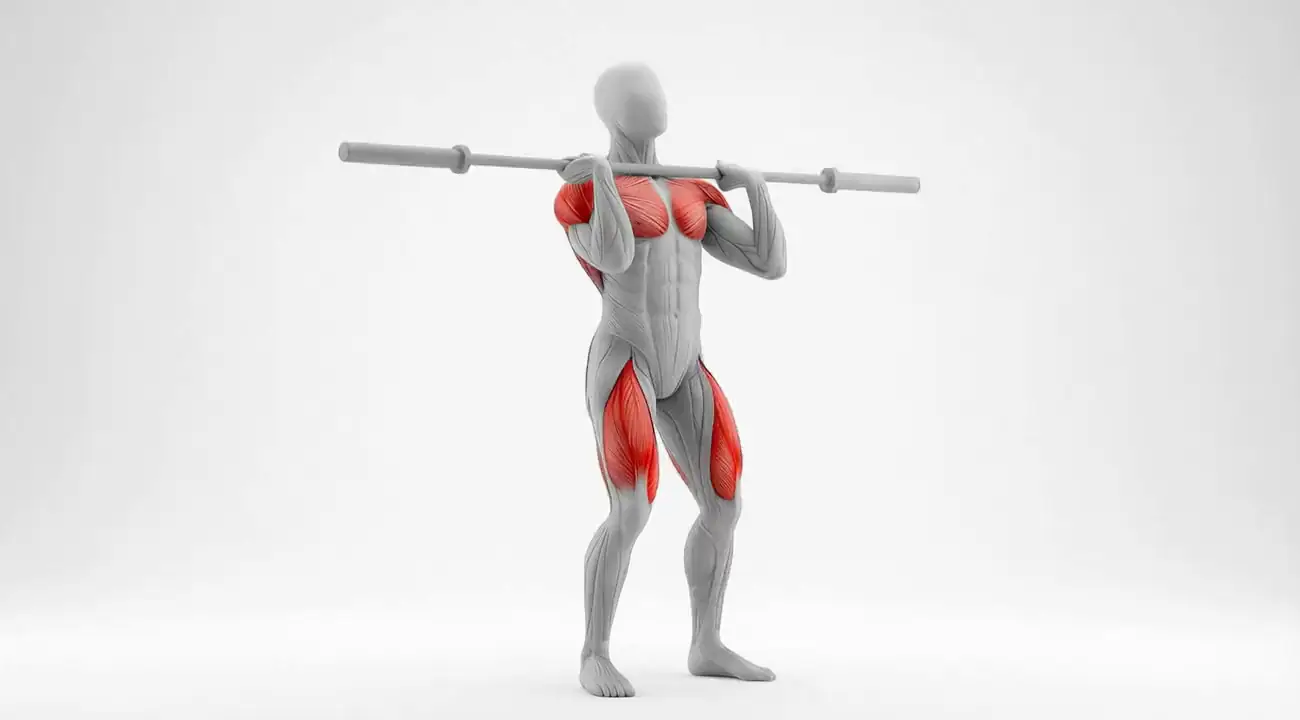
The barbell thruster is the most efficient full-body lift in conditioning training. By chaining a front squat directly into an overhead press, it loads the quads, glutes, and shoulders in one continuous movement and spikes the heart rate fast. It shows up everywhere in CrossFit, hybrid training, and metabolic strength programming.
How to do the Barbell Thruster
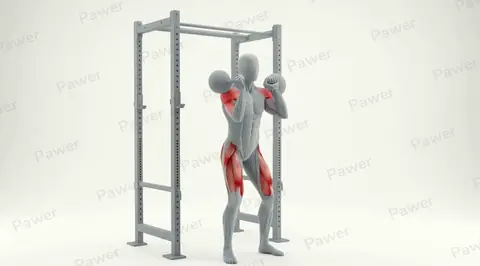
- Set the bar in a front-rack position across the front of your shoulders with elbows lifted high.
- Stand with feet shoulder-width apart, brace your core, and keep your chest tall throughout the lift.
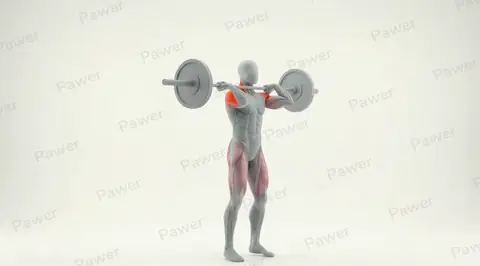
- Drop into a full front squat by sitting your hips back and tracking your knees over your toes.
- Drive hard out of the bottom and use that leg drive to launch the bar off your shoulders.
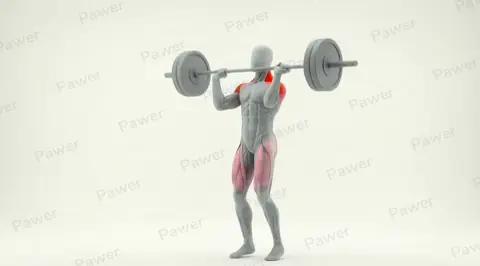
- Press the bar overhead in one fluid motion, finishing with arms locked out and biceps near your ears.
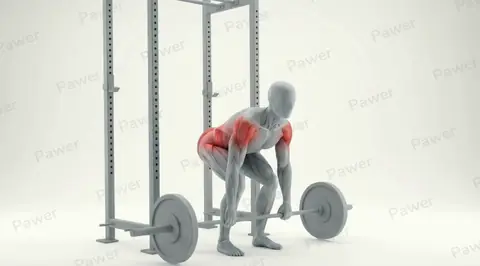
- Lower the bar back to the front rack under control and reset for the next rep without pausing.
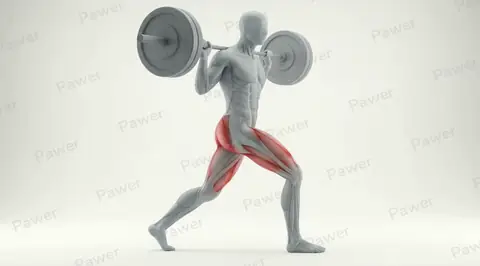
Muscles worked
Why train it
- Builds full-body strength and conditioning in a single compound movement.
- Trains leg drive into overhead pressing for athletic power transfer.
- Spikes heart rate fast, making it a high-return conditioning lift.
Common mistakes
- Pressing the bar with arms only instead of using the leg drive out of the squat to power the press.
- Dropping the elbows in the front rack, which collapses the chest and dumps the bar forward.
- Cutting the squat depth short to save energy, turning the lift into a half-rep push press.
- Catching the bar on the shoulders too hard on the way down, which beats up the front delts over volume.
Frequently asked questions
What muscles does the Barbell Thruster work?
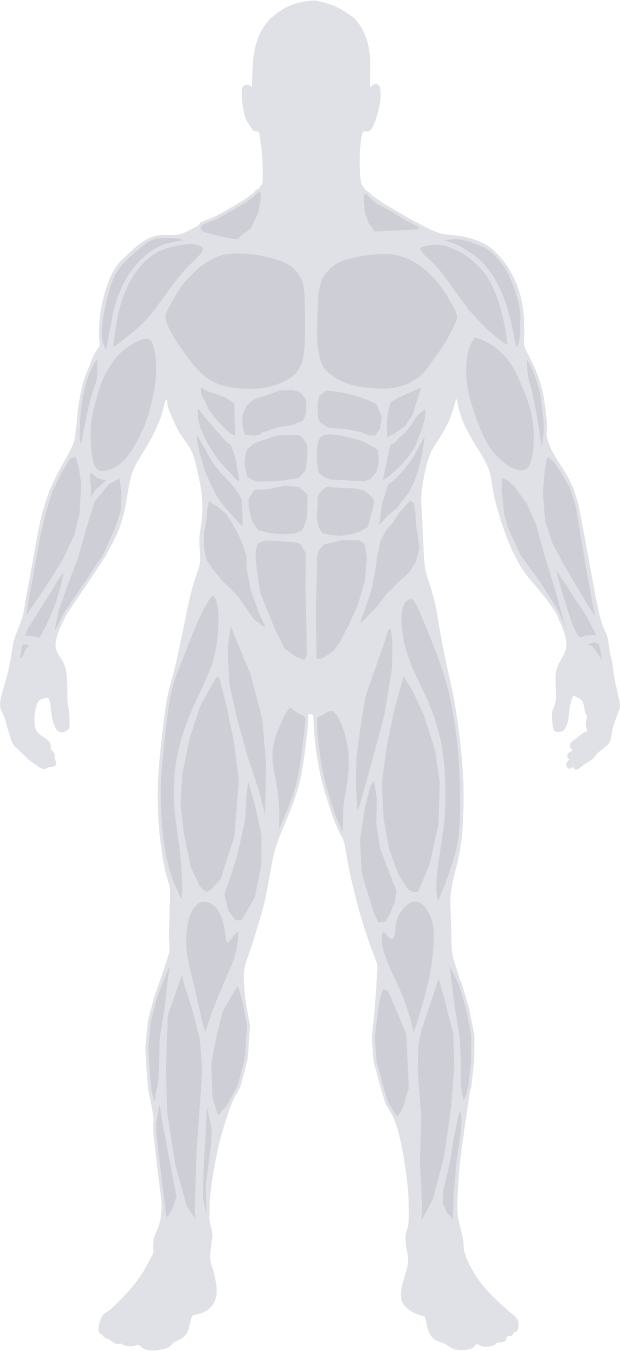
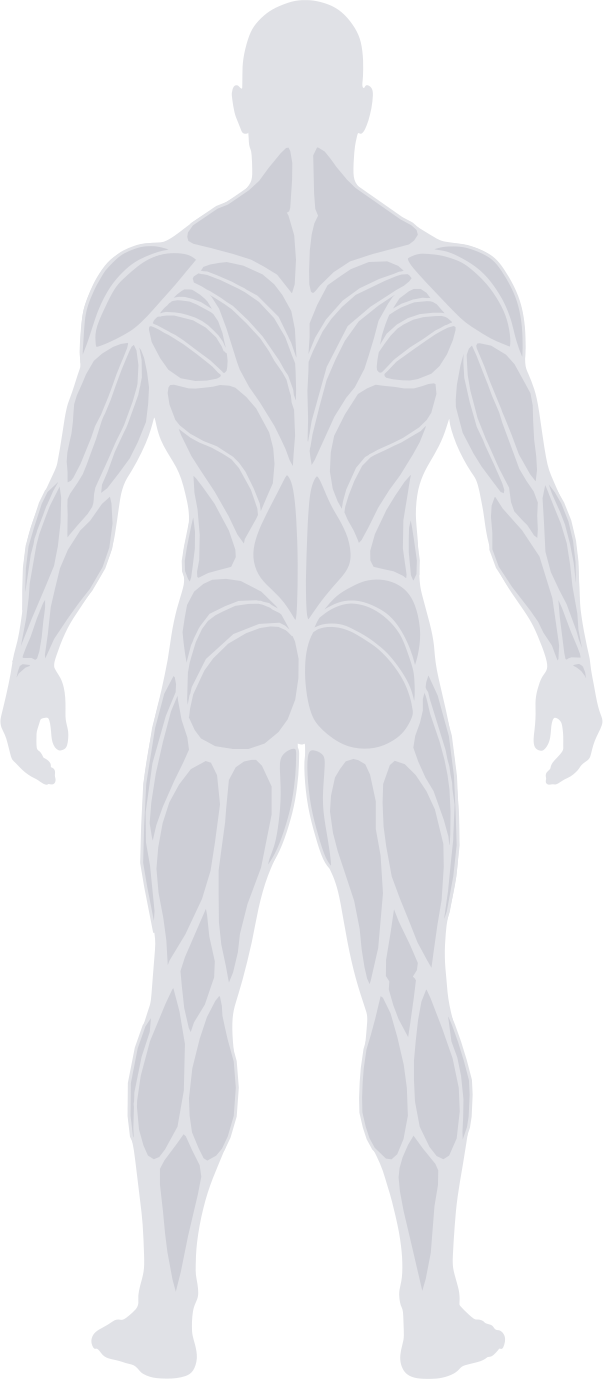
The Barbell Thruster trains the glutes, shoulders, and quads, and little else. No other group takes a meaningful share of the load, which is what makes this a clean way to target the glutes, shoulders, and quads directly.
What equipment do I need for the Barbell Thruster?
Only a barbell. Nothing beyond that is required to run the movement the way it is described above.
Is the Barbell Thruster suitable for beginners?
With some training behind you. The Barbell Thruster is rated intermediate, which means the setup matters as much as the effort. It is a reasonable first month goal rather than a first session one, and the alternatives below are the easier way in.
Can I do the Barbell Thruster at home?
Yes, if you own a barbell. That is the whole requirement, and it is the reason this one travels well between a home setup and a gym floor.
How many sets and reps of the Barbell Thruster should I do?
Three to five sets of 6 to 12 reps. Sit at the lower end with heavier weight when you are chasing strength, and at the upper end when you are chasing size.
What are good alternatives to the Barbell Thruster?
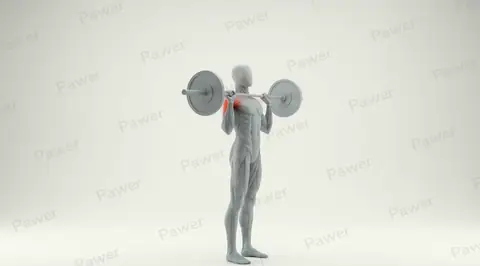
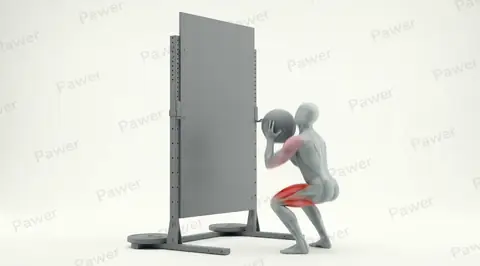
Dumbbell Thruster, Kettlebell Thruster, and Wall Ball train the same primary muscles as the Barbell Thruster. Pick whichever one suits the equipment in front of you.
Work out your Barbell Thruster weights
Estimate your max from a recent set, then find the weight for your next one.
- One Rep Max CalculatorTurn a recent set into an estimated max. Compare Epley, Brzycki and Lombardi, then read off your training percentages and every rep max from 2RM to 12RM.
- RPE CalculatorRate a set by effort, get an estimated max, and read off the weight for your next target. Includes a full RPE chart of percentages by reps and effort.
- Barbell Plate CalculatorSee which plates go on each side of the bar for any weight, using only what your gym stocks. Count a loaded bar, add collars, and switch bars.
- Warm-Up CalculatorGet every warm-up set for your working weight, with reps, rest and the plates per side. Ramps for work sets, heavy singles, meets and 5x5 programs.
Similar exercises
By muscle
Every exercise is mapped to the muscles it trains. Browse by what you want to build.
By equipment
A full gym, a pair of dumbbells, or nothing at all: browse by what you have.